Plizio Visual Lab

Wadi el-Loz (Almond Valley)
Plizio editorial teamData Sources
valley
—°3
Wadi el-Loz (Almond Valley) (Palestinian Territories)

Weather…

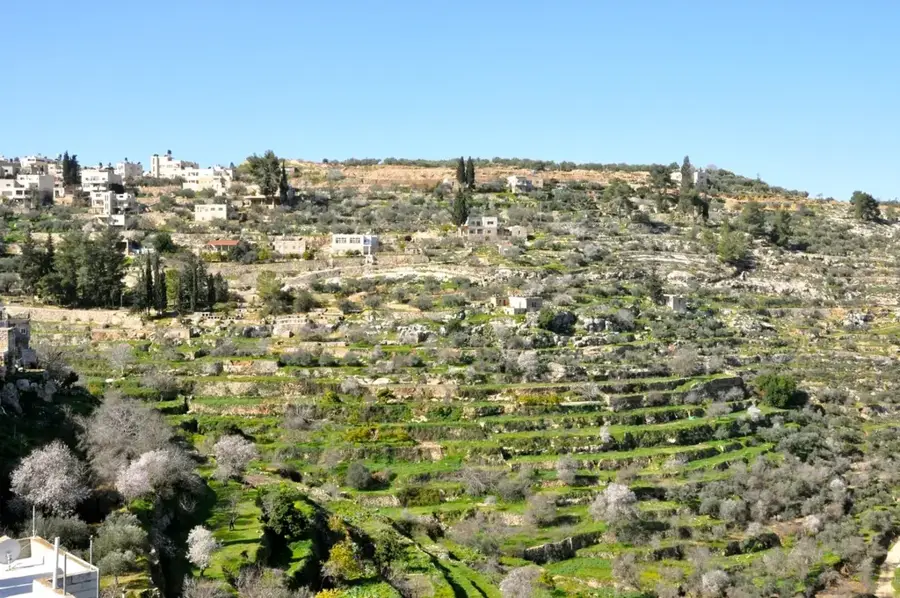
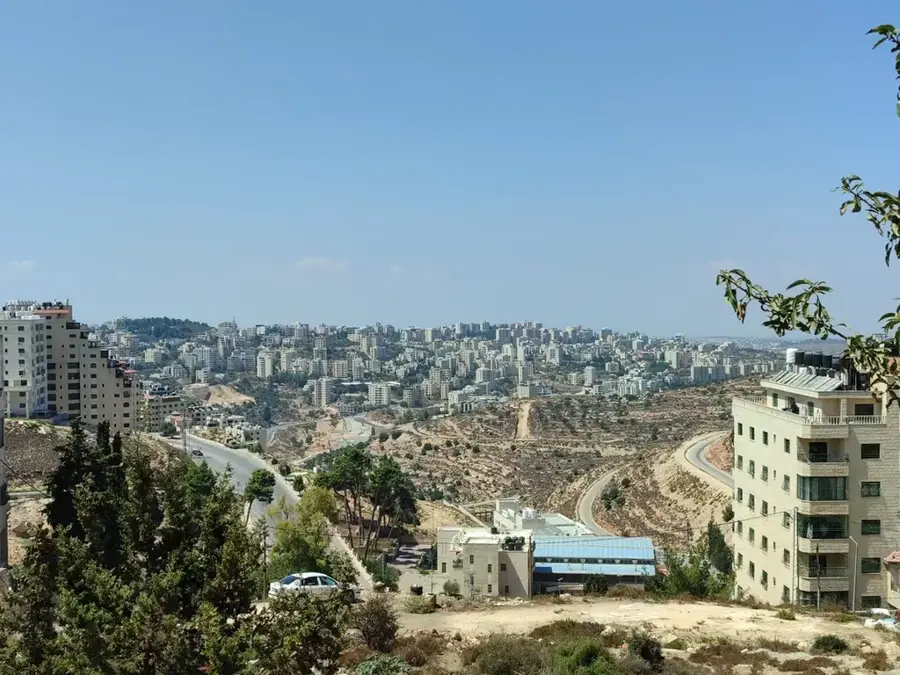
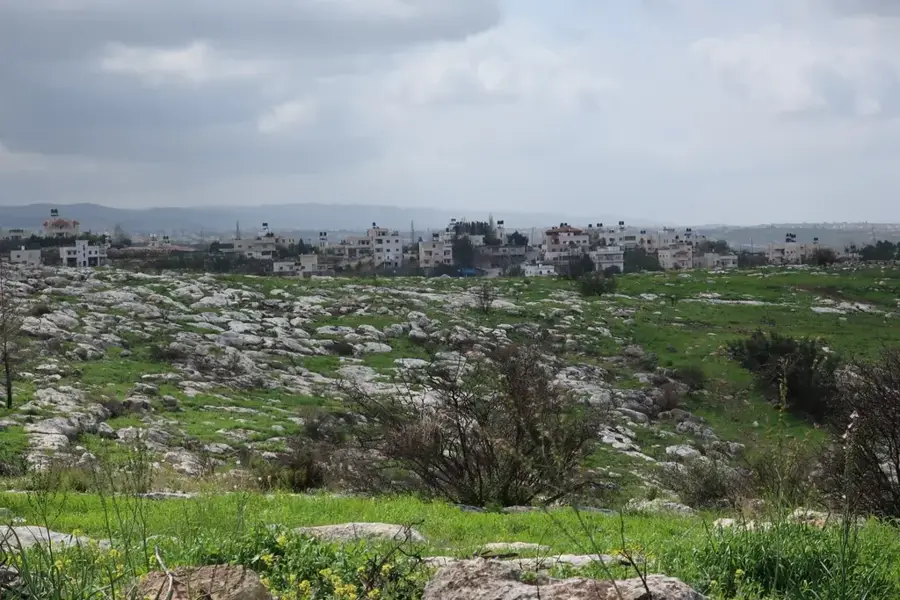
Wadi el-Loz, or the Almond Valley, is a sweeping natural area near Bethlehem that becomes a center of attraction during the late winter and early spring months. Around February, the valley is transformed by the blooming of countless almond trees, coating the hillsides in a lively display of white and pink blossoms. This region is a prime example of traditional dry-farming techniques, where local farmers maintain terraced orchards that have been part of the landscape for generations. The valley is not only botanically significant but also serves as a sanctuary for a wide variety of songbirds, making it a popular spot for birdwatching and nature photography. Hiking through the valley features a peaceful escape from urban life and an opportunity to appreciate the agricultural heritage of the Bethlehem area. The seasonal bloom is a celebrated event, showcasing the natural resilience and beauty of the local environment.

Best time to visit & climate

The most pleasant time to visit is Apr, May, Oct.

JanFebMarAprMayJunJulAugSepOctNovDec
Avg °C101215182225272725221712
Rain mm5942271540102123148

📋 Practical info

🧭
Getting there
Reaching this scenic agricultural valley generally involves a short journey outward from the surrounding Bethlehem region via local community roads. The area is heavily integrated with local farming, so visitors typically access the orchards by walking along well-established dirt paths that branch off the main village routes.
📅
Best season
The absolute peak time to visit is during the brief, spectacular window in early spring when the almond trees erupt into a sea of delicate white and pink blossoms. Late spring and early summer remain pleasant for enjoying the verdant foliage and observing the spirited populations of local songbirds inhabiting the orchards.
⛰️
Terrain & paths
Visitors will mostly walk on gently sloping, well-trodden dirt tracks that weave through the traditional terraced almond orchards. The ground is generally quite forgiving and easy to navigate, though the ancient stone terraces require occasional large steps and careful balance on uneven ground.
🎒
What to bring
Comfortable walking shoes with a solid sole are perfectly sufficient for strolling through the relatively tame agricultural environment of the valley. A pair of quality binoculars is strongly recommended for nature lovers hoping to closely observe the colorful songbirds flitting between the blossoming almond branches.
🅿️
Parking
Parking is typically found in informal, unpaved clearings at the edges of the valley or within the adjacent local neighborhoods. Visitors are kindly reminded to park responsibly, ensuring they do not block access gates to the private orchards or hinder the passage of local residents.
⚠️
Safety
Since the valley is comprised of active agricultural land, visitors should respectfully stay on the main paths and avoid damaging the fragile almond blossoms or branches. Standard precautions against seasonal allergies should be taken by sensitive individuals, given the immense amount of pollen present during the spectacular spring bloom.
⏱️
Time needed
A leisurely stroll through the blooming orchards to photograph the trees and listen to the abundant songbirds typically takes between one and two hours. It is a good, relaxing morning or late afternoon excursion for those looking to experience the peaceful, pastoral beauty of the Bethlehem countryside.

Geography

Coordinates
31.70250, 35.15140

Facts

  • Almond blossoming usually peaks in February.
  • The valley is located in the Judean Mountains.
  • Terracing prevents soil erosion on the slopes.
  • Some almond trees are over 50 years old.
  • The region receives about 500 mm of rainfall per year.
  • Historical watchtowers (Qasr) are found in the orchards.

Explore nearby

Notable places around

Route planner — Car & Motorhome

Where do you start? We build the route here, with stops and country notes along the way.

Vehicle
Only stops with (optional):

© OpenStreetMap contributors · OpenRouteService

Sights in the town Wadi el-Loz (Almond Valley) (3)

Ein Al Qseir📍 landmark

A natural spring that supports the ecosystem and vegetation of Wadi el-Loz.

Mitzpor HaElef🌿 nature

A scenic viewpoint offering wide panoramic views over the Judean Hills and surrounding valleys.

Ein Aleksis📍 landmark

A perennial spring and natural pool situated in the rugged landscape of Wadi el-Loz.

Sights nearby

Frequently asked questions

Why is it called Almond Valley?
Because of the many almond trees that grow there.
When is the blooming season?
In late winter, usually February.
Is the hike easy?
Yes, very pleasant and good for families.
Is there shade?
Yes, the almond trees provide good shade.
Can one camp there?
No, it is private land; please respect it.
Wadi el-Loz (Almond Valley): where is it located?
Wadi el-Loz (Almond Valley) is located in Palestinian Territories.
Wadi el-Loz (Almond Valley): what is there to see?
Highlights include Ein Al Qseir, Mitzpor HaElef, Ein Aleksis.
Wadi el-Loz (Almond Valley): when is the best time to visit?
The most pleasant time to visit is Apr, May, Oct.
Wadi el-Loz (Almond Valley): why is it worth visiting?

Wadi el-Loz, or the Almond Valley, is a sweeping natural area near Bethlehem that becomes a center of attraction during the late winter and early spring months.
View on map → The Top 50 Attractions → OpenStreetMap →
Asia
Explore with Plizio Discover more places in Asia
More places in Palestinian Territories →

Nearby cities

History & landmarks