Plizio Visual Lab

Solomon's Pools Nature Area

Plizio editorial teamData Sources
Lake
—°4
Solomon's Pools Nature Area (Palestinian Territories)

Weather…

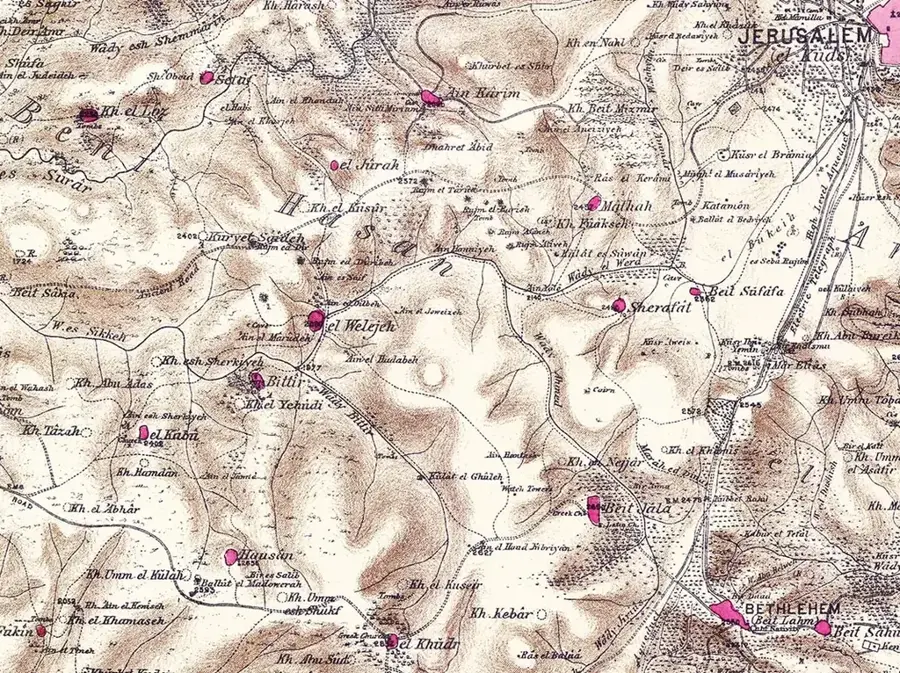
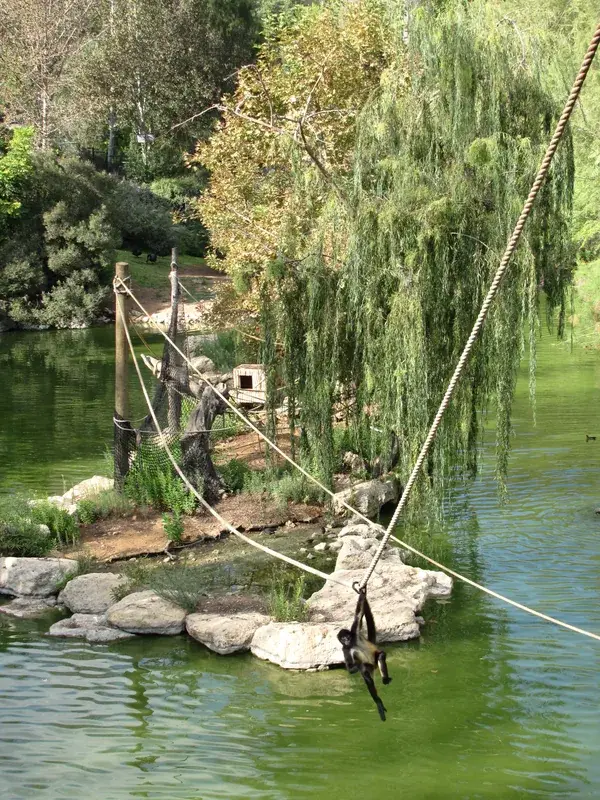
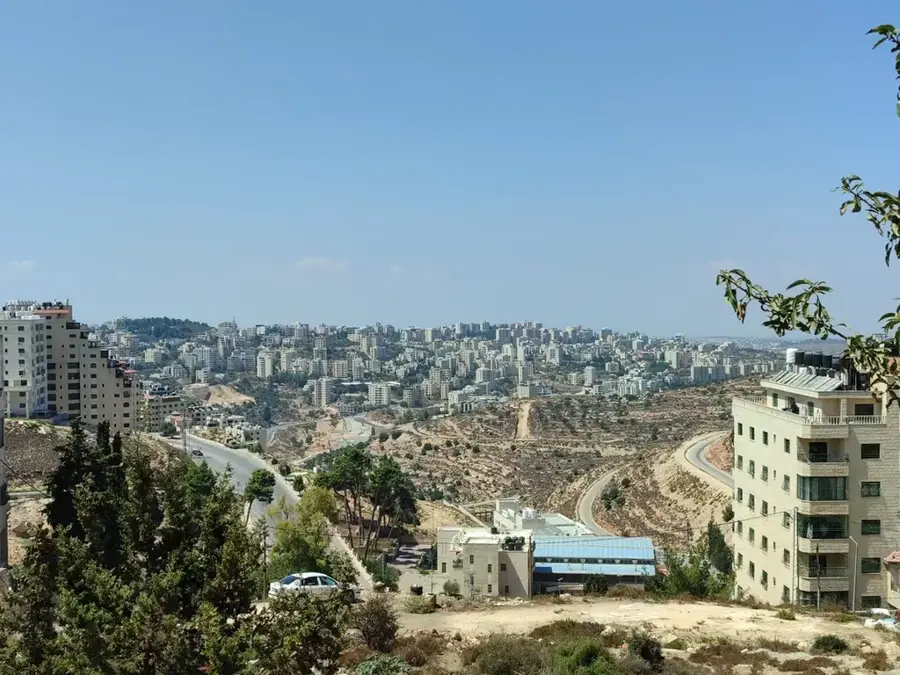
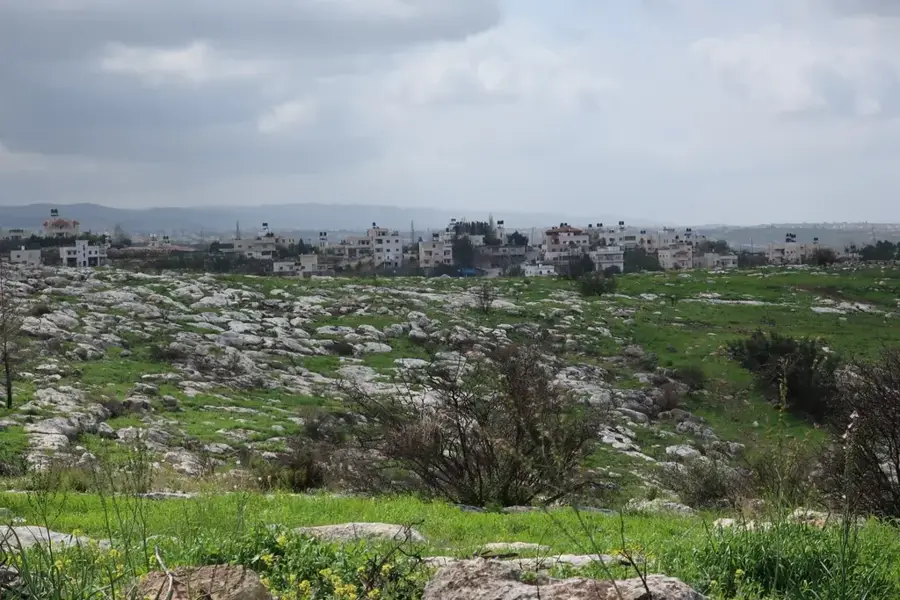
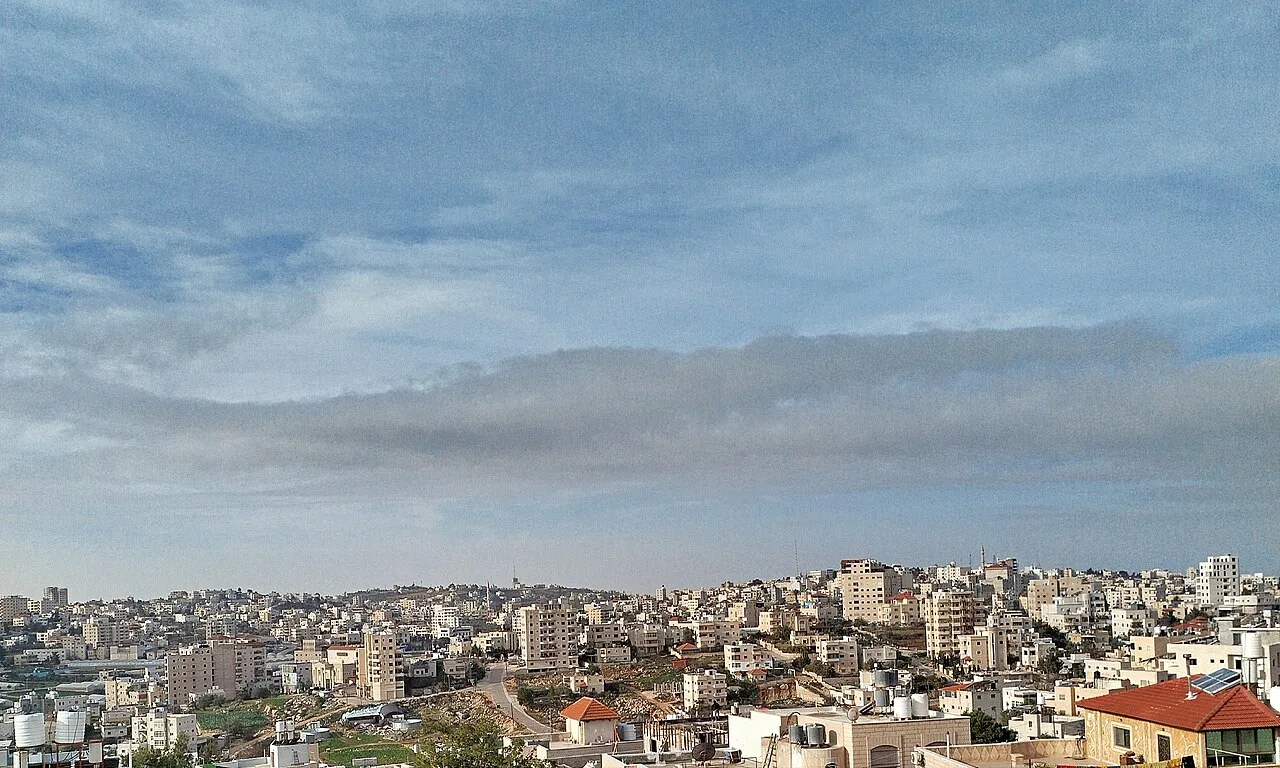
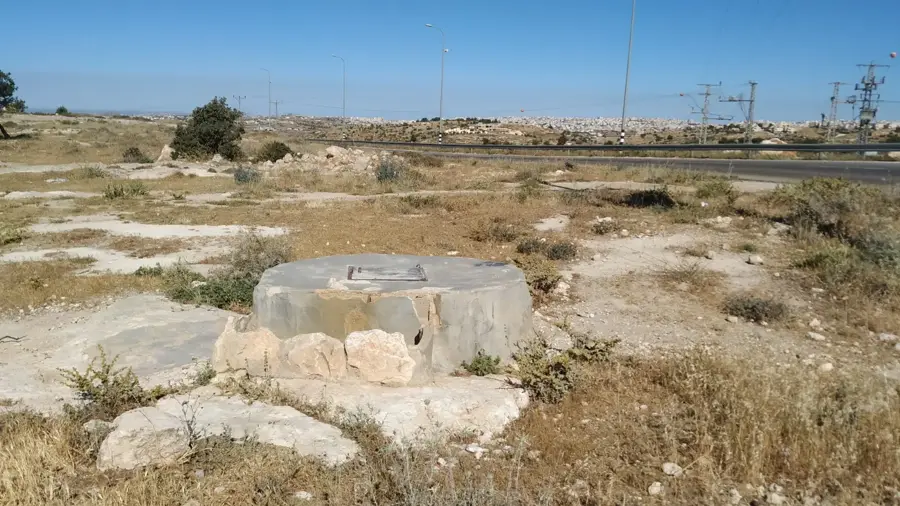
Solomon's Pools are three enormous ancient reservoirs carved into the rock in a scenic valley south of Bethlehem. Despite their traditional name, these basins likely date back to the Herodian period or the time of Pontius Pilate, serving as a masterwork of ancient hydraulic engineering. For centuries, they collected spring and rainwater, channeling it through a network of aqueducts to provide the primary water supply for Jerusalem and the Temple Mount. The pools are arranged on different levels, allowing gravity to move the water between them. Today, the surrounding area is a lush nature sanctuary featuring one of the region's most significant pine forests, which provides a habitat for various waterfowl and local wildlife. Visitors can explore the walking trails around the pools or visit the nearby Murad Castle, an Ottoman-era fortress built to protect the water source. The area remains a popular destination for those seeking natural beauty combined with a deep dive into the region's ancient infrastructure and history.

Best time to visit & climate

The most pleasant time to visit is Apr, May, Oct.

JanFebMarAprMayJunJulAugSepOctNovDec
Avg °C101215182225272725221712
Rain mm5942271540102123148

📋 Practical info

🧭
Getting there
The pools are typically reached by driving south from Bethlehem through the surrounding forested valleys. Local roads connect the site to the main regional highways, making it relatively straightforward to access by private vehicle or local taxi.
📅
Best season
The most pleasant time to visit is during the mild spring months when the surrounding vegetation is lush and the waterfowl are active. Early autumn also features cooler temperatures suitable for exploring the historic reservoirs and the forested landscape.
⛰️
Terrain & paths
Visitors will mostly navigate uneven, natural paths mixed with ancient stonework around the three large reservoirs. The valley floor is generally accessible, but caution is needed near the water edges where the surfaces can be quite slippery and unpaved.
🎒
What to bring
Sturdy walking shoes with reliable grip are highly recommended for walking around the ancient stonework and forested trails. Bringing binoculars is an excellent idea if you plan to observe the diverse waterfowl and amphibian species living around the springs.
🅿️
Parking
Parking is usually available informally near the main access points of the nature area just outside the immediate forested zone. Visitors often leave their vehicles near nearby local settlements or designated clearings before proceeding on foot toward the reservoirs.
⚠️
Safety
Visitors must exercise typical situational awareness and avoid climbing on the fragile, ancient reservoir walls to prevent sudden falls. Additionally, the amphibian habitats around the spring water should be treated with respect, avoiding direct contact with stagnant pools.
⏱️
Time needed
A typical visit to explore the three historic reservoirs and enjoy the surrounding forested valley takes approximately two to three hours. Nature enthusiasts interested in birdwatching might easily extend their stay to fully appreciate the peaceful environment.

Geography

Coordinates
31.68940, 35.17640

Facts

  • The pools have a total capacity of about 160,000 cubic meters.
  • The lowest basin is over 170 meters long.
  • Construction likely began during the reign of Herod the Great.
  • An Ottoman fort (Qala'at al-Burak) protected the site.
  • Two main aqueducts ran from here all the way to Jerusalem.
  • The pools were used for water supply as recently as 1967.

Explore nearby

Notable places around

Route planner — Car & Motorhome

Where do you start? We build the route here, with stops and country notes along the way.

Vehicle
Only stops with (optional):

© OpenStreetMap contributors · OpenRouteService

Sights in the town Solomon's Pools Nature Area (4)

Artas Folklore Center🏛 museum

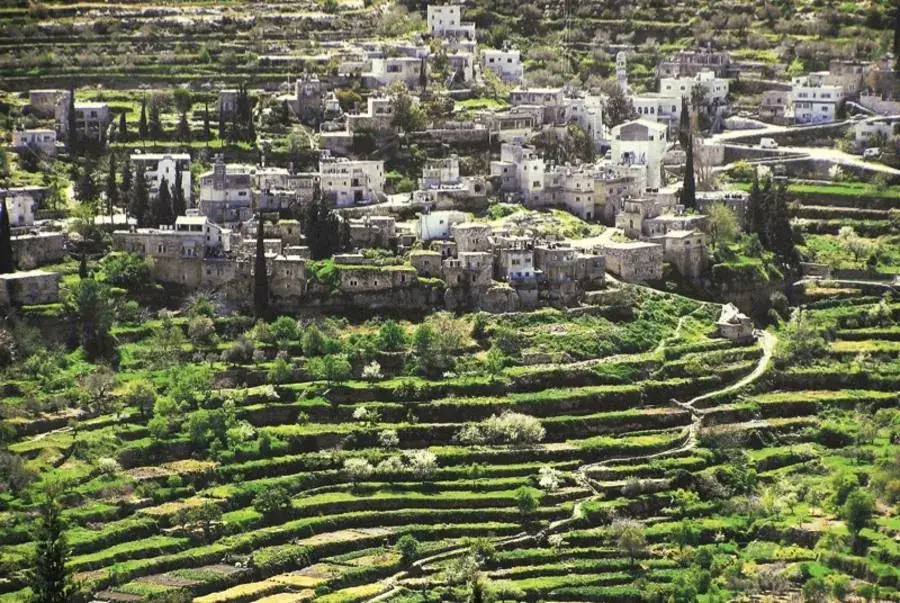
A museum in the fertile Artas valley documenting rural Palestinian heritage.

Dheisheh mosque📍 landmark

The main mosque in the Dheisheh camp area, a central place for the community.

Nasr mosque📍 landmark

The 'Victory Mosque' is a well-known local landmark featuring a green dome.

Abu Njeam Mosque📍 landmark

A local mosque in the Abu Njeam neighborhood serving as a place of prayer for residents.

Sights nearby

Frequently asked questions

What are Solomon's Pools?
Ancient water reservoirs that once served the water supply of Jerusalem.
Can you visit the pools?
Yes, they are accessible to the public and well-preserved.
Are they near Bethlehem?
Yes, just a short drive south of Bethlehem.
Is there a café there?
Yes, there are often small catering offerings nearby.
Is the place photogenic?
Yes, especially the ancient architecture gives great motifs.
Solomon's Pools Nature Area: where is it located?
Solomon's Pools Nature Area is located in Palestinian Territories.
Solomon's Pools Nature Area: what is there to see?
Highlights include Artas Folklore Center, Dheisheh mosque, Nasr mosque.
Solomon's Pools Nature Area: when is the best time to visit?
The most pleasant time to visit is Apr, May, Oct.
Solomon's Pools Nature Area: why is it worth visiting?

Solomon's Pools are three enormous ancient reservoirs carved into the rock in a scenic valley south of Bethlehem.
View on map → The Top 50 Attractions → OpenStreetMap →
Asia
Explore with Plizio Discover more places in Asia
More places in Palestinian Territories →

Nearby cities

History & landmarks