Plizio Visual Lab

Wadi Fukin Valley
Plizio editorial teamData Sources
valley
—°10
Wadi Fukin Valley (Palestinian Territories)

Weather…

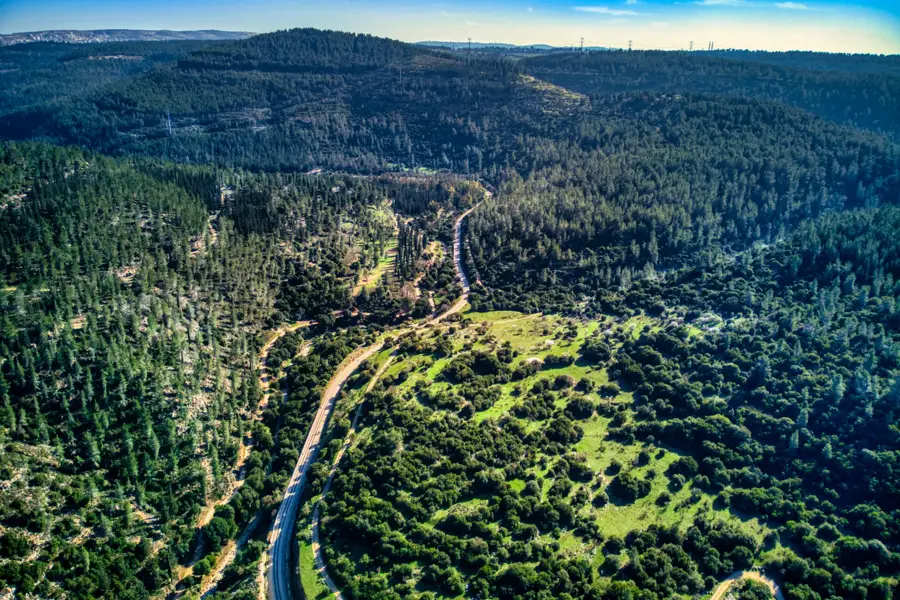
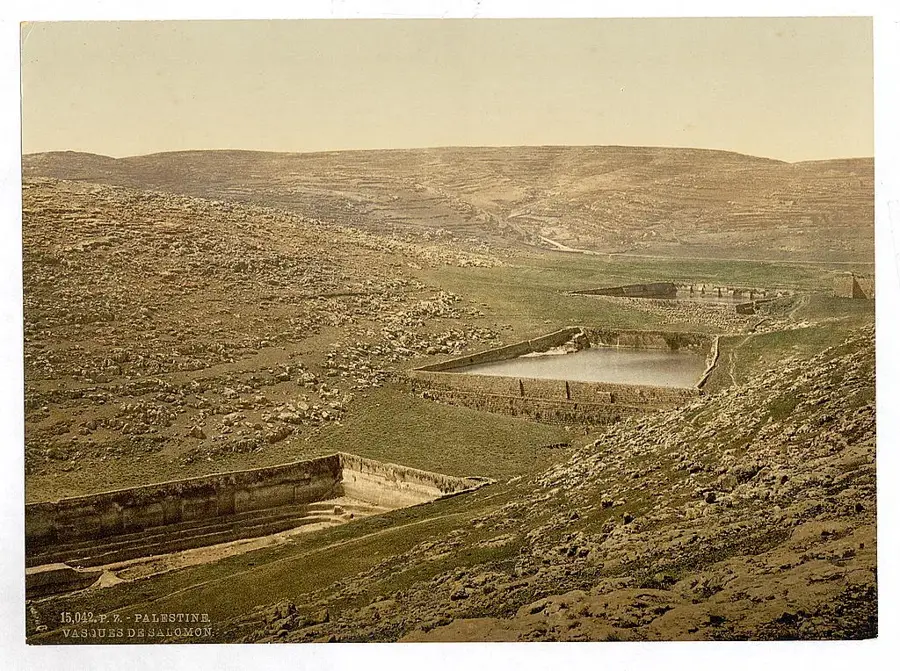
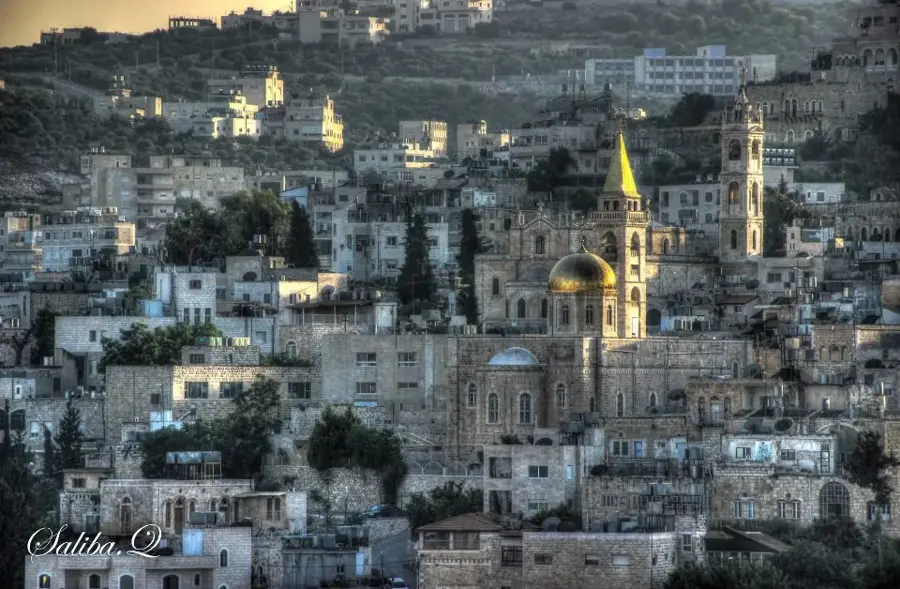
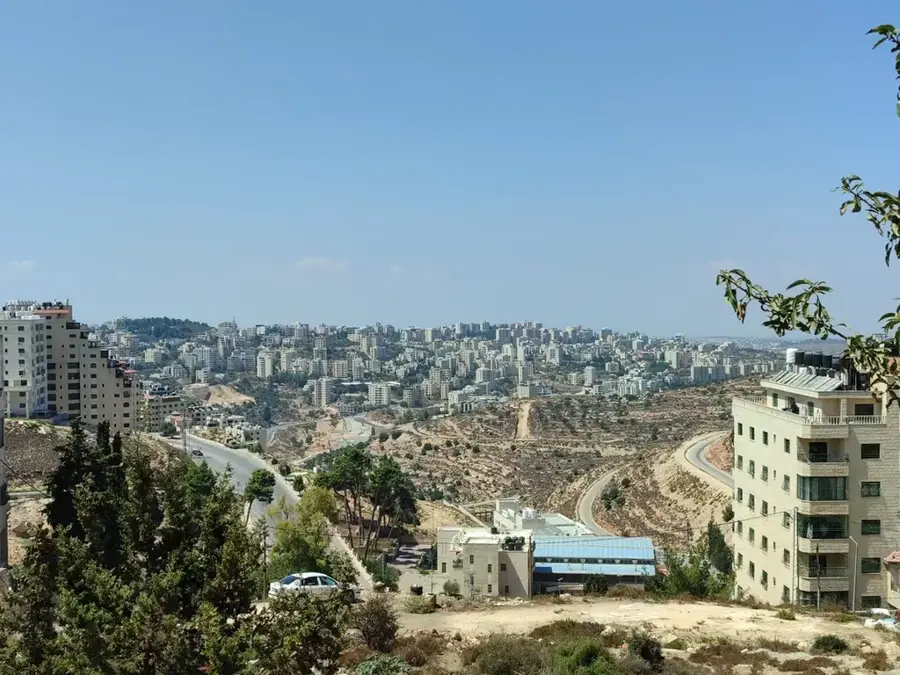
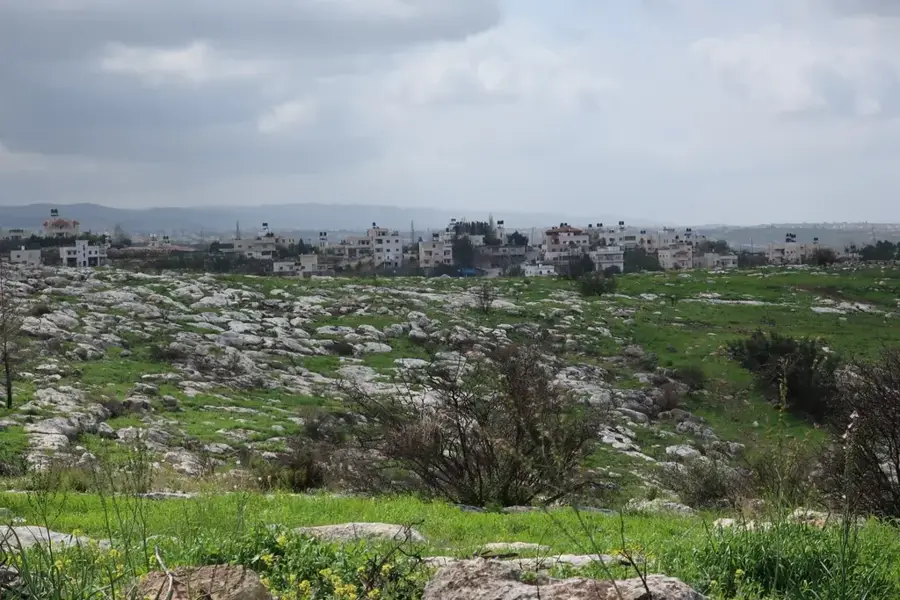
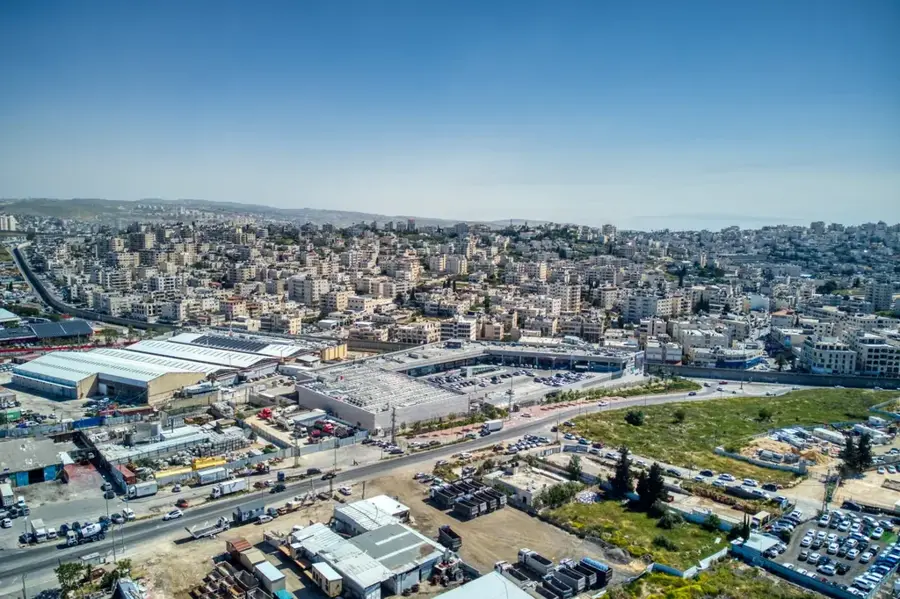
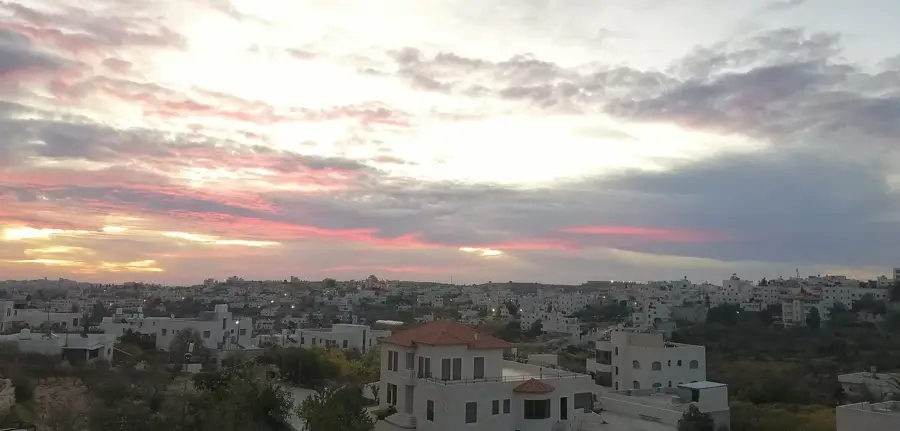
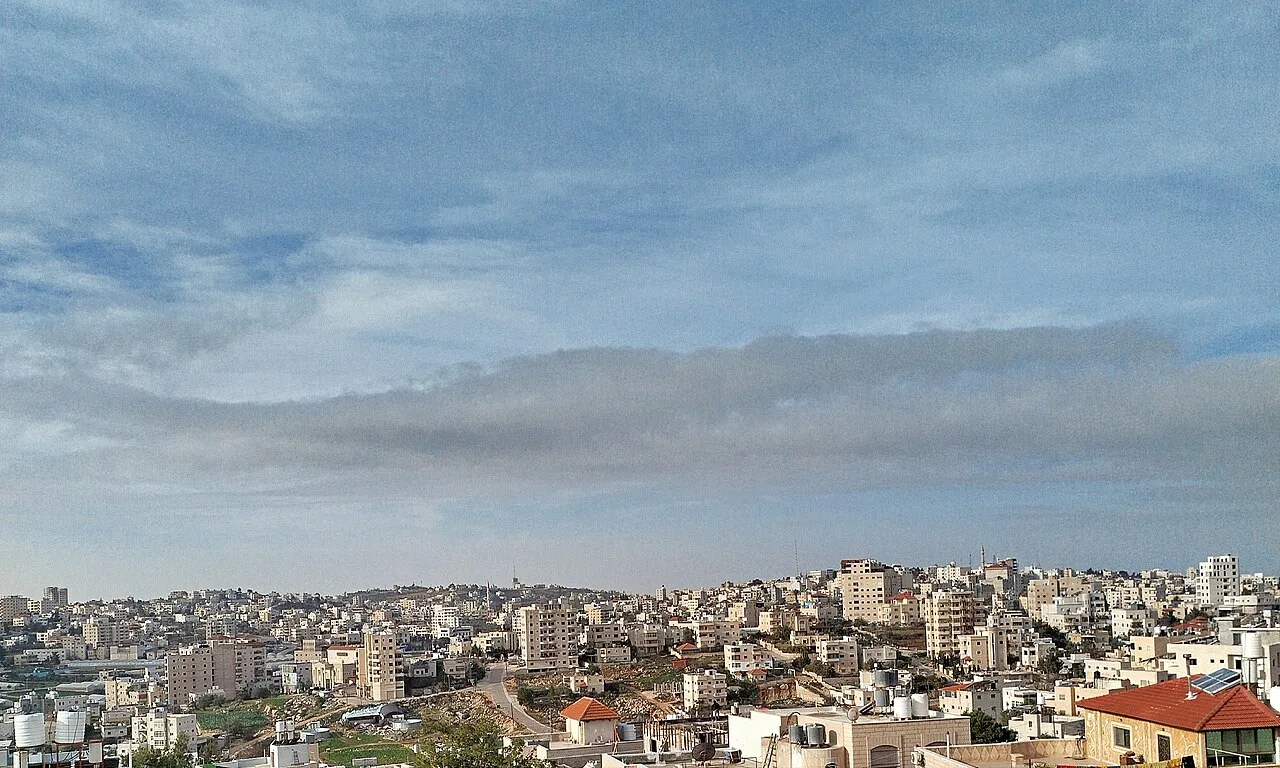
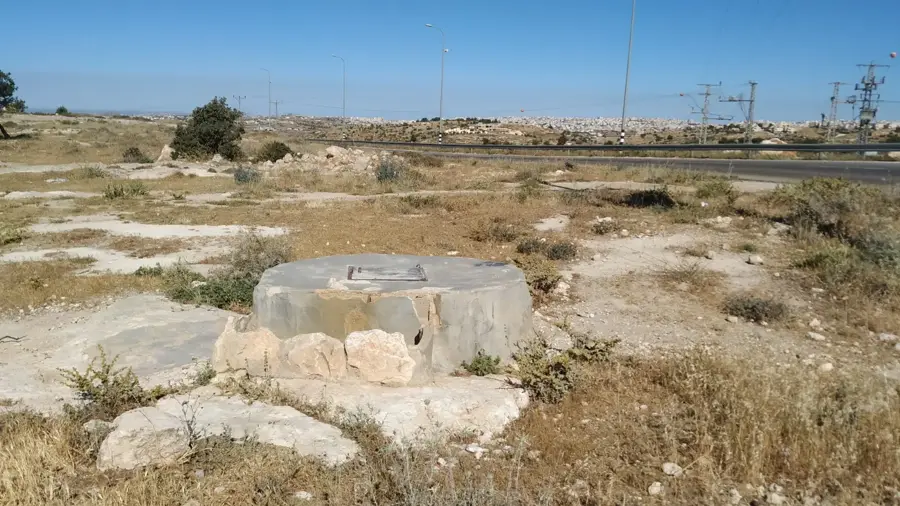
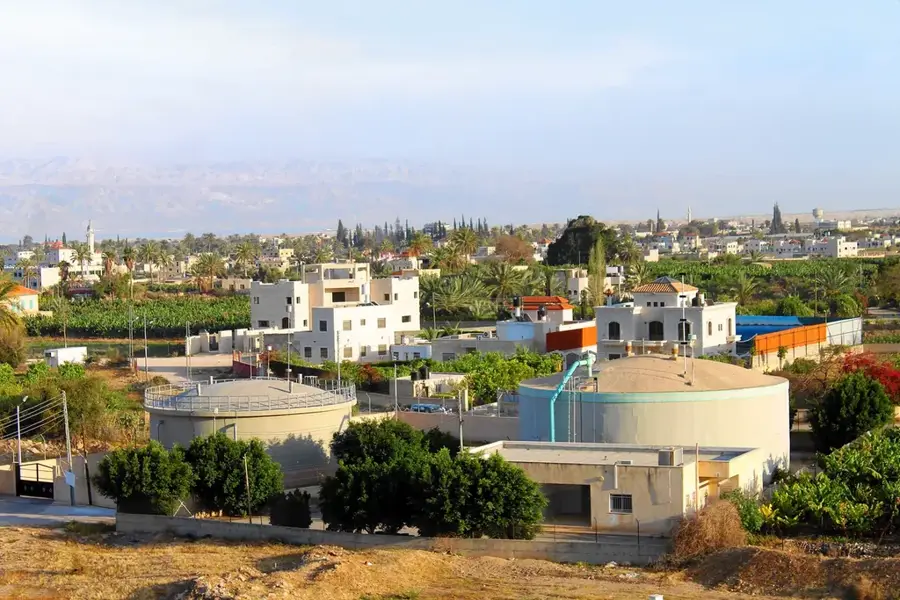
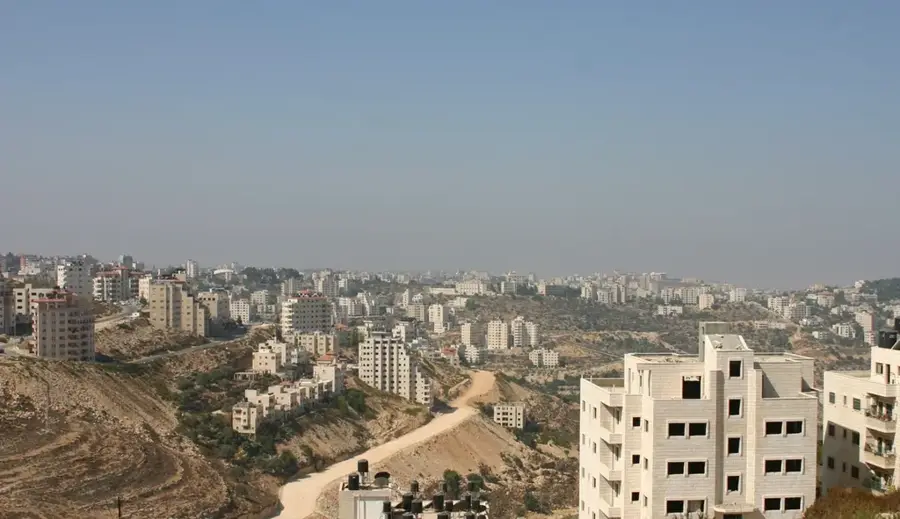
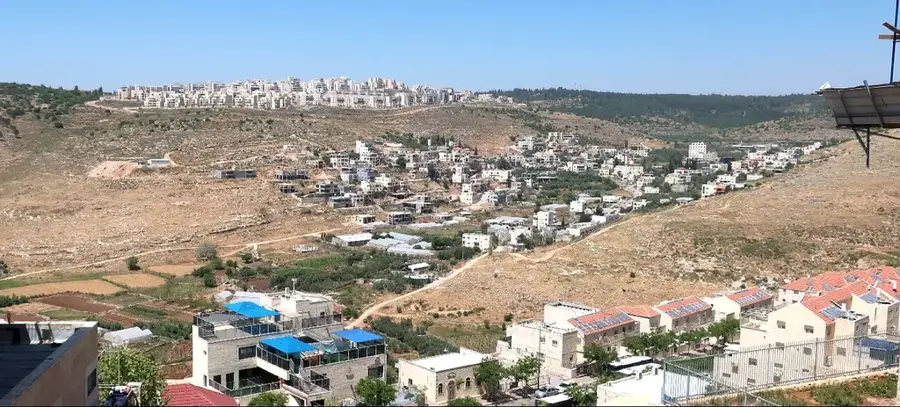
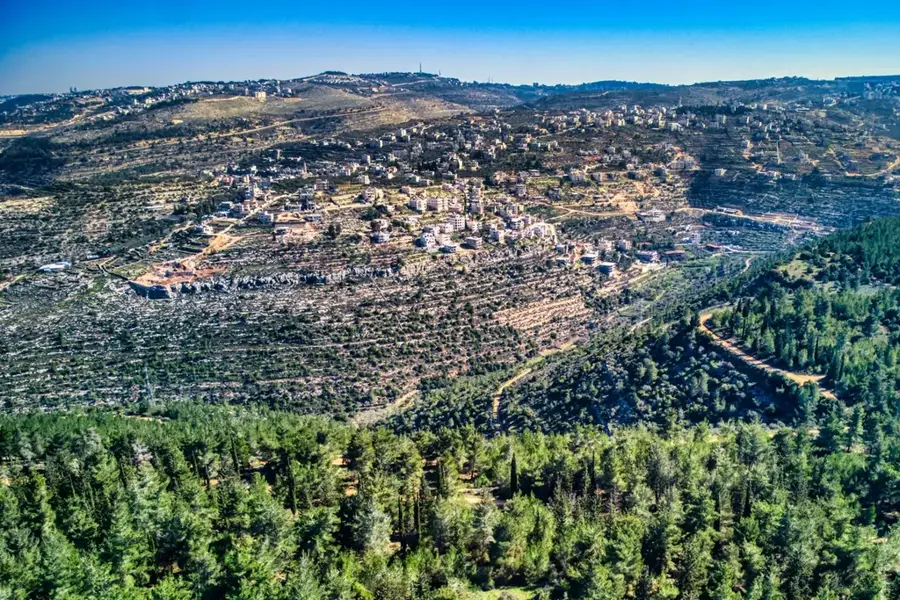
Wadi Fukin Valley is an extraordinary testament to the preservation of traditional Palestinian agriculture and ecological sustainability in the West Bank. The valley is renowned for its ancient stone-walled terraces, which have been cultivated for centuries using a sophisticated irrigation system fed by eleven natural springs. Local farmers utilize these traditional methods to grow a diverse array of crops, maintaining the soil's fertility and the area's rich biodiversity. Beyond its agricultural significance, Wadi Fukin is a site of immense natural beauty and serves as a living museum of regional cultural heritage. However, the valley faces increasing pressure from surrounding urban development, making its preservation a critical issue for those seeking to protect this unique model of harmonious interaction between humans and the environment.

Best time to visit & climate

The most pleasant time to visit is Apr, May, Oct.

JanFebMarAprMayJunJulAugSepOctNovDec
Avg °C101215182225272725221712
Rain mm5942271540102123148

📋 Practical info

🧭
Getting there
Reaching the valley typically involves traveling from nearby Bethlehem or Jerusalem to the village of Wadi Fukin, where access paths lead into the terraced landscapes.
📅
Best season
The periods of spring and early autumn are generally the most favorable times to visit, offering comfortable hiking weather and lush greenery around the natural springs.
⛰️
Terrain & paths
The terrain primarily consists of historic agricultural terraces and dirt paths, which can be uneven and slightly challenging to navigate without steady footing.
🎒
What to bring
Comfortable walking shoes with good grip, sun protection, and a refillable water bottle are highly recommended for exploring the extensive agricultural areas comfortably.
🅿️
Parking
Parking is typically informal and can usually be found within the village of Wadi Fukin, though visitors should ensure they do not block local agricultural vehicles.
⚠️
Safety
Visitors should exercise general caution when walking along the old stone terraces to avoid slipping, and always respect the local farming boundaries and private properties.
⏱️
Time needed
Exploring the valley and its traditional farming ecosystems usually takes around two to four hours, allowing enough time to appreciate the springs and terraces.

Geography

Coordinates
31.71110, 35.10280

Facts

  • Over 11 natural springs feed the agricultural lands.
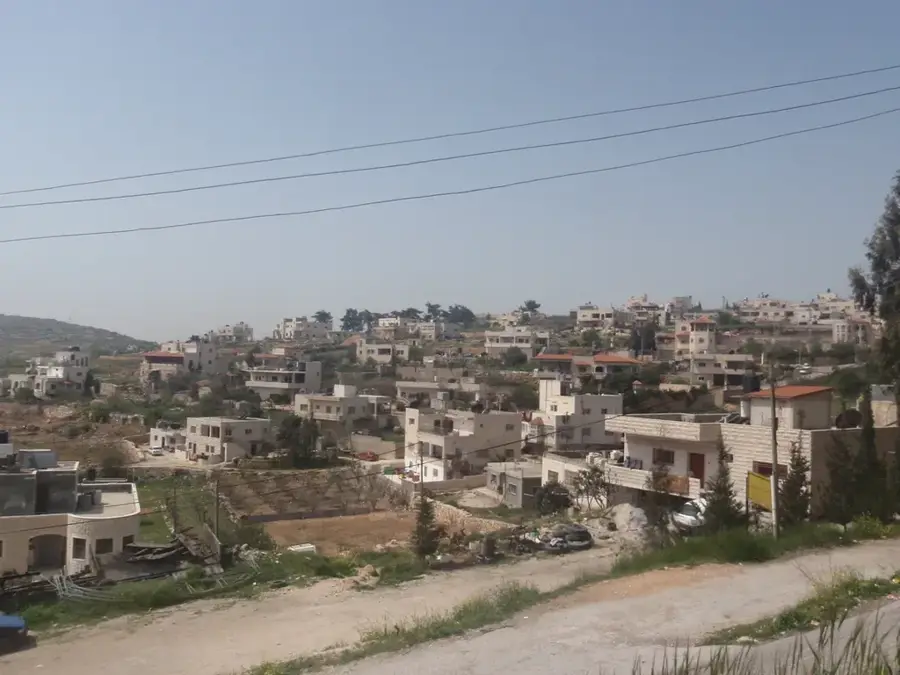
  • The village of Fukin has approximately 1,300 inhabitants.
  • The terraces extend over several hundred hectares.
  • The area is located near the 1949 Green Line.
  • Traditional methods have prevented soil erosion for generations.
  • Mainly almonds, olives, and figs are cultivated.

Explore nearby

Notable places around
Route planner — Car & Motorhome

Where do you start? We build the route here, with stops and country notes along the way.

Vehicle
Only stops with (optional):

© OpenStreetMap contributors · OpenRouteService

Sights in the town Wadi Fukin Valley (10)

Har Kitron🏺 historical

Hilltop ruins featuring ancient cisterns with views over the agricultural terraces of Wadi Fukin.

lyme kiln🏺 historical

The stone remains of a historic lime kiln once used for producing traditional building materials.

Har Sansan🌿 nature

A peak in the Judean Mountains offering wide views over the Wadi Fukin valley.

Har Ya'aran🌿 nature

A forested peak in the central highlands overlooking the surrounding valleys.

Refaim Mt.🌿 nature

A prominent ridge in the Judean Mountains overlooking the Refaim Valley.

Khirbet el-'Id🏺 historical

These ancient ruins near Wadi Fukin preserve the remains of old agricultural terraces.

Mosque📍 landmark

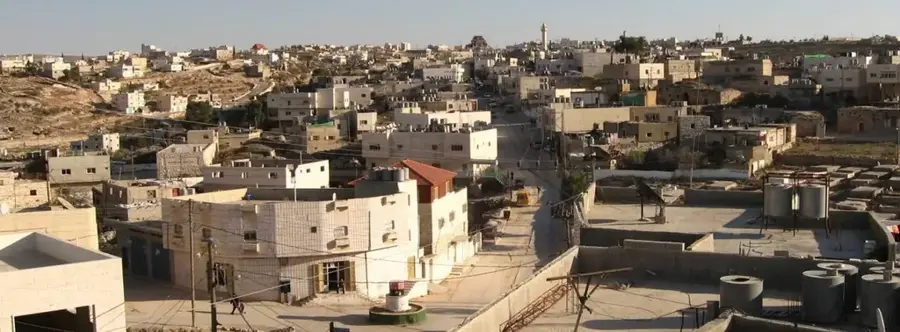
A local mosque in Wadi Fukin village serving as a religious center for the community.

wadi fukin⛪ religious

A place of worship in the heart of the Wadi Fukin valley, surrounded by traditional gardens.

Wadi Fukin Mosque📍 landmark

The main mosque of Wadi Fukin, a central structure in the rural settlement.

Ateret Shlomo Yeshiva📍 landmark

A Jewish educational institution situated in the hilly landscape near the Green Line.

Sights nearby

Frequently asked questions

What makes Wadi Fukin valley special?
It is famous for its agricultural tradition and terraces.
Can I buy local products?
Yes, farmers often sell their fruit and vegetables on-site.
Is the valley easy to explore on foot?
Yes, trails lead through fields and are easy to walk.
Are there water springs?
Yes, there are historical springs that irrigate the terraces.
Is booking needed for visits?
No, you can explore the valley individually at any time.
Wadi Fukin Valley: where is it located?
Wadi Fukin Valley is located in Palestinian Territories.
Wadi Fukin Valley: what is there to see?
Highlights include Har Kitron, lyme kiln, Har Sansan.
Wadi Fukin Valley: when is the best time to visit?
The most pleasant time to visit is Apr, May, Oct.
Wadi Fukin Valley: why is it worth visiting?

Wadi Fukin Valley is an extraordinary testament to the preservation of traditional Palestinian agriculture and ecological sustainability in the West Bank.
View on map → The Top 50 Attractions → OpenStreetMap →
Asia
Explore with Plizio Discover more places in Asia
More places in Palestinian Territories →

Nearby cities

History & landmarks