Plizio Visual Lab

Wadi al-Makhrour
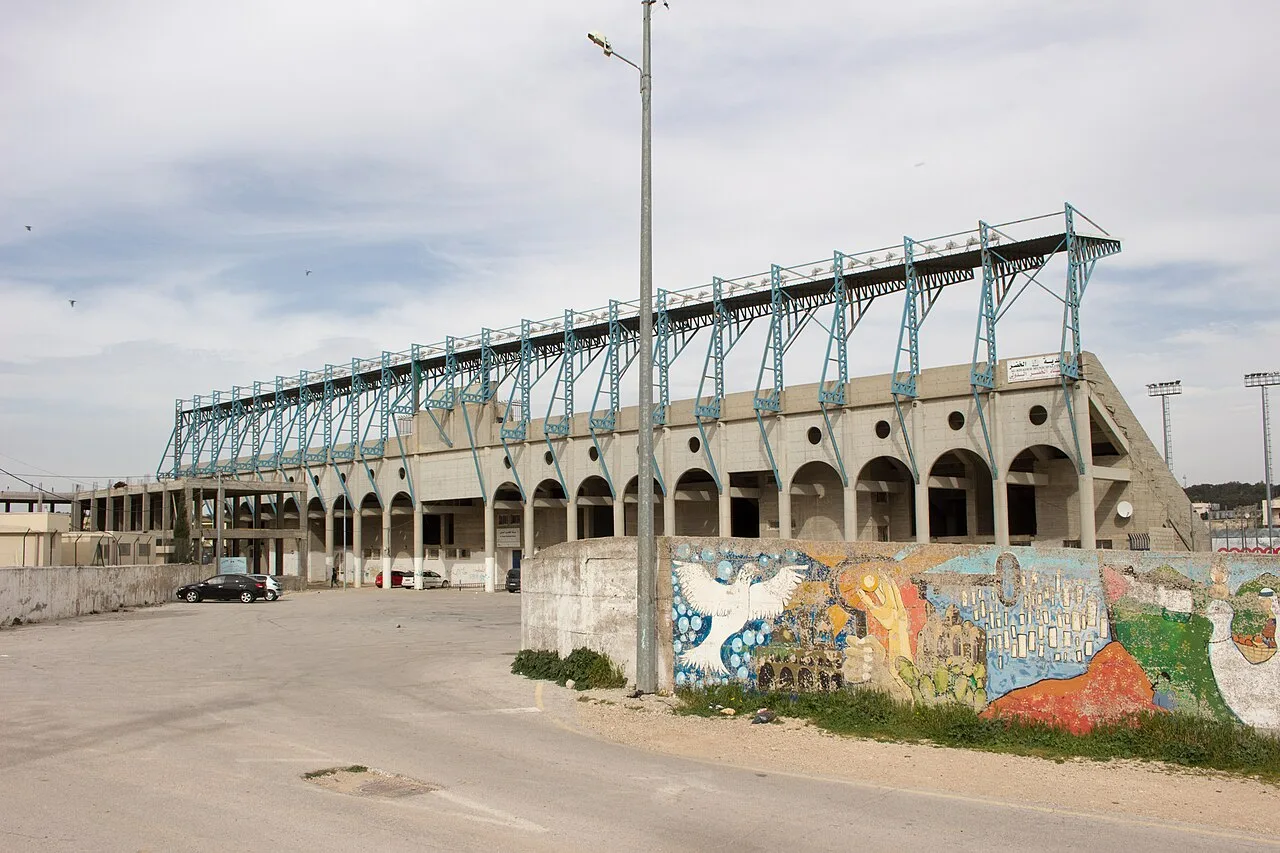
Plizio editorial teamData Sources
valley
—°2
Wadi al-Makhrour (Palestinian Territories)

Weather…

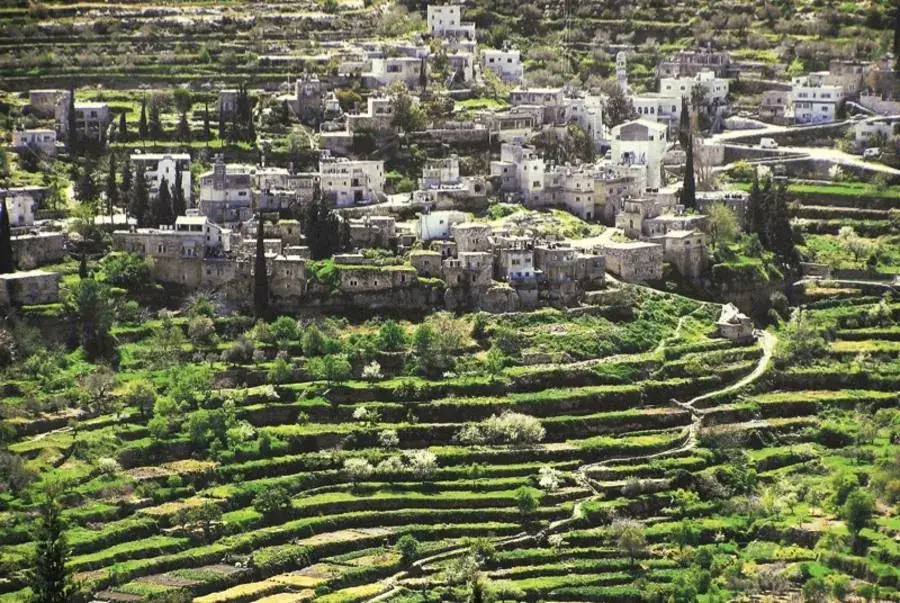
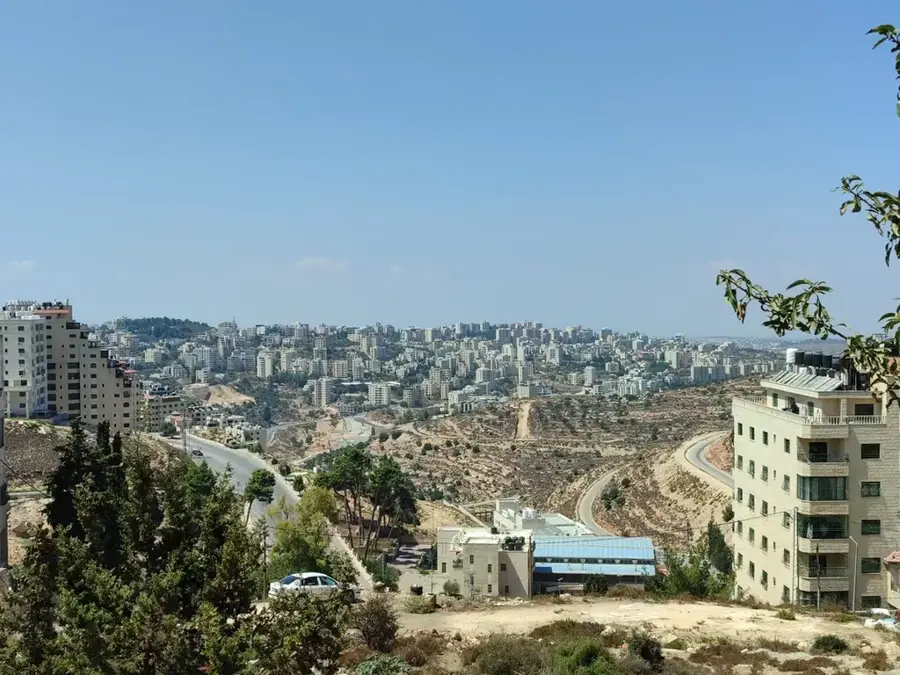
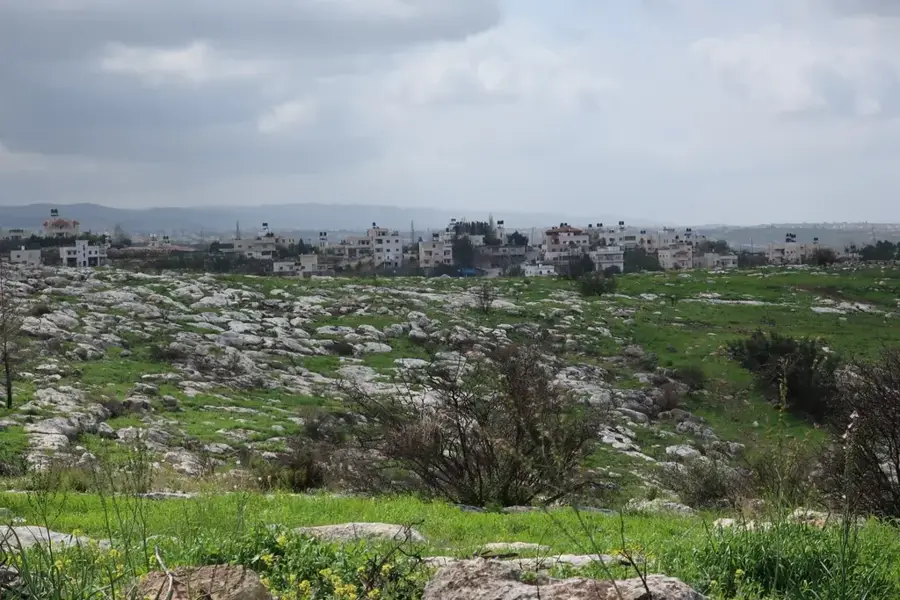
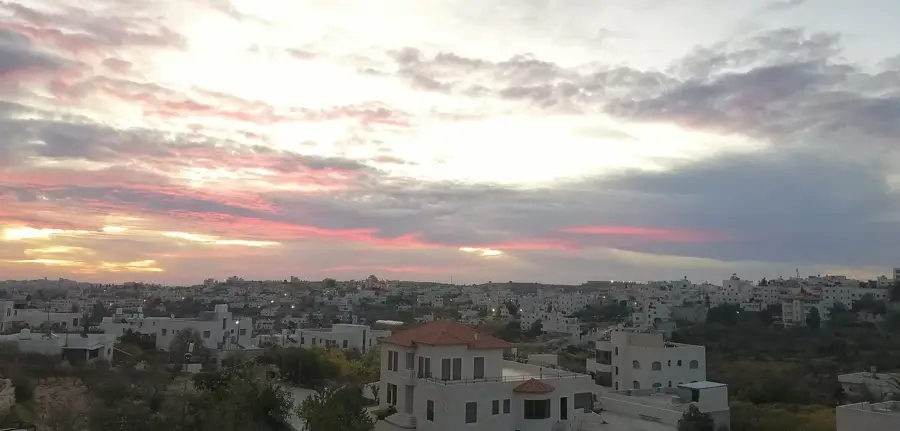
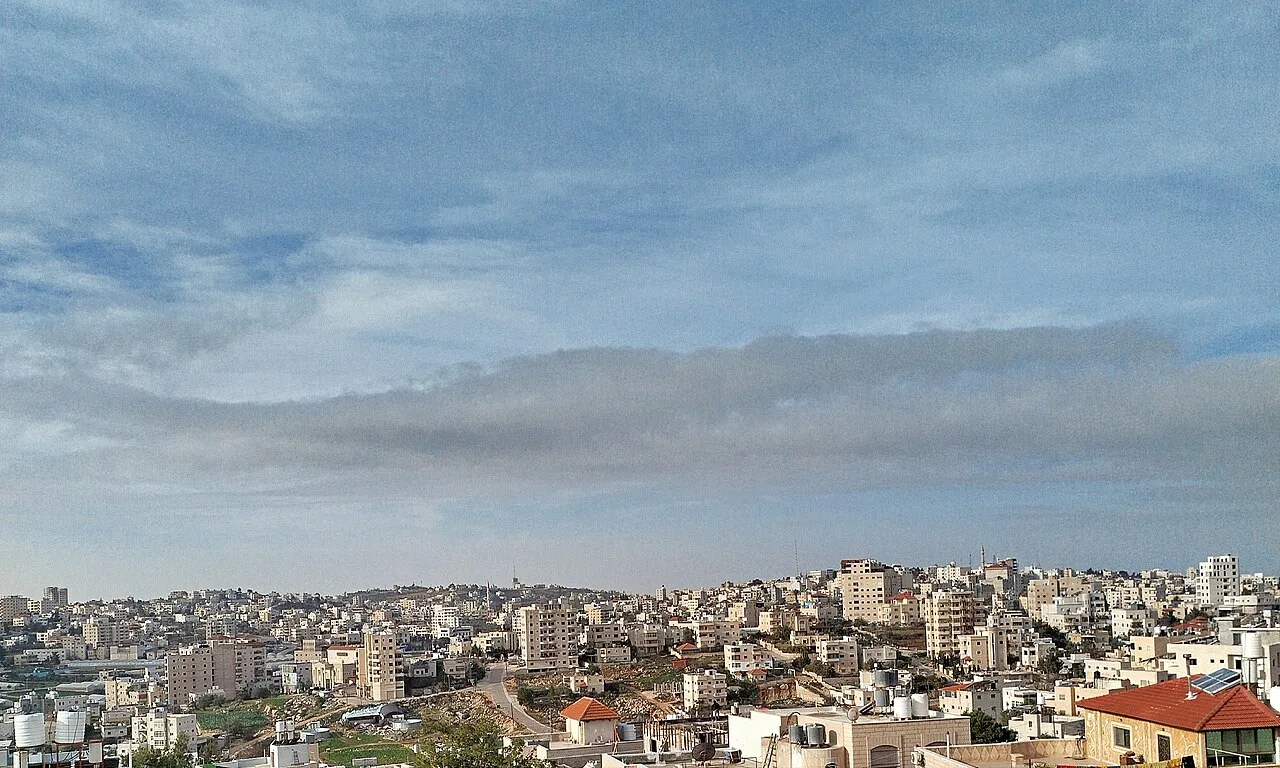
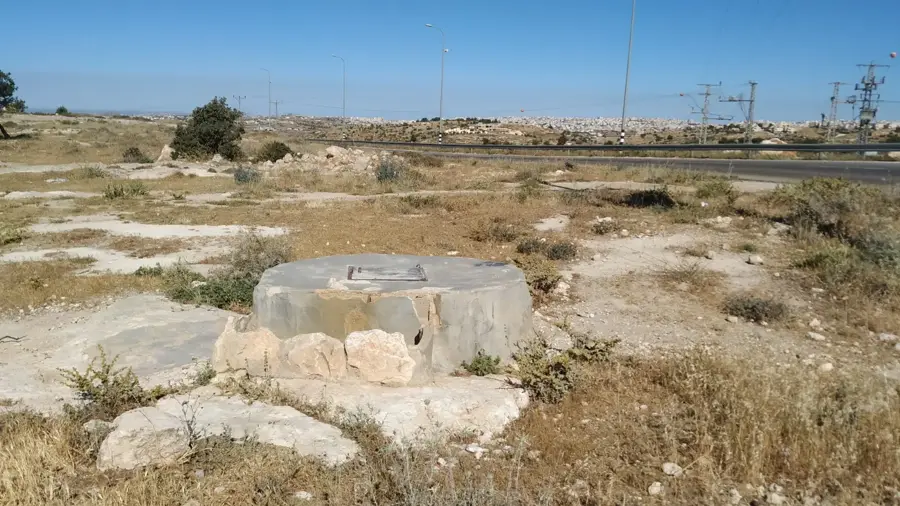
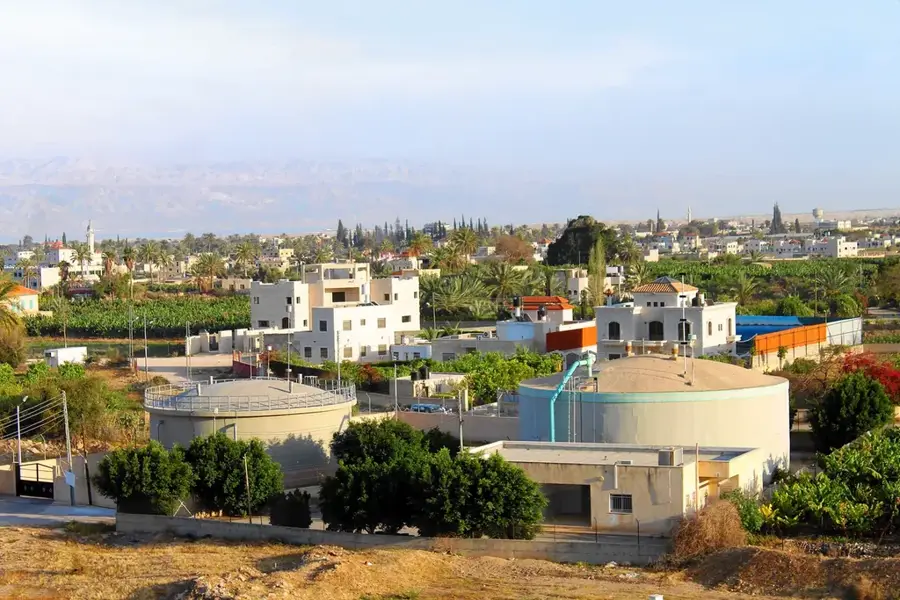
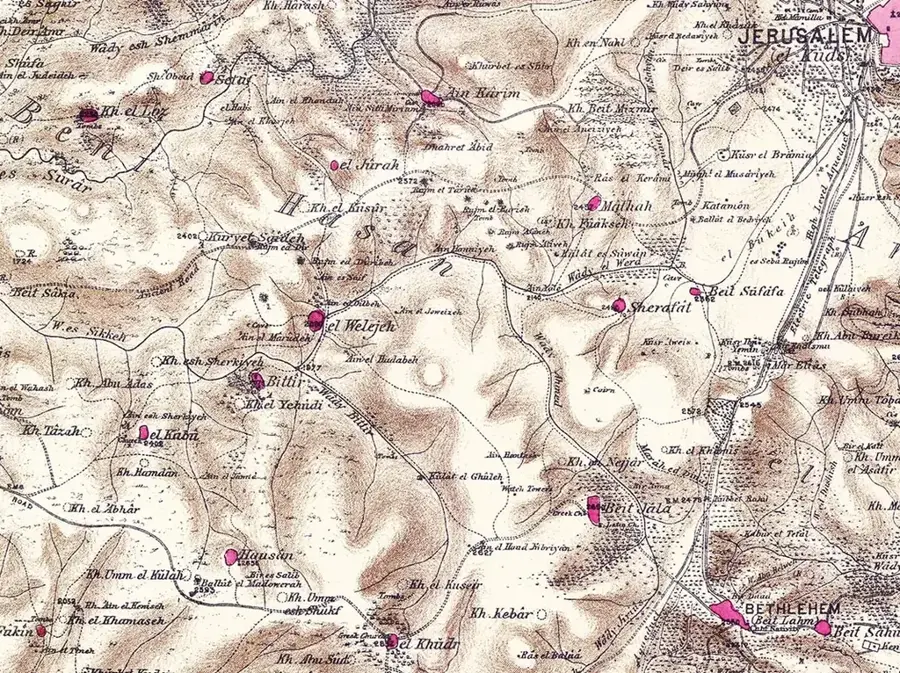
Wadi al-Makhrour is one of the most significant and last remaining green valleys in the Bethlehem governorate, stretching from Beit Jala to the UNESCO-listed village of Battir. This lush valley is a biodiversity hotspot, home to a wide variety of native plants and wildlife. Its slopes are defined by ancient stone terraces where olive, apricot, and almond trees have been cultivated for centuries using traditional methods. Due to its unique ecosystem, the valley is recognized as an Important Bird Area (IBA), serving as a crucial nesting and migration site for various species. Hikers can enjoy well-marked trails that wind through Mediterranean scrubland, past natural springs and historic stone towers known as 'qasr' that farmers used for storage and shelter. Wadi al-Makhrour provides a tranquil escape into nature, providing refreshing air and impressive scenery that changes with the seasons. Visiting the valley is an opportunity to appreciate the profound connection between the Palestinian people and their land, making it an essential destination for eco-tourists and nature lovers seeking authenticity in the Judean Hills.

Best time to visit & climate

The most pleasant time to visit is Apr, May, Oct.

JanFebMarAprMayJunJulAugSepOctNovDec
Avg °C101215182225272725221712
Rain mm5942271540102123148

📋 Practical info

🧭
Getting there
Reaching this photogenic green valley usually involves a short drive or hike originating from the western outskirts of the Bethlehem area. Visitors can typically find well-worn local paths and agricultural roads that lead directly down into the terraced landscapes of the wadi.
📅
Best season
The cool and verdant spring months offer the most wide-open views of the valley's renowned biodiversity and fresh agricultural growth. Autumn is another excellent period for a visit, coinciding with the traditional olive harvest season among the ancient, sprawling olive groves.
⛰️
Terrain & paths
The valley is characterized by historic agricultural terraces, meaning hikers will encounter a mix of dirt paths, ancient stone retaining walls, and gentle slopes. While the walking is generally not overly strenuous, the terrain can be uneven and rocky beneath the shade of the olive trees.
🎒
What to bring
Sturdy walking shoes are vital for comfortably traversing the rocky agricultural terraces and dirt paths that crisscross the valley. A hat, adequate drinking water, and sun protection are also strongly recommended, as some stretches of the wadi are fully exposed to the bright regional sun.
🅿️
Parking
Visitors generally park their vehicles at the top of the valley near the surrounding residential or commercial areas before descending on foot. Informal parking spots can often be found along the access roads, provided they do not block local agricultural traffic or private driveways.
⚠️
Safety
When exploring the terraces, it is crucial to stay on existing paths to avoid accidentally damaging the ancient olive trees or local crops. Hikers should also watch their step on the loose stones of the retaining walls, as some of these historic structures can be delicate or unstable.
⏱️
Time needed
Walking the length of this beautiful, green valley and taking time to appreciate its rich biodiversity generally takes around three to four hours. Many visitors choose to combine their hike with a meal at a nearby local establishment, turning the excursion into a wonderful half-day activity.

Geography

Coordinates
31.70000, 35.16000

Facts

  • The wadi stretches from Beit Jala to Battir
  • It is part of the UNESCO buffer zone for Battir
  • Rare orchids and wildflowers grow throughout the valley
  • The traditional stone towers are locally called 'Qasr'
  • The valley is a key destination for eco-tourism
  • Birdwatchers can find many local avian species here

Explore nearby

Notable places around
Route planner — Car & Motorhome

Where do you start? We build the route here, with stops and country notes along the way.

Vehicle
Only stops with (optional):

© OpenStreetMap contributors · OpenRouteService

Sights in the town Wadi al-Makhrour (2)

Al-Khader Mosque📍 landmark

A community mosque set near the scenic agricultural terraces of Wadi al Makhrour.

Al-Khader Church📍 landmark

A historic Christian site of pilgrimage located near the lush green landscapes of Wadi al Makhrour.

Sights nearby

Frequently asked questions

Is Wadi al-Makhrour a nice hiking area?
Yes, it is known for its green nature and traditional farming.
What can one see there?
Traditional stone terraces, olive groves, and rich flora.
Are the trails difficult?
The trails are moderate, but sturdy footwear is important.
When is the best time for a visit?
Spring, when everything is blooming.
Is there tourist infrastructure there?
Very limited; one should bring all necessities.
Wadi al-Makhrour: where is it located?
Wadi al-Makhrour is located in Palestinian Territories.
Wadi al-Makhrour: what is there to see?
Highlights include Al-Khader Mosque, Al-Khader Church.
Wadi al-Makhrour: when is the best time to visit?
The most pleasant time to visit is Apr, May, Oct.
Wadi al-Makhrour: why is it worth visiting?

Wadi al-Makhrour is one of the most significant and last remaining green valleys in the Bethlehem governorate, stretching from Beit Jala to the UNESCO-listed village of Battir.
View on map → The Top 50 Attractions → OpenStreetMap →
Asia
Explore with Plizio Discover more places in Asia
More places in Palestinian Territories →

Nearby cities

History & landmarks