Plizio Visual Lab

Battir Cultural Landscape
Plizio editorial teamData Sources
park
—°3
Battir Cultural Landscape (Palestinian Territories)

Weather…

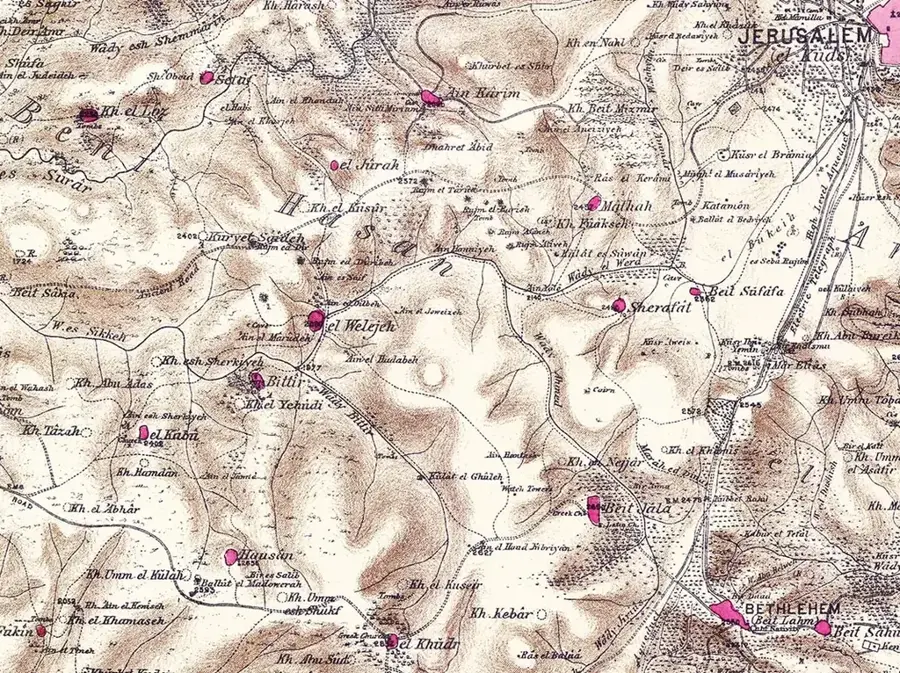
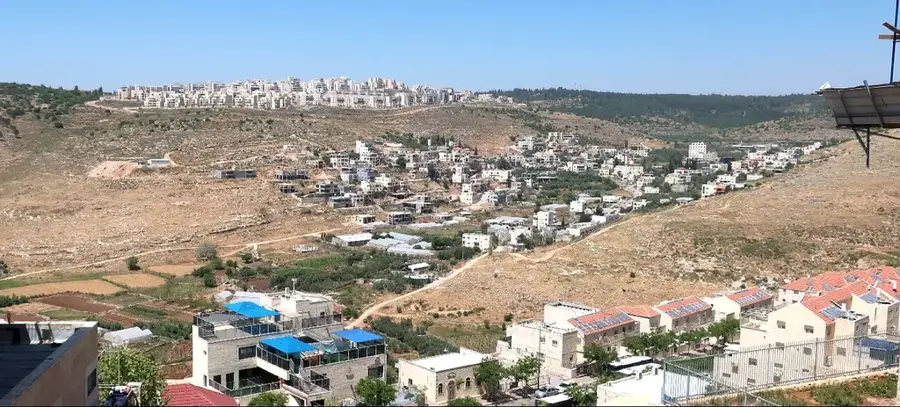
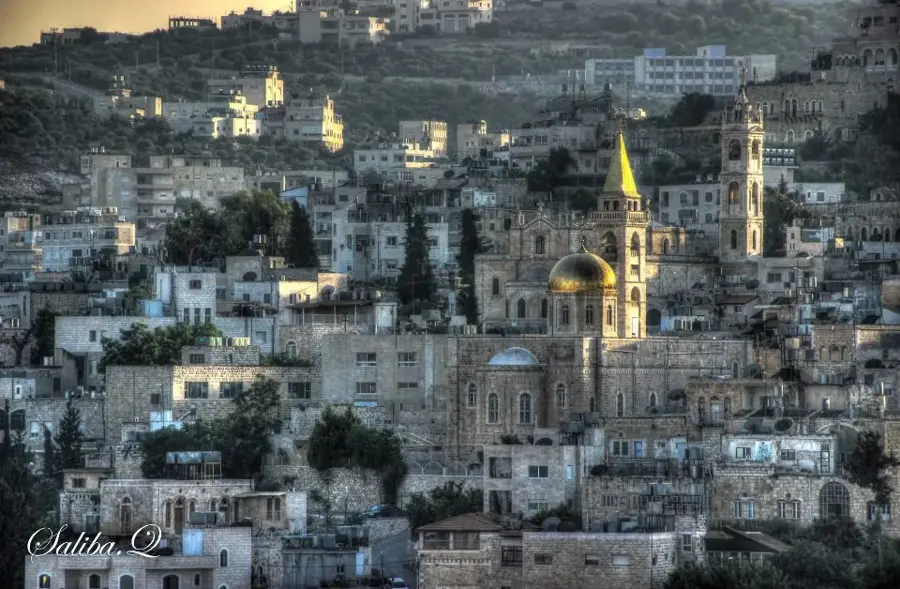
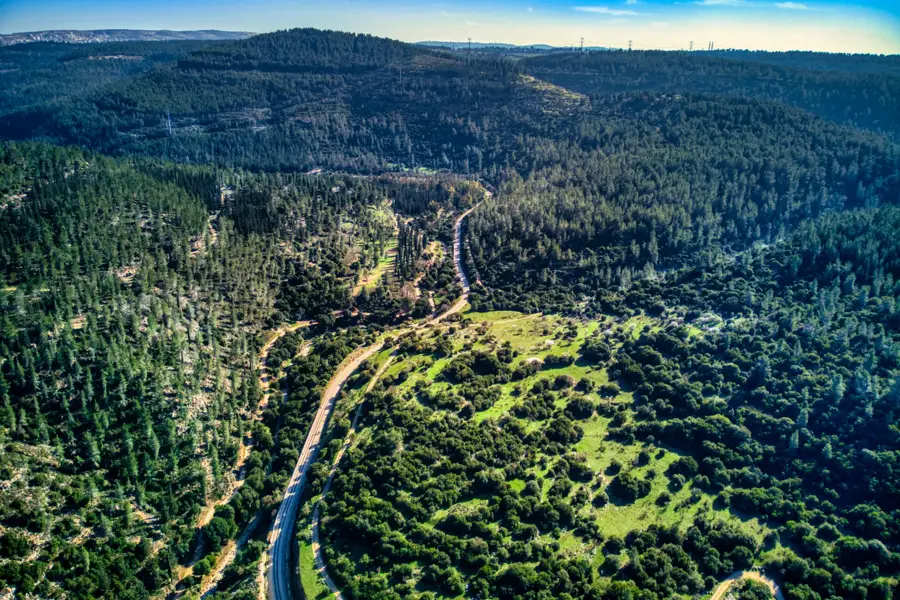
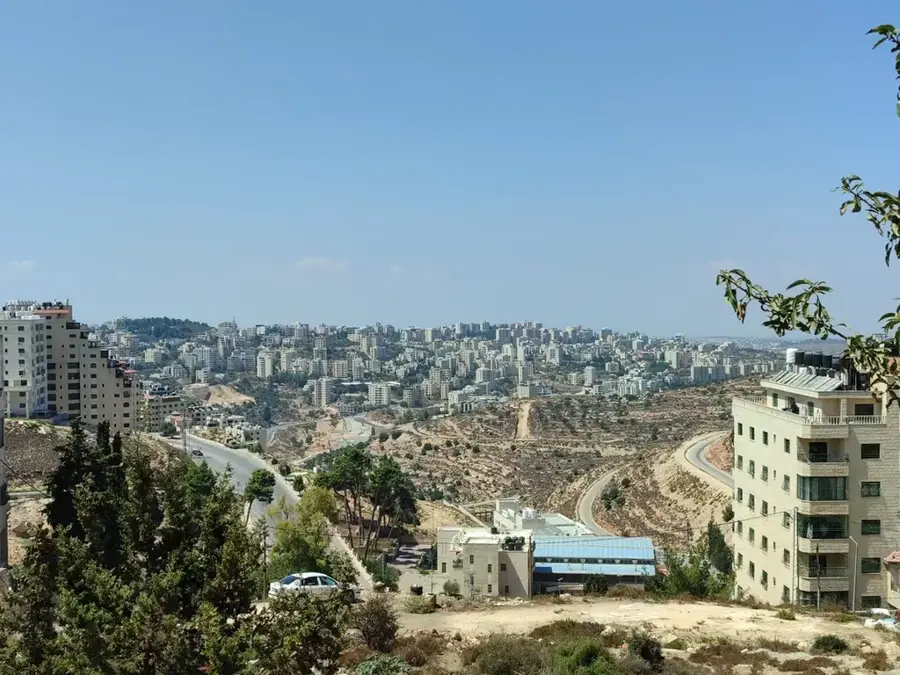
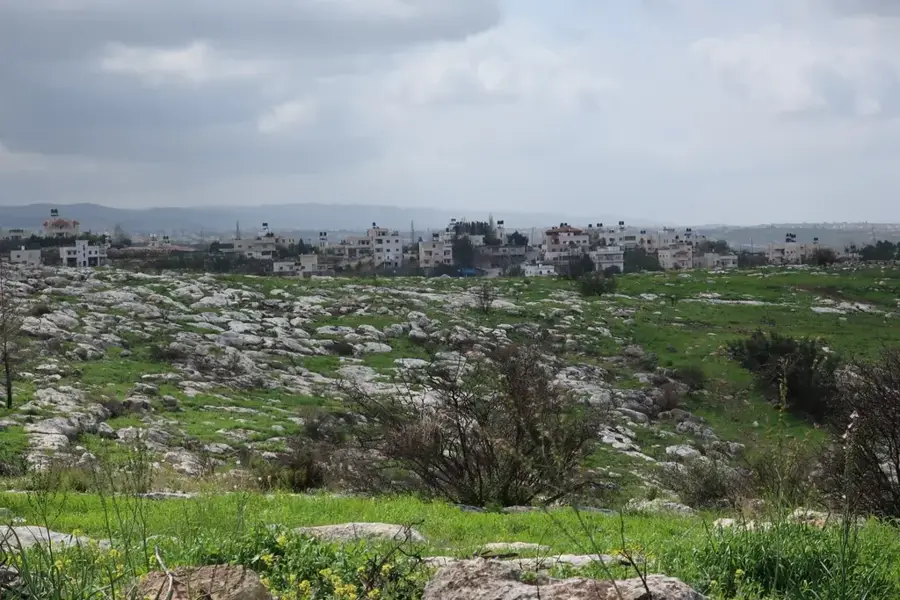
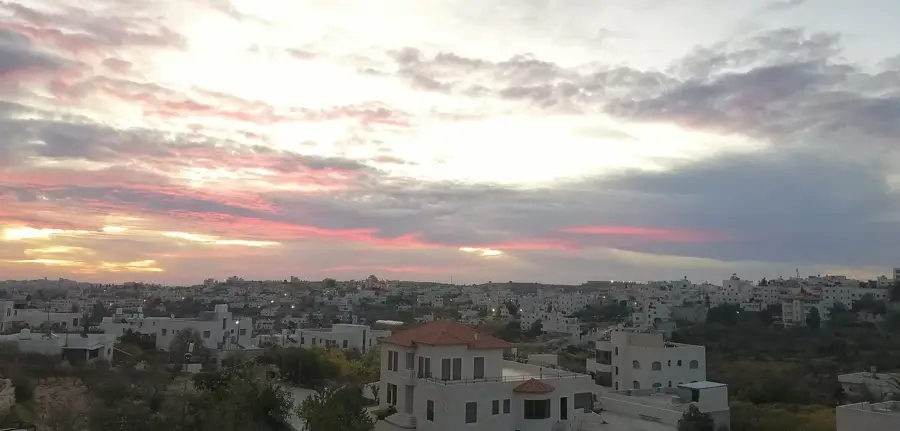
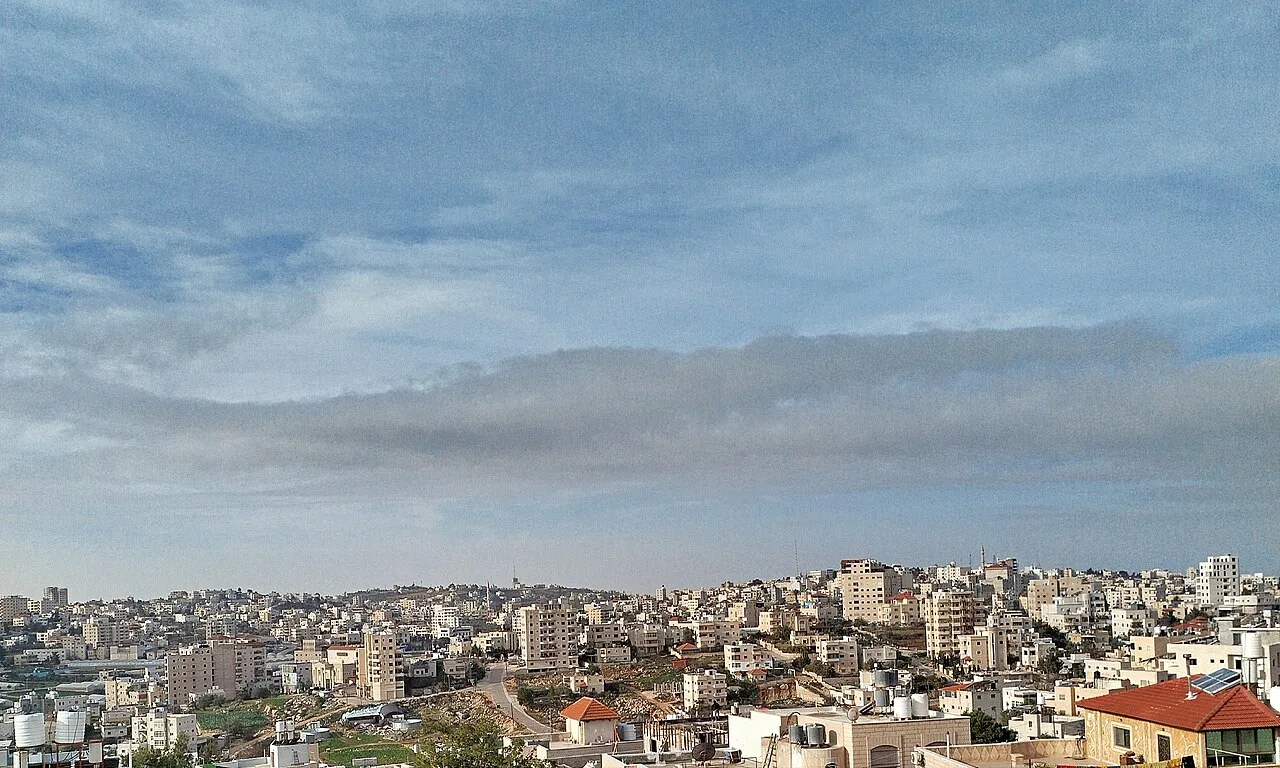
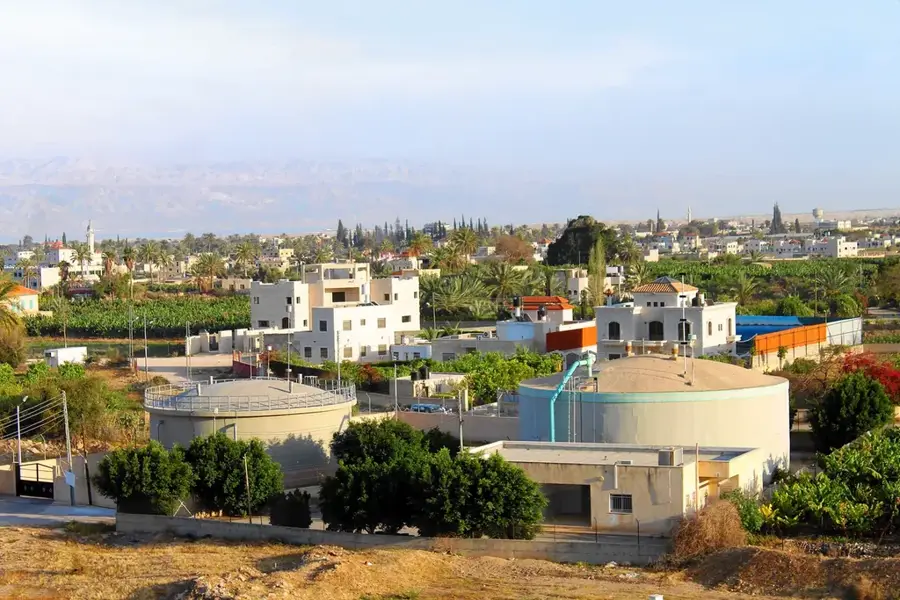
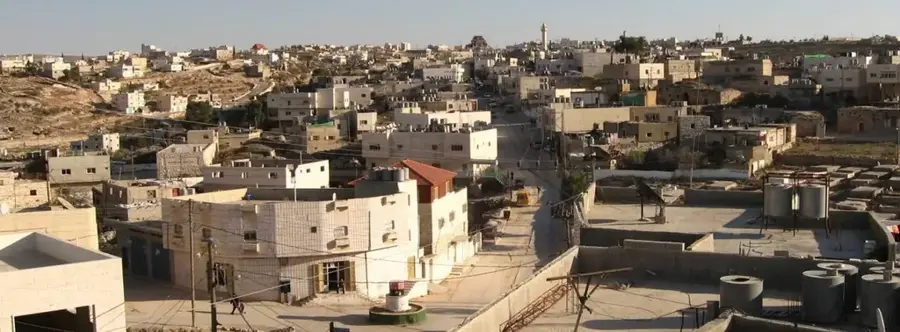
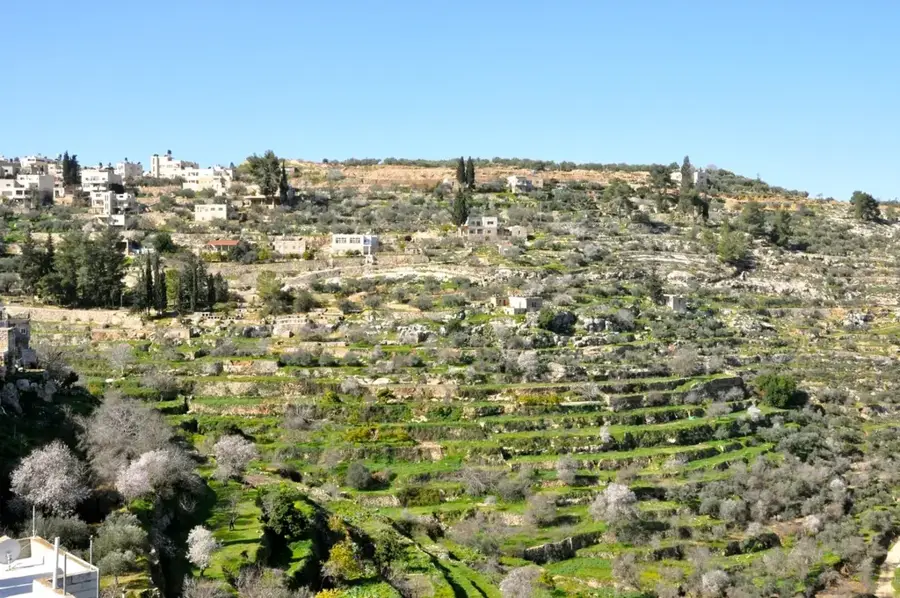
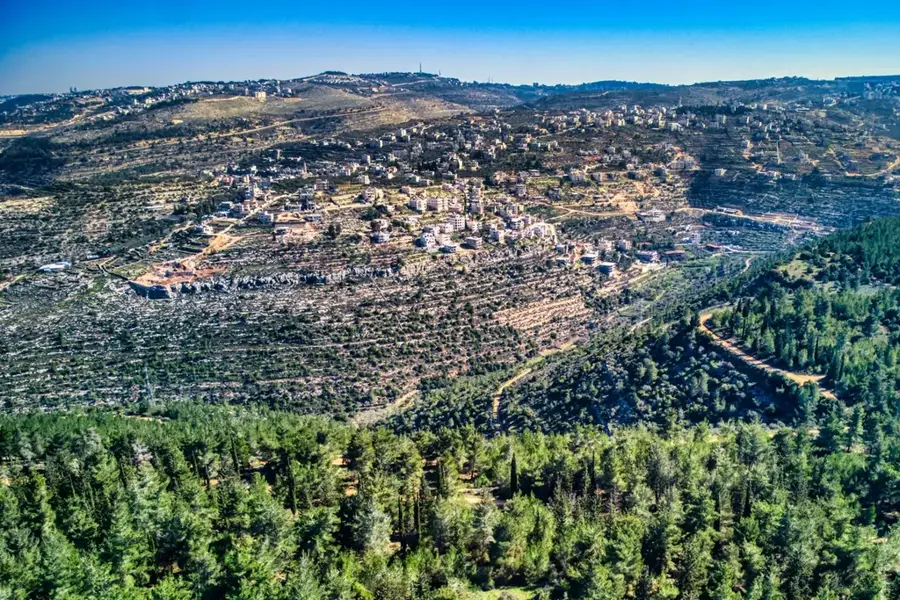
The cultural landscape of Battir, located southwest of Bethlehem, was designated a UNESCO World Heritage site in 2014 in recognition of its extraordinary agricultural and historical significance. At its core are the thousands of hand-built dry-stone terraces that cascade down the steep hillsides, supported by walls constructed without mortar over several millennia. Central to this landscape's survival is an ancient irrigation system, likely dating back to the Roman era, which utilizes a complex network of stone channels to distribute spring water across the fields. This communal water management tradition remains active today, with families adhering to a strict historical schedule. The terraces are primarily dedicated to the cultivation of olives and grapes, which have defined the region's diet and economy for generations. Beyond its agricultural utility, Battir serves as a vital ecological sanctuary, with its stone structures providing a habitat for diverse endemic flora and fauna. The valley represents a profound harmony between human ingenuity and the natural environment, preserved as a living testament to Palestinian agrarian heritage.

Best time to visit & climate

The most pleasant time to visit is Apr, May, Oct.

JanFebMarAprMayJunJulAugSepOctNovDec
Avg °C101215182225272725221712
Rain mm5942271540102123148

📋 Practical info

🧭
Getting there
The terraces are typically reached by traveling from nearby Bethlehem or Jerusalem using regional roads or local taxis; the village of Battir itself serves as the primary starting point for exploring this ancient agricultural site.
📅
Best season
The spring season is exceptionally beautiful when the terraces are verdant and blooming, while the autumn months offer a pleasant climate for long walks along the historic irrigation channels and ancient pathways.
⛰️
Terrain & paths
The landscape comprises steep, man-made stone terraces carved into the hillsides; the walking paths can be narrow and sometimes incorporate ancient stone steps, requiring a moderate level of agility and careful footing.
🎒
What to bring
Comfortable, closed-toe walking shoes are highly recommended for navigating the stone steps and dirt paths; additionally, bringing sun protection, a camera for the striking views, and plenty of water is generally advised for comfort.
🅿️
Parking
Visitors typically park their vehicles in the central areas of Battir village or near the designated trailheads, where formal parking spaces may be limited but local residents are accustomed to guiding tourists to suitable spots.
⚠️
Safety
Travelers should be respectful of the active agricultural practices and avoid walking on delicate ancient walls; standard precautions regarding heat exposure apply, and keeping to established paths ensures both personal safety and preservation.
⏱️
Time needed
A comprehensive walk to admire the ingenuity of the terraces, explore the spring networks, and enjoy the tranquil village atmosphere generally occupies about two to three hours of a thoughtfully planned itinerary.

Geography

Coordinates
31.72250, 35.13280

Facts

  • Battir was named a UNESCO World Heritage site in 2014.
  • The irrigation system utilizes seven different springs.
  • Some stone walls on the terraces are 2,000 years old.
  • Primary crops include olives, grapes, and the famous Battir eggplant.
  • The settlement is located on the historic Jaffa-Jerusalem railway.
  • Water is distributed among families via a traditional time-sharing system.

Explore nearby

Notable places around
Route planner — Car & Motorhome

Where do you start? We build the route here, with stops and country notes along the way.

Vehicle
Only stops with (optional):

© OpenStreetMap contributors · OpenRouteService

Sights in the town Battir Cultural Landscape (3)

Al-Hadafeh water spring📍 landmark

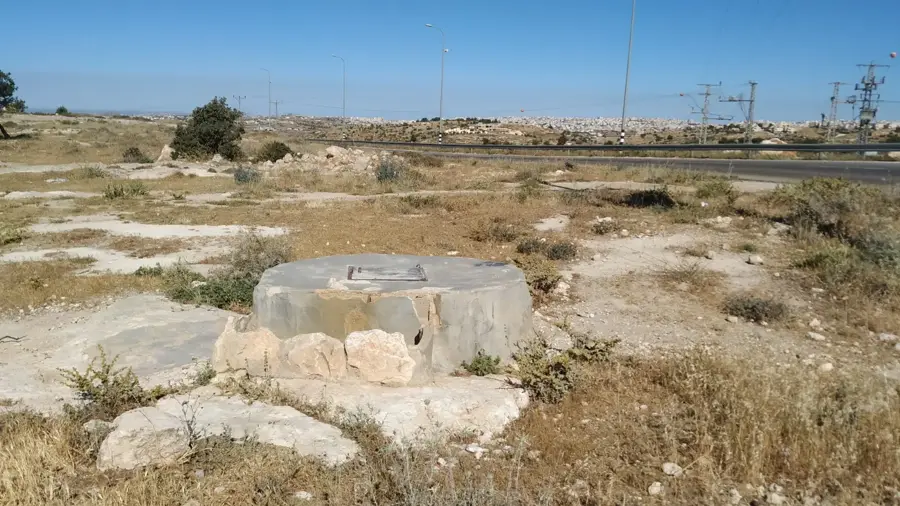
Al-Hadafeh water spring is a natural water source located in the palestine-battir-terraces-life-v2 area.

Ein Sapir📍 landmark

Ein Sapir is a refreshing natural spring found in the palestine-battir-terraces-life-v2 area.

Al-Hariq Mosque📍 landmark

The Al-Hariq Mosque is a Muslim place of worship situated in the palestine-battir-terraces-life-v2 area.

Sights nearby

Frequently asked questions

Why are the Battir terraces world-famous?
They are a UNESCO World Heritage site, famous for their millennial irrigation system.
What is the best way to explore Battir?
On foot along the old hiking trails that lead through the terraces.
Are there guided tours?
Yes, local guides provide excellent insights into the agriculture.
Is it a family-friendly destination?
Yes, the paths are usually easy and very educational for children.
When is the harvest time?
The main season is in late summer and autumn.
Battir Cultural Landscape: where is it located?
Battir Cultural Landscape is located in Palestinian Territories.
Battir Cultural Landscape: what is there to see?
Highlights include Al-Hadafeh water spring, Ein Sapir, Al-Hariq Mosque.
Battir Cultural Landscape: when is the best time to visit?
The most pleasant time to visit is Apr, May, Oct.
Battir Cultural Landscape: why is it worth visiting?

The cultural landscape of Battir, located southwest of Bethlehem, was designated a UNESCO World Heritage site in 2014 in recognition of its extraordinary agricultural and historical significance.
View on map → The Top 50 Attractions → OpenStreetMap →
Asia
Explore with Plizio Discover more places in Asia
More places in Palestinian Territories →

Nearby cities

History & landmarks