Plizio Visual Lab

Wadi el-Far'a
Plizio editorial teamData Sources
valley
—°4
Wadi el-Far'a (Palestinian Territories)

Weather…

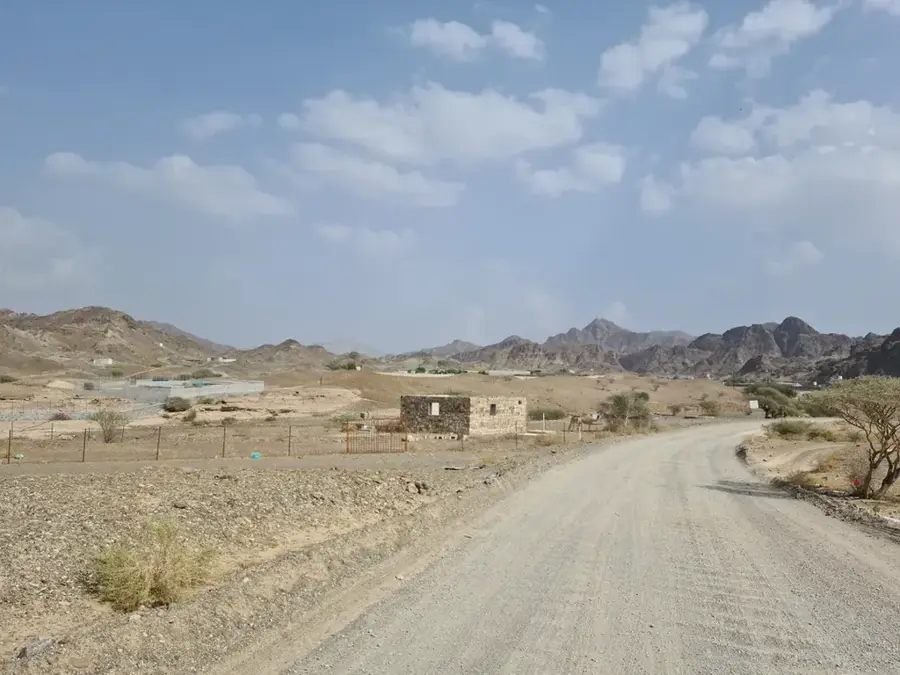
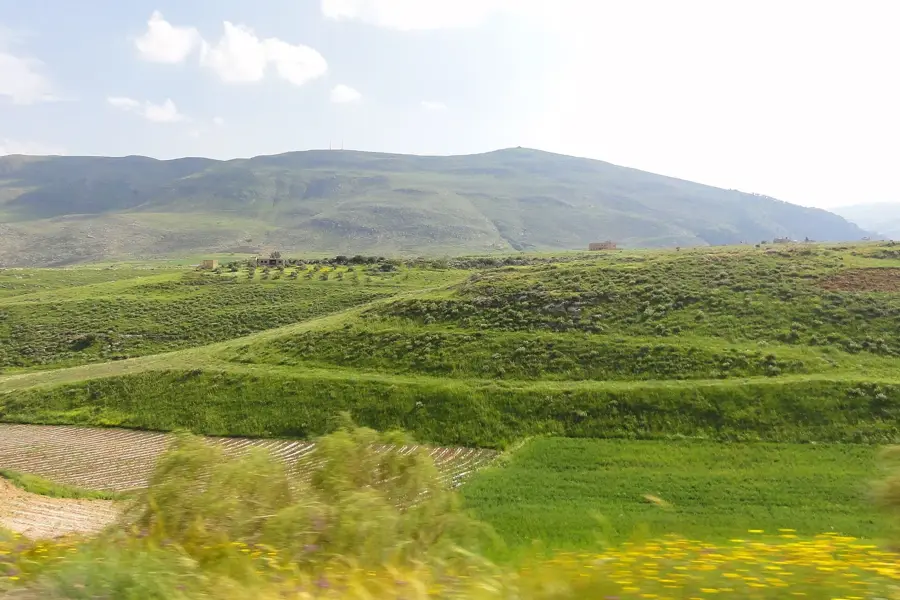
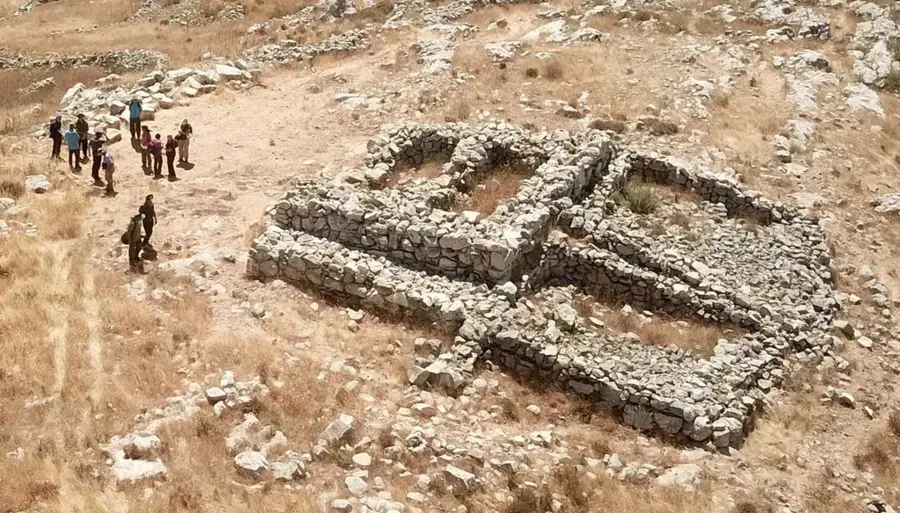
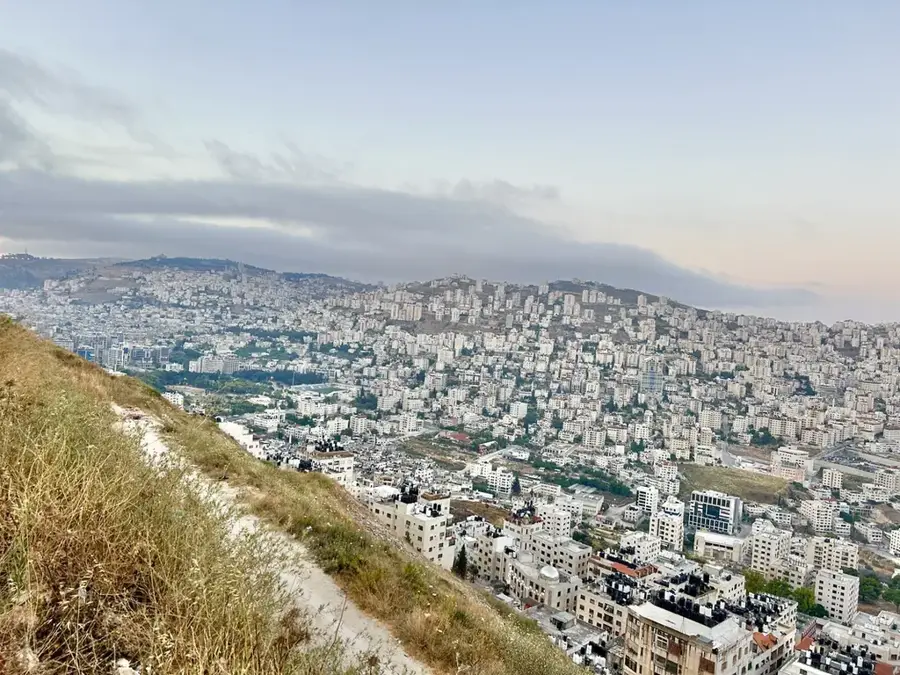
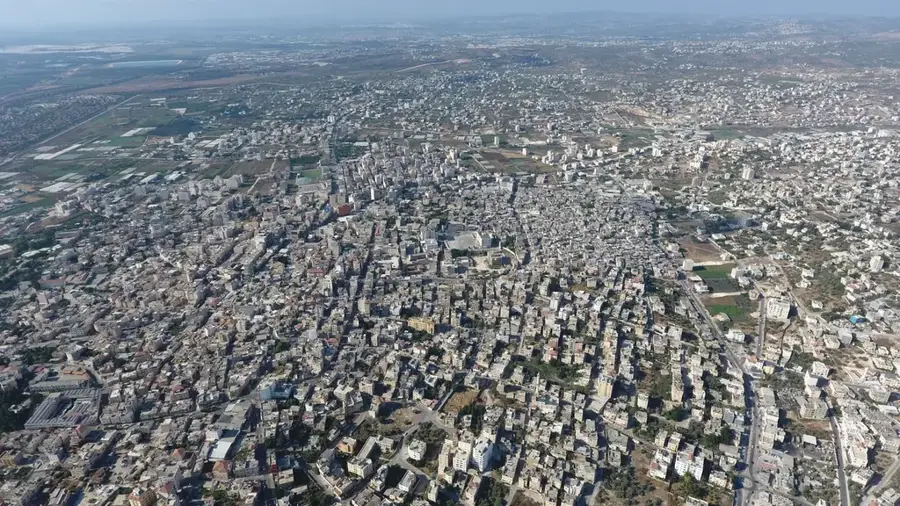
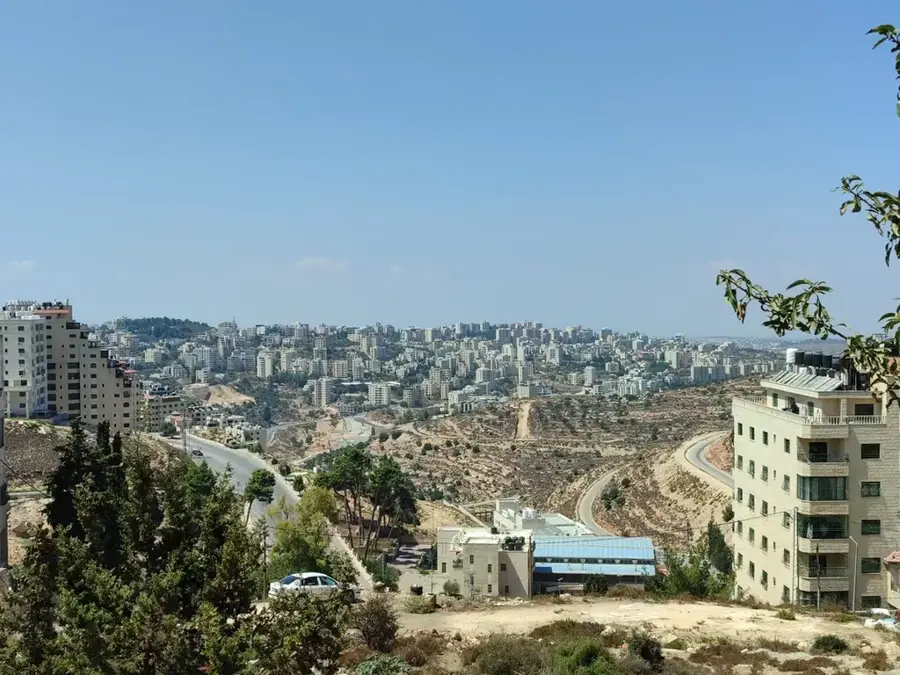
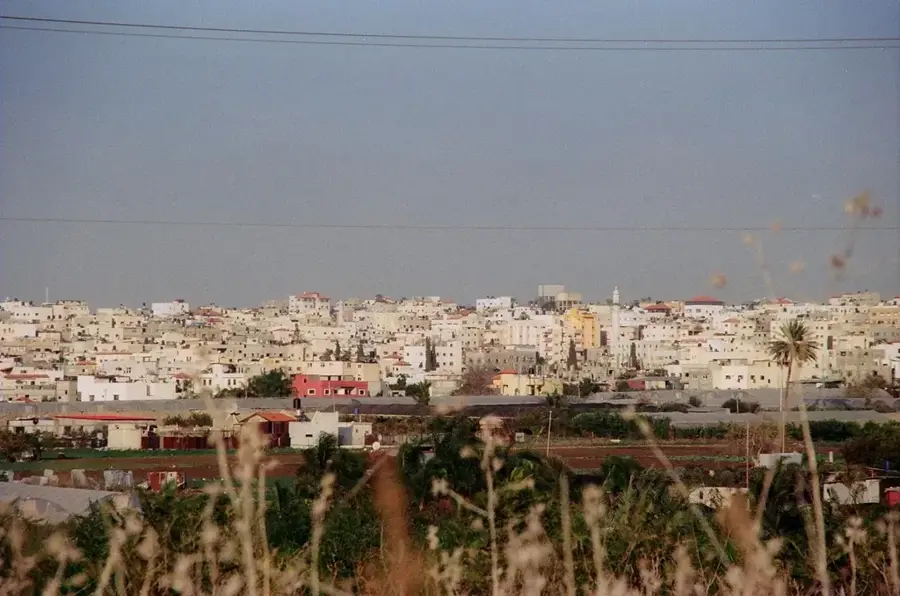
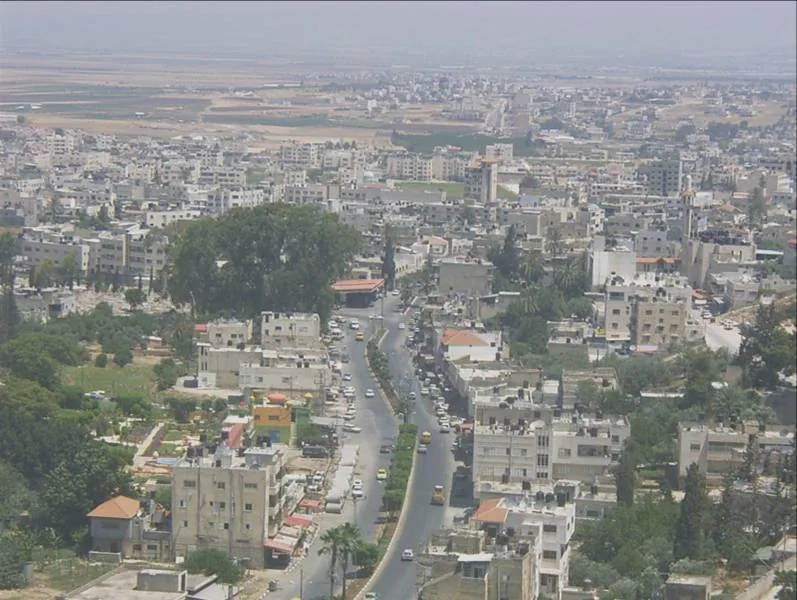
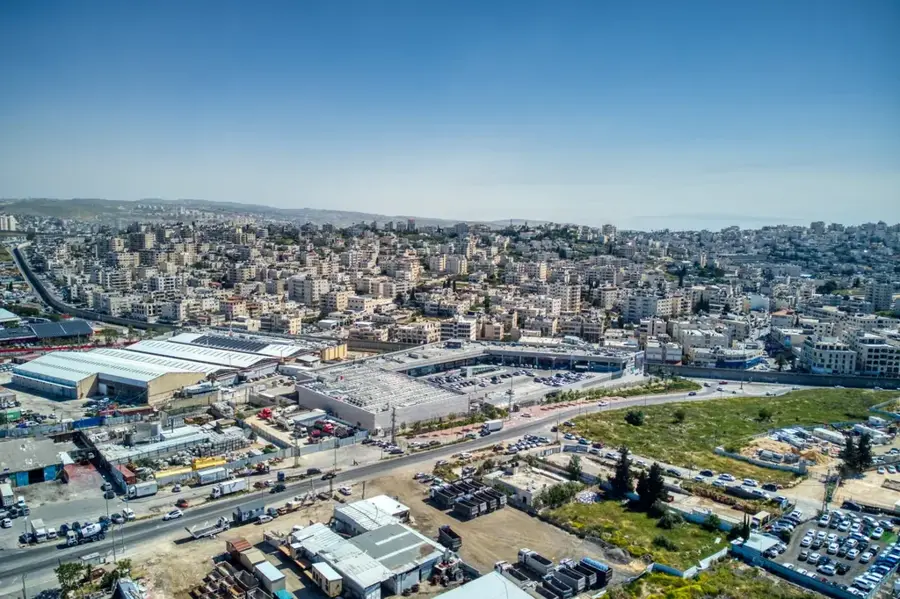
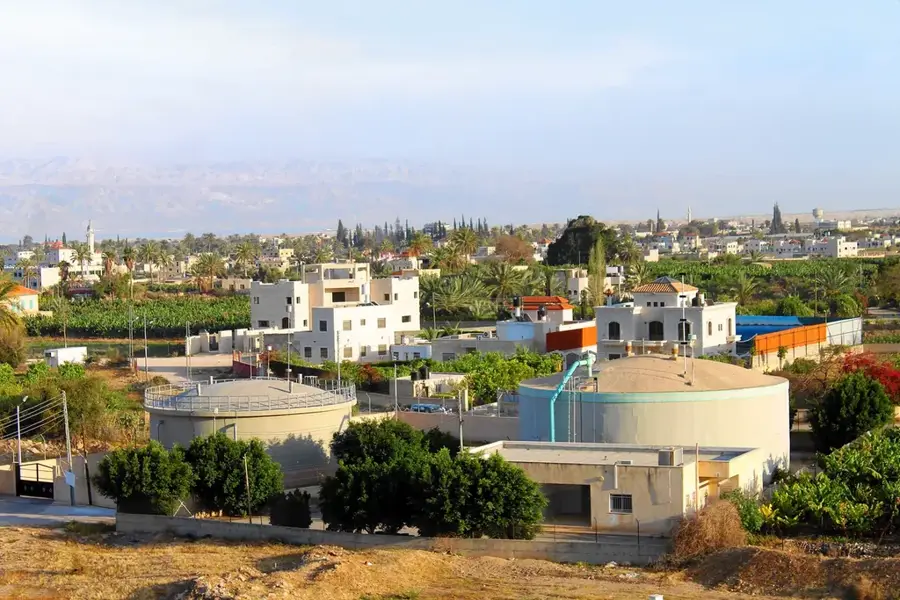
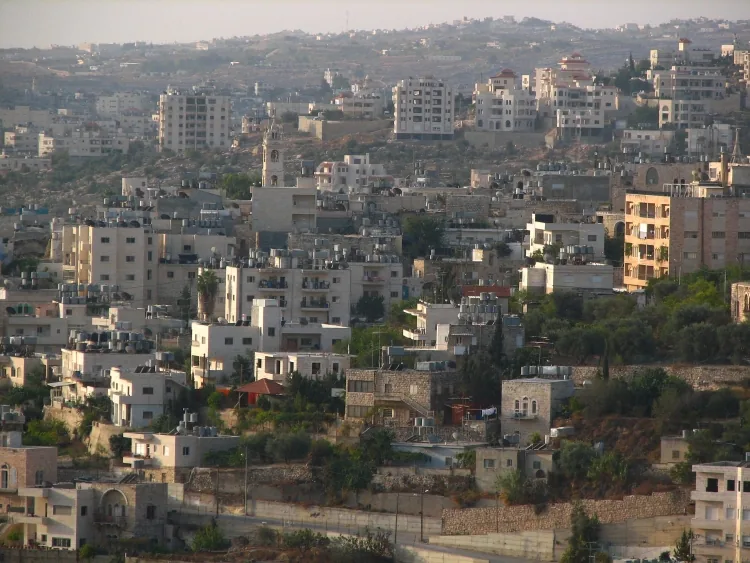
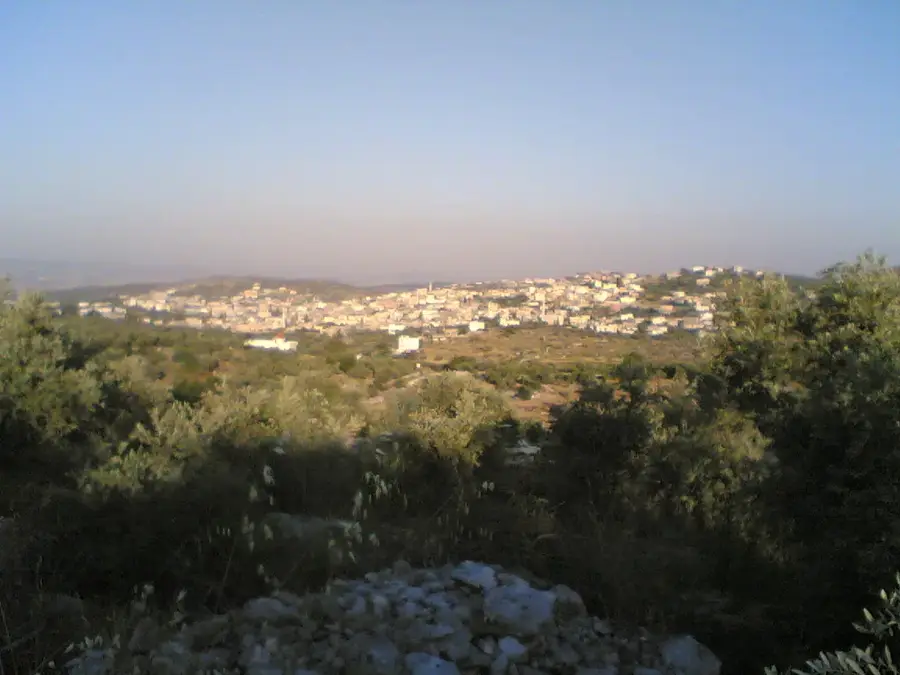
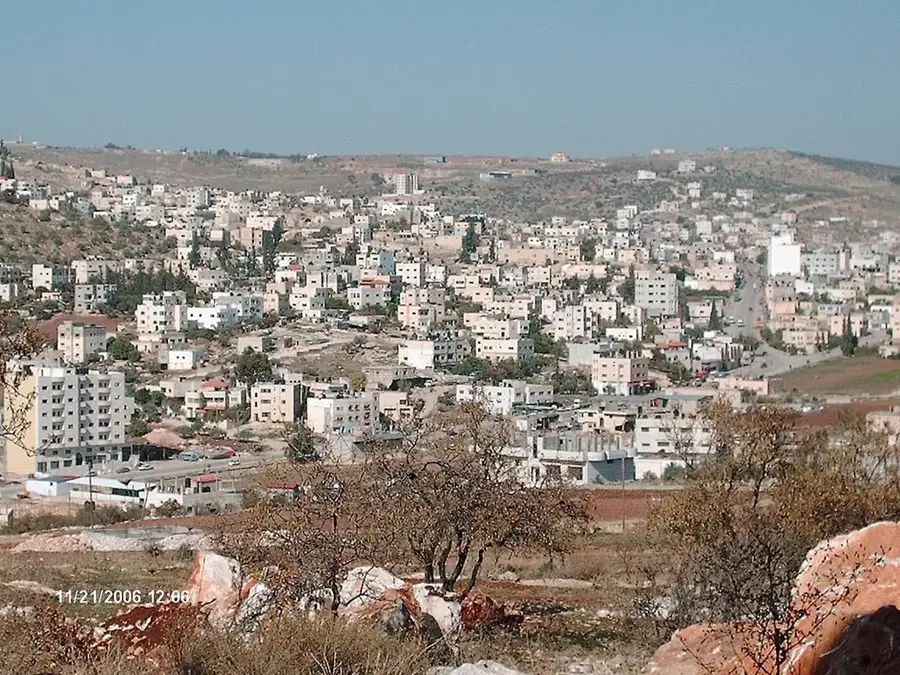
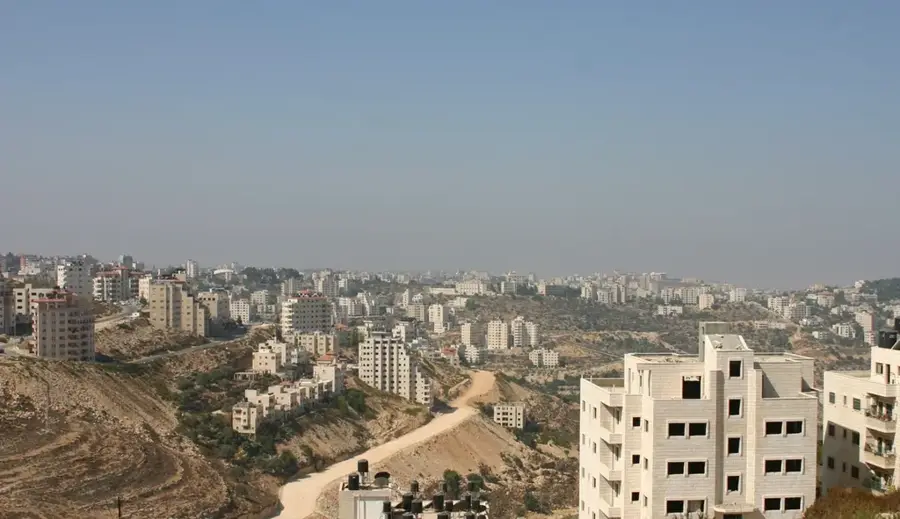
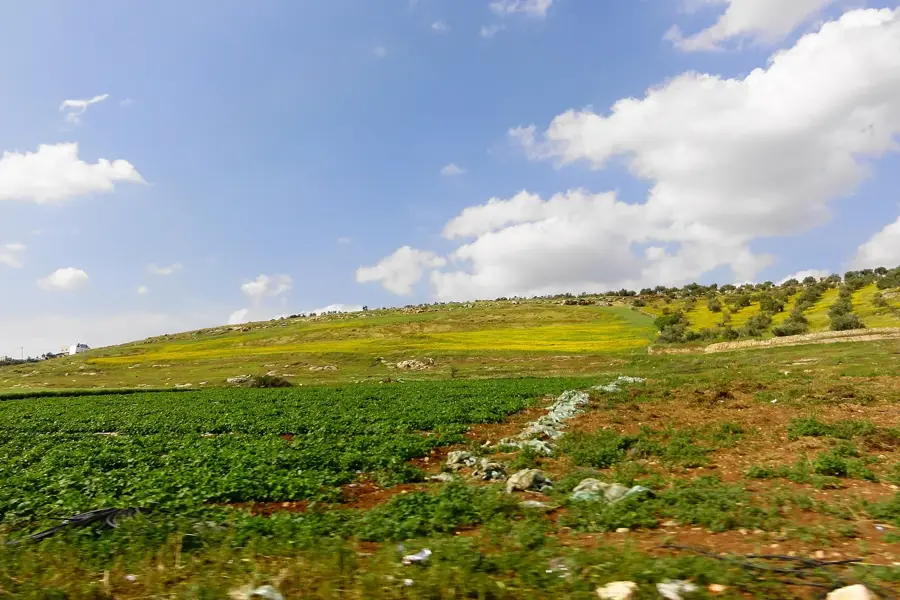
Wadi el-Far'a is one of the most water-rich and fertile valleys in the West Bank, stretching from the highlands near Nablus down to the Jordan Valley. Fed by several permanent springs, the wadi sustains an intensive agricultural belt that produces much of the region's citrus, bananas, and vegetables. Its historical importance is immense, as the valley contains archaeological sites like Tell el-Far'ah, widely identified with the ancient biblical city of Tirzah. Beyond its economic role, the valley acts as a crucial natural corridor for wildlife and migratory birds moving between the highlands and the rift valley. The lush greenery of the wadi floor provides a stark and beautiful contrast to the surrounding arid mountains, making it a popular destination for hikers and nature enthusiasts. Exploring Wadi el-Far'a features a unique perspective on traditional Palestinian farming techniques and the critical role of water management in this historically contested landscape.

Best time to visit & climate

The most pleasant time to visit is Apr, May, Oct.

JanFebMarAprMayJunJulAugSepOctNovDec
Avg °C111215192327292927241813
Rain mm9379402061012124079

📋 Practical info

🧭
Getting there
This expansive, water-rich valley is typically traversed by following the winding regional roads that descend from the Nablus highlands towards the lower Jordan Valley. It serves as a natural corridor, meaning visitors can access various sections of the valley directly from the main route connecting these two distinct geographic zones.
📅
Best season
Spring is an exceptional time to explore the valley, as the seasonal rains create a lush, thriving environment filled with spirited agricultural activity. Early autumn is also highly recommended, offering milder weather that is perfectly suited for appreciating the dramatic transition from the cool highlands to the warmer valley floor.
⛰️
Terrain & paths
The valley features a diverse topography that ranges from relatively flat, heavily cultivated agricultural lands to steeper, rocky slopes along its edges. While much of the central area is easily walkable along established dirt tracks, exploring the upper margins requires navigating more challenging, uneven, and stony terrain.
🎒
What to bring
Versatile walking shoes are convenient, as you may transition between soft agricultural soils and harder, rocky trails during your exploration. Because the climate changes significantly as you descend toward the Jordan Valley, dressing in removable layers is highly advised to maintain comfort throughout the day.
🅿️
Parking
Visitors usually find informal parking spots along the wider shoulders of the main road or near the small agricultural settlements scattered throughout the valley. It is important to ensure that parked vehicles do not obstruct the heavy movement of local farming equipment or the regular flow of regional traffic.
⚠️
Safety
When walking through the lower sections, visitors should remain aware of their surroundings, particularly concerning the presence of working agricultural machinery. Additionally, as the wadi channels significant water from the highlands, one should be cautious of sudden water flow increases following heavy rains in the distant mountains.
⏱️
Time needed
Driving through and making selected stops to admire the lush landscapes and natural water features usually takes around two to three hours. For those who choose to undertake a longer hike along the valley floor to observe the diverse ecosystems, the visit can easily encompass an entire half-day.

Geography

Coordinates
32.29000, 35.35000

Facts

  • It is the largest tributary of the lower Jordan River
  • The wadi stretches for approximately 25 kilometers
  • Over 10 springs emerge within the valley's limits
  • Neolithic settlement remains have been discovered here
  • The region produces 30% of the West Bank's vegetables
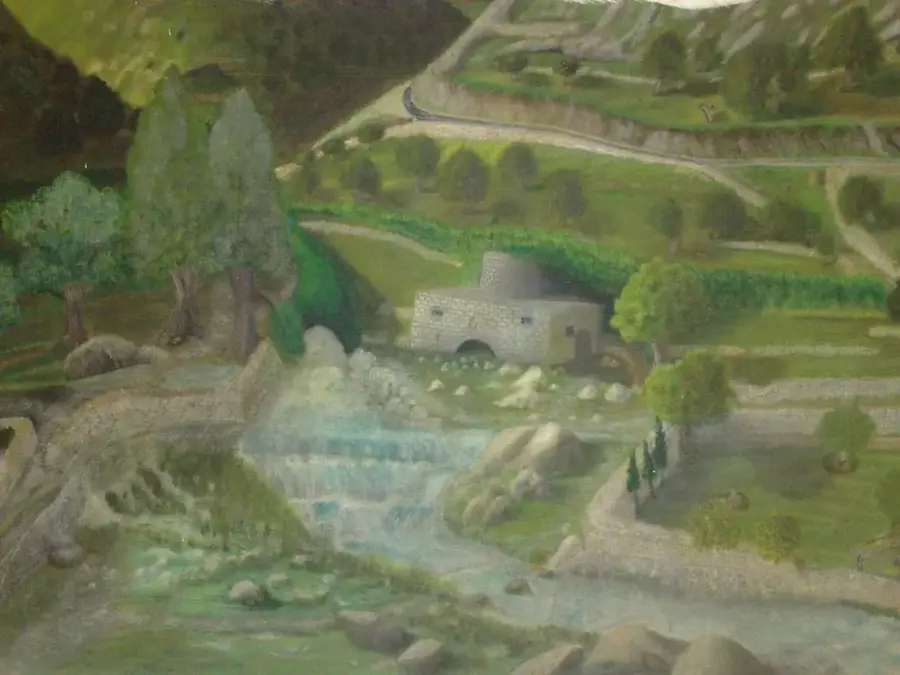
  • Ancient mill ruins are found along the watercourse

Explore nearby

Notable places around
Route planner — Car & Motorhome

Where do you start? We build the route here, with stops and country notes along the way.

Vehicle
Only stops with (optional):

© OpenStreetMap contributors · OpenRouteService

Sights in the town Wadi el-Far'a (4)

Yabous Youth Museum🏛 museum

A local museum in Wadi el-Far'a focused on preserving the cultural heritage of Palestinian youth.

Saladin Castle🏰 castle

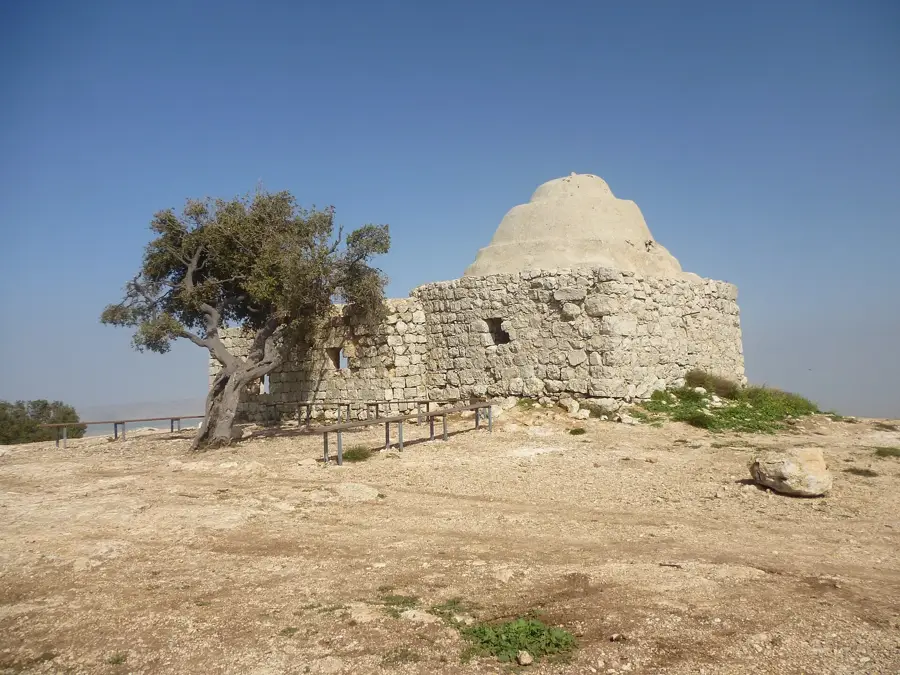
The ruins of a medieval fortification erected to defend the valley during the era of Saladin.

Al-Rabat Mosque📍 landmark

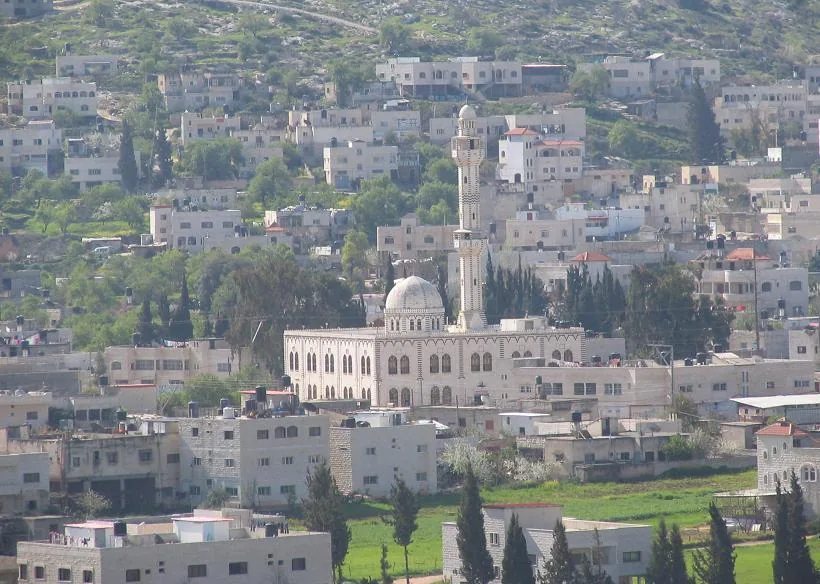
A significant local mosque in Wadi el-Far'a, serving as a religious center for the community.

Abu Bakr Al-Siddiq Mosque📍 landmark

A Muslim place of worship in the heart of Wadi el-Far'a, named after the first caliph, Abu Bakr.

Sights nearby

Frequently asked questions

What makes Wadi el-Far'a special?
It is known for its natural springs and agricultural terraces.
Can one hike there?
Yes, there are beautiful paths through the green valley.
When is the best time for a visit?
Spring features the most lush vegetation.
Is the valley family-friendly?
Easy walks are suitable for families, difficult trails less so.
Are there places to eat there?
No, bring sufficient food and water.
Wadi el-Far'a: where is it located?
Wadi el-Far'a is located in Palestinian Territories.
Wadi el-Far'a: what is there to see?
Highlights include Yabous Youth Museum, Saladin Castle, Al-Rabat Mosque.
Wadi el-Far'a: when is the best time to visit?
The most pleasant time to visit is Apr, May, Oct.
Wadi el-Far'a: why is it worth visiting?

Wadi el-Far'a is one of the most water-rich and fertile valleys in the West Bank, stretching from the highlands near Nablus down to the Jordan Valley.
View on map → The Top 50 Attractions → OpenStreetMap →
Asia
Explore with Plizio Discover more places in Asia
More places in Palestinian Territories →

Nearby cities

History & landmarks