Plizio Visual Lab
Beit Jala
ℹ️Practical info — Beit Jala
▾
🌤 Weather — 5 days
📍 Nearby
Sights nearby
💡 Tips
- Be prepared for steep, hilly streets; comfortable walking shoes are a must for exploring the town.
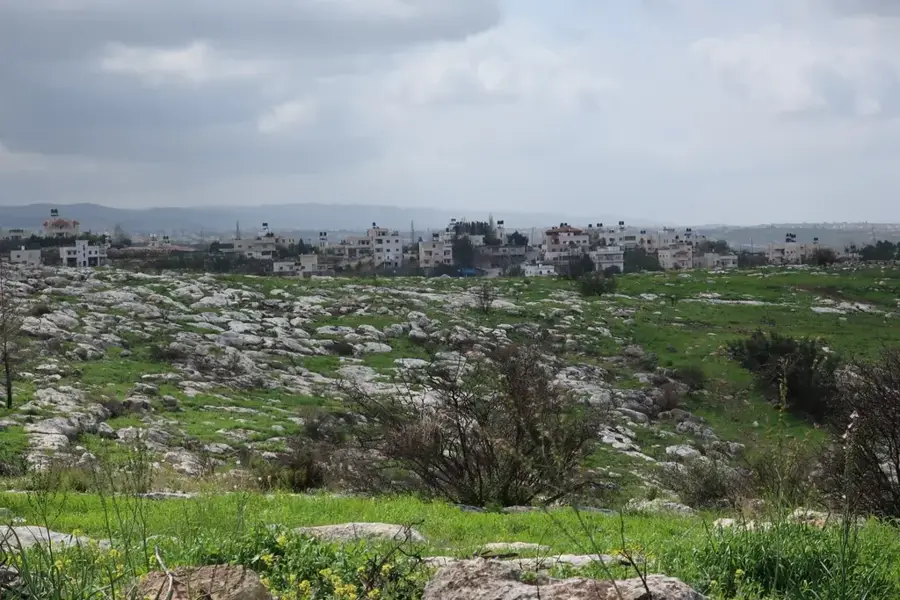
- Combine your visit to Beit Jala with a walk through the nearby Makhrour Valley for remarkable agricultural scenery.
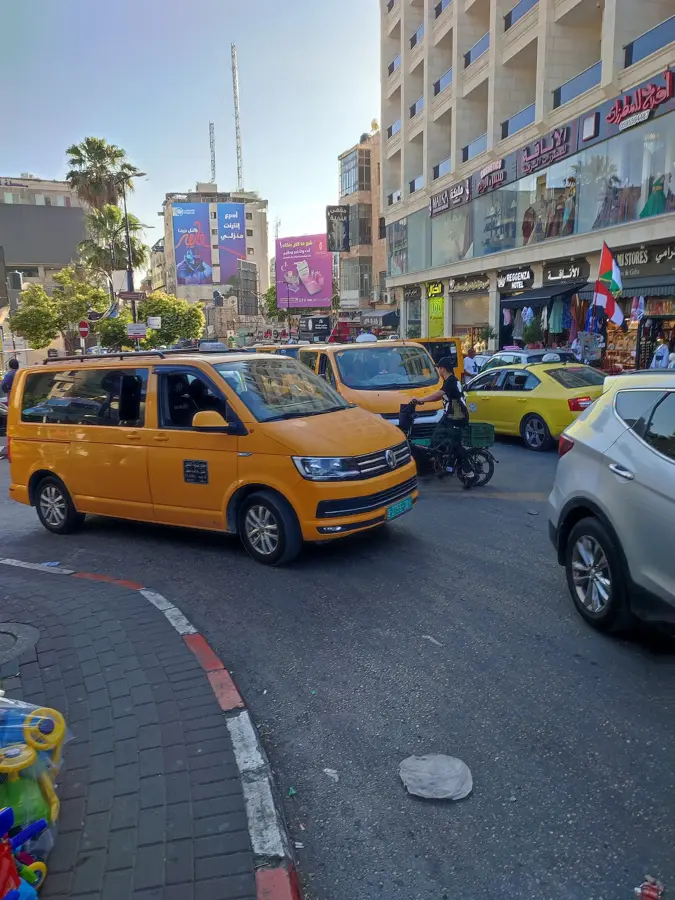
- Taxis are easily available to zip back and forth to neighboring Bethlehem, often just a short ride away.
- Try to visit during the autumn olive harvest to witness the local families pressing some of the region's best oil.
🍽 Food
Try fresh taboon bread topped with za'atar at traditional bakeries near the central square.
Taste local wines produced at the historic Cremisan Monastery, situated on the terraced hills.
Enjoy dishes drizzled with the famous local olive oil, and fresh apricots during early summer.
🛍 Shopping · 🧘 Quiet spots
During autumn, buy freshly pressed, premium olive oil directly from the local mills.
Local artisan workshops sell hand-carved olive wood crafts and religious items.
A serene location offering peaceful terraced gardens and lovely valley views.
The beginning of the hiking trail features a calm escape into nature with ancient olive trees.
Water temperature…
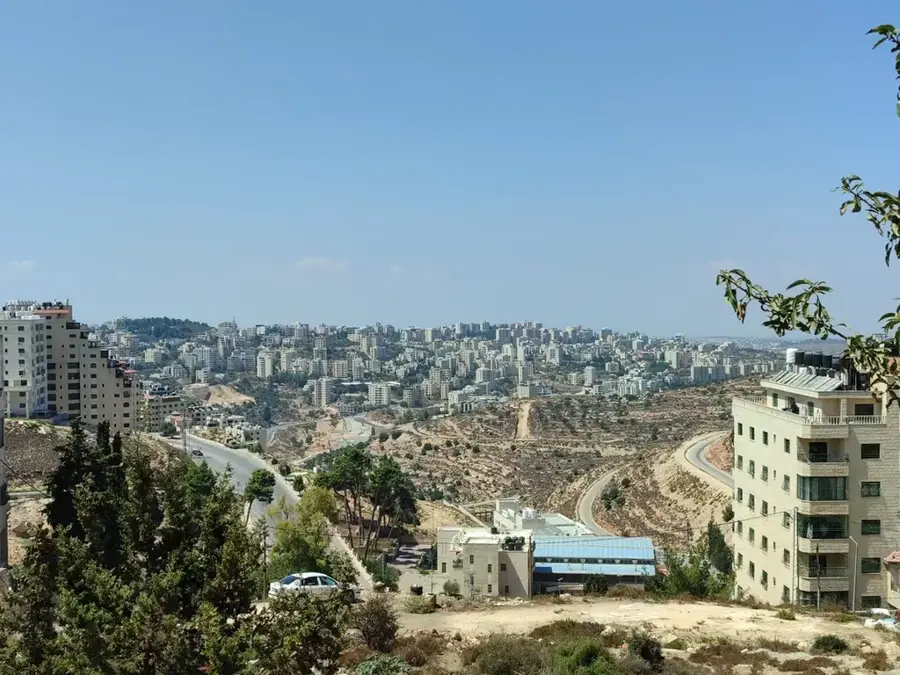
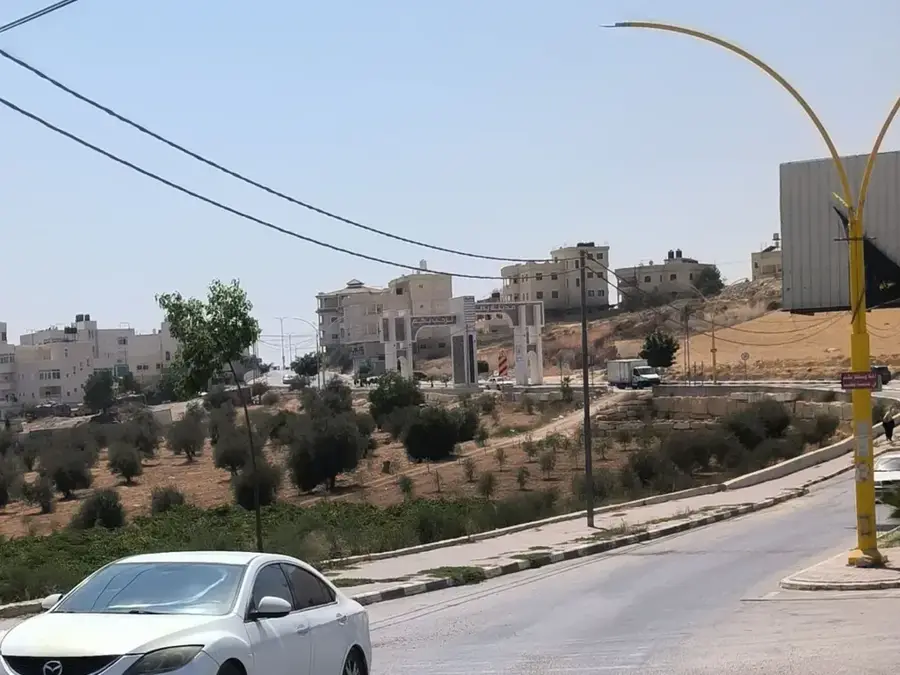
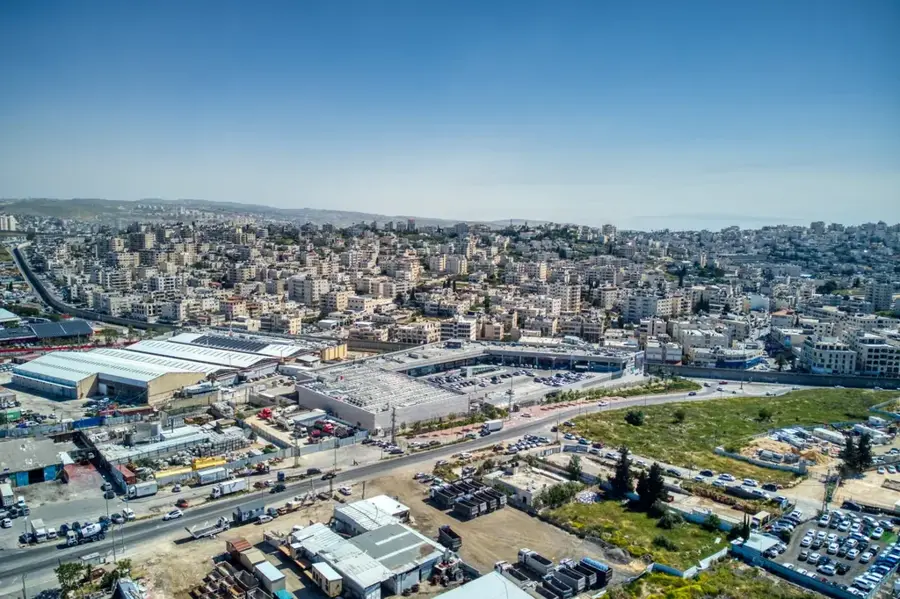
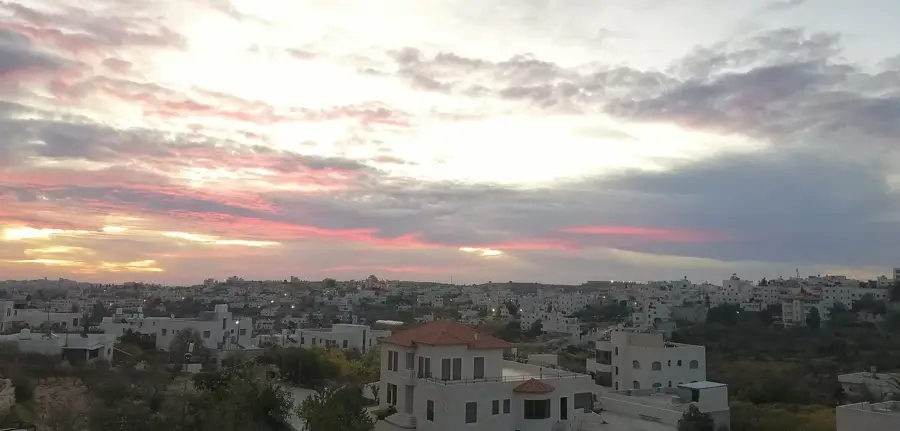
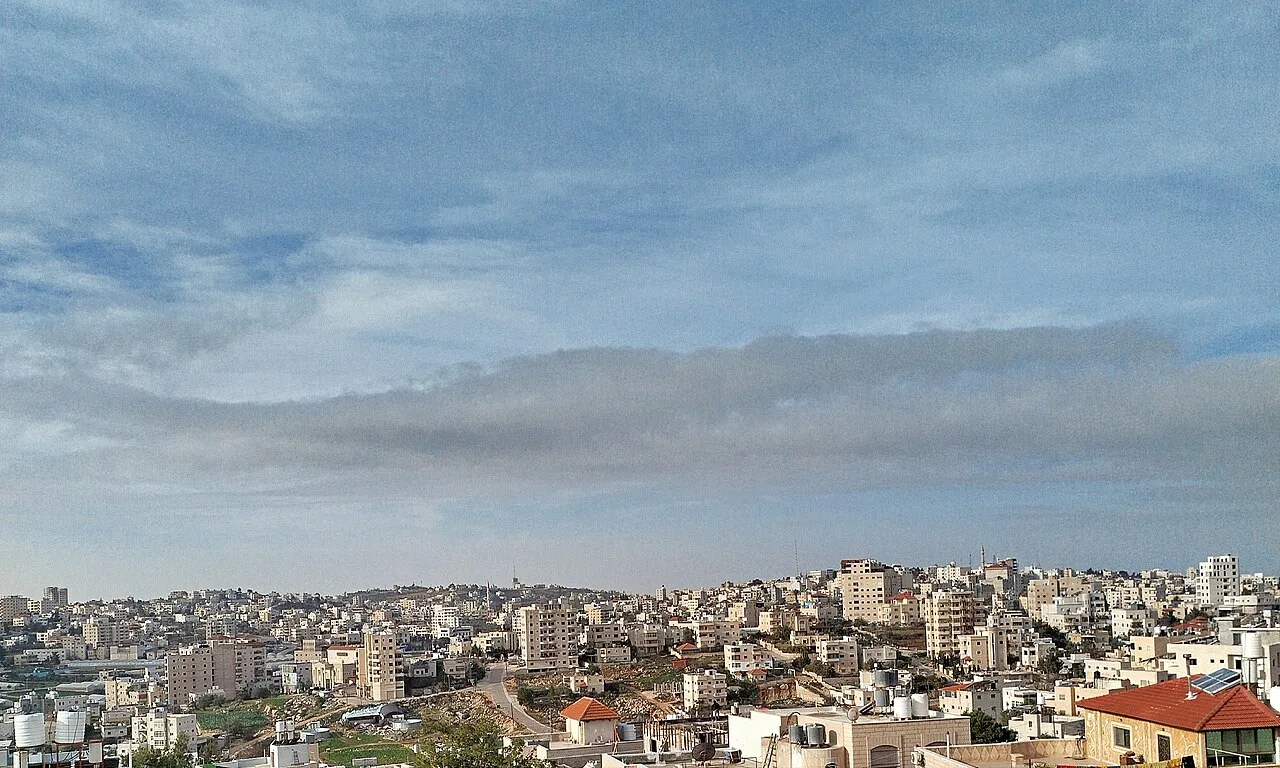
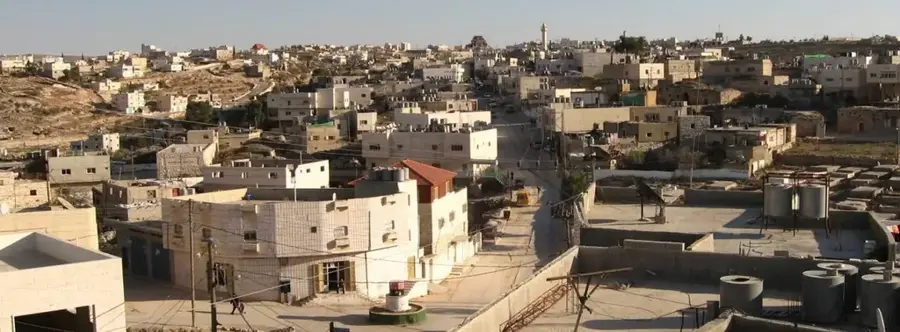
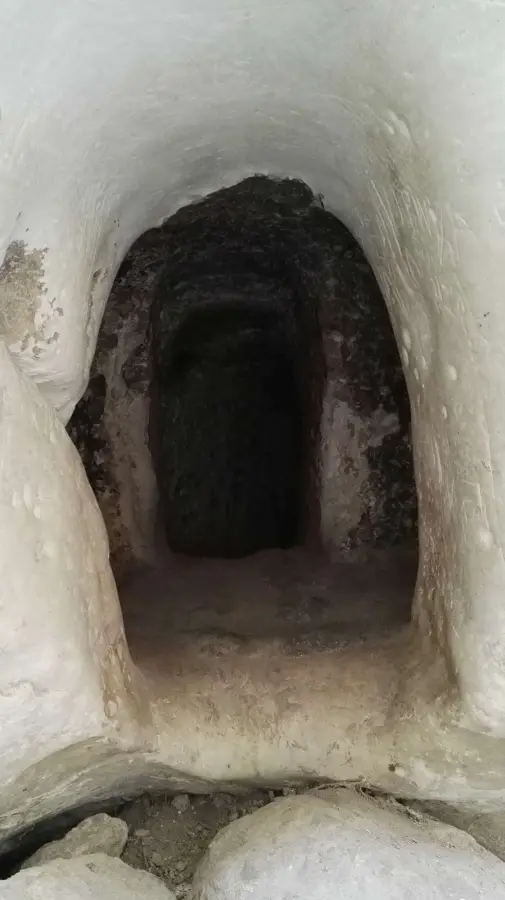
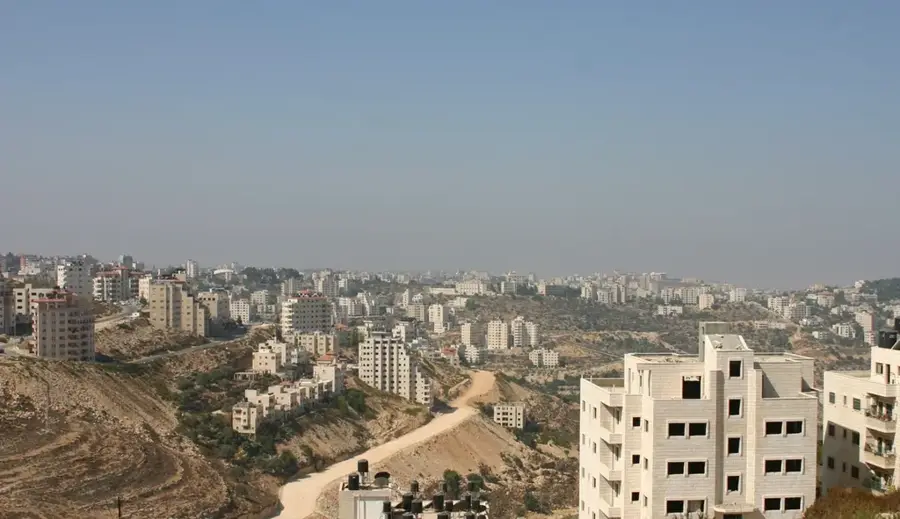
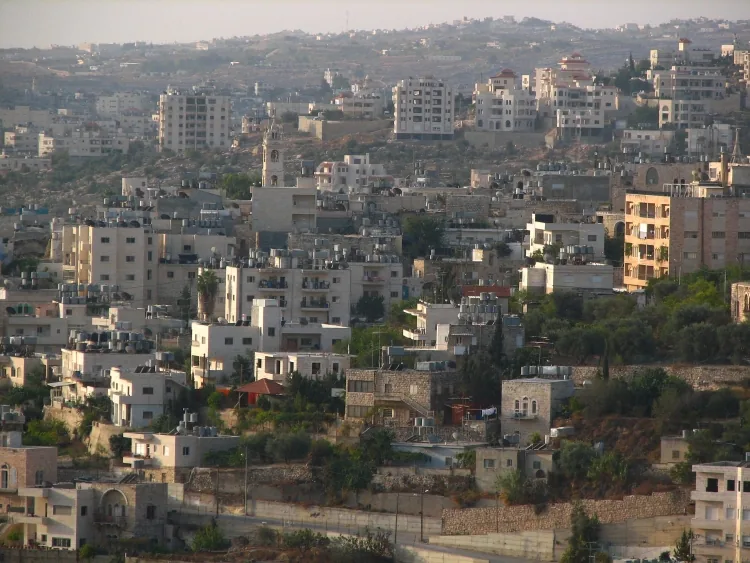
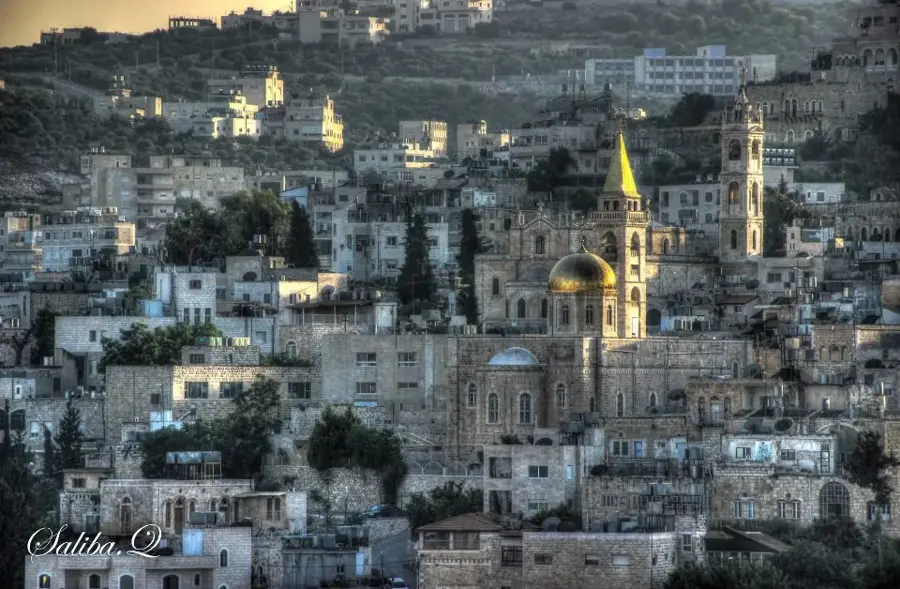
Beit Jala is a historic town in the West Bank, beautifully situated on the hills overlooking Bethlehem to the east and the Mediterranean coastal plain to the west. It is renowned as one of the oldest Christian communities in the region, with a heritage that dates back to the Byzantine era. The town is dominated by the majestic St. Nicholas Church, built over a cave where Saint Nicholas of Myra is said to have resided during his stay in the Holy Land. Beit Jala is globally famous for its premium olive oil, produced from ancient, terraced olive groves that have been tended by local families for generations. Agriculture remains a cornerstone of the local identity, complemented by a strong emphasis on education, represented by institutions such as the Talitha Kumi Evangelical School. The town's architecture features traditional limestone buildings and narrow, winding streets that offer a glimpse into Palestinian daily life and hospitality. Despite the complex political landscape, Beit Jala continues to thrive as a center for olive wood handicrafts and cultural festivals, preserving its unique blend of spiritual significance and rural charm.
- Location: Palestinian Territories
- Top sights: Al-Harra Theater · St. Nicolas Church · Al_Kholafa' Al_rashideen Mosque
- Nearby: Beit Sahour (5 km)
- Population: ~16.183 (2023)
Best time to visit & climate
The most pleasant time to visit is Apr, May, Oct.
| Jan | Feb | Mar | Apr | May | Jun | Jul | Aug | Sep | Oct | Nov | Dec | |
|---|---|---|---|---|---|---|---|---|---|---|---|---|
| Avg °C | 10 | 12 | 15 | 18 | 22 | 25 | 27 | 27 | 25 | 22 | 17 | 12 |
| Rain mm | 59 | 42 | 27 | 15 | 4 | 0 | 1 | 0 | 2 | 12 | 31 | 48 |
Geography
Facts
- Historically inhabited by a Christian majority
- Famous for its premium quality olive oil
- Home to the Cremisan Monastery and Winery
- Elevation is approximately 825 meters above sea level
- Traditional center for stone-cutting industries
- The name likely derives from Aramaic for House of Grass
Explore nearby
Notable places around



Route planner — Car & Motorhome
Where do you start? We build the route here, with stops and country notes along the way.
© OpenStreetMap contributors · OpenRouteService
Sights in the town Beit Jala (6)
Frequently asked questions
How many days should I plan for Beit Dschala?
When is the best time to visit?
How can I best reach Beit Dschala?
Which local specialty should I try?
Is Beit Dschala family-friendly?
Beit Jala: where is it located?
Beit Jala: what is there to see?
Beit Jala: when is the best time to visit?
Beit Jala: why is it worth visiting?

Nearby cities