Plizio Visual Lab

Sebastia
Plizio editorial teamData Sources
ruins
—°10
Sebastia (Palestinian Territories)

Weather…

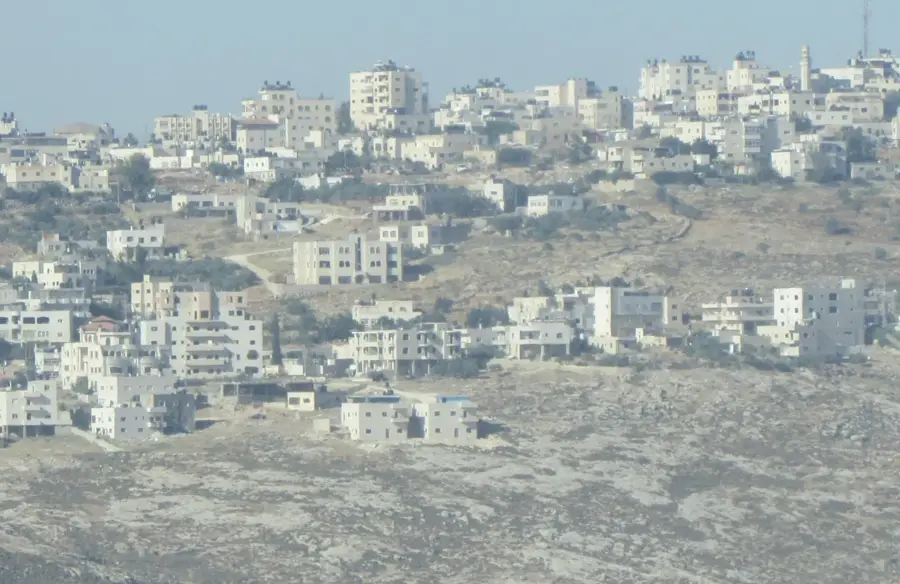
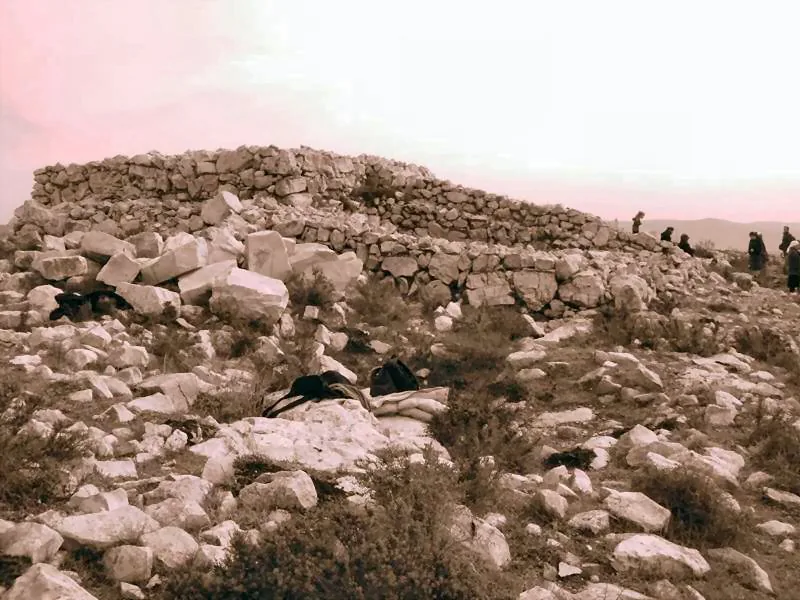
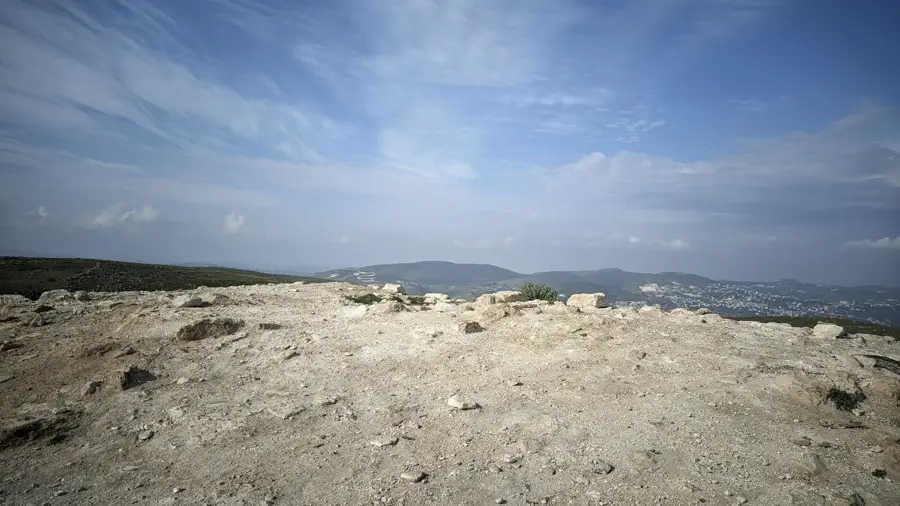
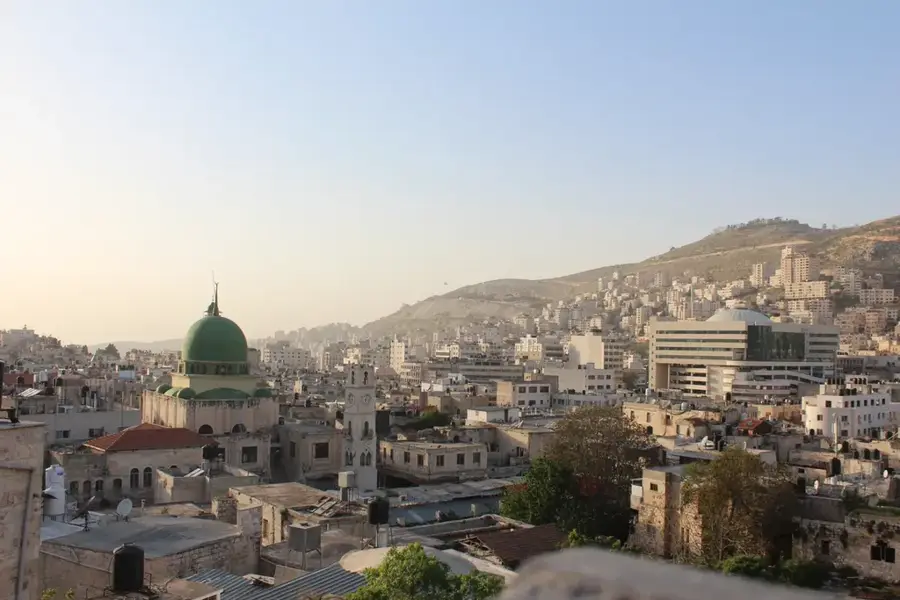
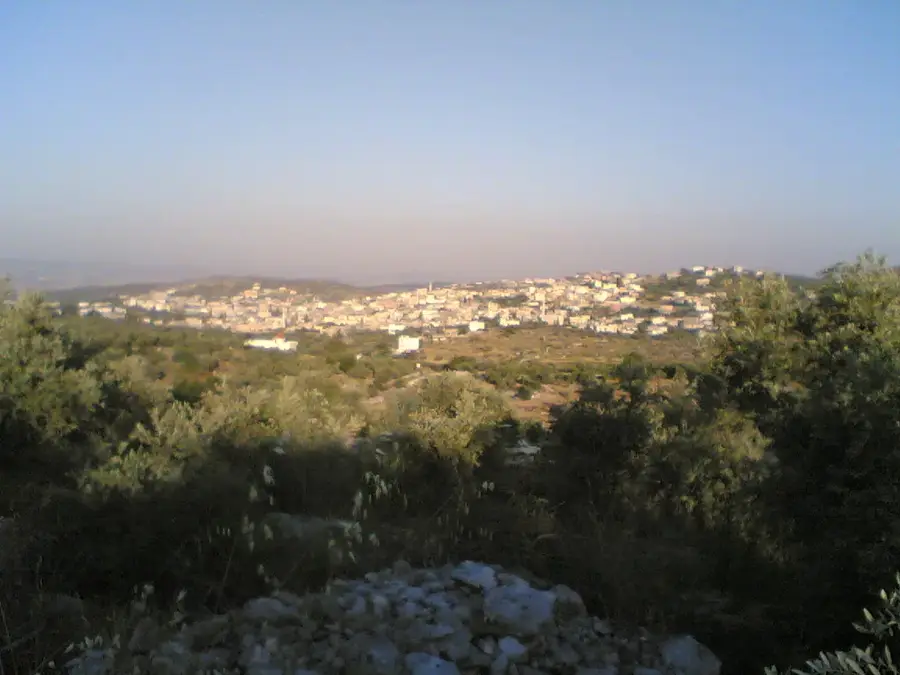
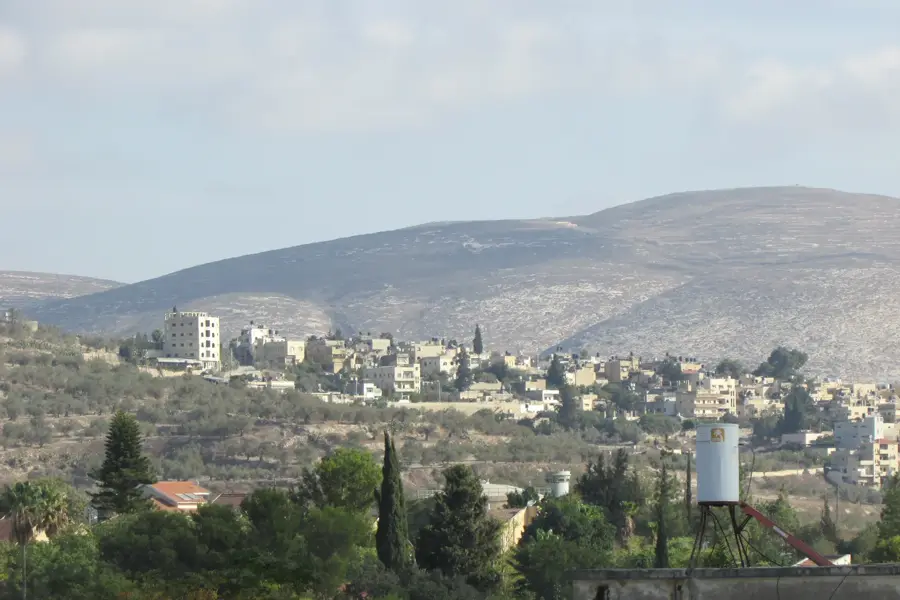
The archaeological site of Sebastia, located near Nablus, is one of the most historically significant cities in the region, with a legacy spanning thousands of years. Known in antiquity as Samaria, it served as the capital of the northern Kingdom of Israel during the 9th century BCE. The monumental grandeur seen today is largely due to the massive reconstruction projects of Herod the Great, who renamed the city Sebaste in honor of Emperor Augustus. Visitors can walk along the impressive colonnaded street, explore the Roman forum, and see the ruins of a theater that speak to the city's ancient administrative power. Beyond the Roman remains, the site also holds traces of an Iron Age palace belonging to the Omrid dynasty. Sebastia is not merely an outdoor museum but a place where biblical narratives and classical architecture converge. Surrounded by terraced olive groves, the site provides a deep perspective into the cultural mosaic of the Levant, making it for anyone interested in the layers of Middle Eastern history.

Best time to visit & climate

The most pleasant time to visit is May, Jun, Oct.

JanFebMarAprMayJunJulAugSepOctNovDec
Avg °C131315182225272726241915
Rain mm118884723711121857104

📋 Practical info

🚪
Visiting
The ruins of Sebastia are freely accessible and can be visited any time. The site is spacious and invites exploration.
🕒
Typical hours
There are no fixed opening hours; the ruins are accessible all day. Typically, the best time to visit is morning or late afternoon.
📷
Photography
Photography is allowed throughout the site. The well-preserved columns and Roman remains offer excellent photo subjects.
⏱️
Time needed
Allow about 1-2 hours for a thorough visit of the ruins. If you also want to explore the surrounding village, allocate more time.
Combine with
Combine Sebastia with the archaeological park and the nearby Sanur Citadel. The old city of Nablus is also worth a visit.
🧭
Getting there
Sebastia is easily accessible by car, about 15 minutes north of Nablus. There is parking near the ruins.
💡
Insider tip
Bring a hat and sunscreen as there is little shade. A local guide can explain interesting historical details.

Geography

Coordinates
32.27640, 35.19080

Facts

  • The city served as the capital of the Kingdom of Israel in the 9th century BCE.
  • Herod the Great renamed it Sebaste (Greek for Augustus) in 27 BCE.
  • The Roman forum at the site measured approximately 128 by 72 meters.
  • The ancient colonnaded street originally featured about 600 columns.
  • According to tradition, the site contains the tomb of John the Baptist.
  • Harvard University conducted the first major scientific excavations in 1908.

Explore nearby

Notable places around
Route planner — Car & Motorhome

Where do you start? We build the route here, with stops and country notes along the way.

Vehicle
Only stops with (optional):

© OpenStreetMap contributors · OpenRouteService

Sights in the town Sebastia (10)

Dair Sharaf🏛 museum

A museum in Sebastia showcasing artifacts and history of the region.

Roman Theatre🏺 historical

An impressive ancient Roman theatre in the historic site of Sebastia.

Roman Forum🏺 historical

The ancient Roman forum of Sebastia was once the center of public life.

Church of John the Baptist🏺 historical

Ruins of a significant church in Sebastia, traditionally associated with John the Baptist.

Almadina Club📍 landmark

A local leisure attraction in Sebastia for visitors and residents.

the turkish train tunnle🌿 nature

A viewpoint by an old Turkish railway tunnel with historic flair in Sebastia.

Rasheen🌿 nature

A scenic viewpoint in Sebastia offering wide views over the landscape.

Khalid Khader🏰 castle

A historical structure in Sebastia reminiscent of the region's defensive architecture.

Ramin Big Mosque📍 landmark

The Ramin big mosque located near Sebastia serves as a religious center.

Omar Bin Al-Khattab Mosque📍 landmark

A place of prayer and reflection for the muslim community in Sebastia.

Sights nearby

Frequently asked questions

When is the best season to visit Sebastia?
Spring is well-suited when the landscape is green and blooming.
How difficult is hiking through the ruins?
The path is moderate, but sturdy footwear is recommended due to uneven ground.
Are there dining options nearby?
In the village of Sebastia, you will find a few small, local restaurants.
Can one explore the ruins independently?
Yes, the area is freely accessible and well-marked.
Is it safe to visit the area?
Check the current security situation in the region before your visit.
Sebastia: where is it located?
Sebastia is located in Palestinian Territories.
Sebastia: what is there to see?
Highlights include Dair Sharaf, Roman Theatre, Roman Forum.
Sebastia: when is the best time to visit?
The most pleasant time to visit is May, Jun, Oct.
Sebastia: why is it worth visiting?
The archaeological site of Sebastia, located near Nablus, is one of the most historically significant cities in the region, with a legacy spanning thousands of years.
View on map → The Top 50 Attractions → OpenStreetMap →
Asia
Explore with Plizio Discover more places in Asia
More places in Palestinian Territories →

Nearby cities

History & landmarks