Plizio Visual Lab

Marj Sanur
Plizio editorial teamData Sources
Lake
—°6
Marj Sanur (Palestinian Territories)

Weather…

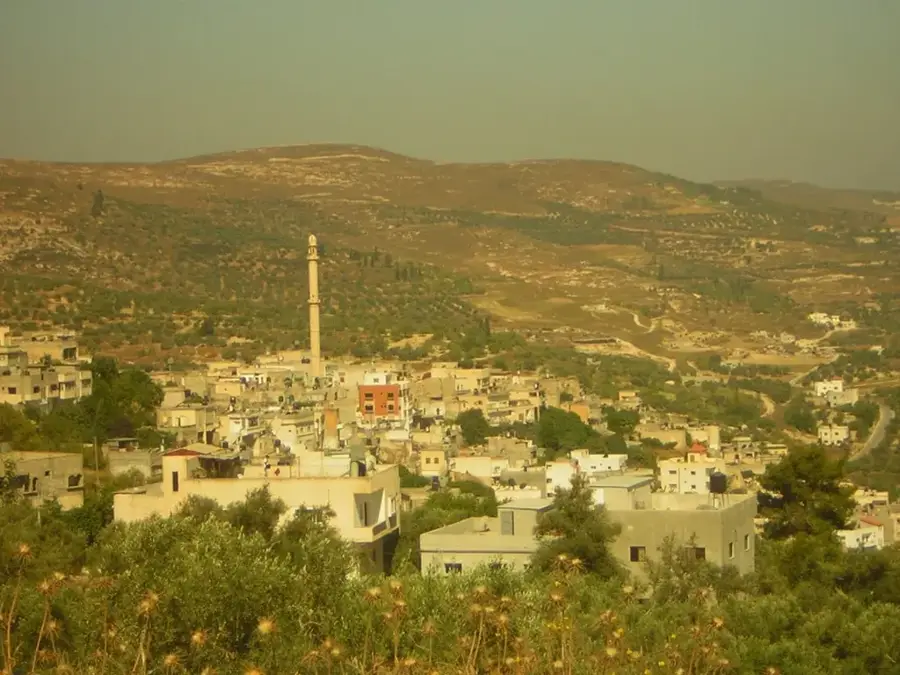
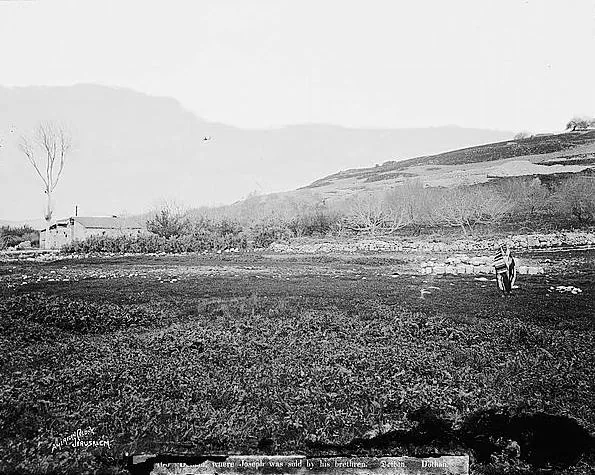
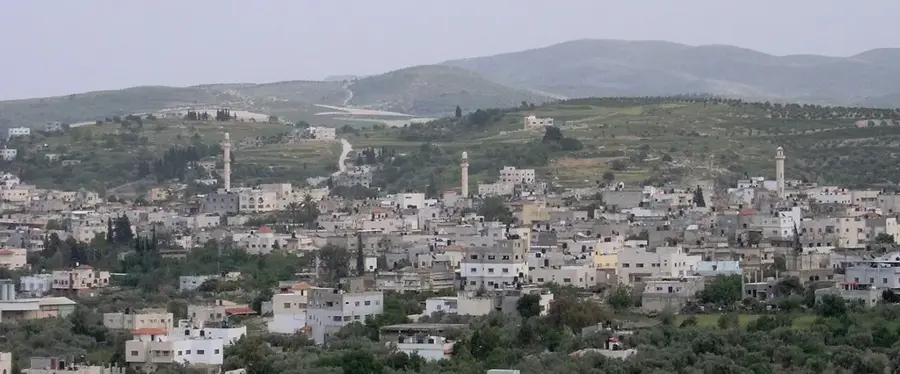
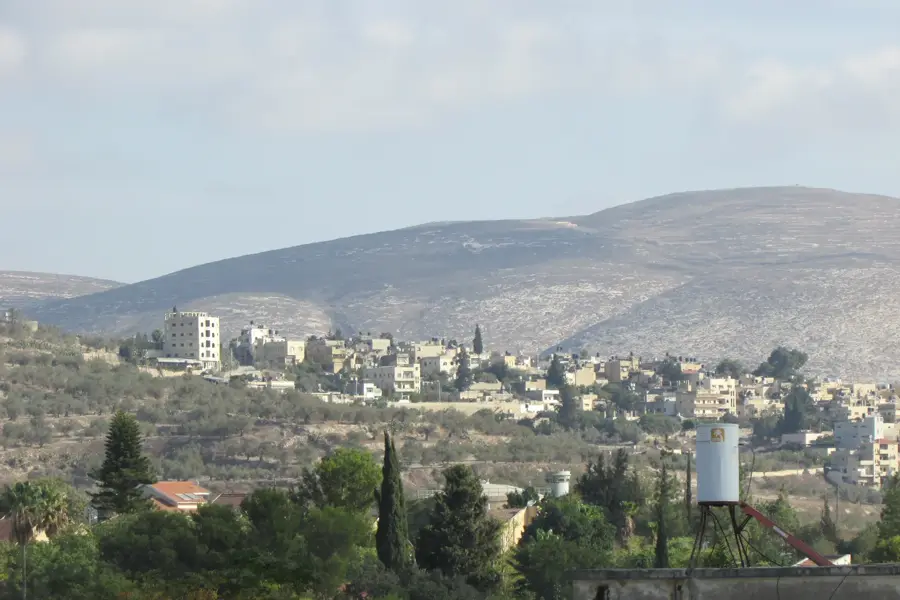
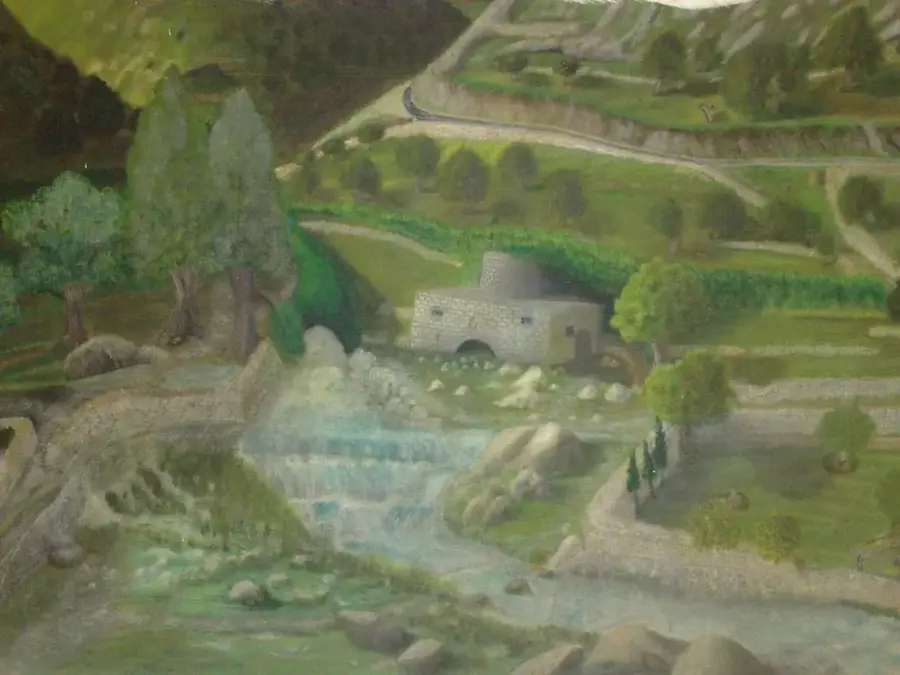
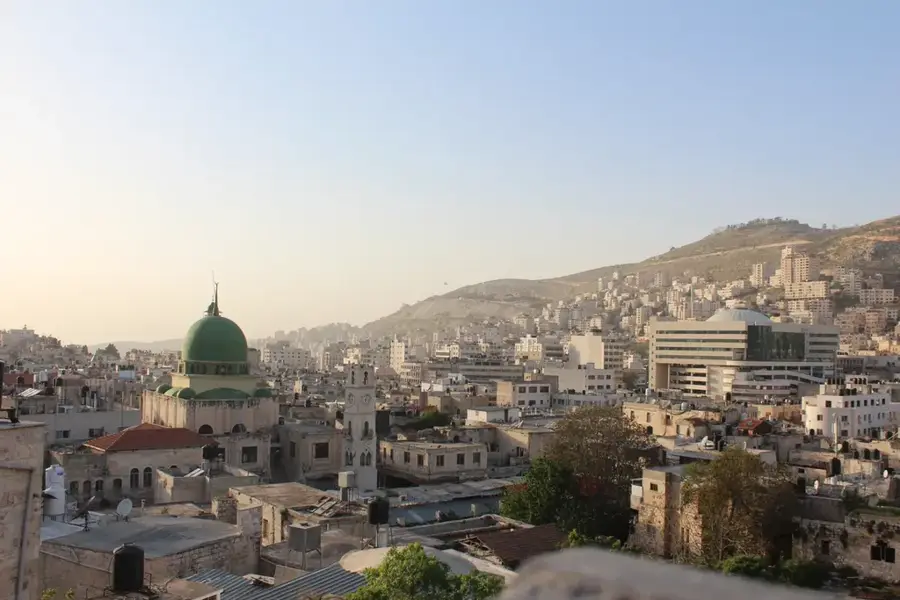
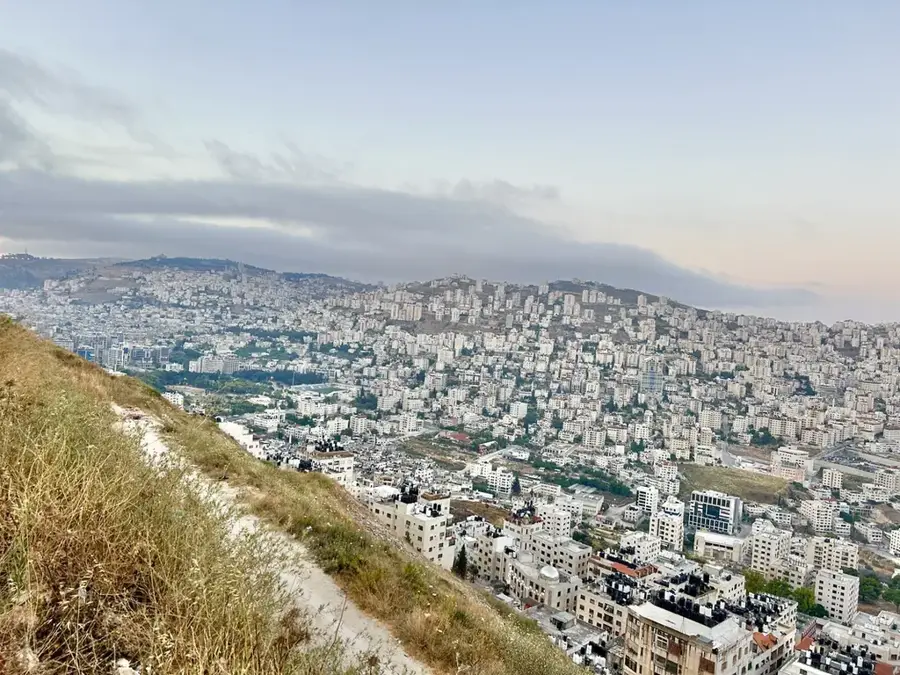
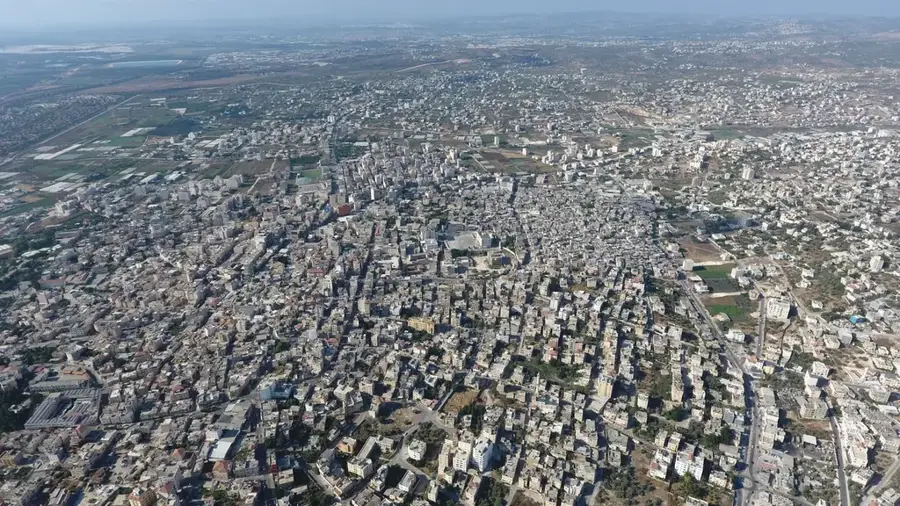
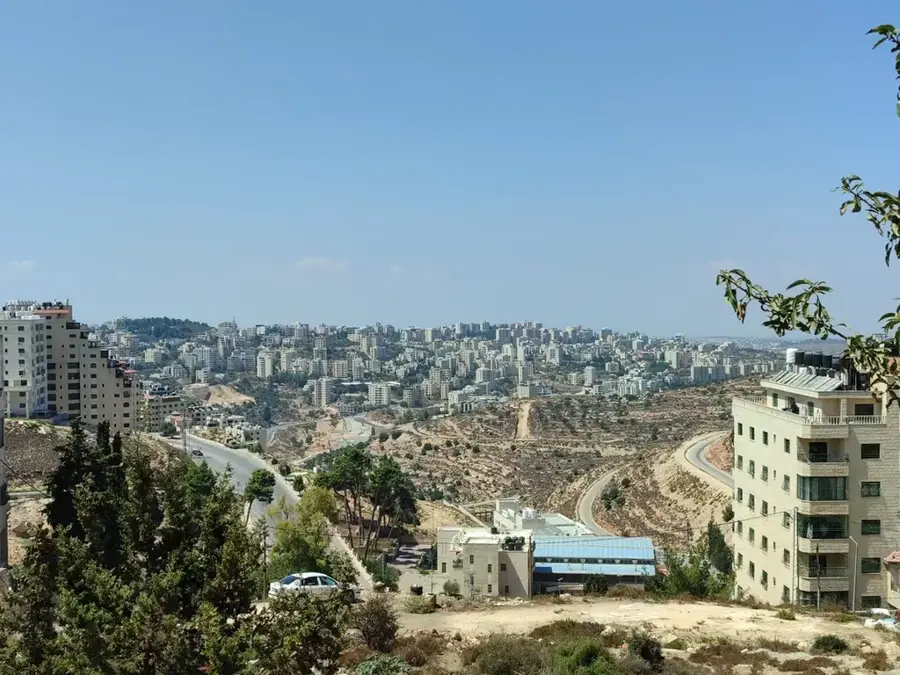
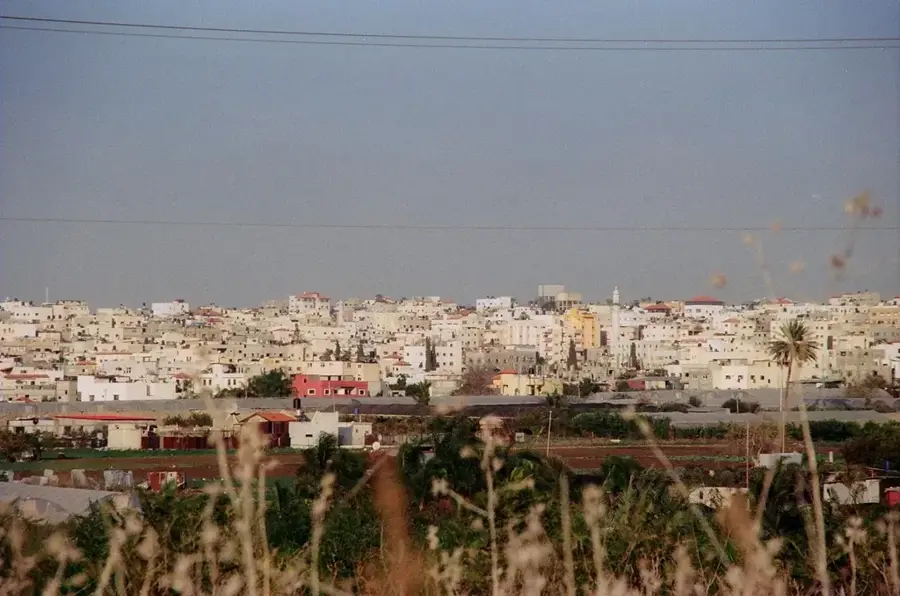
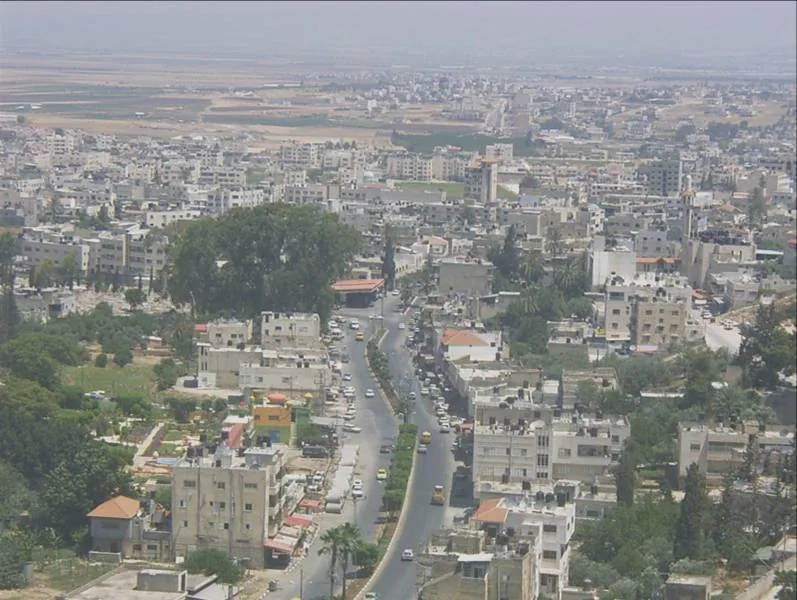
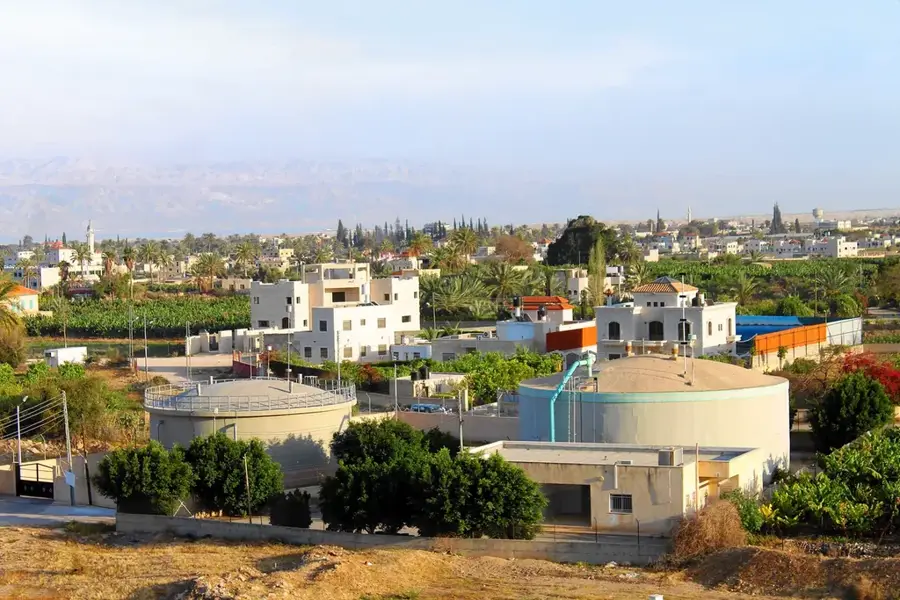
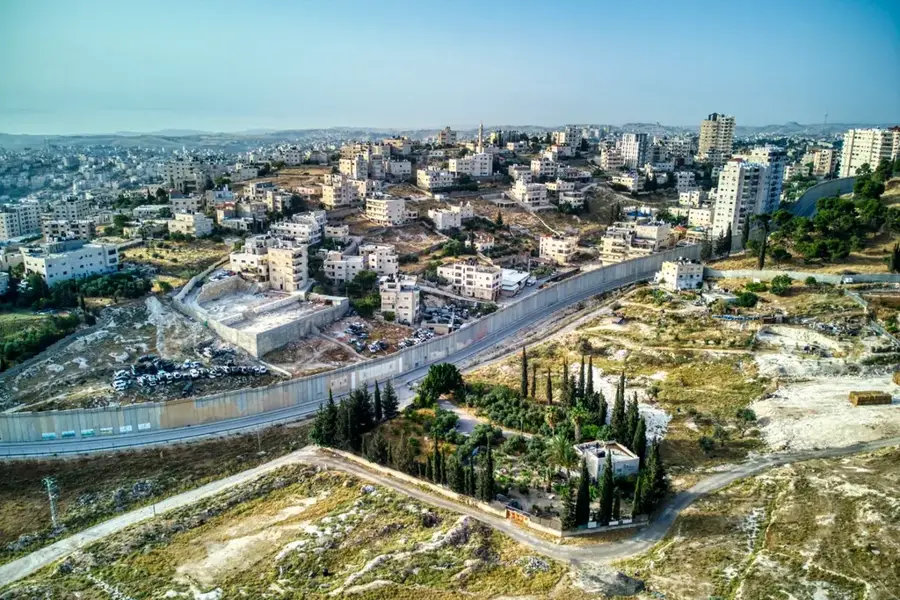
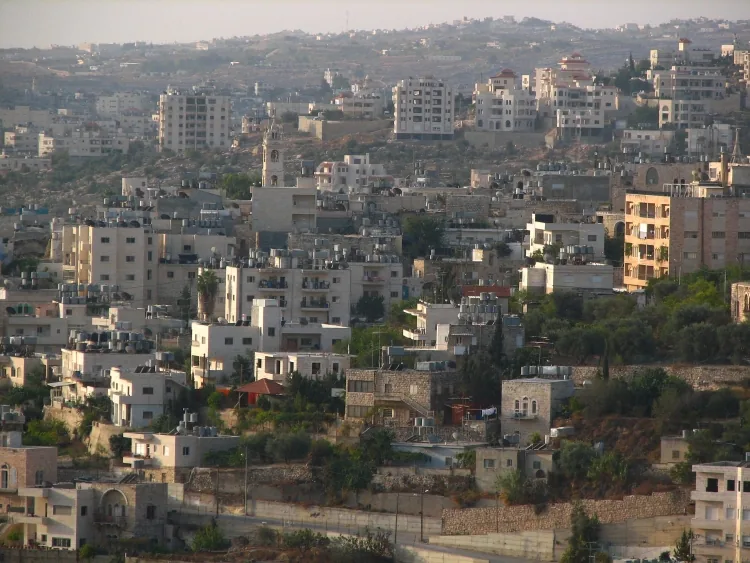
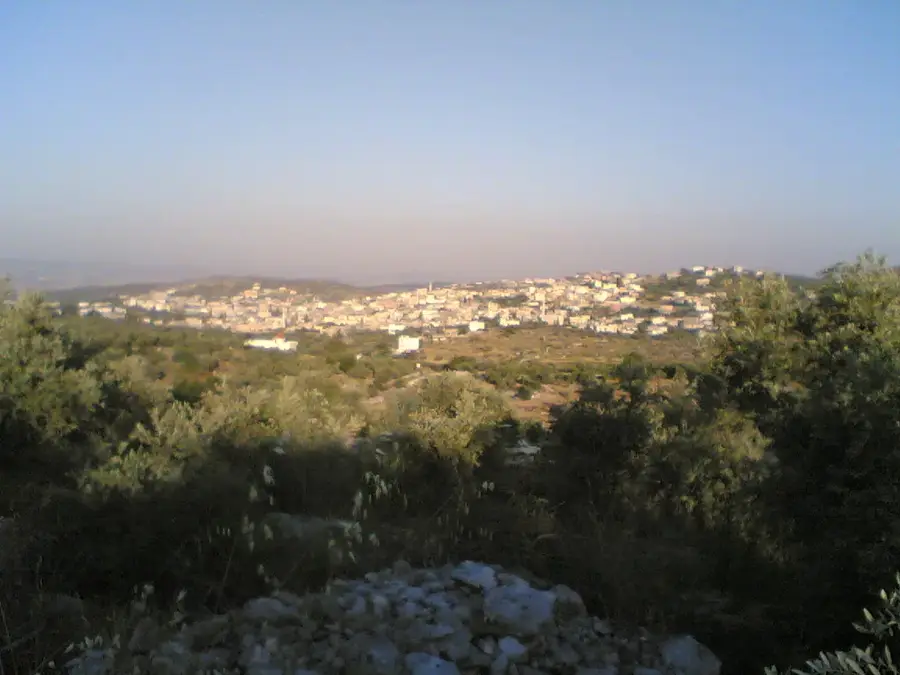
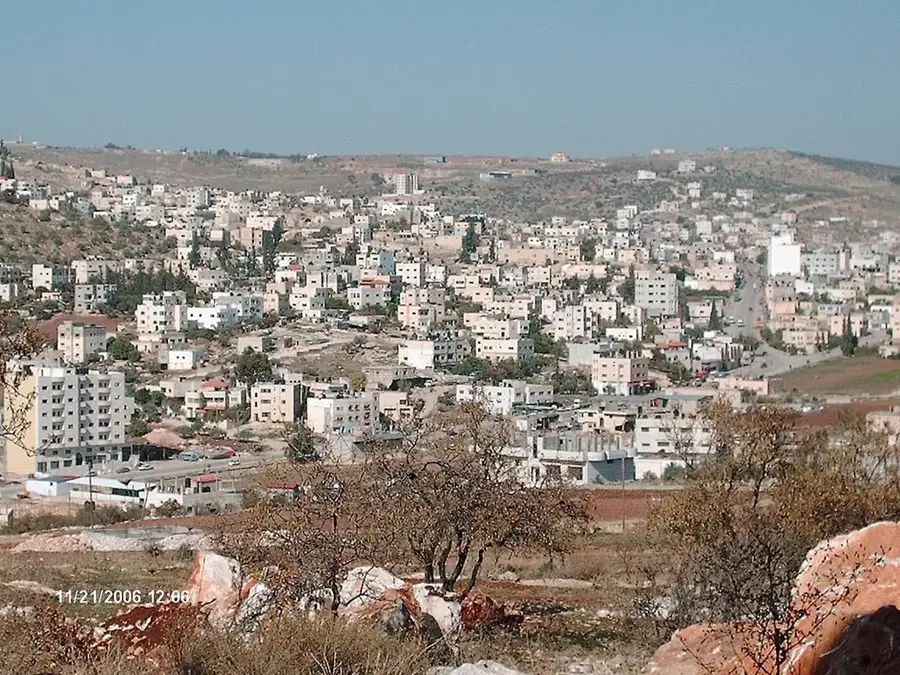
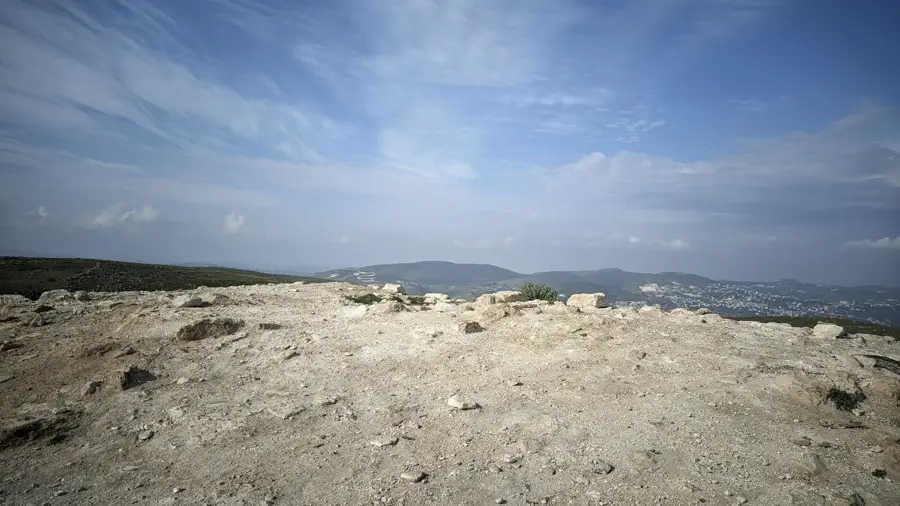
Marj Sanur is a remarkable endorheic basin located in the northern highlands of the West Bank, positioned between Nablus and Jenin. This closed depression lacks a natural outlet for water, leading to the formation of a seasonal lake during rainy winters. Often referred to by locals as the 'Hidden Lake,' this phenomenon transforms the 16-square-kilometer valley into a striking water mirror that can persist for several months. As the water recedes in the spring, it leaves behind a layer of highly fertile alluvial soil, making Marj Sanur one of the most productive agricultural zones in the Palestinian territories. Farmers utilize this land to cultivate wheat, pulses, and vegetables, sustaining the surrounding rural communities. The temporary wetland also serves as a vital stopover for numerous migratory bird species traveling along the Great Rift Valley flyway. The historic village of Sanur, featuring an old Ottoman-era citadel, overlooks the basin and provides panoramic views of this seasonally shifting landscape.

Best time to visit & climate

The most pleasant time to visit is Apr, May, Oct.

JanFebMarAprMayJunJulAugSepOctNovDec
Avg °C111215192327292927241813
Rain mm9379402061012124079

📋 Practical info

🧭
Getting there
This particular closed basin is typically accessed via the main rural roads that connect the various surrounding local villages. Access is very straightforward during the dry season, but the paths can become quite muddy after heavy rainfall.
📅
Best season
To witness the lake in its full scenic splendor, planning a visit during the late winter months is by far the most rewarding. During the summer, the area completely dries up and is instead utilized intensively for local agriculture.
⛰️
Terrain & paths
The terrain within the basin is extremely flat and expansive, making it a very easy and forgiving environment for long walks. The absolute edges of the valley, however, can rise slightly and may occasionally require a bit more attention.
🎒
What to bring
During the wet season, rubber boots or highly waterproof footwear are absolutely essential to successfully navigate the muddy terrain. In summer, lighter shoes are entirely sufficient, paired with effective sun protection for the open expanse.
🅿️
Parking
Cars can typically be parked quite safely at the edges of the adjacent villages or along the wider agricultural dirt tracks. Please be extremely careful to never block any passing tractors or local residents going about their daily work.
⚠️
Safety
Since this is an agriculturally dominated and highly tranquil area, no extraordinary security risks are generally expected. Nevertheless, you should always check the passability of the dirt roads in advance following periods of prolonged rain.
⏱️
Time needed
A visit dedicated to bird watching or a relaxed stroll along the shoreline normally takes about one to two hours of your day. The peaceful atmosphere, however, often strongly invites you to linger a bit longer in the beautiful natural setting.

Geography

Coordinates
32.34000, 35.26000

Facts

  • The plain covers an area of about 20 square kilometers
  • The seasonal lake can reach a depth of 2 meters
  • There is no natural surface outlet for the water
  • The basin is situated at an elevation of 350 meters
  • The village of Sanur gives the plain its name
  • Water slowly infiltrates the ground during the spring

Explore nearby

Notable places around
Route planner — Car & Motorhome

Where do you start? We build the route here, with stops and country notes along the way.

Vehicle
Only stops with (optional):

© OpenStreetMap contributors · OpenRouteService

Sights in the town Marj Sanur (6)

al nuirat🏰 castle

Ruins of a historic fortification situated on a hill with views of the Sanur basin.

Maqam Hureish🏺 historical

A sacred shrine on the summit of Mount Hureish, a point of religious and scenic interest.

Kheiber Fortress🏰 castle

A strategic historic fortress in the Sanur area, built from local limestone.

Old Mosque📍 landmark

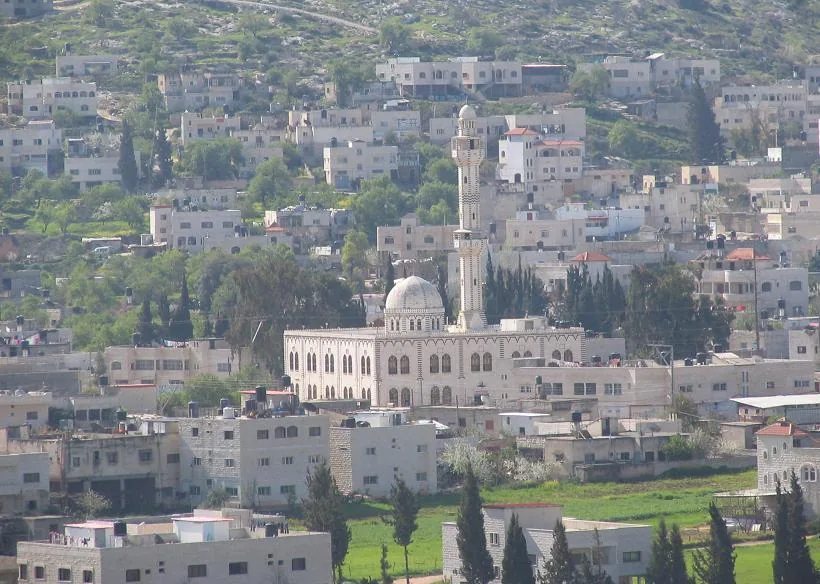
A preserved traditional stone mosque in the historic village of Sanur.

Khalid Ibn Al Waleed Mosque📍 landmark

This mosque is located in the fertile Marj Sanur plain, which is known for its seasonal lake.

Mus'ab Ibn Omeir Mosque📍 landmark

A Muslim place of worship located near the seasonal wetlands in the Marj Sanur basin.

Sights nearby

Frequently asked questions

What is Marj Sanur?
It is a seasonal lake that forms after heavy rains.
When does the lake form?
Typically in the winter months when rainfall is sufficient.
Can one observe birds there?
Yes, the lake attracts numerous species of water birds.
Is the place accessible all year round?
The land is mostly agricultural and only attractive when dry or filled with water.
Is binoculars needed?
For birdwatching, binoculars are highly recommended.
Marj Sanur: where is it located?
Marj Sanur is located in Palestinian Territories.
Marj Sanur: what is there to see?
Highlights include al nuirat, Maqam Hureish, Kheiber Fortress.
Marj Sanur: when is the best time to visit?
The most pleasant time to visit is Apr, May, Oct.
Marj Sanur: why is it worth visiting?
Marj Sanur is a remarkable endorheic basin located in the northern highlands of the West Bank, positioned between Nablus and Jenin.
View on map → The Top 50 Attractions → OpenStreetMap →
Asia
Explore with Plizio Discover more places in Asia
More places in Palestinian Territories →

Nearby cities

History & landmarks