Plizio Visual Lab
Sebastia Archaeological Park
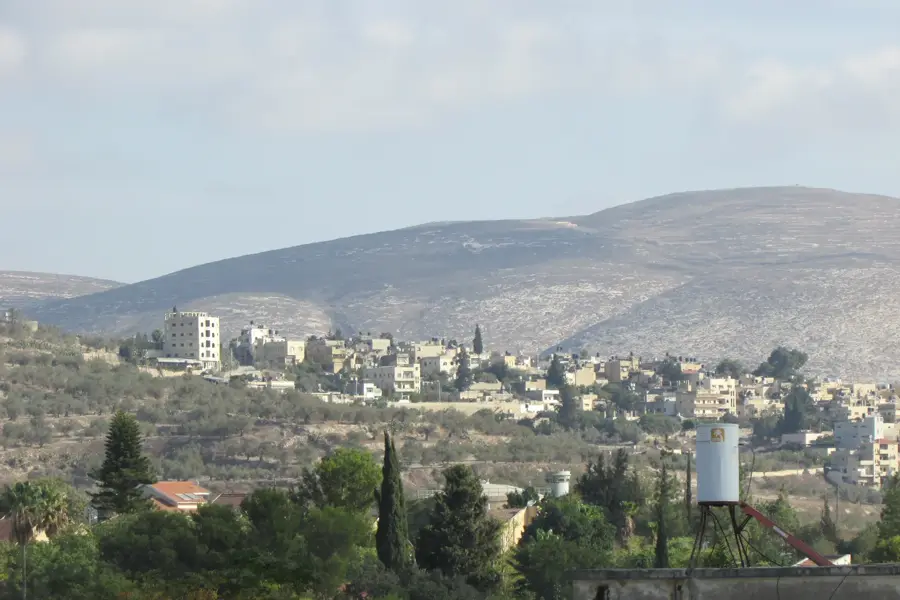
Sebastia, the site of ancient Samaria, stands on a prominent hill northwest of Nablus, preserving archaeological layers spanning nearly three millennia. Founded in the 9th century BC by King Omri of Israel, the city reached a new peak under Herod the Great, who renamed it Sebaste in honor of Emperor Augustus. Today, the archaeological park features the remains of a vast Roman forum, a civic basilica, and a colonnaded street stretching over 800 meters with hundreds of limestone columns still standing. A major focal point is the Byzantine church dedicated to John the Baptist, later rebuilt by the Crusaders in the 12th century. Local Christian and Muslim traditions identify this as the burial place of the Baptist's head. The site has a unique opportunity to walk through Iron Age palace foundations and Roman urban infrastructure while overlooking the terraced olive groves of the surrounding landscape.
- Location: Palestinian Territories
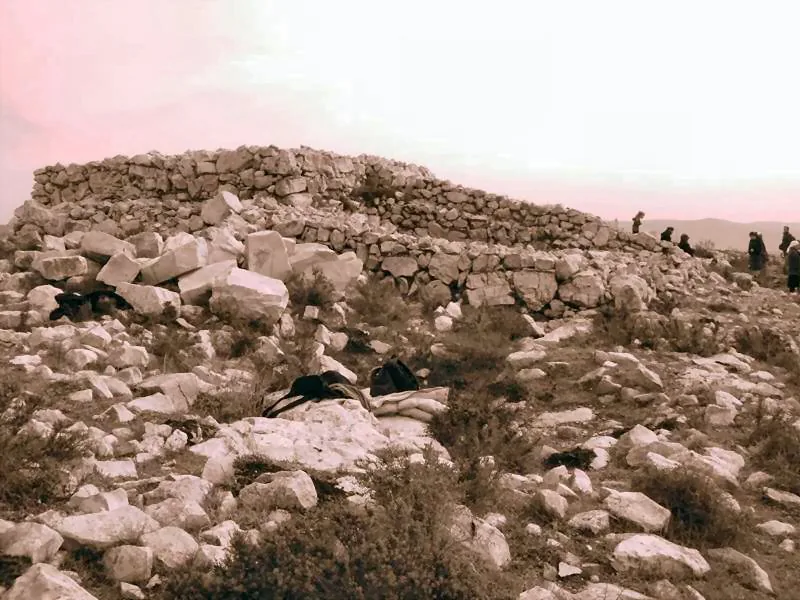
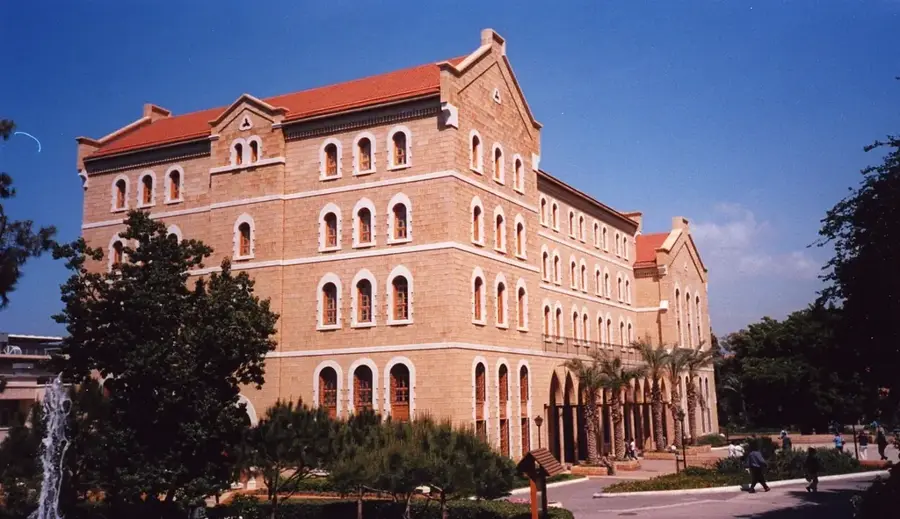
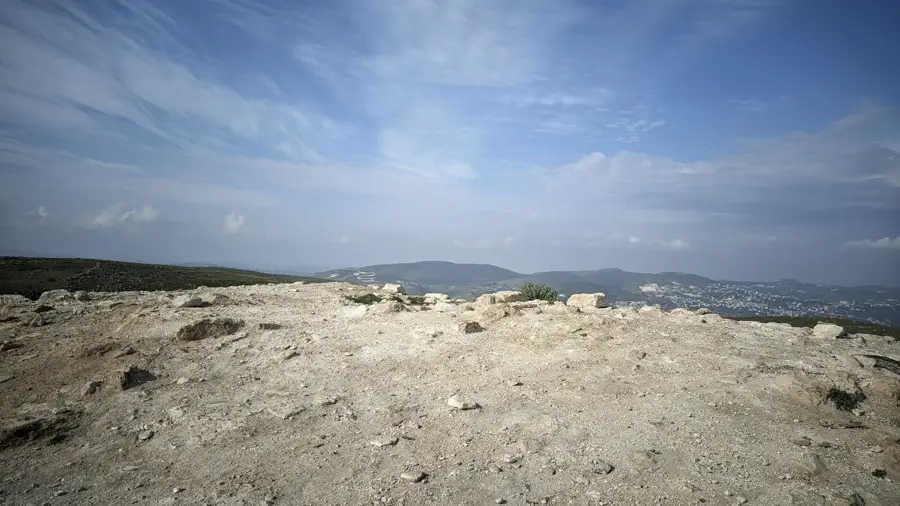
- Top sights: Sebastia Museum · Omar Ibn Al 'as · east mosque
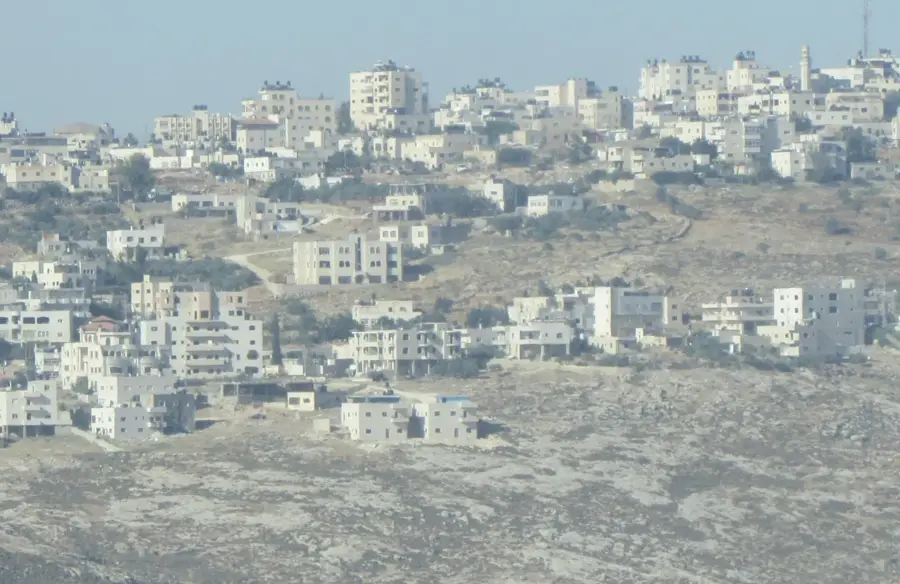
- Nearby: Jaba' Throne Village (4 km)
Best time to visit & climate
The most pleasant time to visit is May, Jun, Oct.
| Jan | Feb | Mar | Apr | May | Jun | Jul | Aug | Sep | Oct | Nov | Dec | |
|---|---|---|---|---|---|---|---|---|---|---|---|---|
| Avg °C | 13 | 13 | 15 | 18 | 22 | 25 | 27 | 27 | 26 | 24 | 19 | 15 |
| Rain mm | 118 | 88 | 47 | 23 | 7 | 1 | 1 | 1 | 2 | 18 | 57 | 104 |
📋 Practical info
Geography
Facts
- Founded in the 9th century BC by King Omri
- Renamed by Herod the Great in honor of Augustus
- The colonnaded street was originally over 800 meters long
- Includes the remains of a Byzantine basilica
- Traditional site of the tomb of John the Baptist
- The Roman theater could seat approximately 3,000 people
Explore nearby
Notable places around
Route planner — Car & Motorhome
Where do you start? We build the route here, with stops and country notes along the way.
© OpenStreetMap contributors · OpenRouteService
Sights in the town Sebastia Archaeological Park (4)
Sights nearby
Frequently asked questions
What is there to see in Sebastia?
How long does a visit take?
Is the site good for families?
Do you need sturdy footwear?
Is there parking available?
Sebastia Archaeological Park: where is it located?
Sebastia Archaeological Park: what is there to see?
Sebastia Archaeological Park: when is the best time to visit?
Sebastia Archaeological Park: why is it worth visiting?

Nearby cities