Plizio Visual Lab

Nablus Valley
Plizio editorial teamData Sources
valley
—°3
Nablus Valley (Palestinian Territories)

Weather…

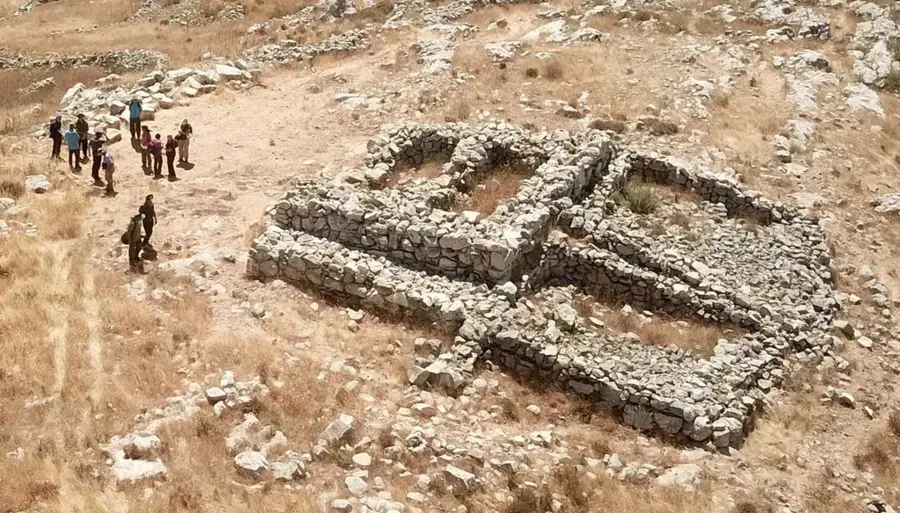
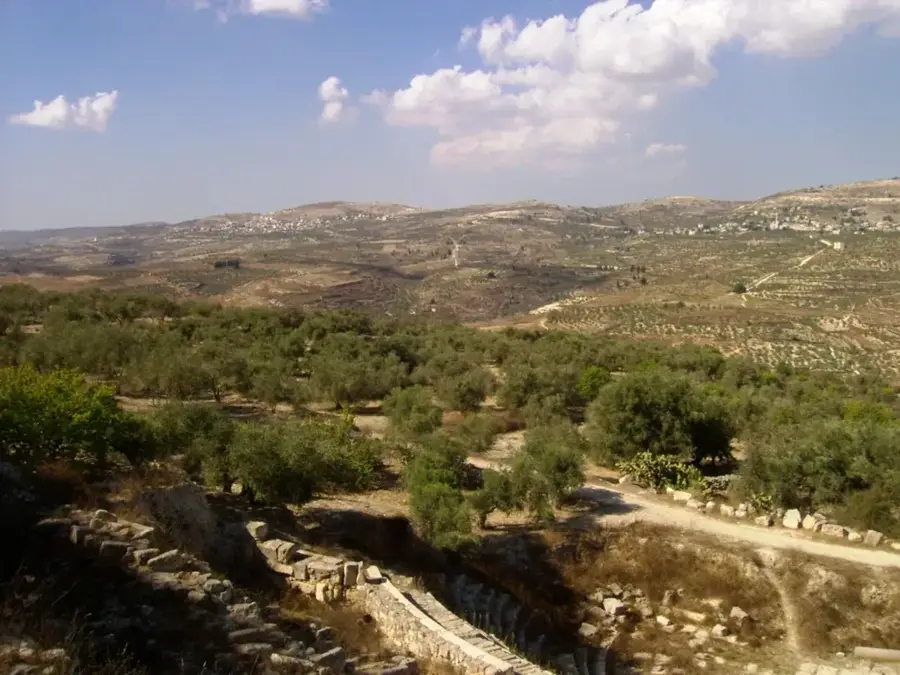
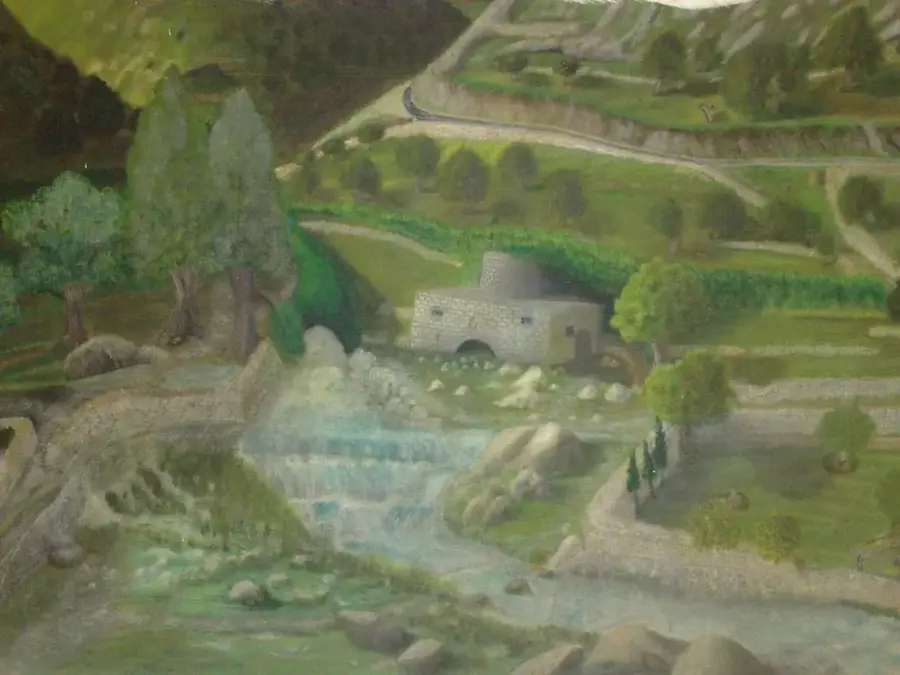
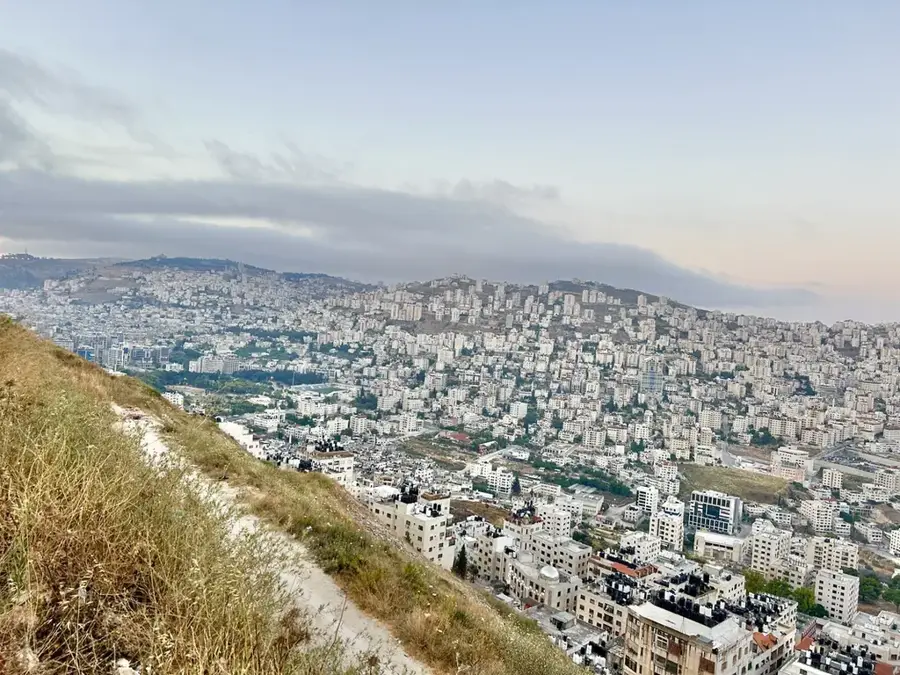
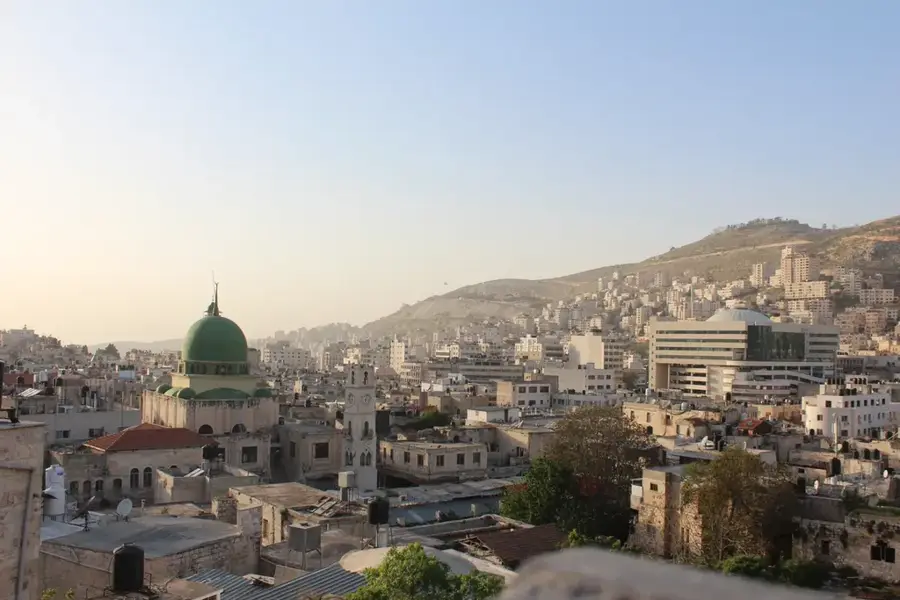
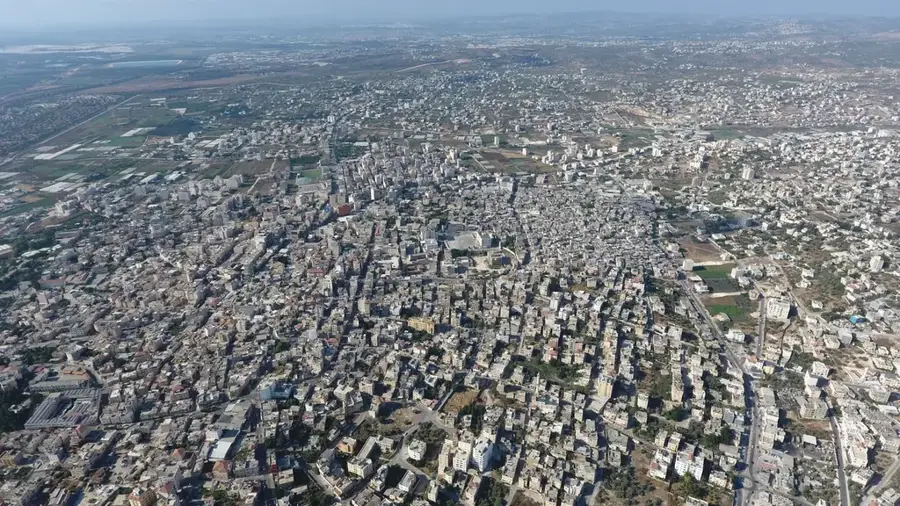
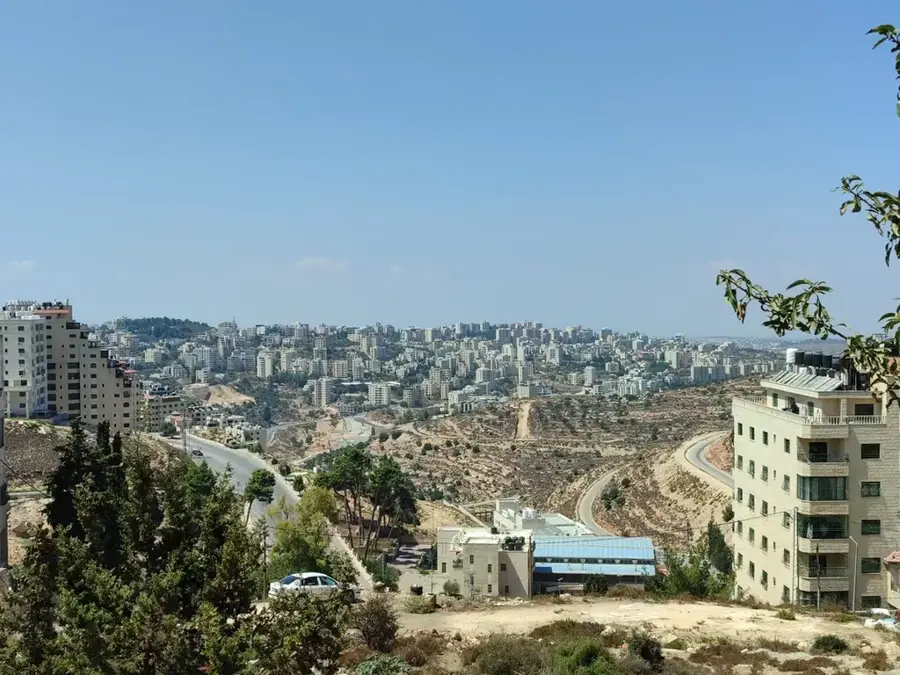
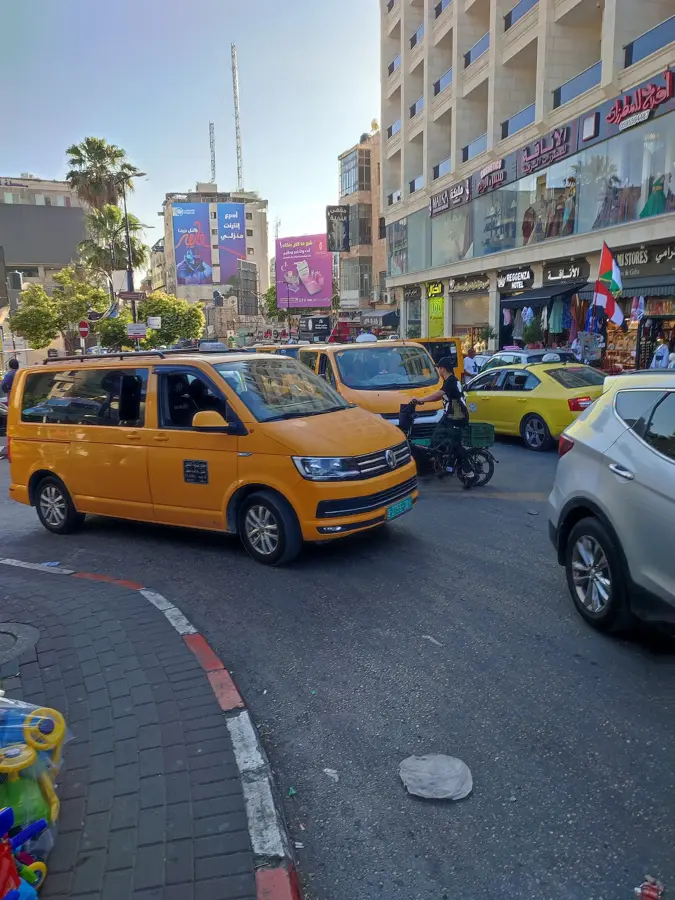
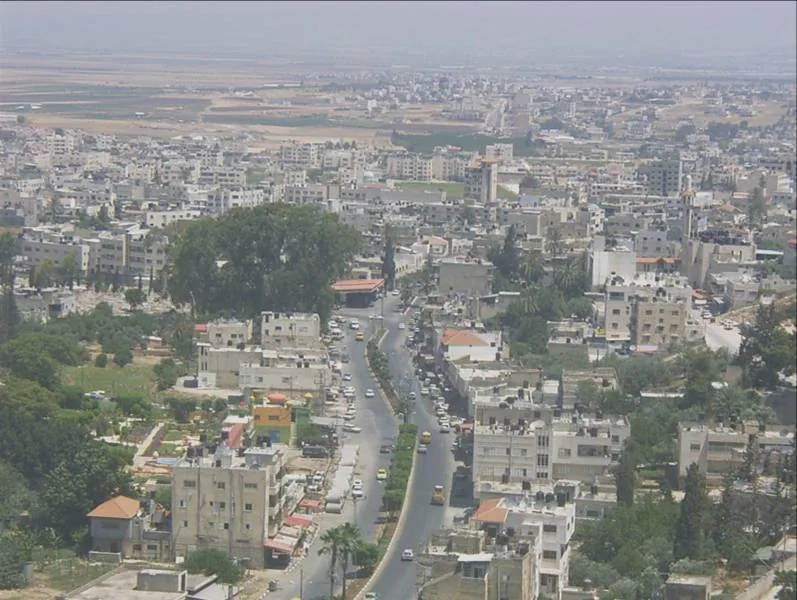
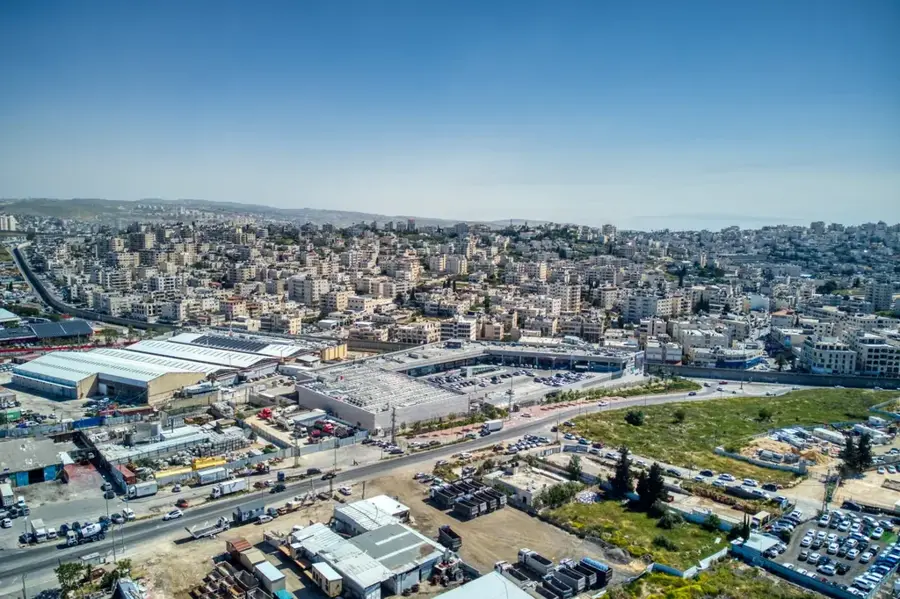
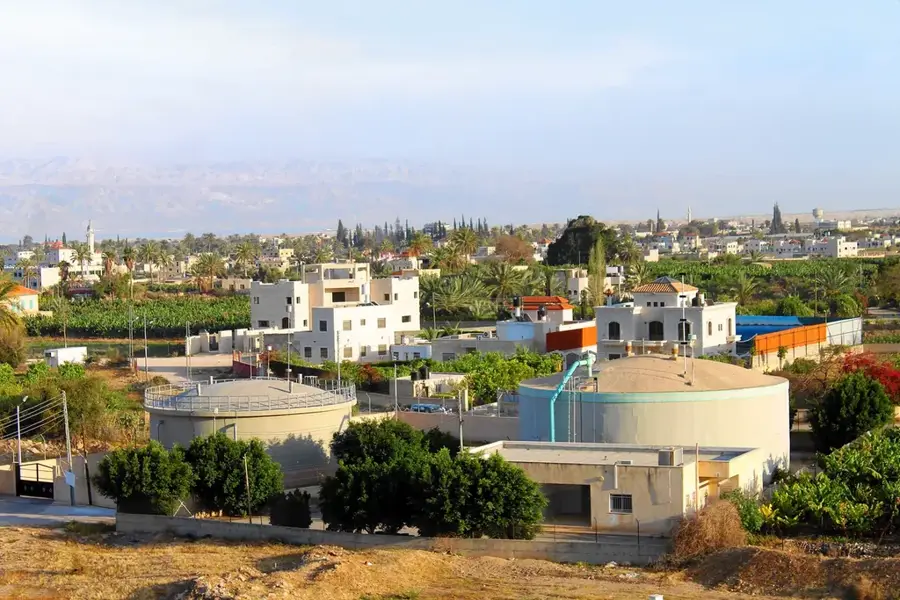
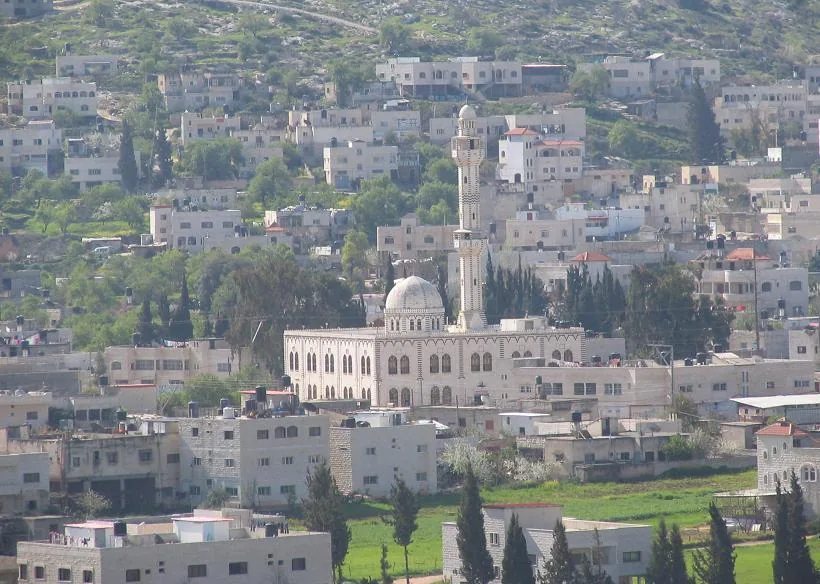
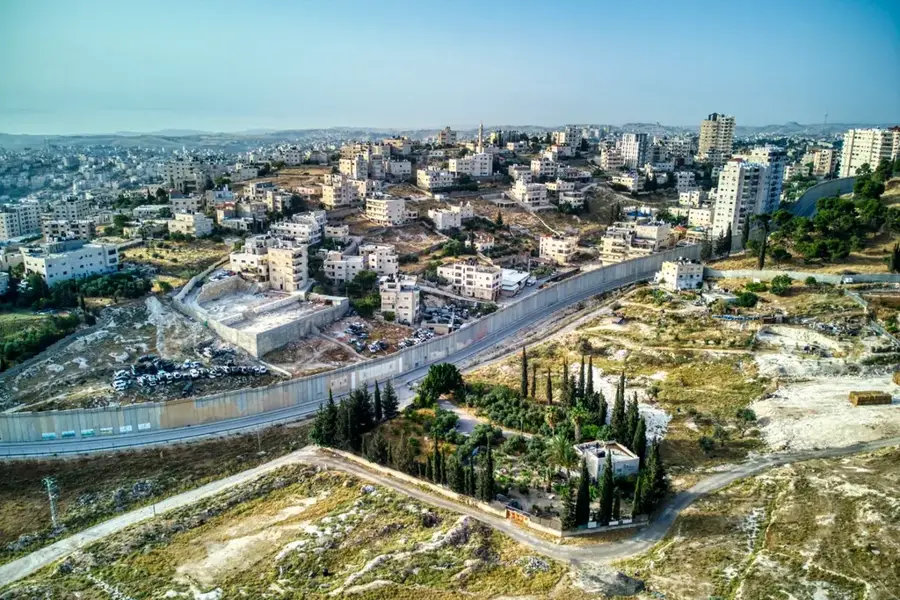
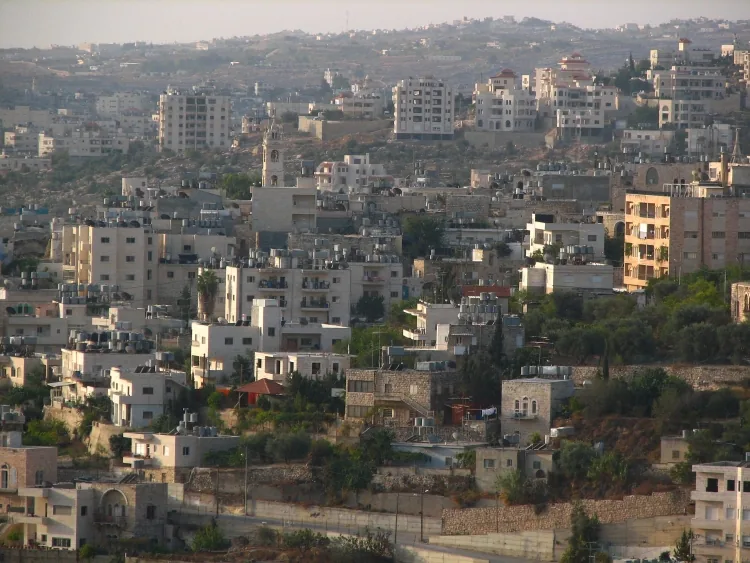
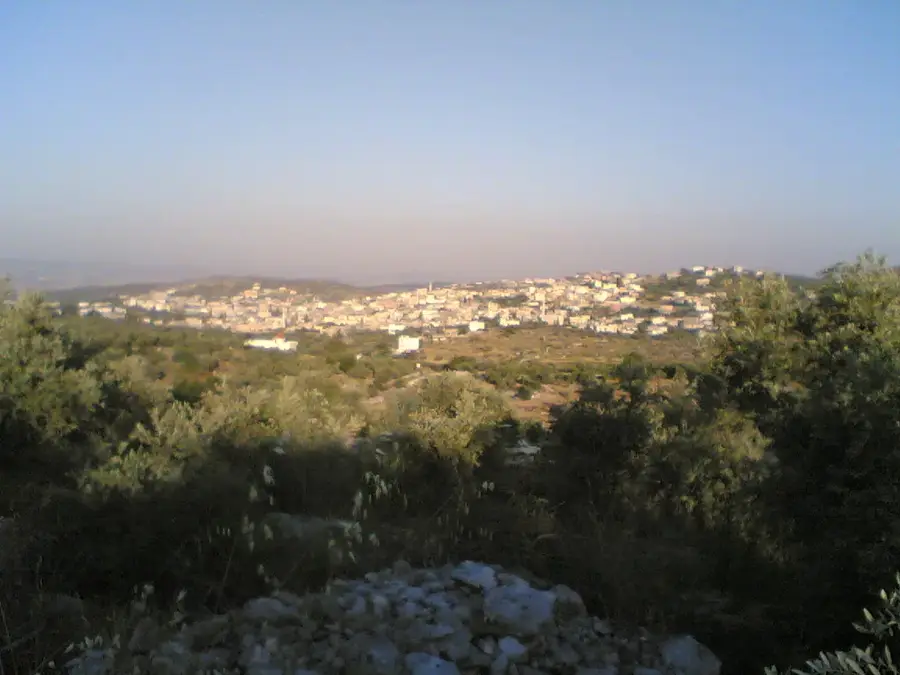
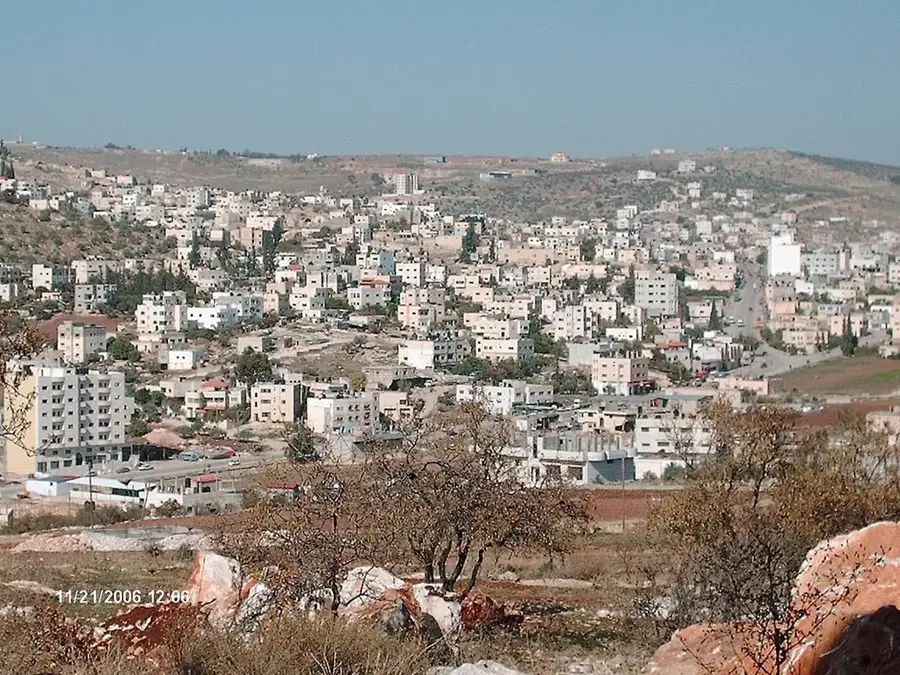
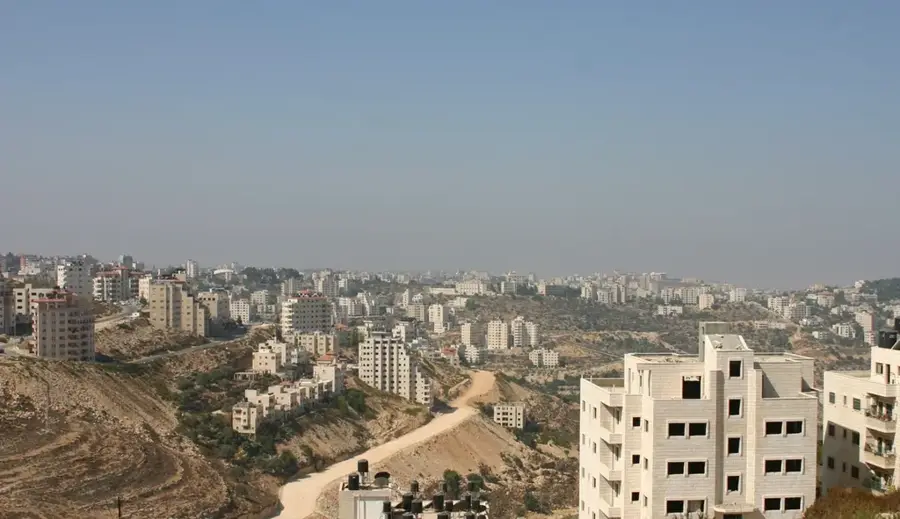
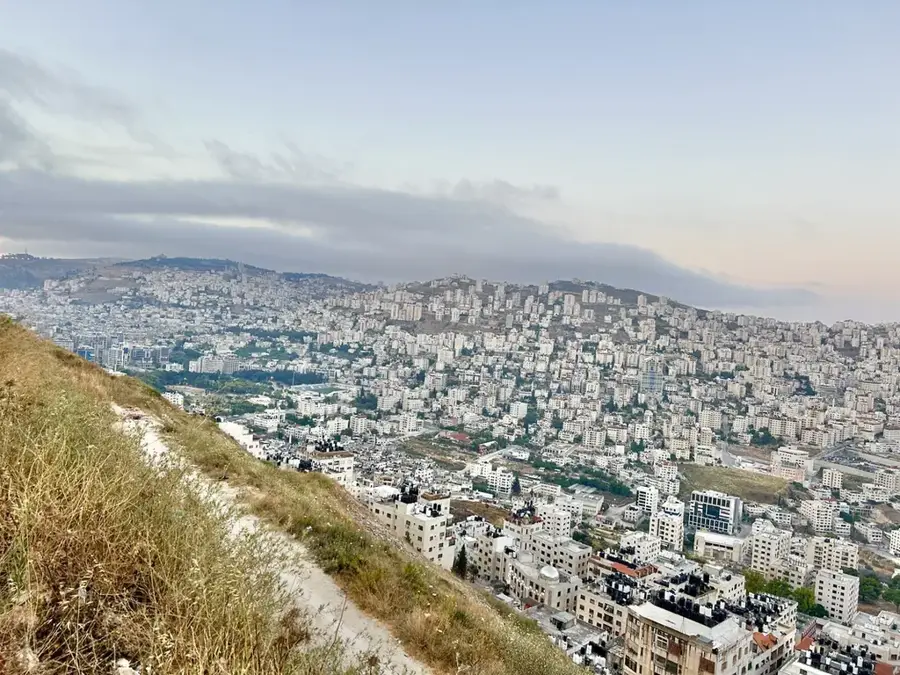
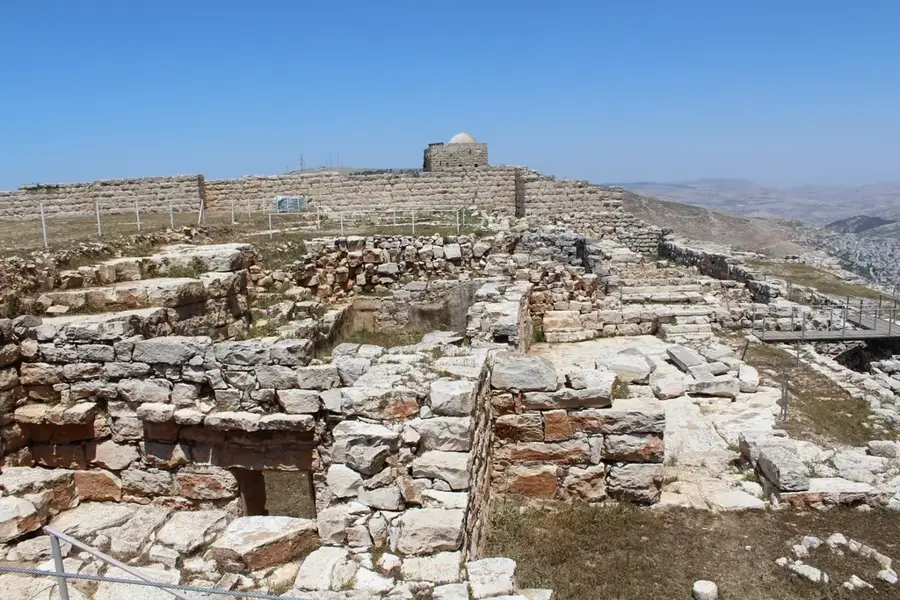
The Nablus Valley is a geographically and historically vital depression tucked away between the towering twin peaks of Mount Gerizim and Mount Ebal. This unique position creates a natural corridor that has served as a major crossroads for trade and travel since antiquity, hosting the ancient biblical city of Shechem. The valley is exceptionally well-watered, home to over twenty perennial springs that sustain lush orchards of olives, figs, and citrus fruits. Known for its agricultural productivity, the valley floor and its terraced slopes represent centuries of traditional Palestinian farming expertise. The dramatic contrast between the deep valley and the surrounding high ridges provides some of the most striking scenery in the West Bank. Beyond its natural beauty, the valley is a site of immense cultural significance, housing sacred sites and providing the economic foundation for the nearby city of Nablus, famous for its olive oil and soap industries that rely on the valley's bountiful harvests.

Best time to visit & climate

The most pleasant time to visit is Apr, May, Oct.

JanFebMarAprMayJunJulAugSepOctNovDec
Avg °C111316202428303028241814
Rain mm635832156101182952

📋 Practical info

🧭
Getting there
The valley is incredibly accessible as it encompasses the immediate environs of the city of Nablus itself. Visitors can easily drive along main regional roads that bisect the lush, spring-fed corridor between the two towering mountains.
📅
Best season
The valley is a phenomenal destination year-round. Spring has a spectacular explosion of agricultural blossoms, while late summer and autumn coincide with the animated, traditional local harvests of the fertile orchards.
⛰️
Terrain & paths
Unlike the rugged peaks, the valley floor is predominantly flat and highly cultivated. It features a mix of paved urban walkways, agricultural dirt paths, and paved roadways, making it very straightforward to navigate on foot or wheels.
🎒
What to bring
Standard, comfortable walking shoes are perfectly adequate for exploring the lowland areas. Carrying a reusable water bottle, casual sun protection, and a camera for the scenic orchard landscapes is generally recommended.
🅿️
Parking
Parking is relatively straightforward, with numerous public lots and roadside spaces available throughout the urbanized and semi-rural stretches of the valley, providing quick access to the natural springs and markets.
⚠️
Safety
The primary concerns are typical urban traffic awareness along the main thoroughfares. As a major population center, remaining attuned to the prevailing local news and general travel advisories for the region is sensible.
⏱️
Time needed
Visitors can easily spend a full day exploring the expansive valley. Activities like wandering through the historic sites, visiting the refreshing local springs, and walking the orchards typically occupy four to eight hours.

Geography

Coordinates
32.22000, 35.26000

Facts

  • Enclosed by mountains over 880 meters high
  • Home to more than 20 permanent springs
  • Site of the ancient city of Shechem
  • Center of traditional olive oil soap production
  • Geological formation of limestone and chalk
  • Average annual temperature of 18 degrees Celsius

Explore nearby

Notable places around
Route planner — Car & Motorhome

Where do you start? We build the route here, with stops and country notes along the way.

Vehicle
Only stops with (optional):

© OpenStreetMap contributors · OpenRouteService

Sights in the town Nablus Valley (3)

Hamman as-Shifa📍 landmark

A historic Ottoman-era Turkish bath in Nablus, known for its traditional architecture and therapeutic services.

Salah Al-Din Mosque📍 landmark

A mosque in Nablus named after the famous Muslim leader Salah ad-Din Al-Ayyubi.

Masjid Al-Haj Fareed Haddadeh📍 landmark

A modern mosque in Nablus providing a place for daily prayers and community gatherings.

Sights nearby

Frequently asked questions

When is the best time to visit Nablus Valley?
Spring and autumn offer the most pleasant weather for hiking.
Is hiking in the valley safe?
Always check the current security situation with local authorities before heading out.
Are there marked hiking trails?
Paths are often informal; hiring a local guide is recommended.
Is there an entry fee for the nature area?
No, the valley is public land and accessible for free.
Are there food options in the valley?
No, bring sufficient water and supplies with you.
Nablus Valley: where is it located?
Nablus Valley is located in Palestinian Territories.
Nablus Valley: what is there to see?
Highlights include Hamman as-Shifa, Salah Al-Din Mosque, Masjid Al-Haj Fareed Haddadeh.
Nablus Valley: when is the best time to visit?
The most pleasant time to visit is Apr, May, Oct.
Nablus Valley: why is it worth visiting?

The Nablus Valley is a geographically and historically vital depression tucked away between the towering twin peaks of Mount Gerizim and Mount Ebal.
View on map → The Top 50 Attractions → OpenStreetMap →
Asia
Explore with Plizio Discover more places in Asia
More places in Palestinian Territories →

Nearby cities

History & landmarks