Plizio Visual Lab

Ancient City of Qalhat
Plizio editorial teamData Sources
ruin
—°1
Ancient City of Qalhat (Oman)

Weather…

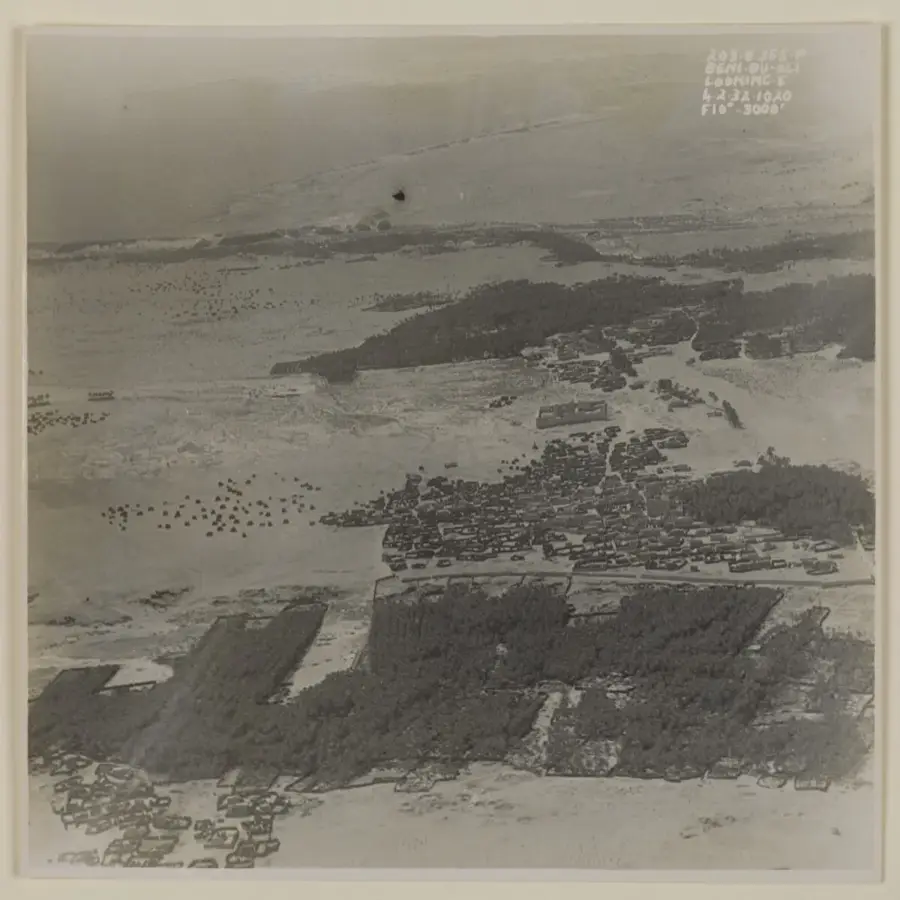
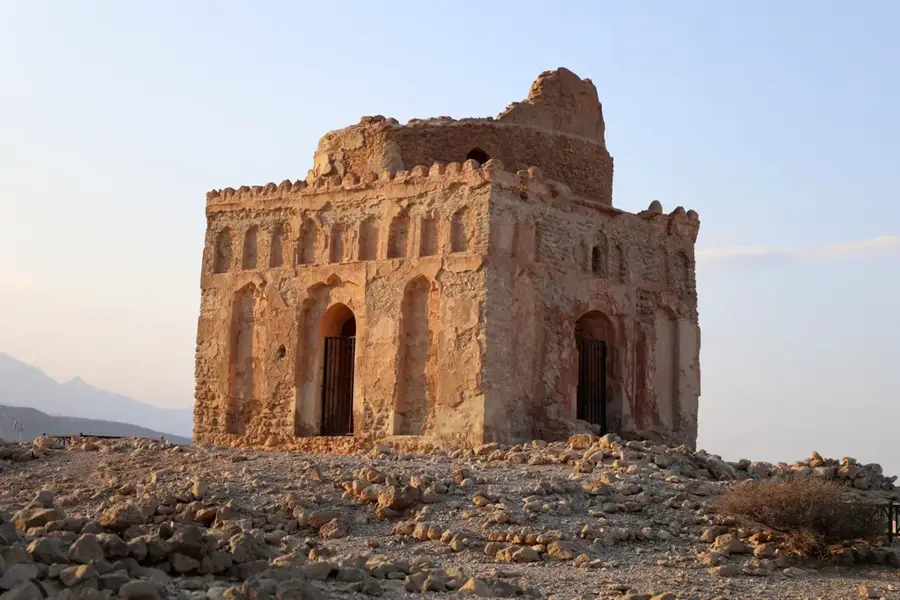
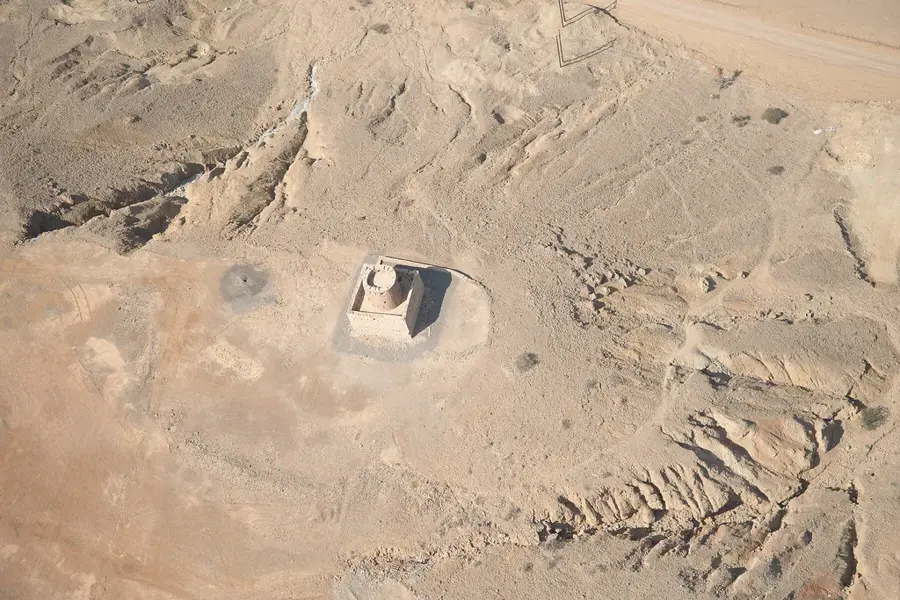
The ancient city of Qalhat, a UNESCO World Heritage site, was once the first capital of Oman and a major port on the east coast. Between the 11th and 15th centuries, the city flourished under the rule of the Kingdom of Hormuz, maintaining trade links as far as China and East Africa. Travelers like Marco Polo and Ibn Battuta described it as a busy and prosperous city. Qalhat's architecture bears witness to this wealth, although few structures remain today. The most prominent remnant is the Mausoleum of Bibi Maryam. The city was destroyed in the early 16th century by Portuguese attacks and a major earthquake, and was never rebuilt. The ruins, which cover 35 hectares, provide archaeologists with valuable insights into medieval urban life and the Indian Ocean trade networks.

Best time to visit & climate

The most pleasant time to visit is Jan, Feb, Dec.

JanFebMarAprMayJunJulAugSepOctNovDec
Avg °C202124293233323130282421
Rain mm99149614732477

📋 Practical info

🚪
Visiting
Visitors can explore the evocative, scattered remnants of this once-thriving coastal city, with the beautifully preserved Bibi Maryam Mausoleum being the absolute highlight. While you can wander freely among the outer stone foundations, access inside the main mausoleum is often protected by barriers.
🕒
Typical hours
The archaeological site is usually accessible to visitors during regular daylight hours throughout the week, offering the best visibility for exploration. It is advisable to avoid visiting during the peak midday heat, as the area features very little natural shade or shelter from the intense sun.
📷
Photography
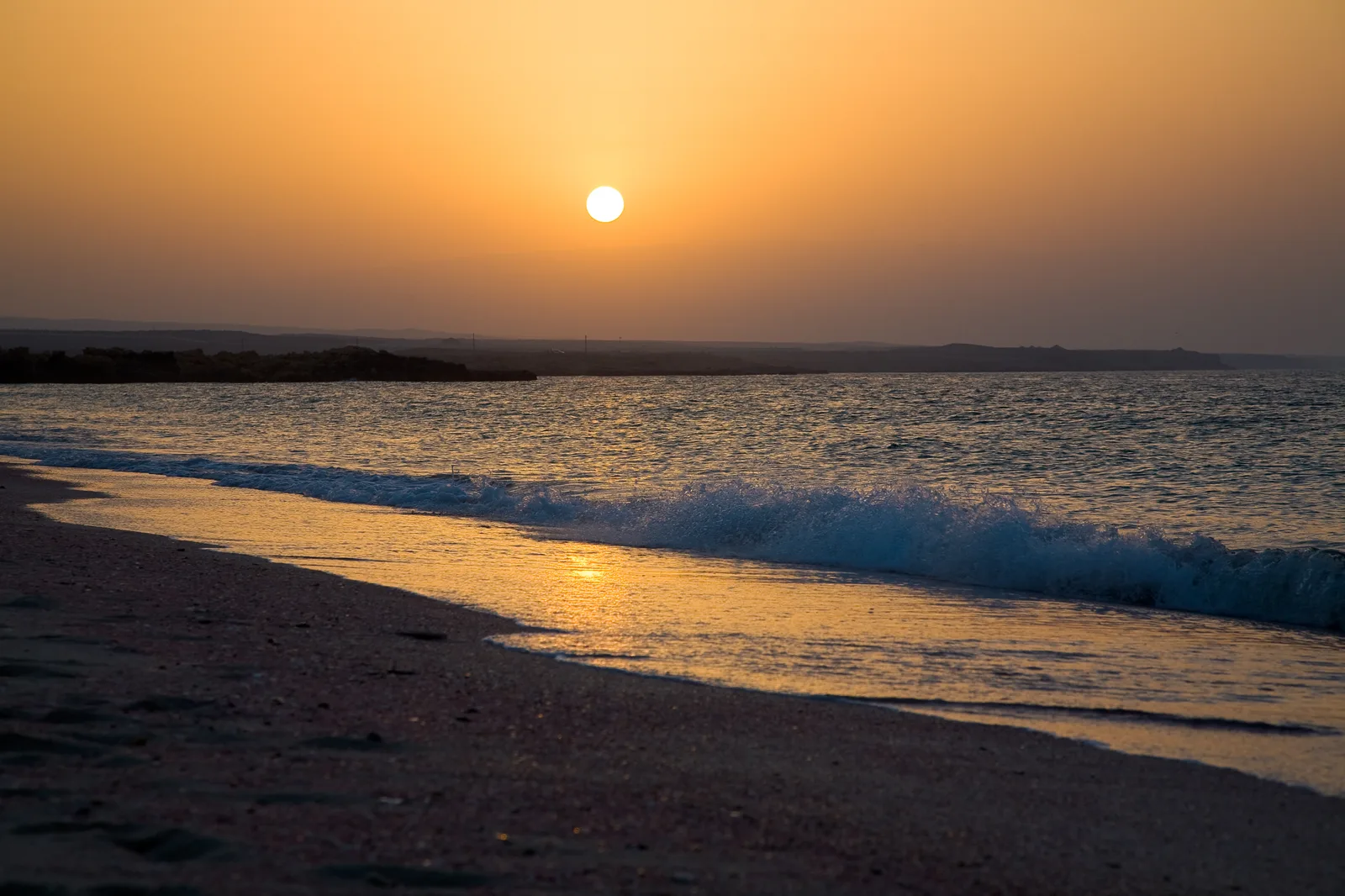
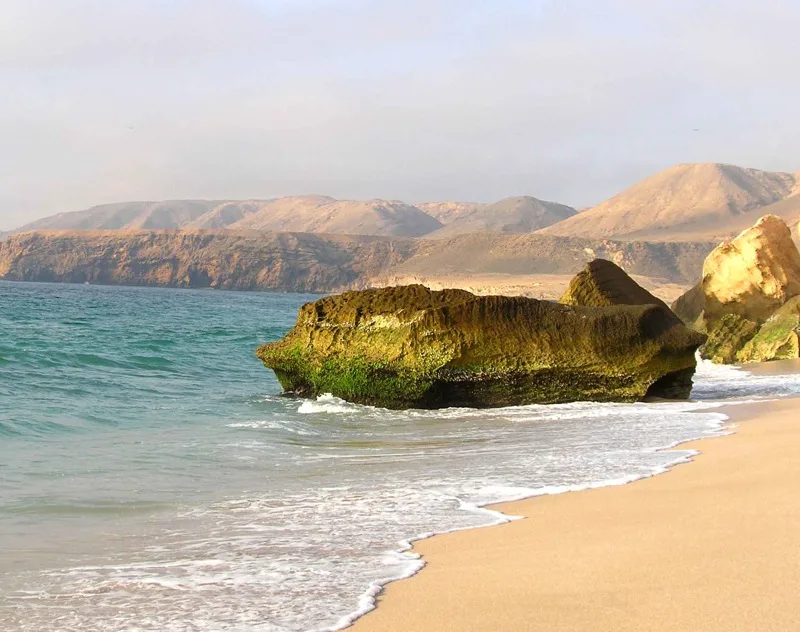
The striking contrast between the ancient coral-stone ruins, the rugged coastal mountains, and the deep blue waters of the Gulf of Oman makes for spectacular landscape photography. The solitary Bibi Maryam Mausoleum looks particularly dramatic when photographed against the soft, golden light of sunrise.
⏱️
Time needed
Most travelers find that one to two hours is more than sufficient to walk among the scattered ruins, read the informative plaques, and take memorable photographs. Since the site is relatively compact and open, a brief but focused visit is usually enough to fully appreciate its deep historical significance.
Combine with
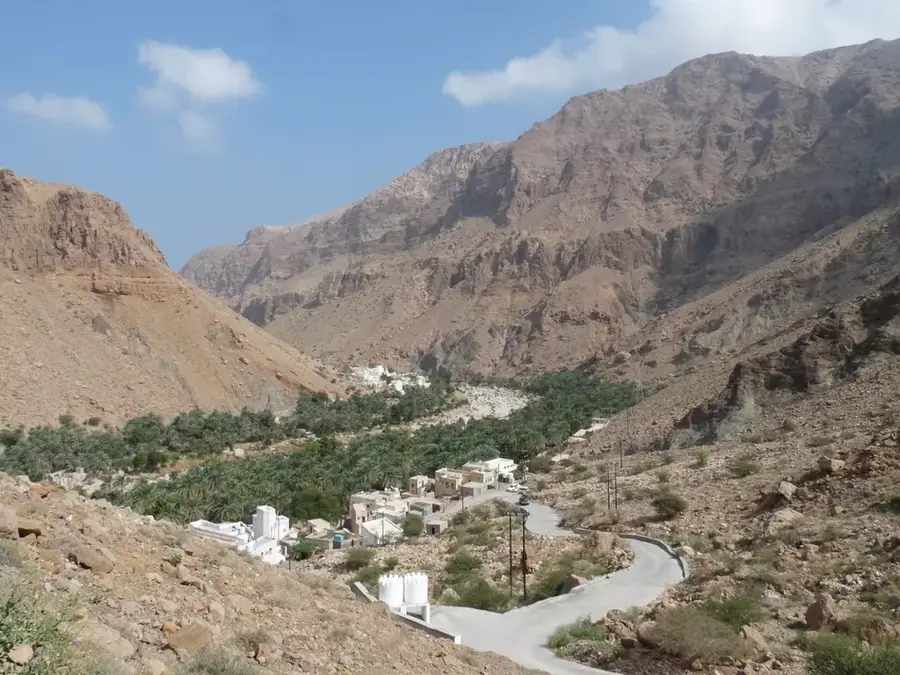
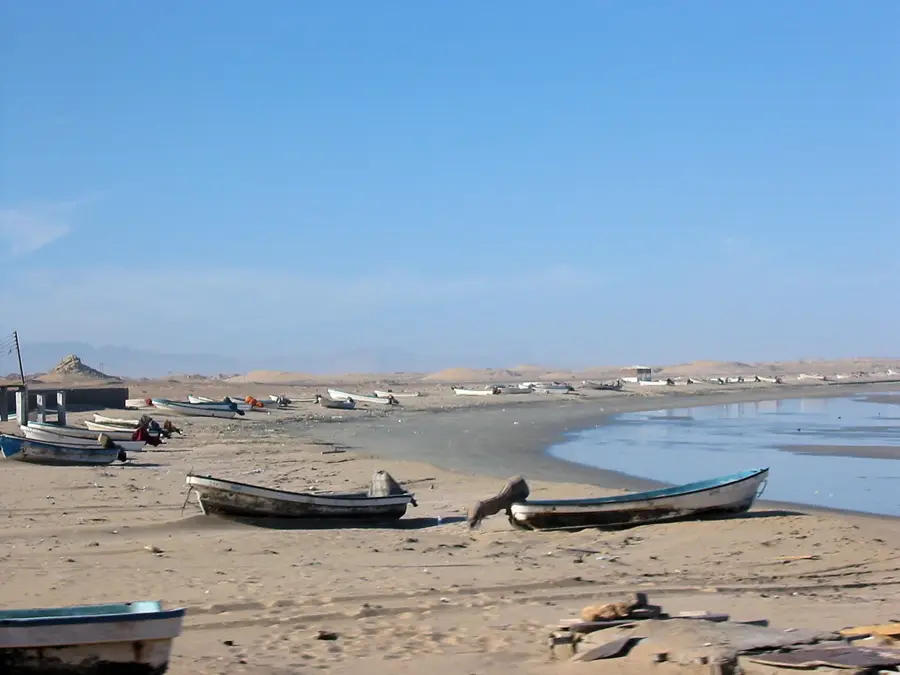
This historical visit is frequently combined with a refreshing stop at Wadi Shab or Wadi Tiwi, which are both renowned for their remarkable natural pools and excellent hiking routes. The beautiful coastal drive from Sur also has numerous opportunities to explore hidden beaches and small fishing villages.
🧭
Getting there
The ancient city is conveniently located directly off the modern coastal highway connecting Muscat to Sur, making it incredibly accessible for road-trippers and independent travelers. A well-marked turnoff leads straight to a designated parking area, requiring only a short, straightforward walk to reach the ruins.
💡
Insider tip
Sturdy walking shoes are highly recommended, as the ground around the archaeological site is very uneven and littered with loose stones and coral fragments. Additionally, be sure to carry plenty of drinking water and sun protection, as the radiant heat reflecting off the coastal landscape can be overwhelming.

Geography

Coordinates
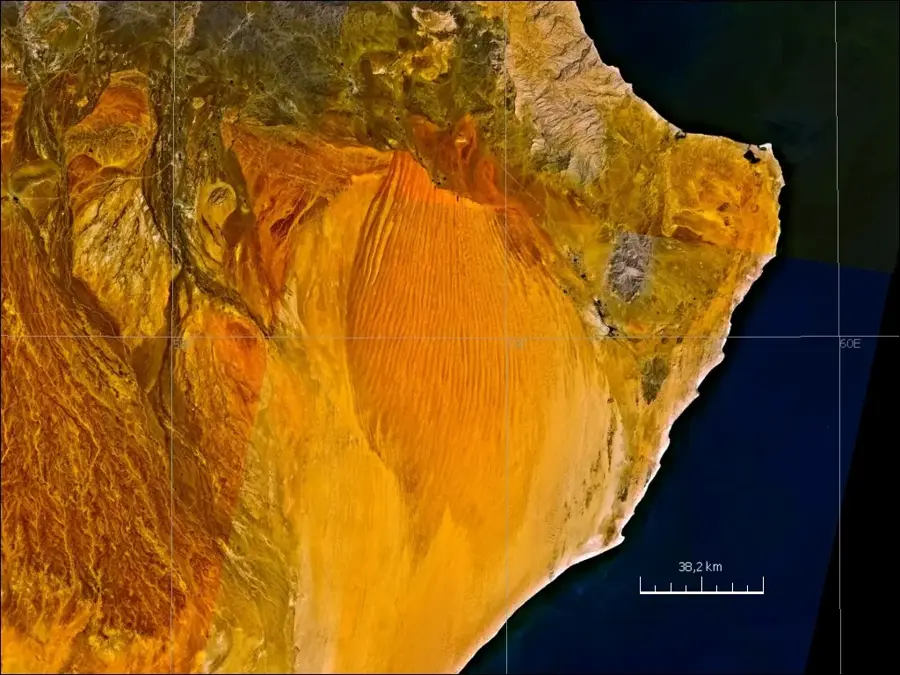
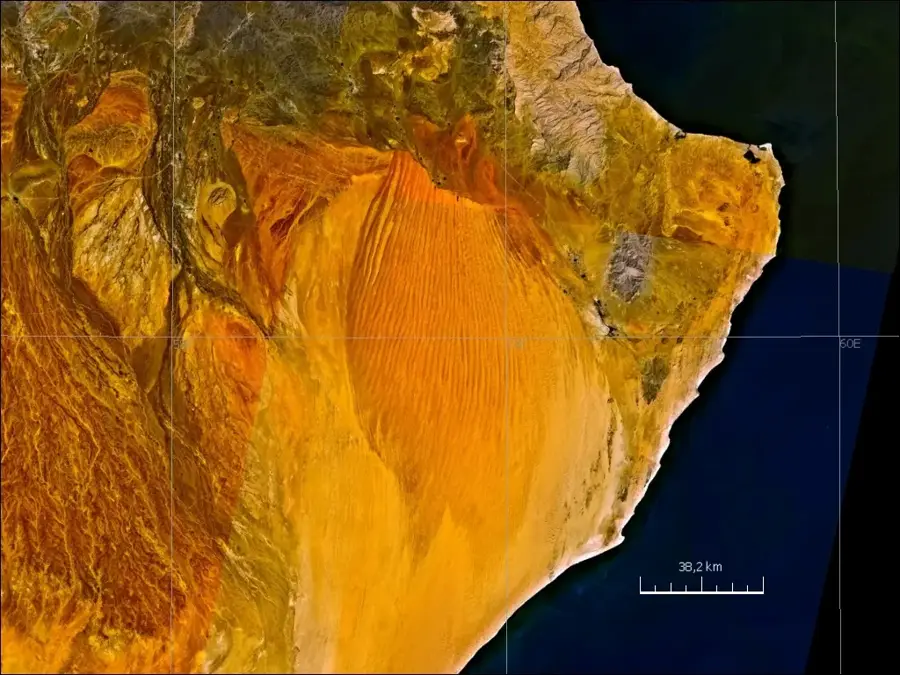
22.69750, 59.37360

Facts

  • It was famous for exporting Arabian horses.
  • The city had a sophisticated water supply system.
  • Finds of Chinese porcelain prove trade with the Far East.
  • Most buildings were constructed from coral stone.
  • The site has only been systematically researched in recent decades.
  • The ruins include a large Friday mosque and fortifications.

Explore nearby

Notable places around

Route planner — Car & Motorhome

Where do you start? We build the route here, with stops and country notes along the way.

Vehicle
Only stops with (optional):

© OpenStreetMap contributors · OpenRouteService

Sights in the town Ancient City of Qalhat (1)

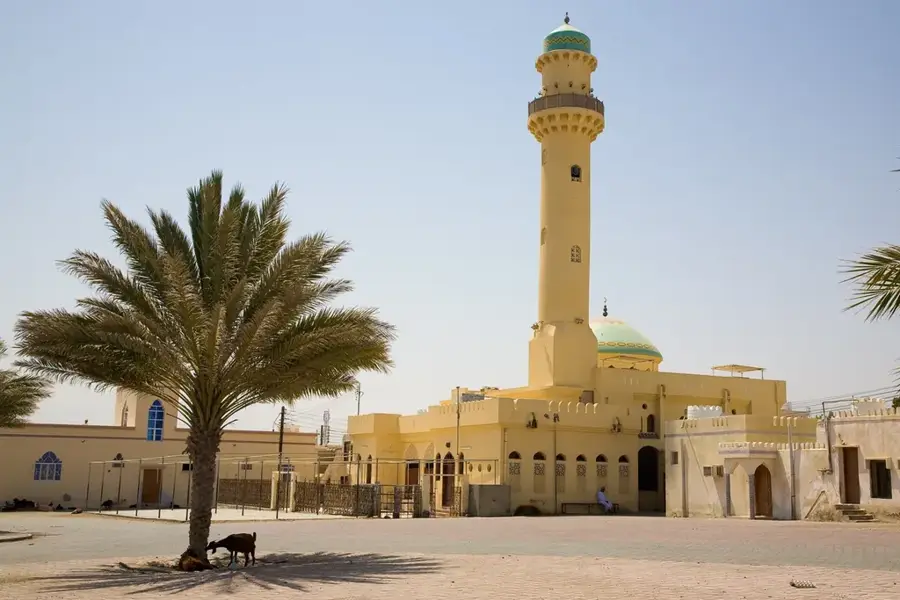
Friday Mosque🏺 historical

The ruins of the Friday Mosque bear witness to the Islamic history of the ancient city of Qalhat.

Sights nearby

Frequently asked questions

What is the city of Qalhat?
Qalhat is a UNESCO World Heritage site and a significant ruin site of an ancient trading port.
What is the main site objective?
The Mausoleum of Bibi Maryam is the only largely preserved building.
Is entry free?
Yes, access to the ruins is currently open.
Do you need a car?
Yes, the site is located directly on the coastal road between Muscat and Sur.
When is the best time?
Avoid the midday heat; early morning hours offer the best atmosphere.
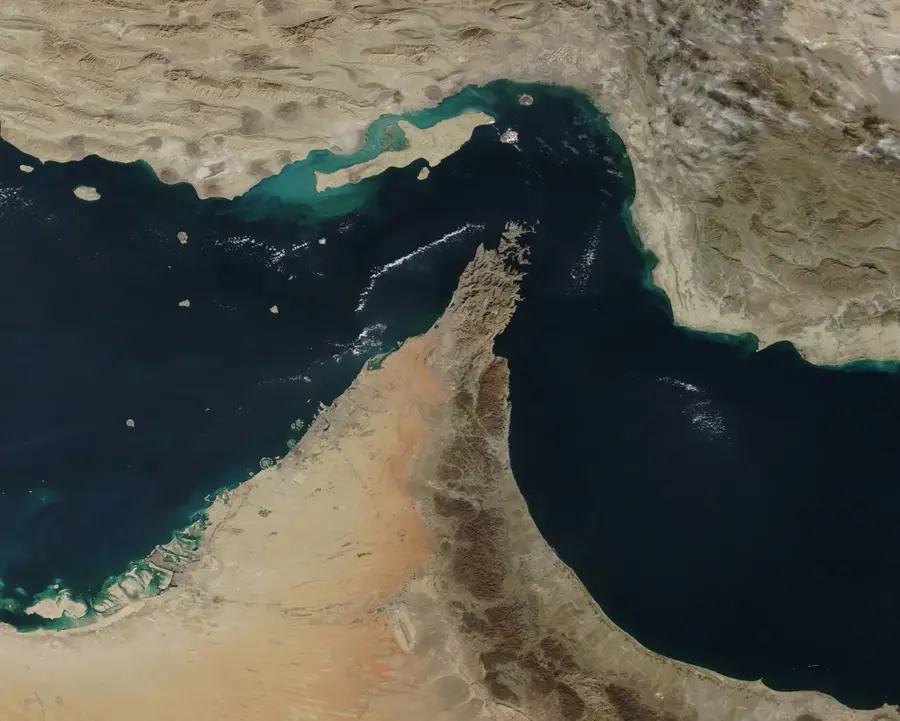
Ancient City of Qalhat: where is it located?
Ancient City of Qalhat is located in Oman.
Ancient City of Qalhat: when is the best time to visit?
The most pleasant time to visit is Jan, Feb, Dec.
Ancient City of Qalhat: why is it worth visiting?

The ancient city of Qalhat, a UNESCO World Heritage site, was once the first capital of Oman and a major port on the east coast.
View on map → The Top 50 Attractions → OpenStreetMap →
Asia
Explore with Plizio Discover more places in Asia
More places in Oman →

Nearby cities

History & landmarks
More places