Plizio Visual Lab
Femundsmarka
Weather…
Water temperature…
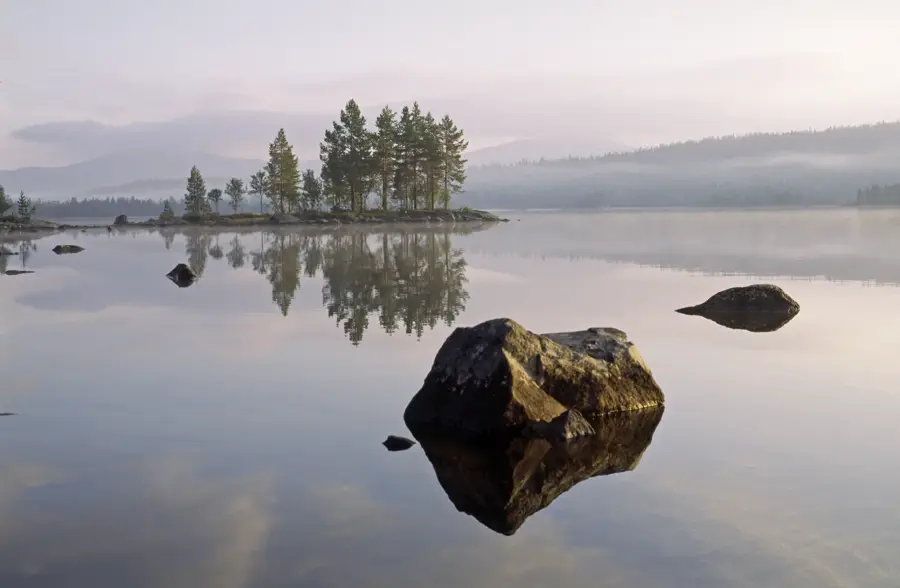
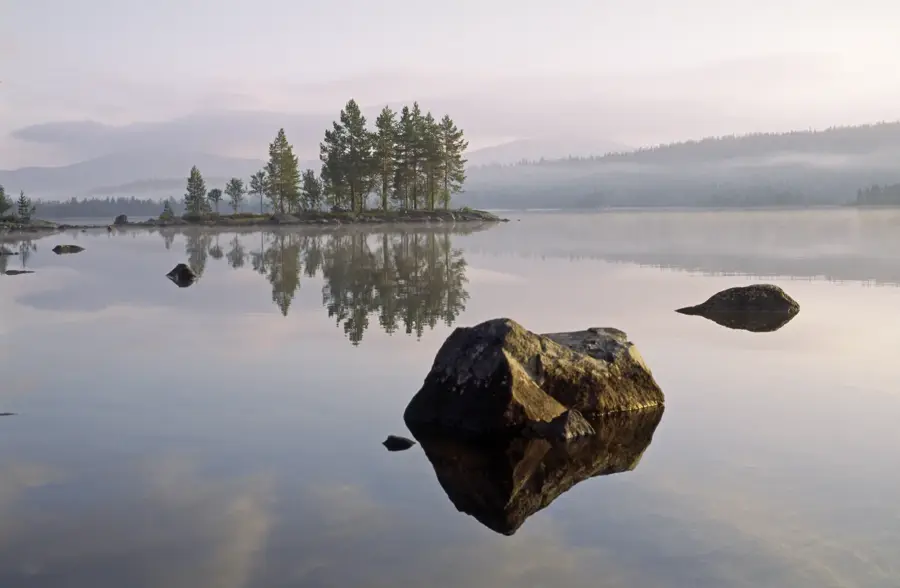
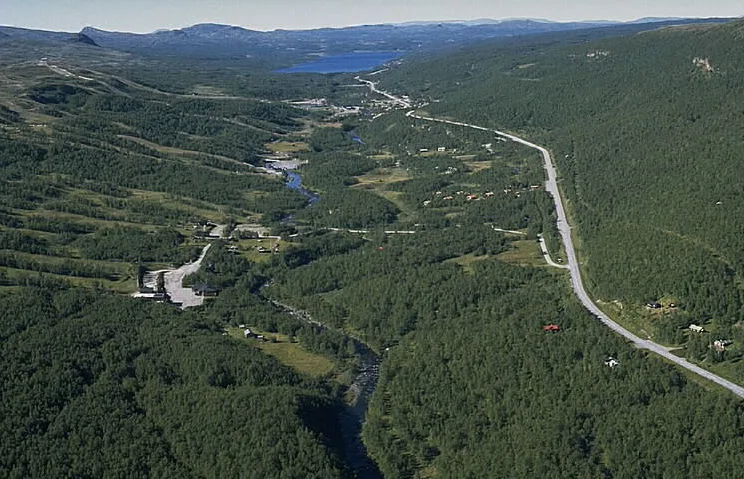
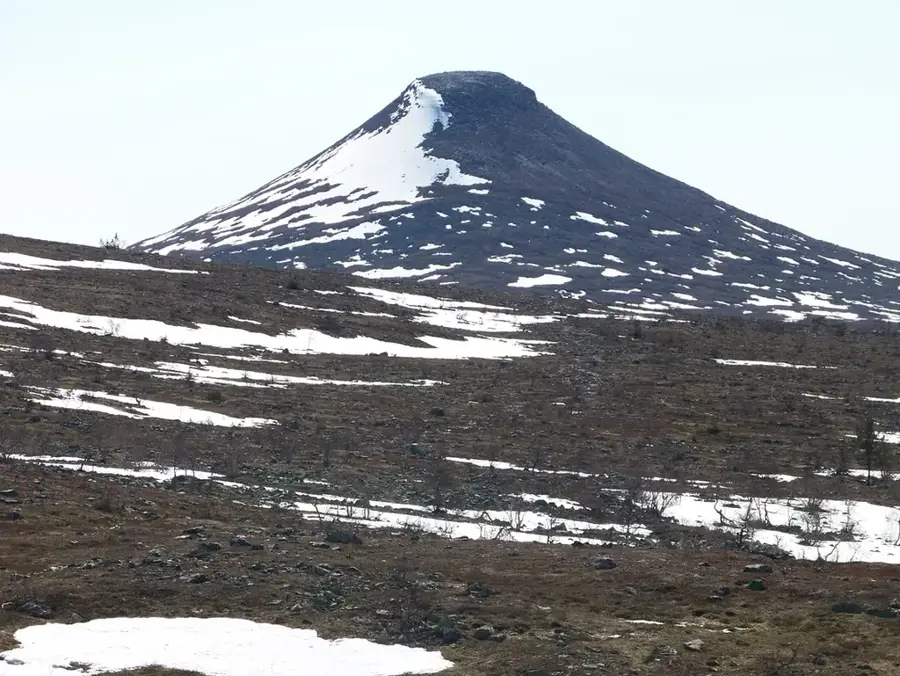
Femundsmarka National Park is located in eastern Norway along the Swedish border, celebrated for its rugged and ancient wilderness landscape. Established in 1971, the park spans 573 square kilometers and lies adjacent to Lake Femunden, Norway's third-largest lake. The terrain is characterized by stark boulder fields, moraine ridges, and open, centuries-old pine forests where some trees have stood for over 500 years. This unique topography was formed by the sediment deposits of receding glaciers at the end of the last ice age. The park provides a sanctuary for a wide variety of wildlife, including brown bears, wolverines, and golden eagles, while its numerous lakes are abundant with trout and char. Historically, the area was sparsely inhabited but utilized for timber and seasonal grazing. The profound silence and remoteness of Femundsmarka make it a premier destination for canoeists, anglers, and hikers seeking an authentic wilderness experience. Management priorities include preserving biological diversity and protecting the rare old-growth forests from modern development.
📋 Practical info
Geography
Facts
- The park was officially established in 1971.
- The total area covers approximately 573 square kilometers.
- Lake Femunden is the 3rd largest lake in Norway at 203 km².
- Many of the pine trees in the park are over 500 years old.
- The region is home to a resident population of brown bears.
- The landscape is characterized by glacial dead-ice moraines.
Explore nearby
Notable places around
Route planner — Car & Motorhome
Where do you start? We build the route here, with stops and country notes along the way.
© OpenStreetMap contributors · OpenRouteService
Sights nearby
Frequently asked questions
What characterizes the landscape of Femundsmarka?
Is Femundsmarka good for canoeing?
What animals can you find here?
Are there places to eat in the park?
How do you get to the national park?
Femundsmarka: where is it located?
Femundsmarka: why is it worth visiting?

Nearby cities