Plizio Visual Lab

Tumen River
Plizio editorial teamData Sources
River
—°4
Tumen River (North Korea)

Weather…

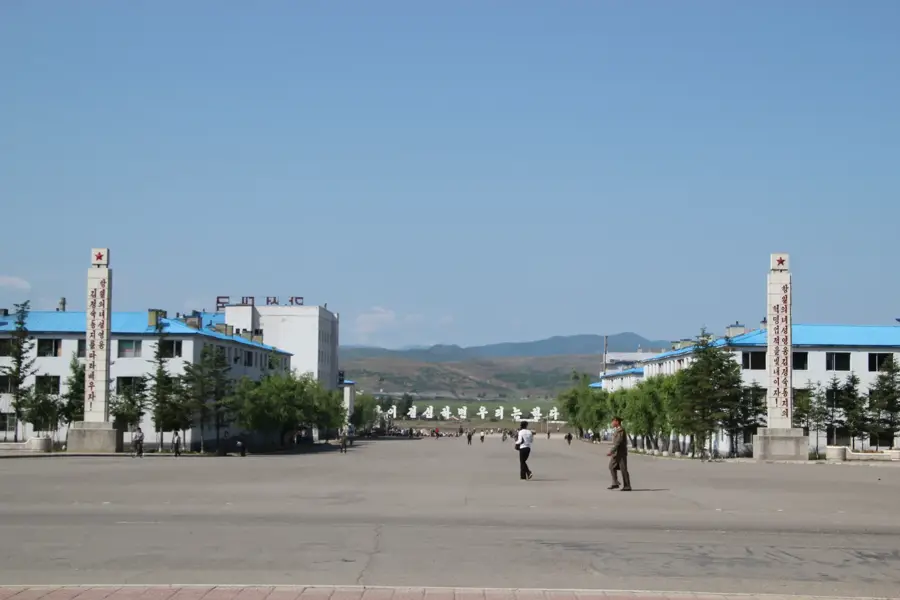
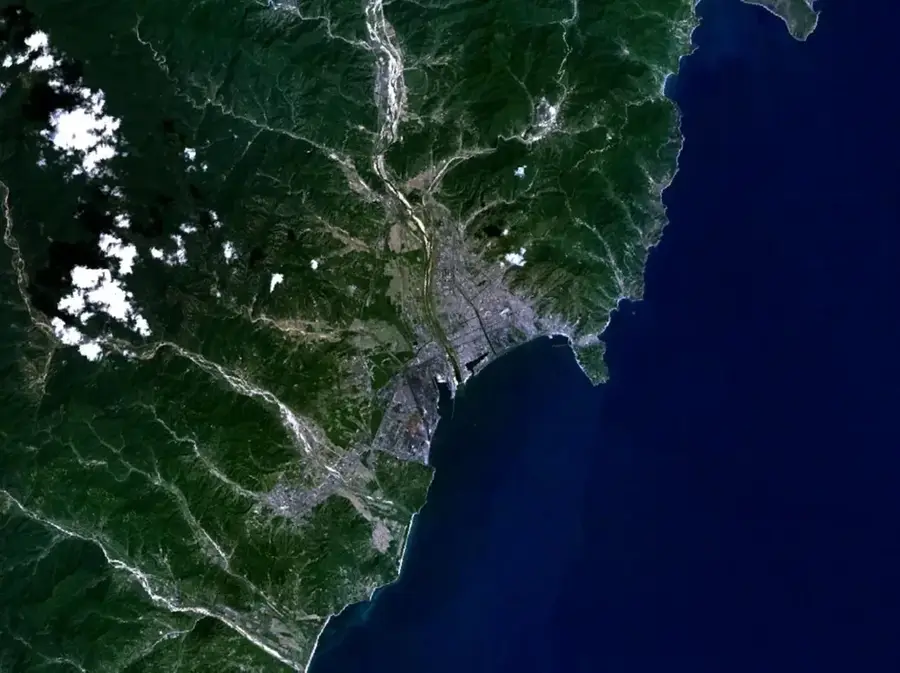
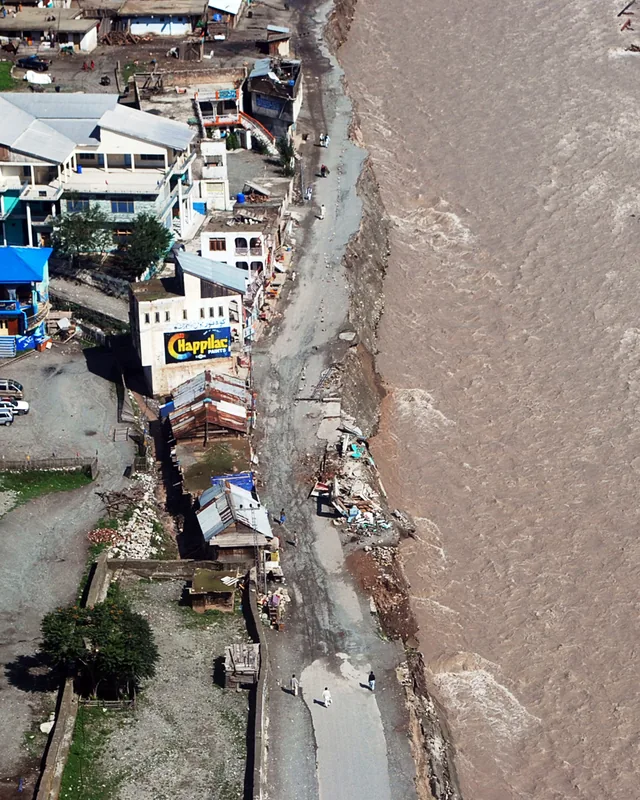
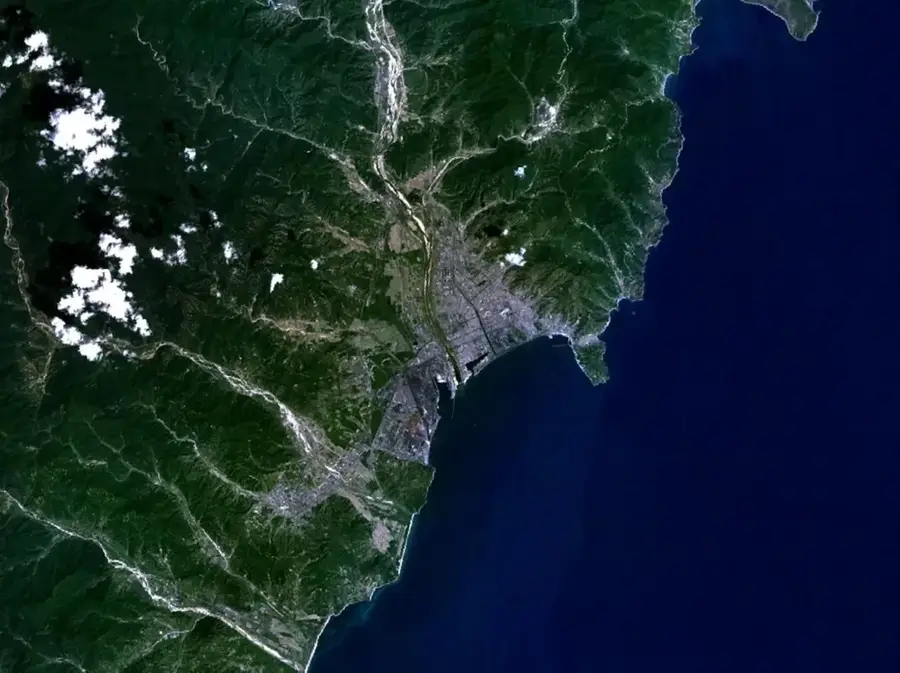
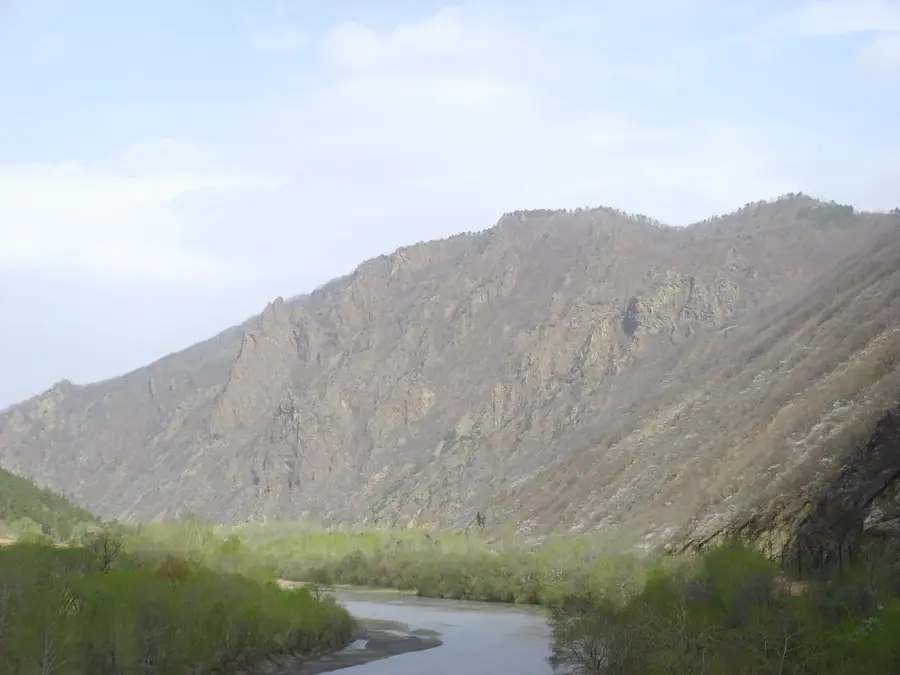
The Tumen River serves as a vital natural boundary between North Korea, China, and a short stretch of the Russian Federation near its mouth. With a total length of approximately 521 kilometers, it originates from the eastern slopes of Mount Paektu and flows into the Sea of Japan. Historically, the river has been a gateway for migration and trade, although its shallow waters often limit large-scale navigation compared to the Yalu River. The region surrounding the Tumen is characterized by extensive wetlands and forests, which provide habitats for various species, though environmental degradation has become a concern in recent decades. It is also the site of the Tumen River Area Development Program, an international effort to promote economic cooperation in Northeast Asia. The border crossings along the river, such as those at Onsong and Namyang, are essential for the limited local trade between North Korea and China. Due to its strategic location, the river is heavily monitored, yet it remains a central geographical feature defining the geopolitical dynamics of the Tumen River Basin.

Best time to visit & climate

The most pleasant time to visit is Jun, Jul, Sep.

JanFebMarAprMayJunJulAugSepOctNovDec
Avg °C-10-7071217212217101-8
Rain mm1010183982881471437644279

📋 Practical info

🧭
Getting there
Access is most commonly from the Chinese side of the border (Yanbian region), as the North Korean side is strictly restricted for tourists. Viewpoints near the border are accessible via paved roads.
📅
Best season
Summer months are pleasant for visiting, but winter also provides an interesting sight when the river partially freezes. In spring, snowmelt can cause river levels to rise and soften the ground on the banks.
⛰️
Terrain & paths
The terrain along the riverbanks is predominantly flat to hilly, with agricultural plots and scattered forests. Near the border, the terrain is often heavily defined by fencing and surveillance installations.
🎒
What to bring
Bring your passport and all necessary permits for border zones. Binoculars are useful for observing the opposite bank; comfortable walking shoes are sufficient for visiting the designated viewpoints.
🅿️
Parking
Parking is available at official border crossings, observation towers, or in nearby Chinese towns such as Tumen. Strictly adhere to designated parking zones when operating in sensitive border areas.
⚠️
Safety
This is a highly sensitive border area; photography of military installations is strictly prohibited. Never attempt to cross the border unauthorized and follow all instructions from security personnel.
⏱️
Time needed
A visit to the river viewpoints typically lasts between 1 and 3 hours. If you intend to explore the surrounding towns and broader border regions, you should plan for a full day of travel.

Geography

Coordinates
42.40000, 130.60000

Facts

  • The river's total length is approximately 521 kilometers.
  • It borders North Korea, China, and the Russian Federation.
  • The river originates from the eastern slopes of Mount Paektu.
  • It flows into the Sea of Japan (East Sea of Korea).
  • The area is part of the Tumen River Area Development Program.
  • Major border crossings are located at Onsong and Namyang.

Explore nearby

Notable places around

Route planner — Car & Motorhome

Where do you start? We build the route here, with stops and country notes along the way.

Vehicle
Only stops with (optional):

© OpenStreetMap contributors · OpenRouteService

Sights in the town Tumen River (4)

Rear Russia-Korea maritime boundary📍 landmark

A lighthouse at the mouth of the Tumen River, marking the maritime boundary between Russia and North Korea.

Khasansky Nature Park🌿 nature

This nature reserve protects the wetlands along the Tumen River where Russia, China, and North Korea meet.

Korea–Russia Friendship Bridge📍 landmark

Completed in 1959, this railway bridge over the Tumen River is the only land link between Russia and North Korea.

stolb trekh granits⛪ religious

A symbolic border marker at the tripoint where the territories of Russia, China, and North Korea meet.

Sights nearby

Frequently asked questions

Which countries border the Tumen River?
North Korea, China, and Russia meet at the mouth of the river.
Is the river navigable?
Only to a limited extent, mostly for small fishing boats and near the mouth.
Are there bridges to Russia?
Yes, the Friendship Bridge over the Tumen is the only rail connection to Russia.
How deep is the river on average?
It is rather shallow, which historically made it a frequently used border crossing point.
What vegetation is found along the banks?
Mostly willows, reeds, and dense forests in the upper reaches.
Tumen River: where is it located?
Tumen River is located in North Korea.
Tumen River: what is there to see?
Highlights include Rear Russia-Korea maritime boundary, Khasansky Nature Park, Korea, Russia Friendship Bridge.
Tumen River: when is the best time to visit?
The most pleasant time to visit is Jun, Jul, Sep.
Tumen River: why is it worth visiting?
The Tumen River serves as a vital natural boundary between North Korea, China, and a short stretch of the Russian Federation near its mouth.
View on map → The Top 50 Attractions → OpenStreetMap →
Asia
Explore with Plizio Discover more places in Asia
More places in North Korea →

Nearby cities

More places