Plizio Visual Lab
Anju
ℹ️Practical info — Anju
▾
🌤 Weather — 5 days
📍 Nearby
Sights nearby
💡 Tips
- Travel to Anju is strictly controlled; you must be part of an officially approved guided tour to visit.
- You will be accompanied by guides at all times. Do not attempt to leave your hotel or designated areas without them.
- Photography is highly restricted. Always ask your guides for explicit permission before taking pictures of anything, especially infrastructure.
- There are no local currency exchanges for tourists; bring euros or Chinese yuan in small denominations for any permitted purchases.
🍽 Food
A traditional Korean dish often served in tourist-approved restaurants. Expect it to be refreshing and slightly sweet.
Meat grilled at your table, typically arranged by your tour operators in designated dining halls.
Try the domestically produced alcoholic beverages during your scheduled evening meals at the hotel.
🛍 Shopping · 🧘 Quiet spots
Shopping is limited to designated state-run stores where you can buy ginseng products, stamps, and propaganda posters.
Your hotel will likely have a small counter selling basic souvenirs, tea, and local books translated into foreign languages.
If your tour allows a stop by the river, it has a serene view of the water and the surrounding countryside.
Since independent walking is restricted, the gardens or immediate grounds of your hotel are the best places for some quiet time.
Water temperature…
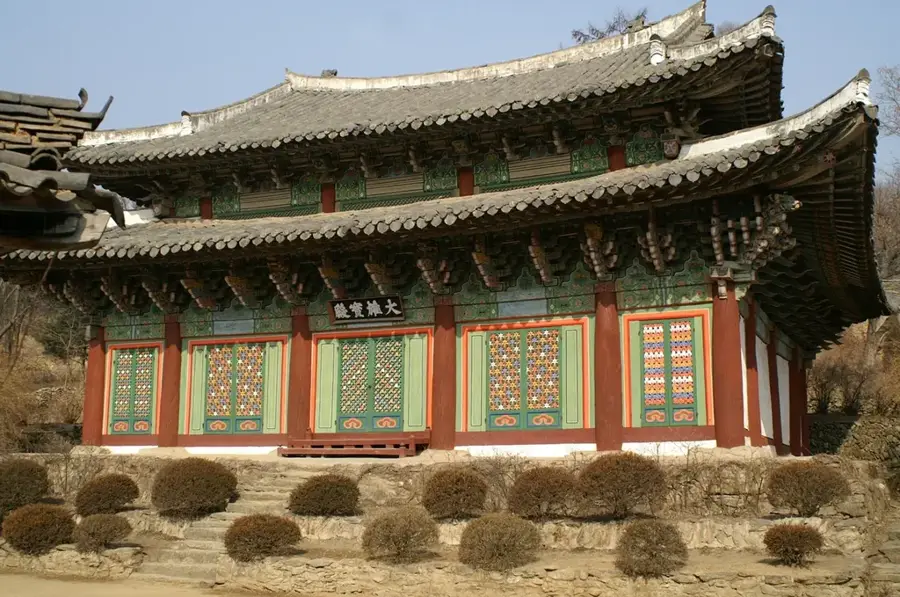
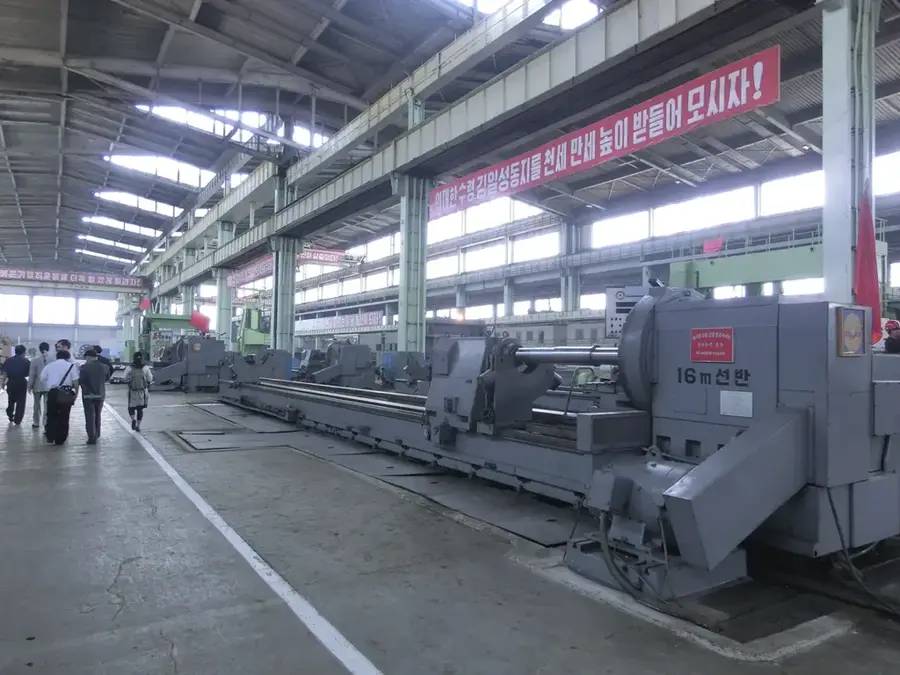
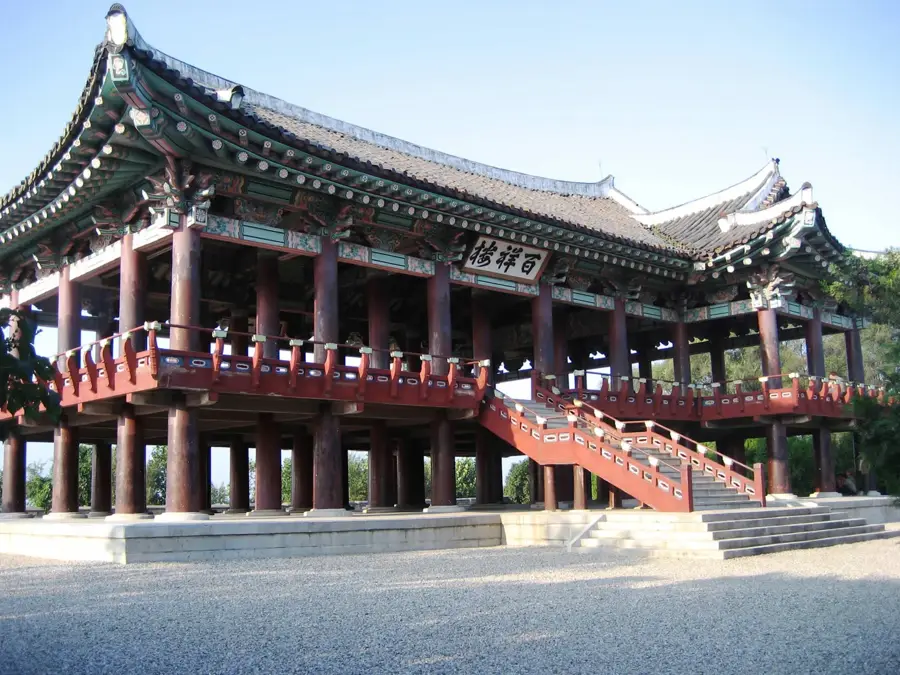
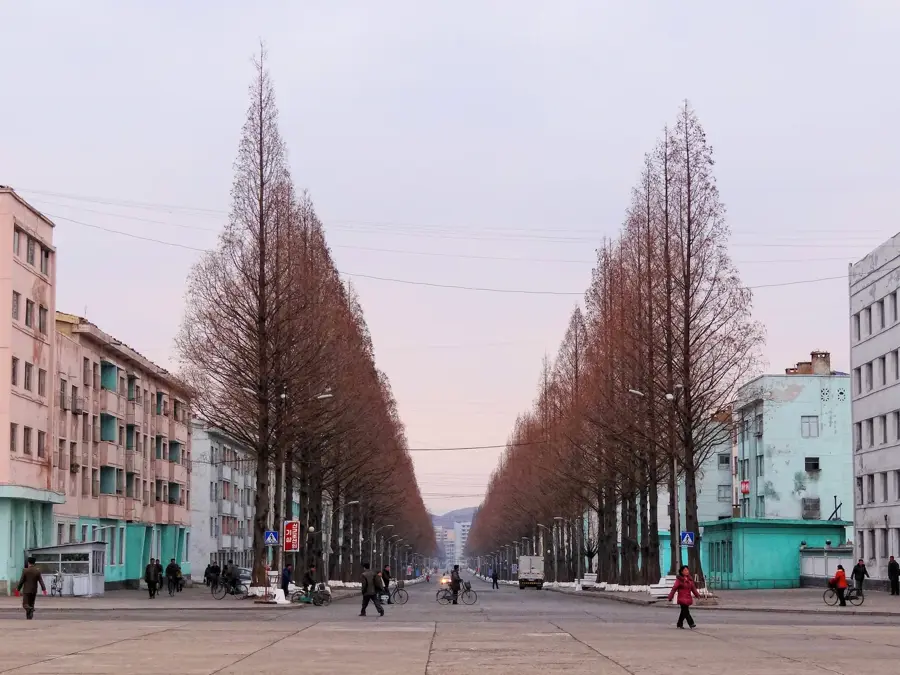
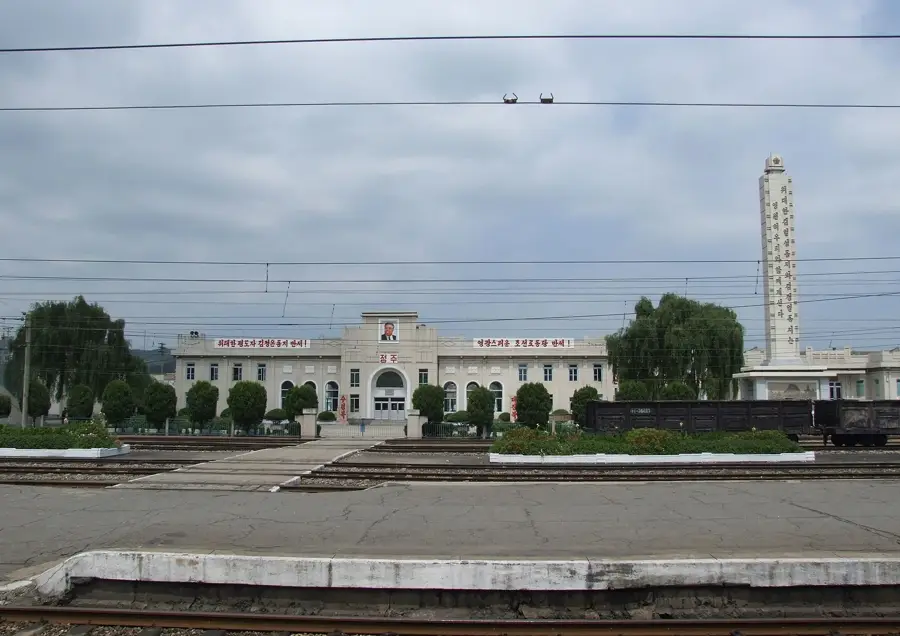
Anju is a historically significant city in South Pyongan Province, situated along the scenic banks of the Chonchon River in western North Korea. The region is primarily recognized as the heart of the Anju Coalfield, one of the nation's most productive anthracite coal deposits, which supplies energy to numerous power plants and industrial facilities. Throughout Korean history, Anju served as a vital defensive outpost during the Goryeo and Joseon dynasties, a legacy preserved today in historical sites such as the Paeksang Pavilion. In recent decades, the city has evolved into a modern hub for the petrochemical and machinery industries, with industrial expansion directly linked to local raw material extraction. The surrounding plains are among the north's most critical rice-growing areas, granting Anju significant agricultural importance. Its strategic location on the Pyongui railway line ensures excellent connectivity within the national transportation network.
- Location: North Korea
- Top sights: Anju, South Pyongan · Cemetery for Martyrs of the Chinese People's Volunteers
- Nearby: Kaechon (27 km)
- Population: ~50.196 (2012)
Best time to visit & climate
The most pleasant time to visit is May, Jun, Sep.
| Jan | Feb | Mar | Apr | May | Jun | Jul | Aug | Sep | Oct | Nov | Dec | |
|---|---|---|---|---|---|---|---|---|---|---|---|---|
| Avg °C | -7 | -4 | 2 | 9 | 16 | 21 | 24 | 24 | 19 | 12 | 4 | -4 |
| Rain mm | 7 | 19 | 24 | 55 | 82 | 105 | 308 | 250 | 97 | 50 | 52 | 17 |
Geography
Facts
- Located in South Pyongan Province along the Chonchon River.
- The center of the Anju Coalfield, a massive anthracite deposit.
- Site of significant petrochemical industrial complexes.
- The Paeksang Pavilion is a major historical landmark in the city.
- A key stop on the main Pyongyang-Sinuiju railway line.
- The city covers an administrative area of approximately 359 sq km.
Explore nearby
Notable places around


Route planner — Car & Motorhome
Where do you start? We build the route here, with stops and country notes along the way.
© OpenStreetMap contributors · OpenRouteService
Sights in the town Anju (2)
Frequently asked questions
What is there to see historically in Anju?
Is there mining there?
When should you visit Anju?
Are there local festivals?
What is the economic importance?
Anju: where is it located?
Anju: what is there to see?
Anju: when is the best time to visit?
Anju: why is it worth visiting?

Nearby cities

History & landmarks

Nature
More places