Plizio Visual Lab
Kornaka
ℹ️Practical info — Kornaka
▾
🌤 Weather — 5 days
📍 Nearby
Sights nearby
💡 Tips
- The local market is a lively hub where nomads and farmers meet; convenient for observing everyday life.
- Travel early in the morning to avoid the intense midday sun in this arid Sahel region.
- Basic French and a few phrases in Hausa will go a long way here when bargaining and communicating.
- Since dust storms can frequently occur, it is advisable to keep a scarf handy to protect your face.
🍽 Food
You will find this highly spiced, dried meat at many stalls in the local market.
A traditional rice dish served in small, local street kitchens.
Delicious small rice cakes sold on the street as a first-rate snack for on the go.
🛍 Shopping · 🧘 Quiet spots
The region's meeting point for livestock, local produce, and traditional leather goods.
Discover the diversity of local agriculture and smell the fresh spices.
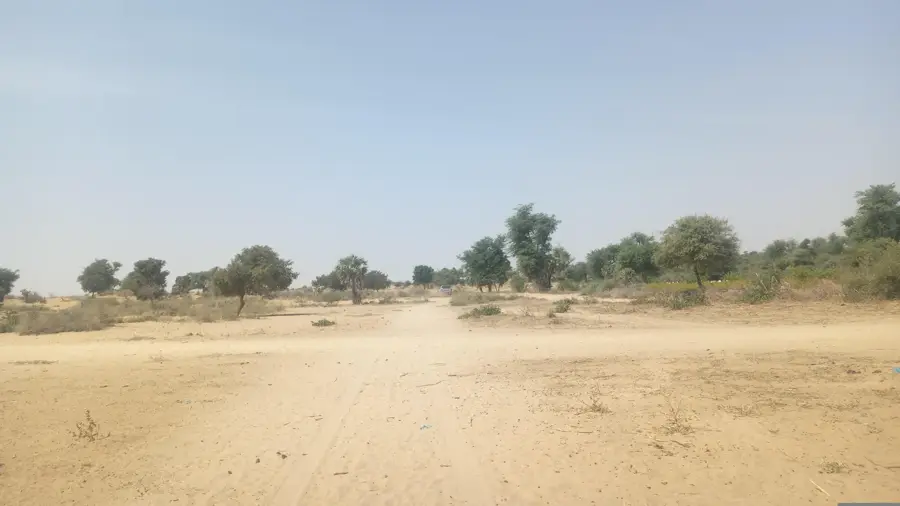
Walk to the edge of the town where the vast savanna begins to see the endless horizon.
Find a spot under the large acacia trees for a quiet rest.
Water temperature…
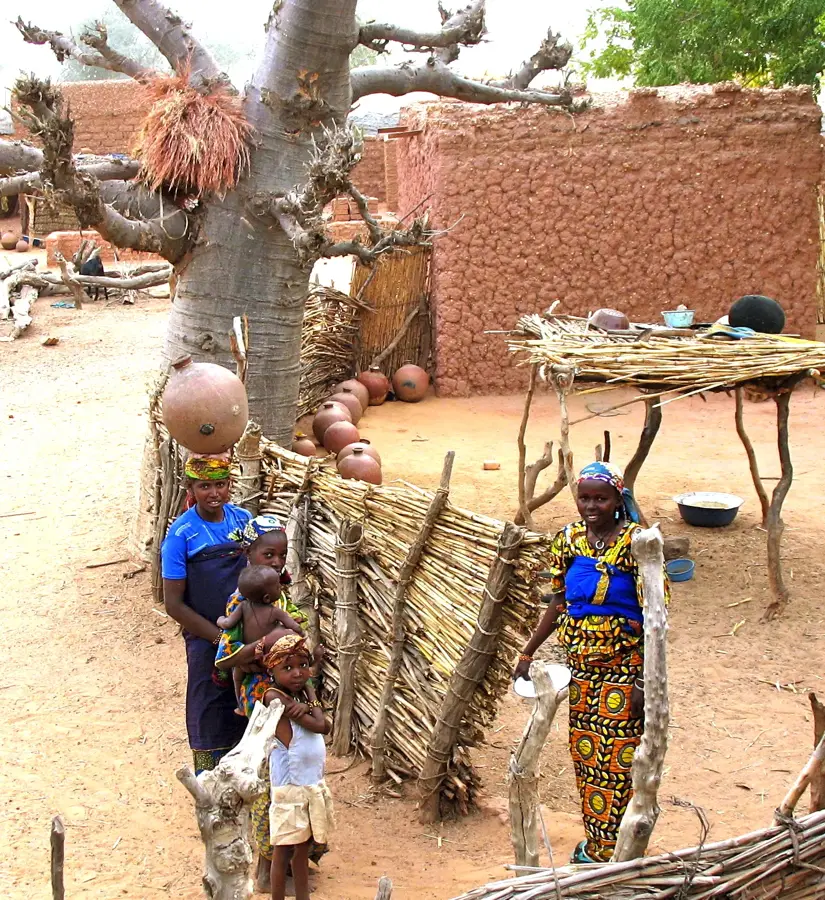
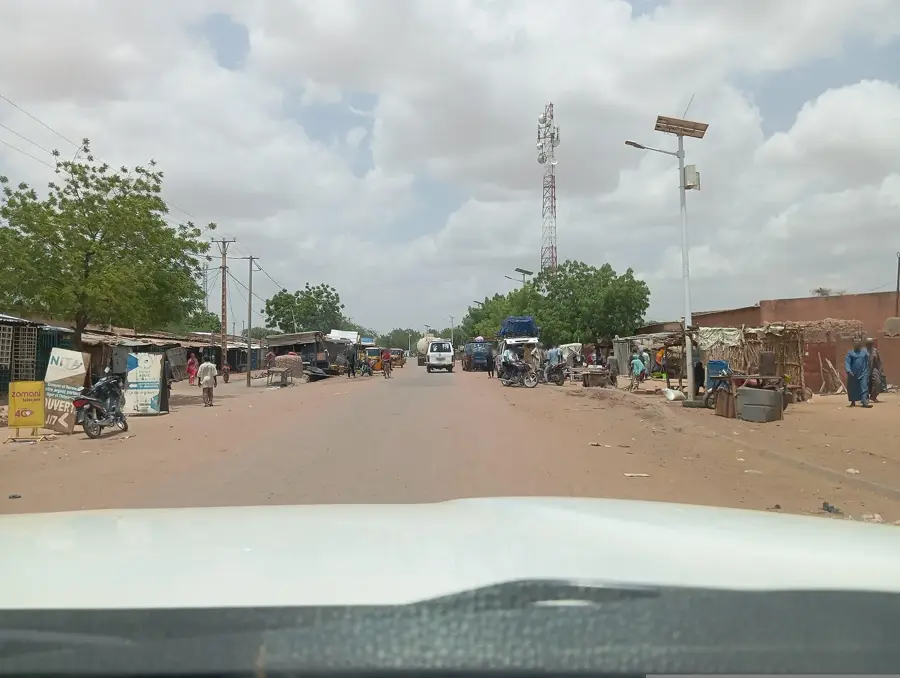
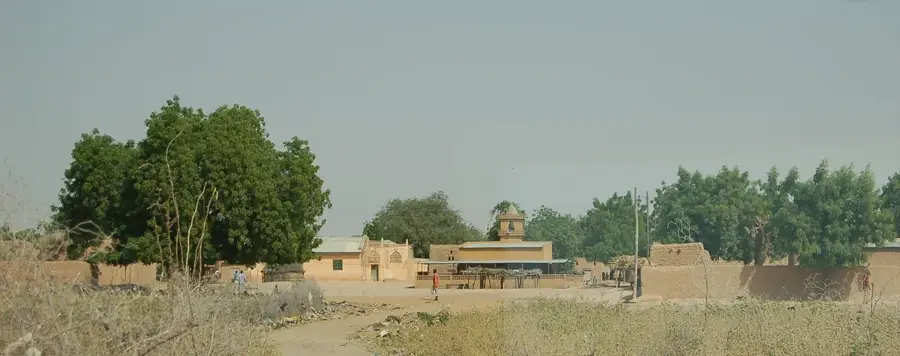
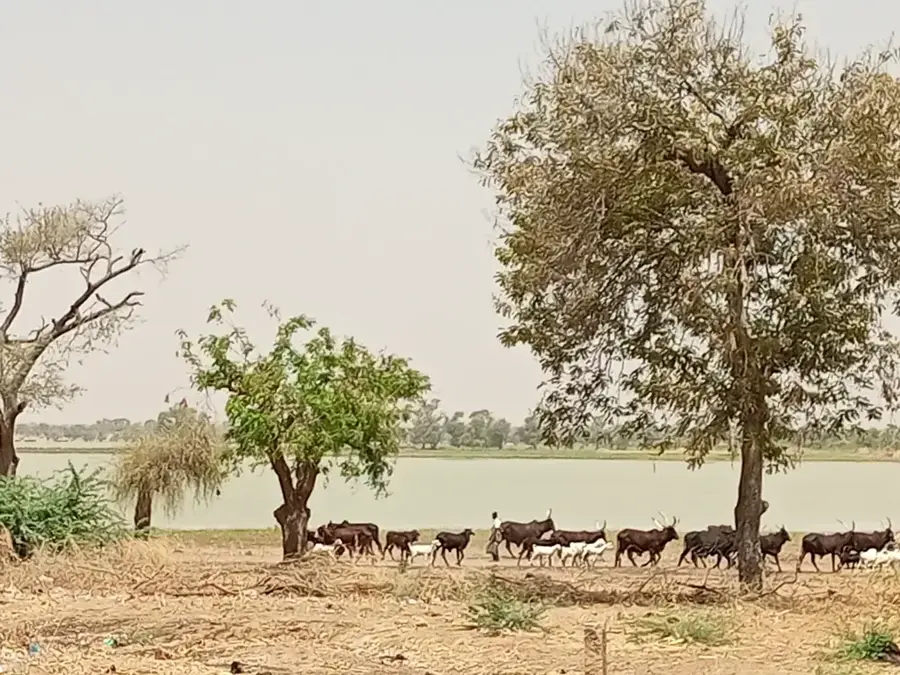
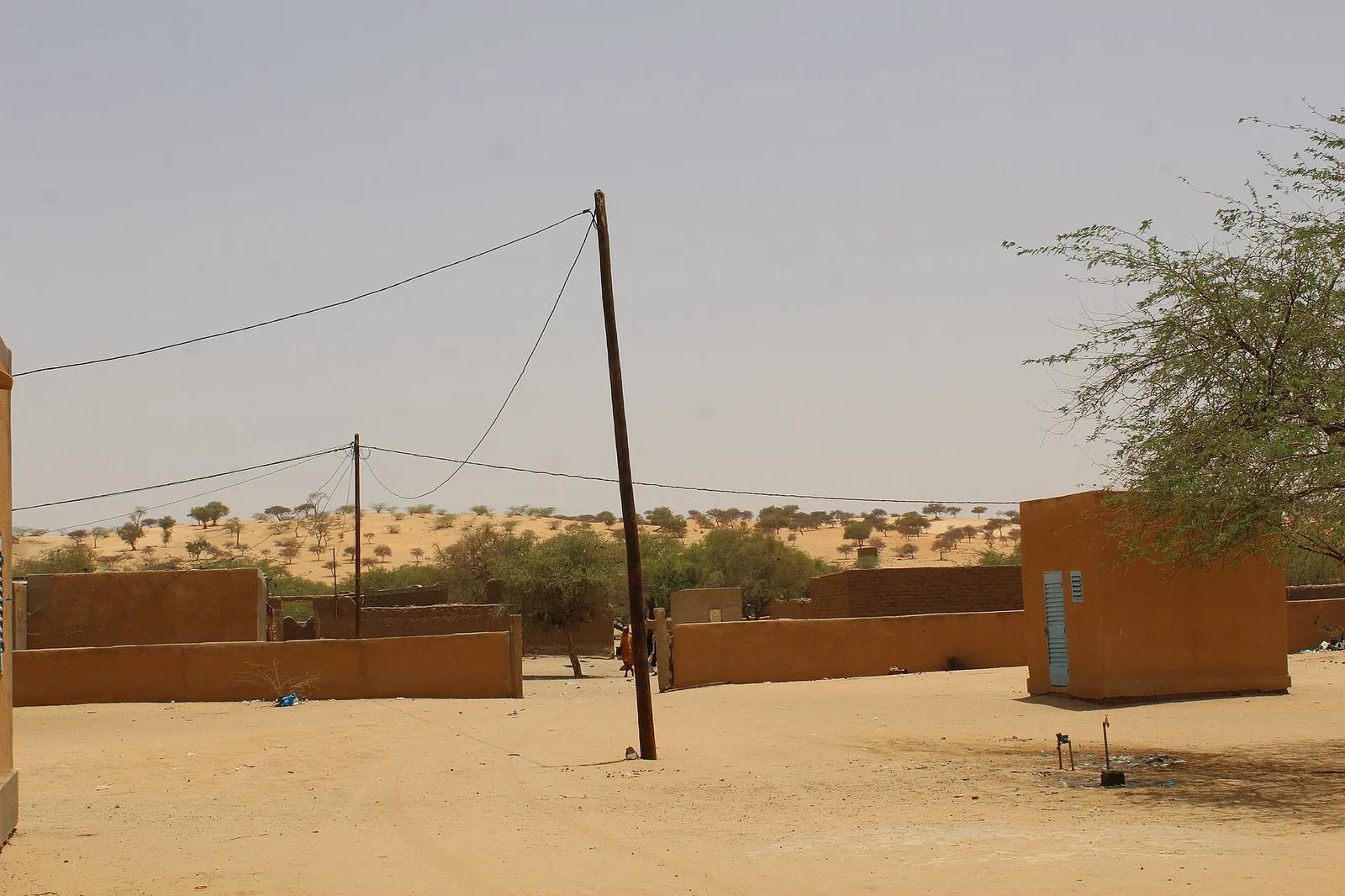
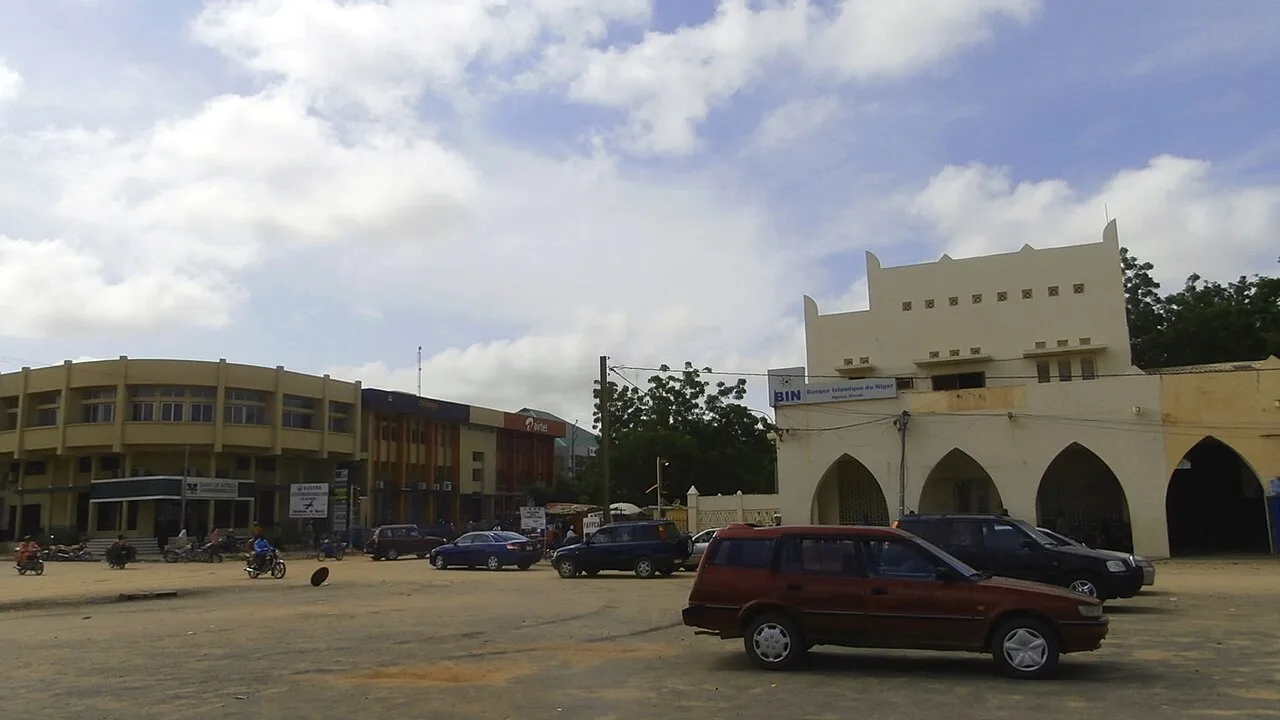
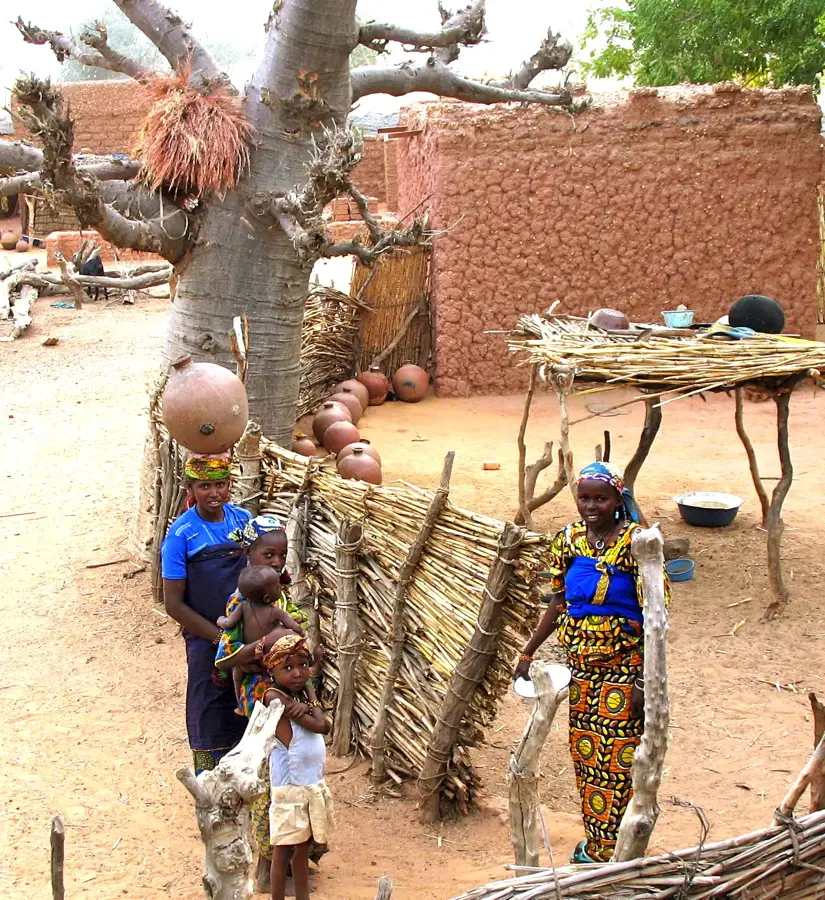
Kornaka is a dynamic town in the Maradi Region of southern Niger, recognized as one of the most productive agricultural centers in the country. The town is situated in a zone with relatively favorable rainfall, enabling the large-scale cultivation of millet, sorghum, and cowpeas. Kornaka plays a central role in the regional food security network, exporting agricultural surpluses to neighboring areas. The local society is deeply influenced by Hausa culture, with traditional markets serving as the heart of economic and social interaction. Due to its high population density, Kornaka also acts as an educational and healthcare hub for the surrounding rural villages. In recent years, sustainable land management projects have been prioritized to ensure long-term crop yields despite ongoing environmental challenges.
- Location: Niger
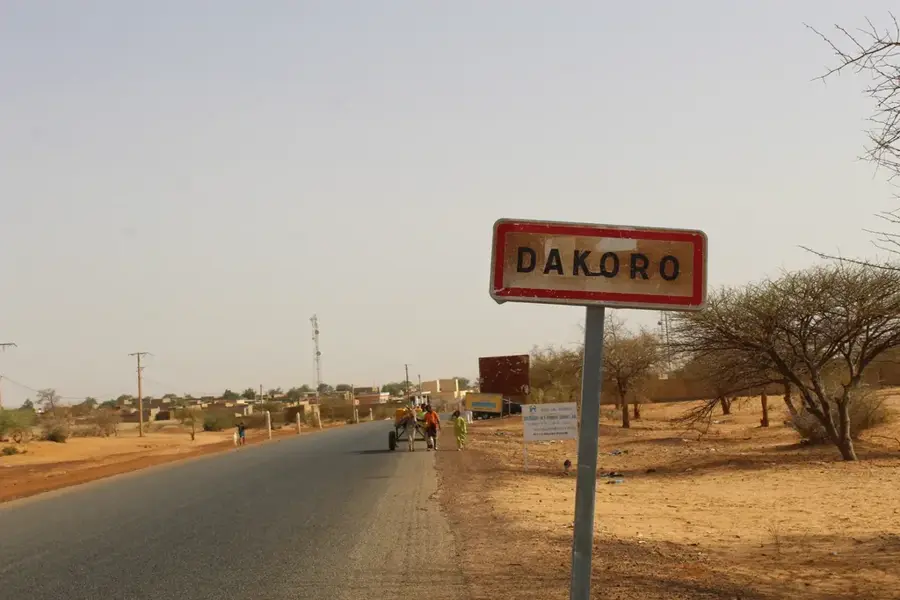
- Nearby: Dakoro (30 km)
Best time to visit & climate
The most pleasant time to visit is Jan, Feb, Dec.
| Jan | Feb | Mar | Apr | May | Jun | Jul | Aug | Sep | Oct | Nov | Dec | |
|---|---|---|---|---|---|---|---|---|---|---|---|---|
| Avg °C | 21 | 24 | 28 | 32 | 34 | 33 | 30 | 28 | 28 | 28 | 25 | 22 |
| Rain mm | 0 | 0 | 0 | 3 | 15 | 44 | 108 | 152 | 62 | 9 | 0 | 0 |
Geography
Facts
- Major agricultural hub located in the Maradi Region.
- Primary center for cowpea (niébé) production and trade.
- Boasts one of the largest grain markets in the southern region.
- Located in an area with relatively high annual rainfall for Niger.
- Serves as a regional focal point for healthcare and education.
- Inhabited primarily by sedentary Hausa farming communities.
Explore nearby
Notable places around


Route planner — Car & Motorhome
Where do you start? We build the route here, with stops and country notes along the way.
© OpenStreetMap contributors · OpenRouteService
Frequently asked questions
What is there to do in Kornaka?
Are there tourist facilities there?
What is the best travel period?
Is a permit required as a tourist?
How is the social climate?
Kornaka: where is it located?
Kornaka: when is the best time to visit?
Kornaka: why is it worth visiting?

Nearby cities

History & landmarks
More places