Plizio Visual Lab
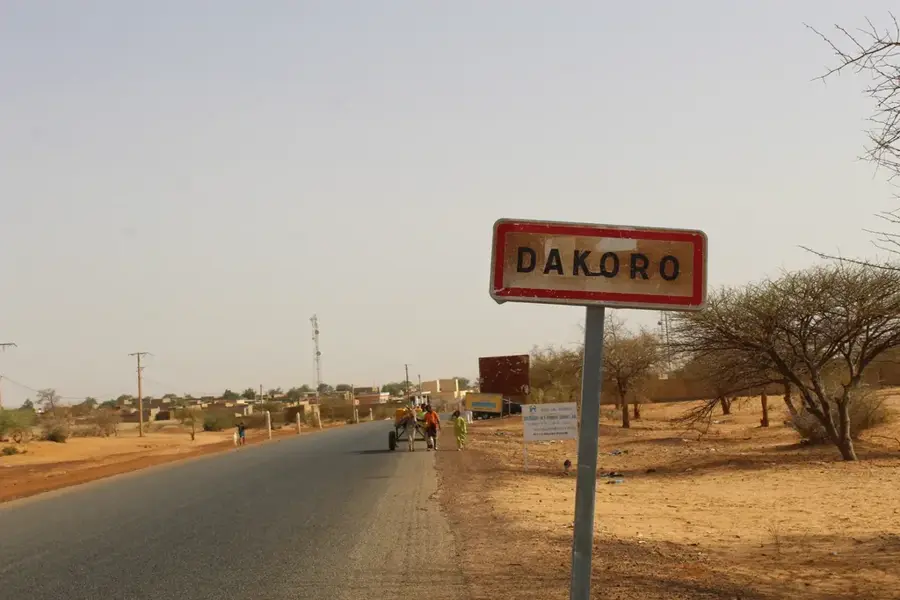
Dakoro
ℹ️Practical info — Dakoro
▾
🌤 Weather — 5 days
📍 Nearby
Sights nearby
💡 Tips
- Visit the town during market days to experience the region's pastoral traditions up close.
- Bring a scarf to protect yourself from occasional desert dust storms.
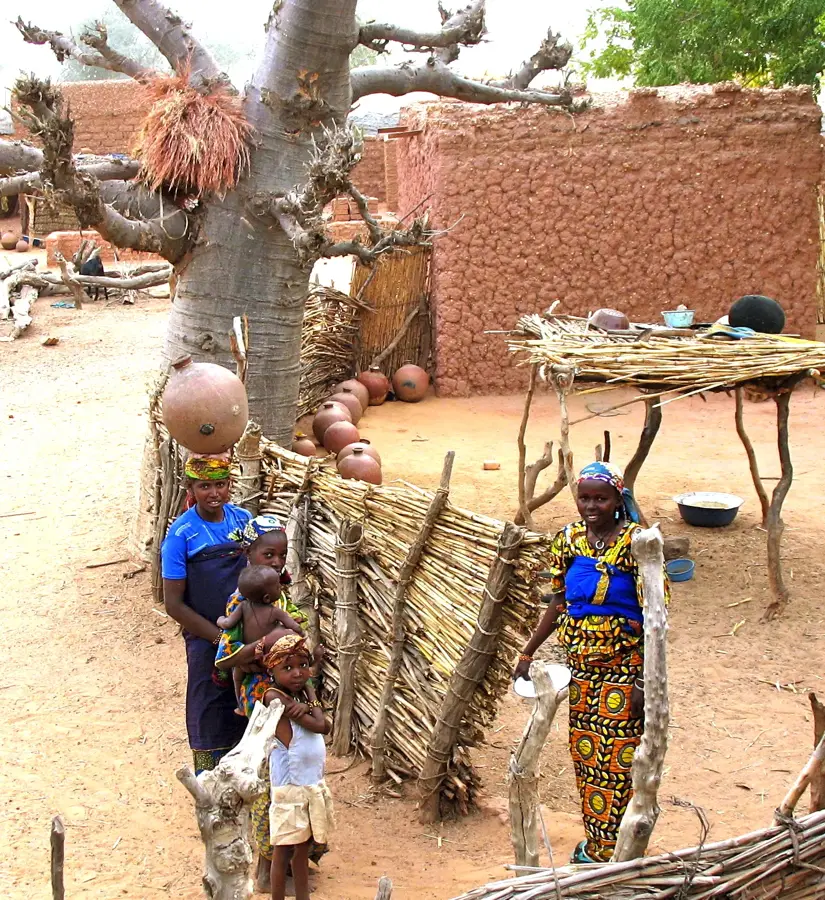
- Respect the local nomadic culture and dress very conservatively.
- Always ask for permission before photographing herders or their livestock.
- It is best to travel accompanied by a local guide to better understand the cultural nuances.
🍽 Food
Buy this spicy dried meat directly at the local market.
A traditional drink made of fermented milk and millet balls that has a cooling refreshment.
Enjoy the ritualized tea, traditionally served three times (from strong to sweet).
🛍 Shopping · 🧘 Quiet spots
Look in the market for handmade leather bags and traditional nomadic amulets.
Even if you don't buy animals, the lively livestock market is a cultural highlight full of colors and impressions.
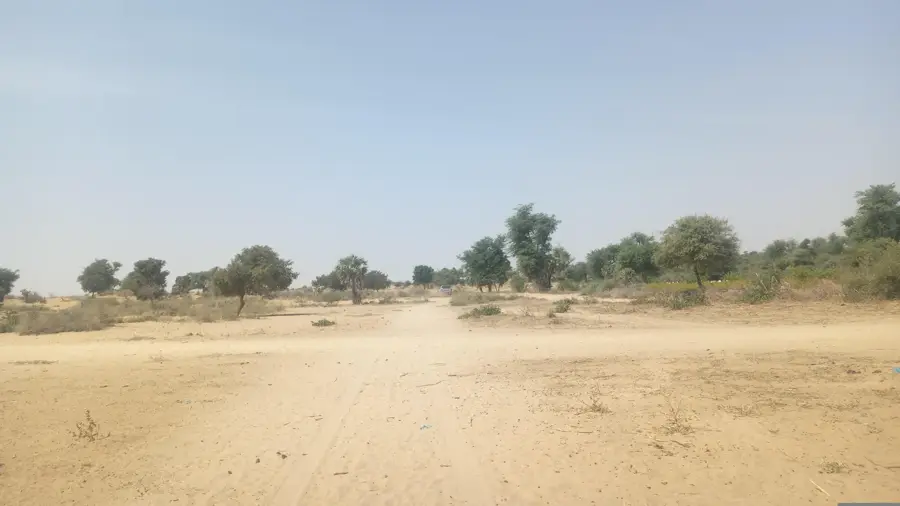
Walk to the edge of town in the late afternoon to admire the peaceful desert landscape.
Find some peace under the scattered acacia trees slightly away from the hustle of the market.
Water temperature…
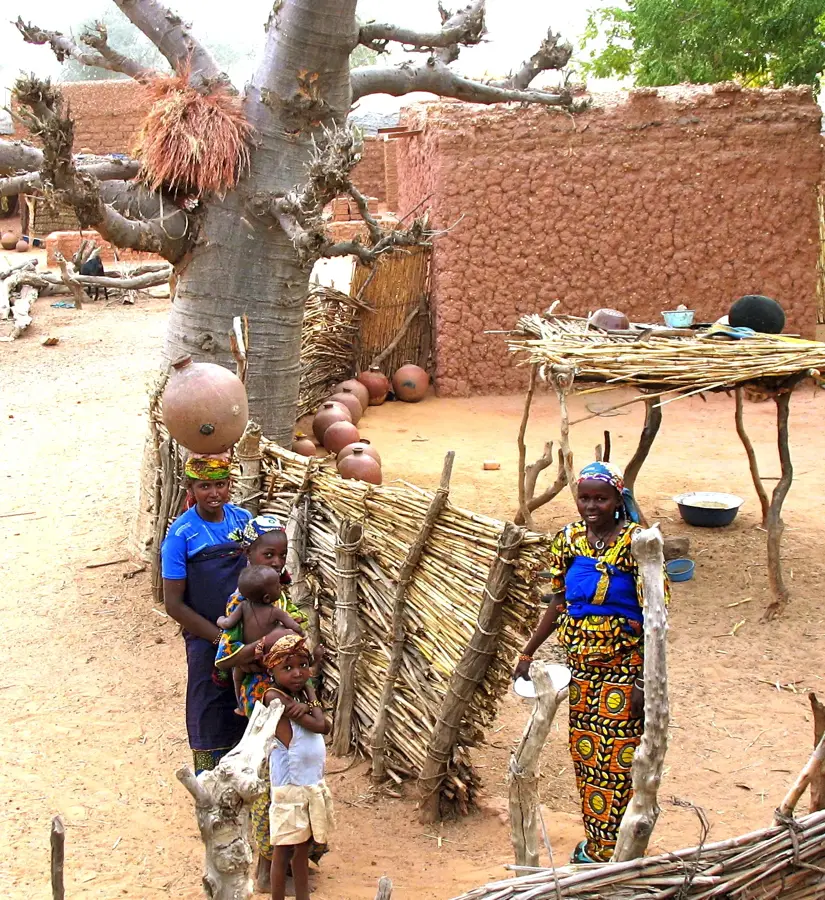
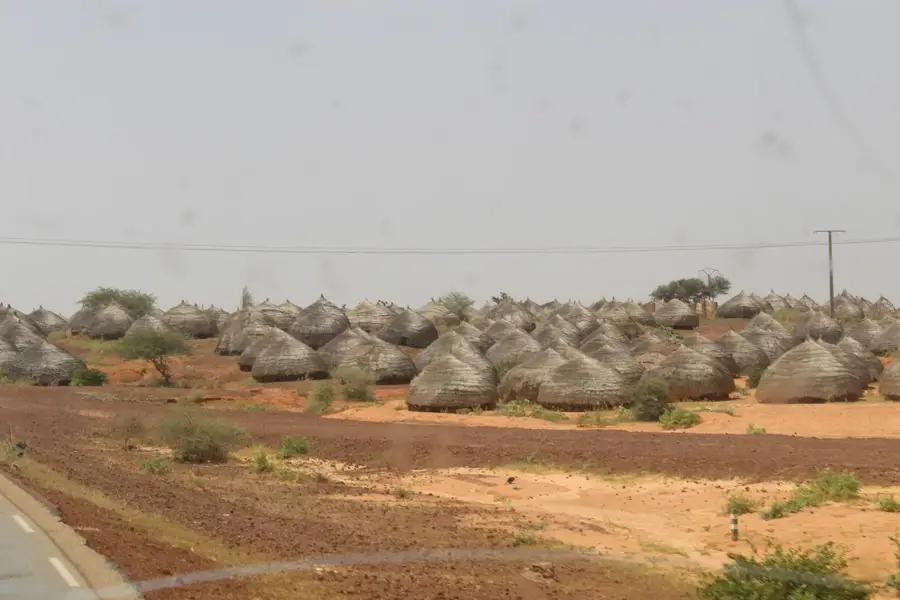
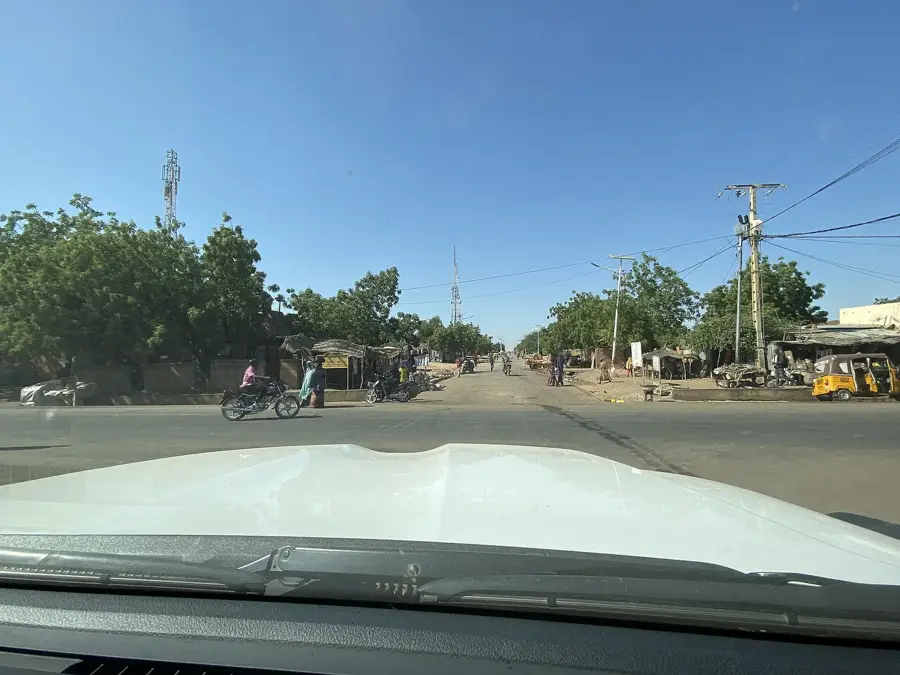
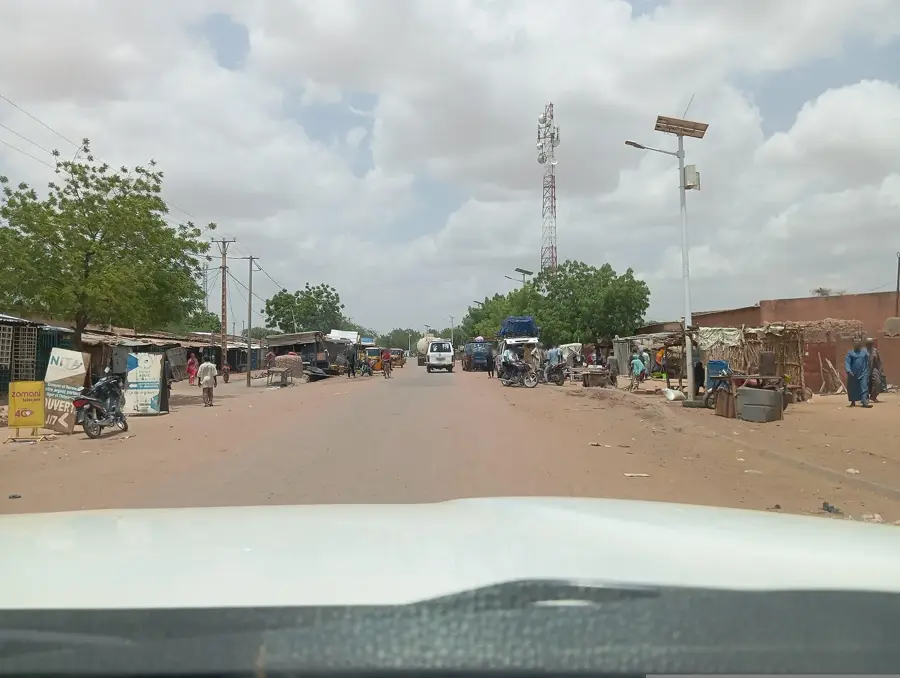
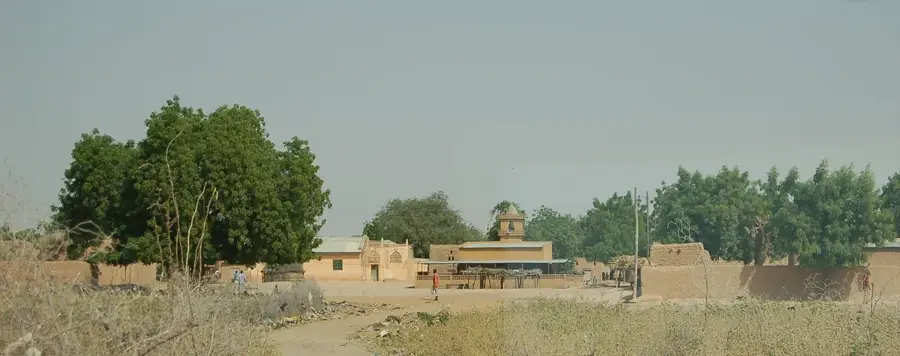
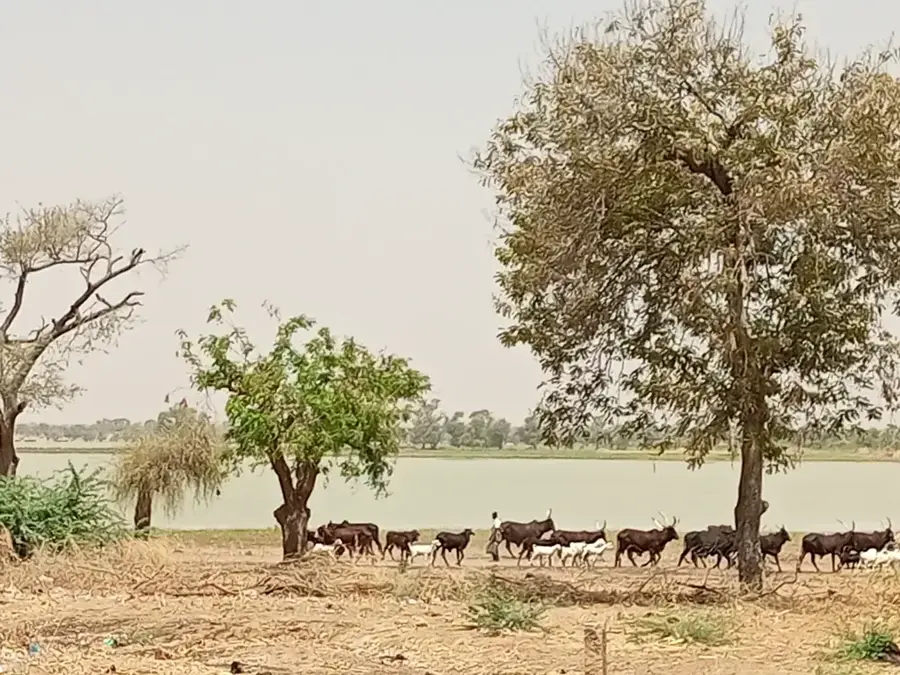
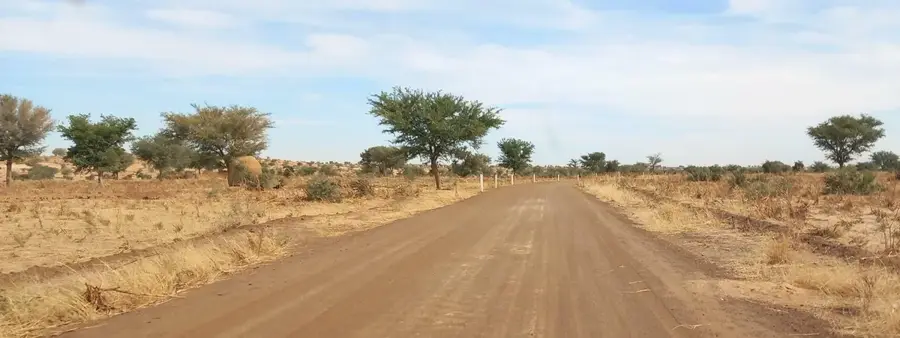
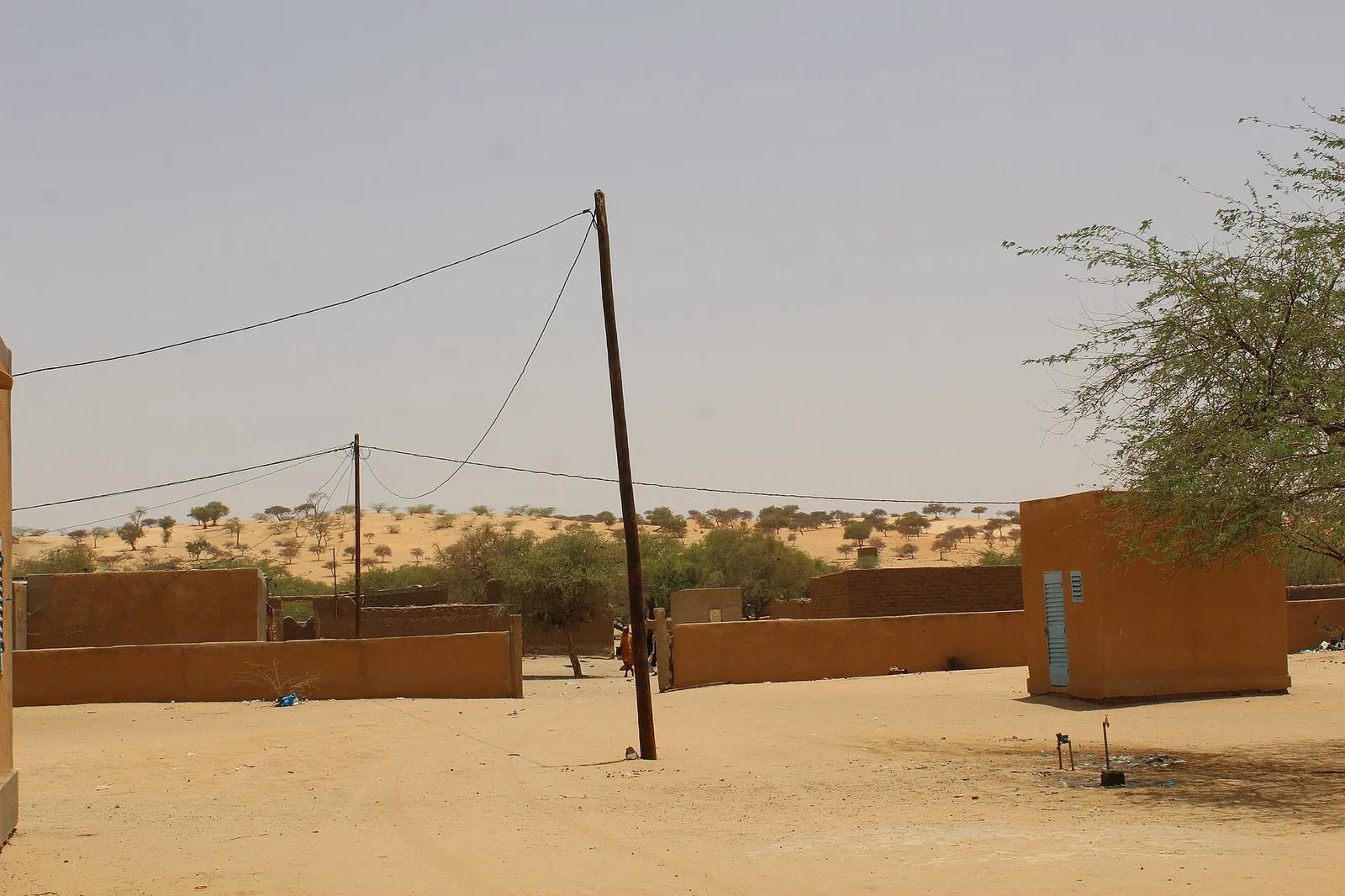
Dakoro is located in the northern Maradi Region of central Niger and is known as the 'Gateway to the Desert,' situated at the boundary between the agricultural zones of the south and the Saharan grazing lands. The town is nationwide famous for its significant livestock market, considered one of the largest in the Sahel, attracting traders from Ivory Coast to Libya. Geographically, the region is characterized by dry savanna, handy for camel, cattle, and goat herding by nomadic Tuareg and Fulani communities. Historically, Dakoro served as a vital meeting point for exchanging desert salt for southern grain. The town plays a central role in the logistics of transhumance, where the seasonal migration of hundreds of thousands of animals shapes the economy. Despite the arid climate, Dakoro has evolved into an urban center with approximately 70,000 residents, featuring essential wells and supply stations. The cultural diversity of the town is reflected in the peaceful coexistence of various ethnic groups.
- Location: Niger
- Nearby: Kornaka (30 km)
- Population: ~39.645 (2024)
Best time to visit & climate
The most pleasant time to visit is Jan, Feb, Dec.
| Jan | Feb | Mar | Apr | May | Jun | Jul | Aug | Sep | Oct | Nov | Dec | |
|---|---|---|---|---|---|---|---|---|---|---|---|---|
| Avg °C | 21 | 24 | 28 | 32 | 34 | 33 | 30 | 28 | 28 | 28 | 25 | 22 |
| Rain mm | 0 | 0 | 0 | 3 | 15 | 44 | 108 | 152 | 62 | 9 | 0 | 0 |
Geography
Facts
- One of the largest livestock markets in the entire Sahel
- Major meeting point for nomadic Tuareg and Fulani
- Located on the ecological border with the Sahara
- Capital of the Dakoro Department in Maradi Region
- Center for the logistics of seasonal transhumance
- Population of approximately 71,300 (2012 census)
Explore nearby
Notable places around


Route planner — Car & Motorhome
Where do you start? We build the route here, with stops and country notes along the way.
© OpenStreetMap contributors · OpenRouteService
Sights in the town Dakoro (1)
Frequently asked questions
What does Dakoro offer?
What is the place like?
When is it best to visit?
Are there attractions?
How do I get to Dakoro?
Dakoro: where is it located?
Dakoro: when is the best time to visit?
Dakoro: why is it worth visiting?

Nearby cities

History & landmarks
More places