Plizio Visual Lab

Trishuli Hydropower Station
Plizio editorial teamData Sources
energy
—°7
Trishuli Hydropower Station (Nepal)

Weather…

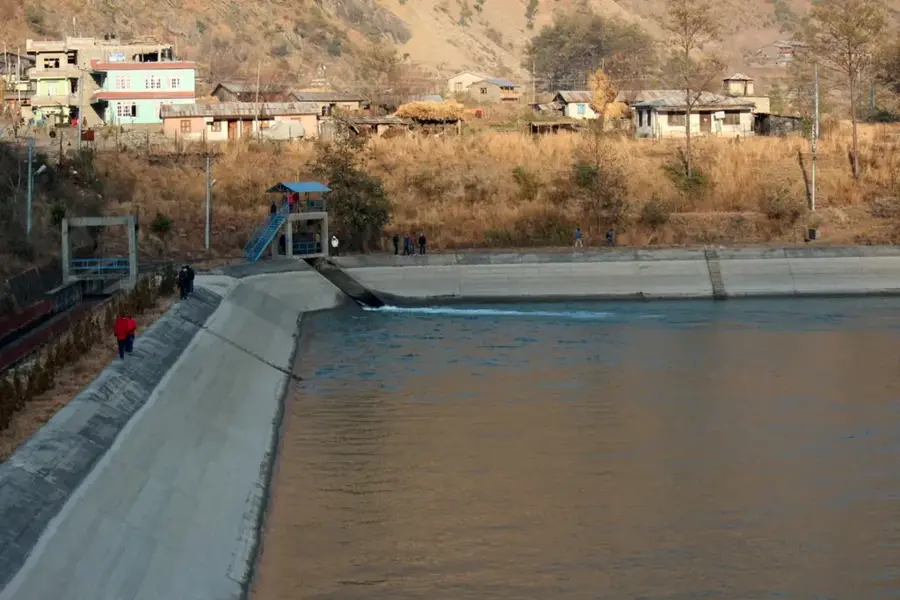
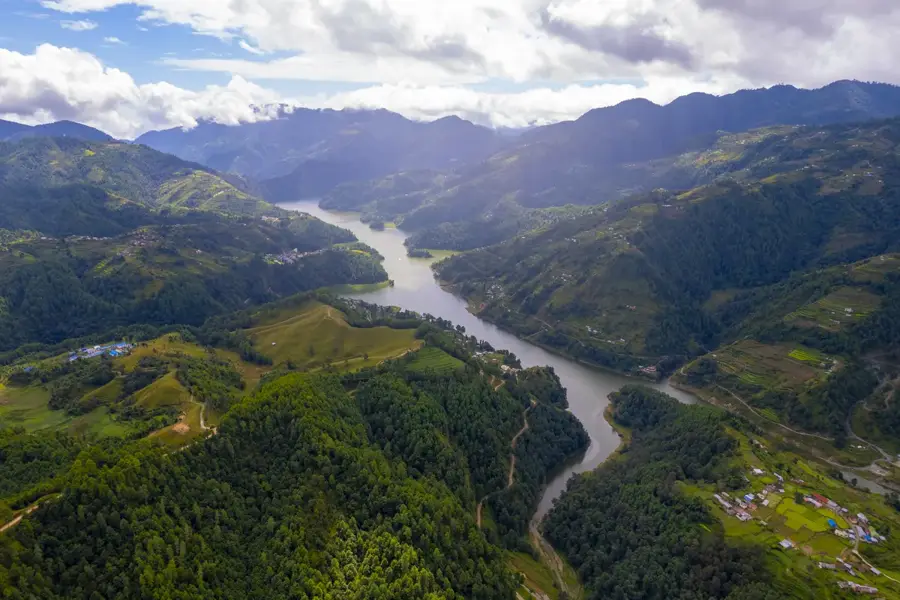
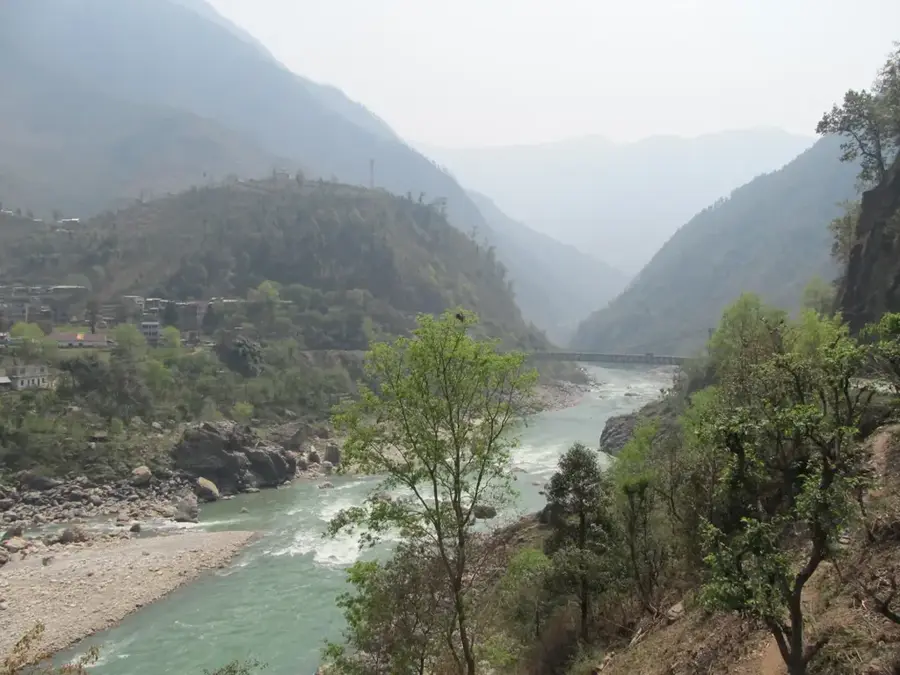
The Trishuli Hydropower Station is one of the oldest and most historically significant energy facilities in Nepal. Located in the Nuwakot district on the banks of the Trishuli River, about 70 kilometers northwest of Kathmandu, the plant was constructed with extensive financial and technical assistance from the Indian government. Commissioned in two phases in 1967 and 1970, it has an installed capacity of 24 megawatts. At the time of its completion, it was the largest power plant in the country and laid the foundation for Nepal's national grid. The facility harnesses the power of the Trishuli River, known for its high flow rates, through a series of canals and a forebay tank. Despite its age, the station remains operational following several renovations and continues to supply reliable electricity to the Kathmandu Valley, serving as a symbol of long-standing Nepalese-Indian cooperation in the power sector.

Best time to visit & climate

The most pleasant time to visit is Apr, May, Oct.

JanFebMarAprMayJunJulAugSepOctNovDec
Avg °C791317192120191815129
Rain mm11192641971732752261584946

📋 Practical info

🏭
What is this place?
Situated on the powerful Trishuli River, this historic facility is one of Nepal's pioneering hydropower projects. It has played a truly foundational role in the country's early electrification and continues to robustly support regional energy needs today.
🚪
Visiting
For strict safety and operational security reasons, entry into the main powerhouse and the high-voltage electrical substations is typically restricted to authorized staff. However, the exterior structures, the massive dam, and the water intake areas can usually be seen from public paths.
👀
Where to view it
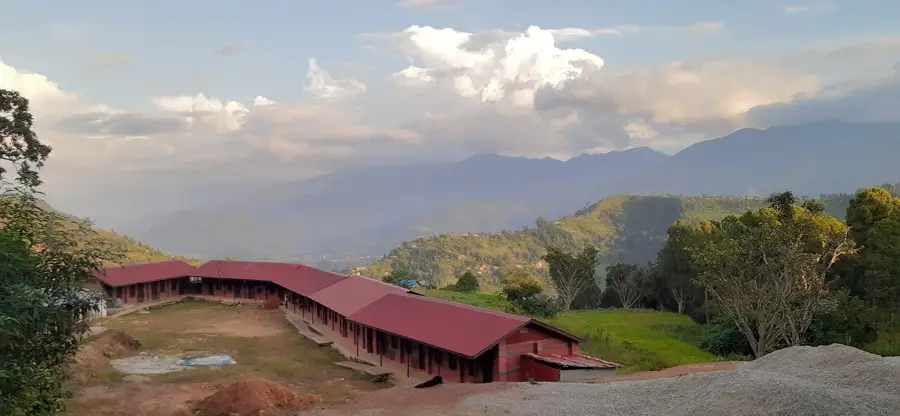
The adjacent road network and nearby traditional suspension bridges crossing the Trishuli River provide excellent, unobstructed vantage points. From here, one can clearly observe the impressive concrete dam structure and the rushing waters being purposefully channeled for power generation.
🧺
Local products
The nearby traditional villages and riverside settlements very often feature small tea houses and local stalls where visitors can sample authentic Nepali snacks, regionally grown agricultural produce, and freshly prepared river fish.
📆
Active season
The river's powerful flow and the station's visual impact are undoubtedly most dramatic during and immediately after the intense monsoon season (June to September). The beautiful surrounding valleys are best explored during the clearer, drier months of autumn and spring.
Nearby
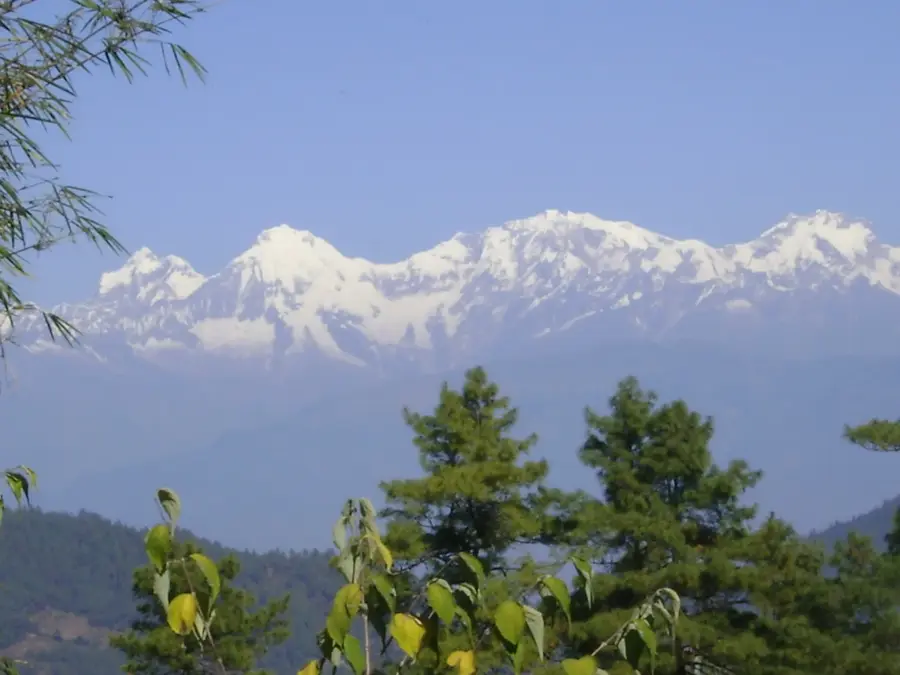
The area serves as an absolutely excellent starting point for thrilling white-water rafting adventures on the Trishuli River or for scenic overland drives leading further up into the majestic Langtang National Park and the high Himalayas.

Geography

Coordinates
27.91550, 85.16220

Facts

  • The power plant has a total installed capacity of 24 megawatts.
  • The first phase was officially inaugurated in the year 1967.
  • It was built with full financial and technical support from India.
  • The facility is situated in the Nuwakot district on the Trishuli River.
  • The plant consists of seven individual turbine-generator units.
  • It underwent major rehabilitation after the 2015 earthquake.

Explore nearby

Notable places around

Route planner — Car & Motorhome

Where do you start? We build the route here, with stops and country notes along the way.

Vehicle
Only stops with (optional):

© OpenStreetMap contributors · OpenRouteService

Sights in the town Trishuli Hydropower Station (7)

Nuwakot Districts 🌿 nature

An elevated viewpoint offering panoramic vistas over the rugged landscapes of the Nuwakot District.

Majuwa Phat🌿 nature

A scenic viewpoint in the Trishuli valley, overlooking the surrounding rice terraces and river banks.

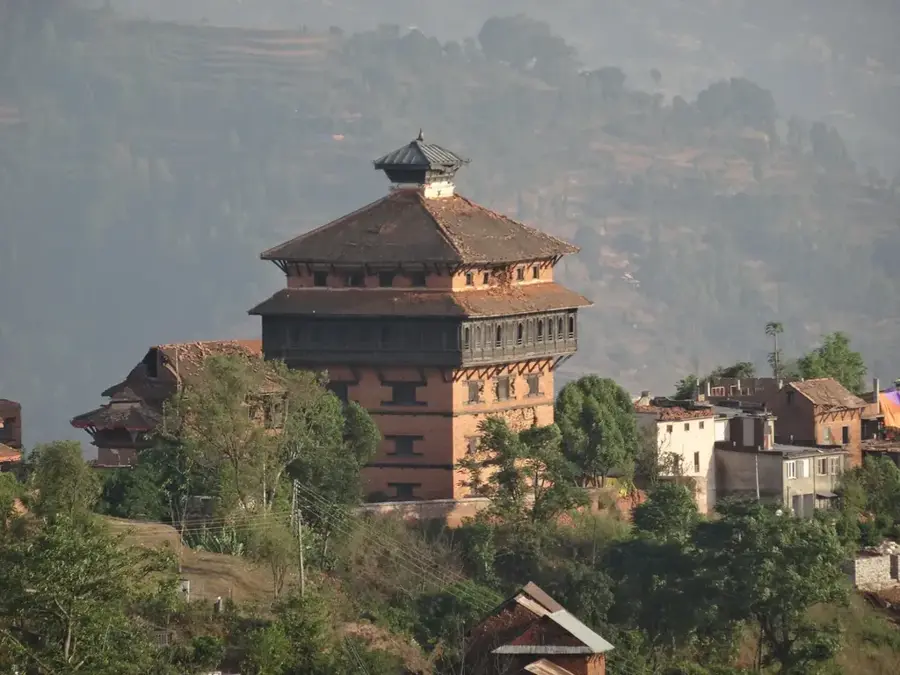
Clock Tower🌿 nature

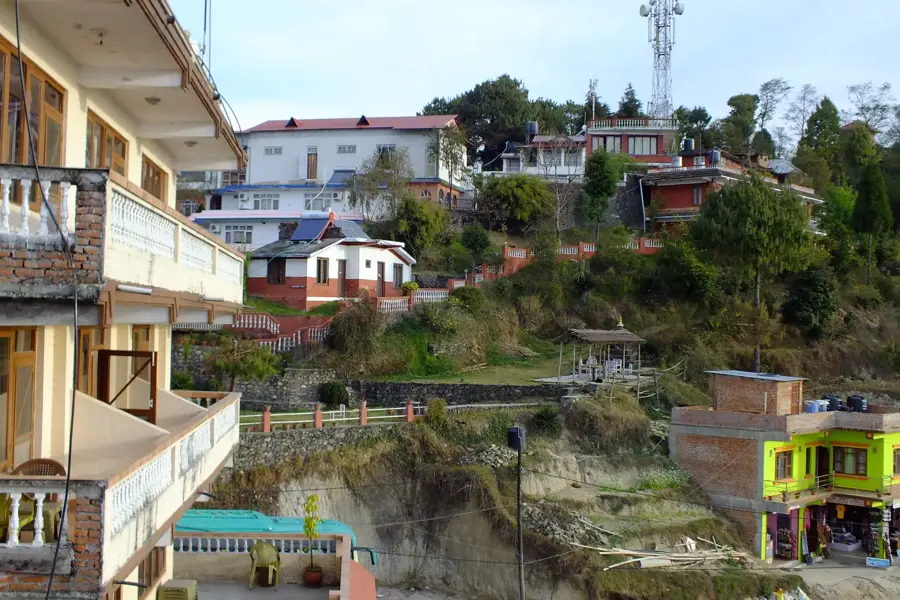
An elevated tower serving as a viewpoint over the Trishuli hydropower project and settlement.

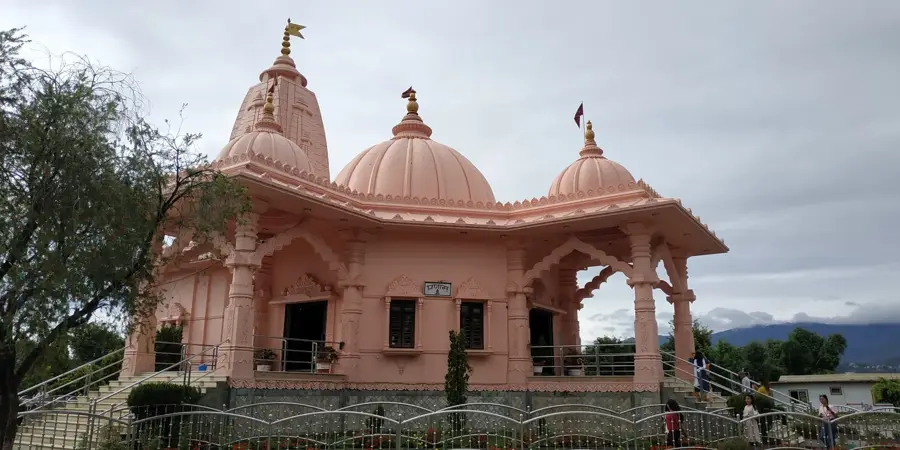
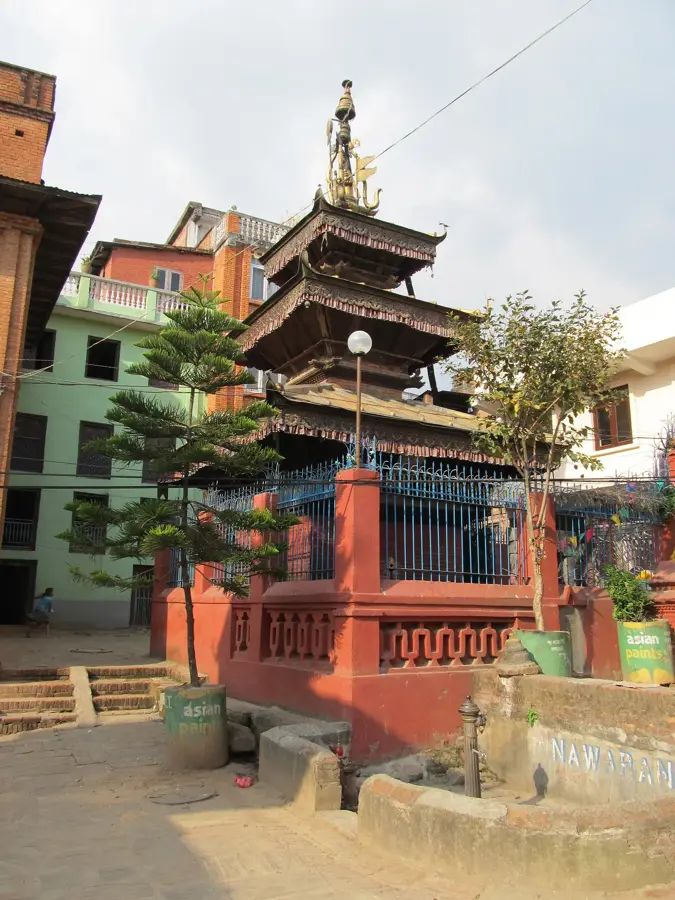
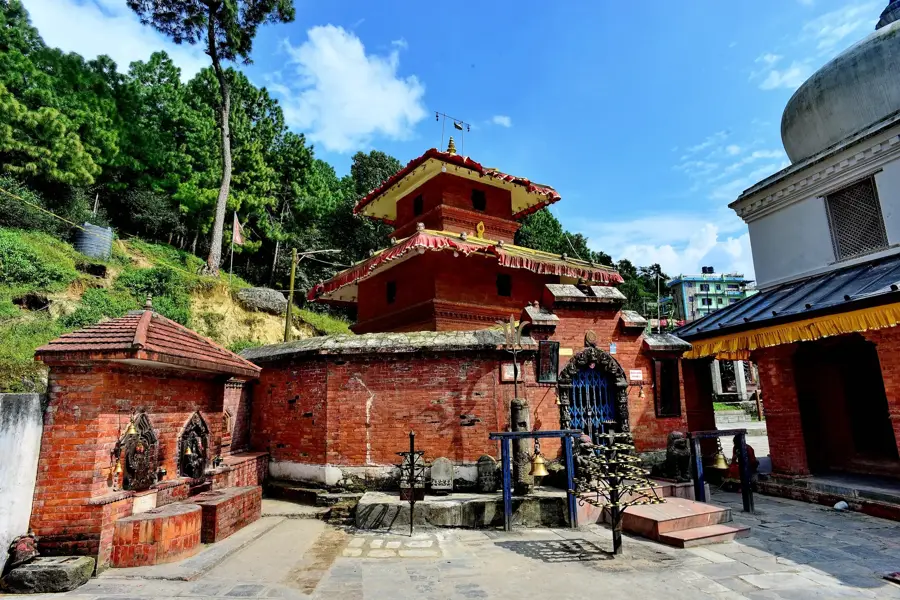
Bhimsen Mandir📍 landmark

A Hindu temple in Trishuli dedicated to Bhimsen, the deity of commerce and strength.

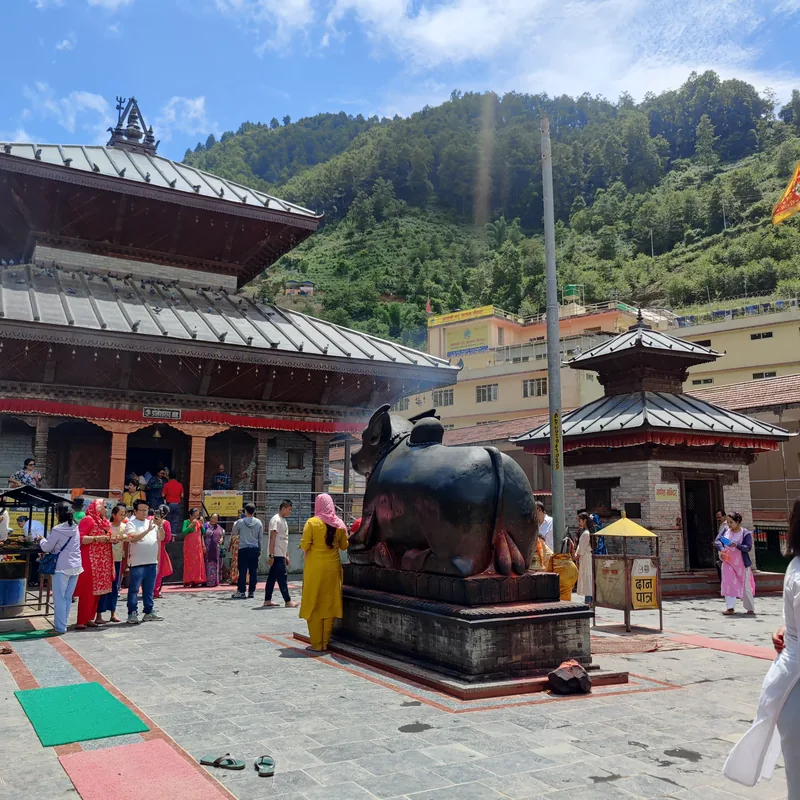
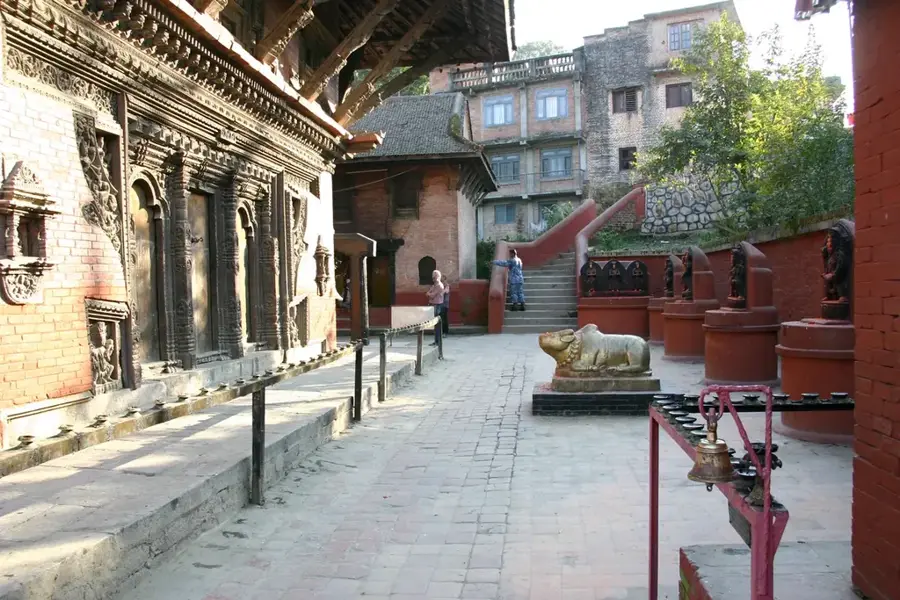
Devighat temple📍 landmark

A significant Hindu temple situated at the holy confluence of the Trishuli and Tadi rivers in Devighat.

Ram Mandir📍 landmark

A house of worship in Trishuli known as Ram Mandir, associated with the Bahá'í faith.

Bagua Bazar🎭 culture

A local marketplace in Trishuli that serves as a central trading hub for mountain goods.

Sights nearby

Frequently asked questions

What is the Trishuli Hydropower plant?
An important, historical hydroelectric plant.
Can it be visited?
It is not a tourist destination, access is usually restricted.
What is its importance?
It supports the Nepali power grid.
Is it in a beautiful area?
Yes, along a photogenic river.
Are there nearby accommodations?
There are tourist accommodations in the wider region.
Trishuli Hydropower Station: where is it located?
Trishuli Hydropower Station is located in Nepal.
Trishuli Hydropower Station: what is there to see?
Highlights include Nuwakot Districts, Majuwa Phat, Clock Tower.
Trishuli Hydropower Station: when is the best time to visit?
The most pleasant time to visit is Apr, May, Oct.
Trishuli Hydropower Station: why is it worth visiting?

The Trishuli Hydropower Station is one of the oldest and most historically significant energy facilities in Nepal.
View on map → The Top 50 Attractions → OpenStreetMap →
Asia
Explore with Plizio Discover more places in Asia
More places in Nepal →

Nearby cities

More places