Plizio Visual Lab
Nampula
ℹ️Practical info — Nampula
▾
🌤 Weather — 5 days
📍 Nearby
Sights nearby
💡 Tips
- Nampula is the main transport hub of northern Mozambique; keep a close eye on your belongings around the busy railway and bus stations.
- To easily navigate the city, use the local "chapas" (minibuses) or tuk-tuks, but negotiate the fare before getting in.
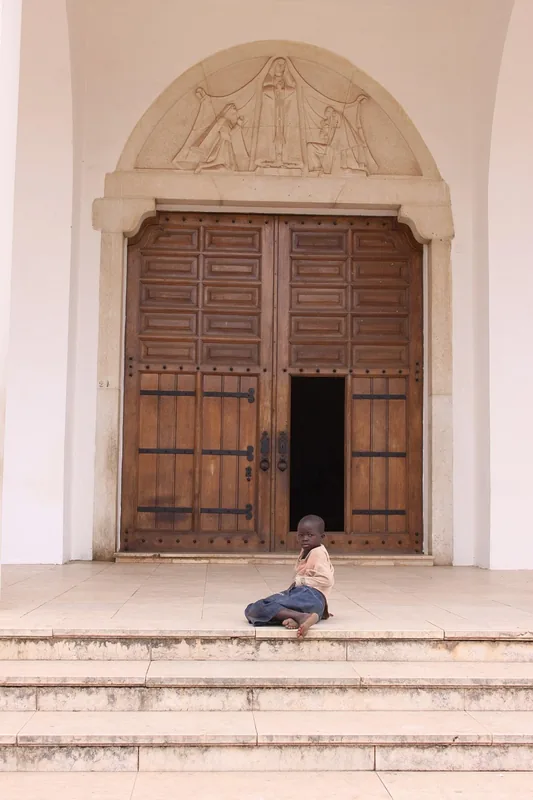
- Visit the magnificent Cathedral of Nossa Senhora da Conceição, which is especially striking in the late afternoon light.
- English is not widely spoken outside major hotels, so learning basic Portuguese or Makhuwa phrases will go a long way.
- Be cautious with tap water; it is highly recommended to stick to bottled water throughout your stay.
🍽 Food
A rich stew made from cassava leaves, ground peanuts, and coconut milk, often served in traditional restaurants.
Grilled chicken marinated in coconut milk and spices, a northern Mozambican specialty.
Crispy, savory samosas showing the strong Indian influence on local cuisine, found at street stalls and cafes.
🛍 Shopping · 🧘 Quiet spots
Intricate ebony carvings are a local specialty; look for them at the craft market near the museum.
Colorful, traditional Mozambican wax-print fabrics sold by the meter in the bustling Mercado Central.
Nampula is a major cashew-producing region; buy them freshly roasted from local vendors or market stalls.
The gardens and immediate surroundings of the museum offer a calm retreat from the noisy city center.
The open square in front of the cathedral is relatively peaceful and great for admiring the architecture.
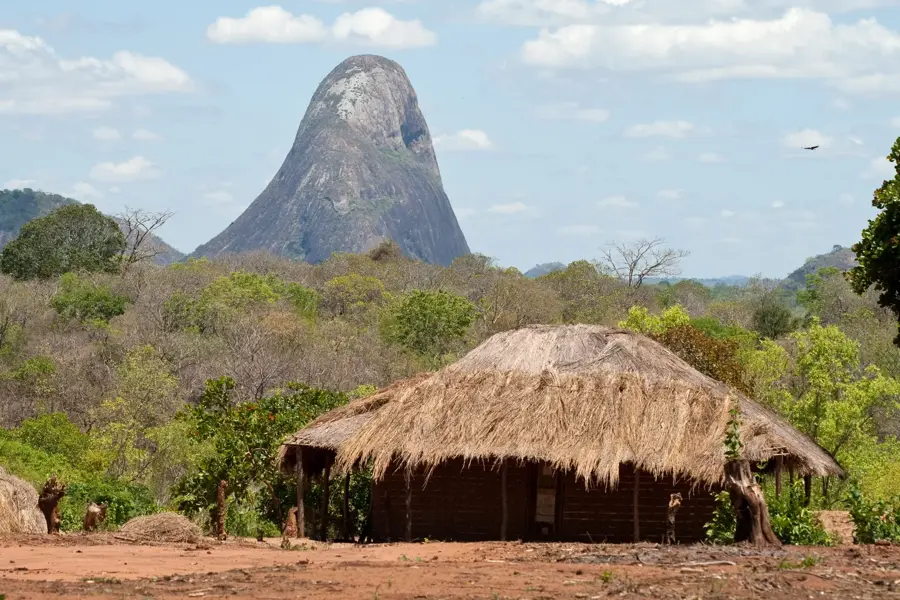
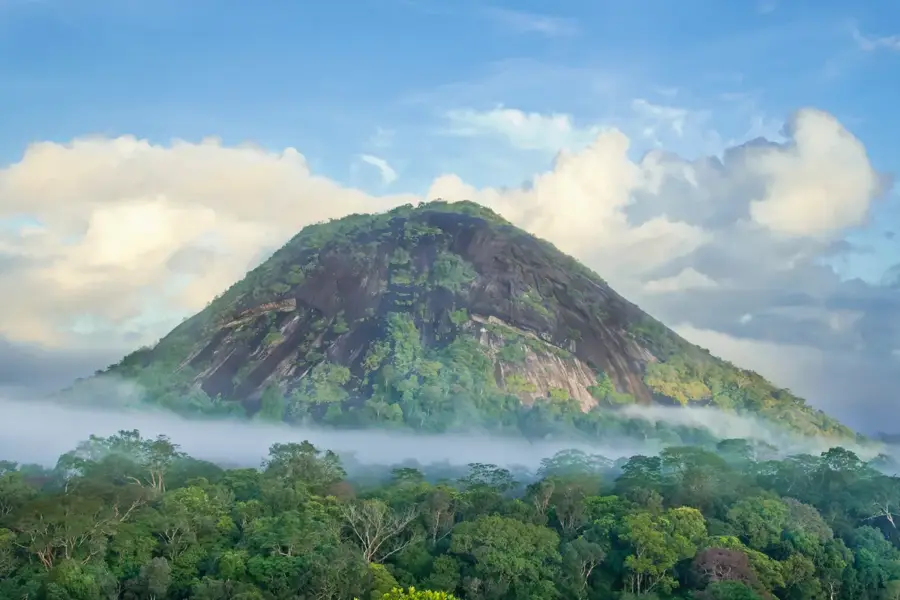
Take a short drive outside the city to admire these massive, ancient granite domes in a tranquil natural setting.
Water temperature…
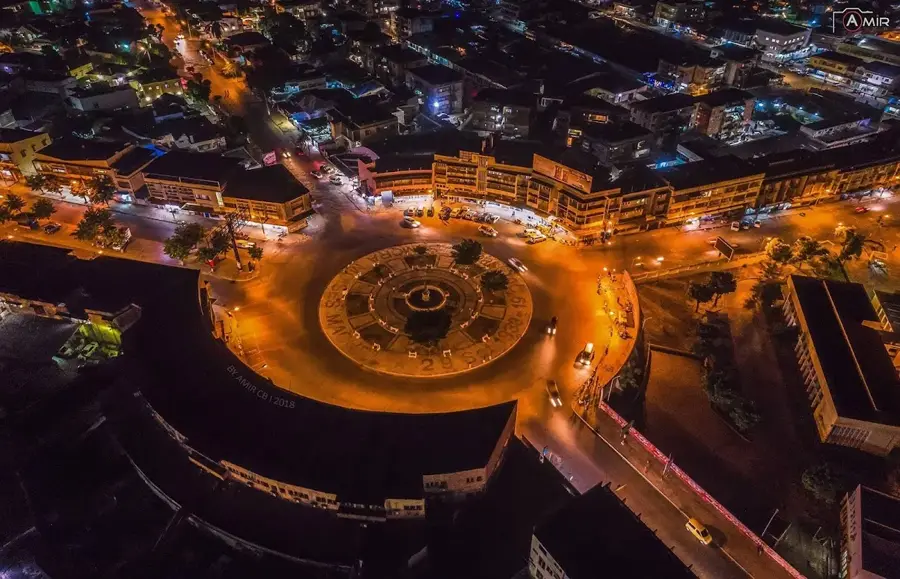
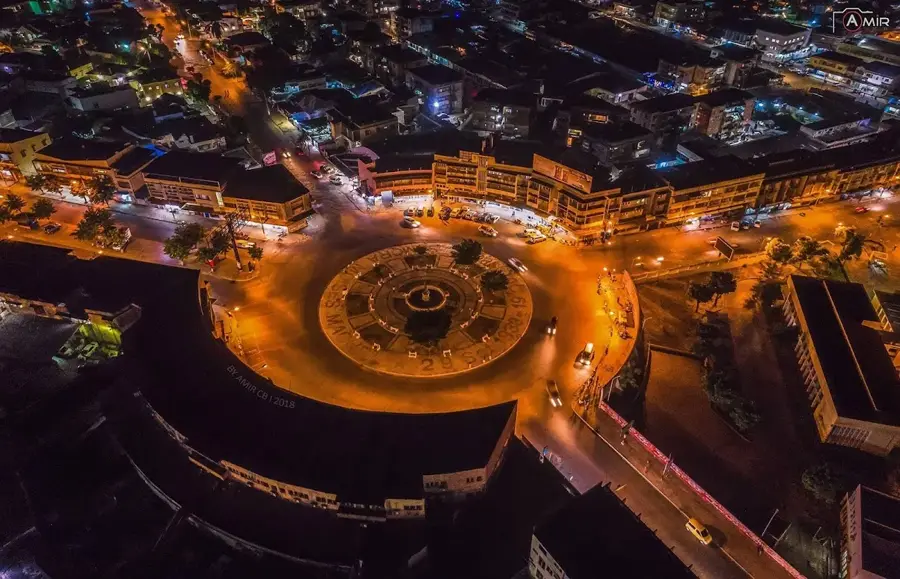
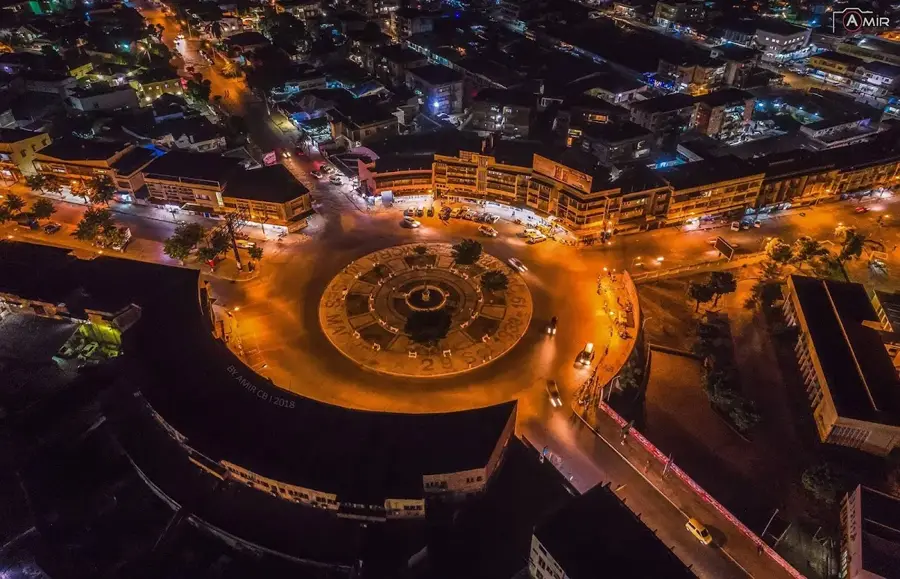
Nampula stands as the strategic and economic gateway to northern Mozambique, serving as the capital of the country's most populous province. Located on an elevated interior plateau, the city is famous for the dramatic granite inselbergs that puncture the surrounding landscape, providing a unique backdrop to its urban sprawl. Originally developed as a military outpost in the early 20th century, Nampula's importance surged with the construction of the Nacala Railway, which connects the deep-water port of Nacala to the landlocked markets of Malawi and beyond. Today, it is Mozambique's third-largest city and a vital logistics hub. The local culture is deeply rooted in the Macua traditions, known for their intricate art and the 'musiro' white clay masks worn by women. The city's architecture is a mix of mid-century Portuguese colonial buildings and burgeoning modern skyscrapers. A central landmark is the Cathedral of Our Lady of Fatima, a massive white structure that overlooks the main square. Education plays a significant role in the city's identity, hosting the headquarters of Lúrio University. Economically, Nampula thrives on trade, banking, and the processing of agricultural commodities such as cashews, cotton, and tobacco. The National Museum of Ethnology is a cultural treasure, displaying artifacts that trace the history and customs of northern tribes. The climate is tropical savanna, with a hot rainy season and a pleasantly warm dry season. For travelers, Nampula is the essential jumping-off point for exploring the historic Island of Mozambique, located about 110 miles to the east. The city has seen significant foreign investment in recent years, particularly in mining and large-scale farming, leading to a rapid expansion of its suburbs. Despite its growth, Nampula maintains a distinct atmosphere characterized by bustling street markets, aromatic street food, and a resilient spirit that blends traditional Mozambican values with a modern, global outlook.
- Location: Mozambique
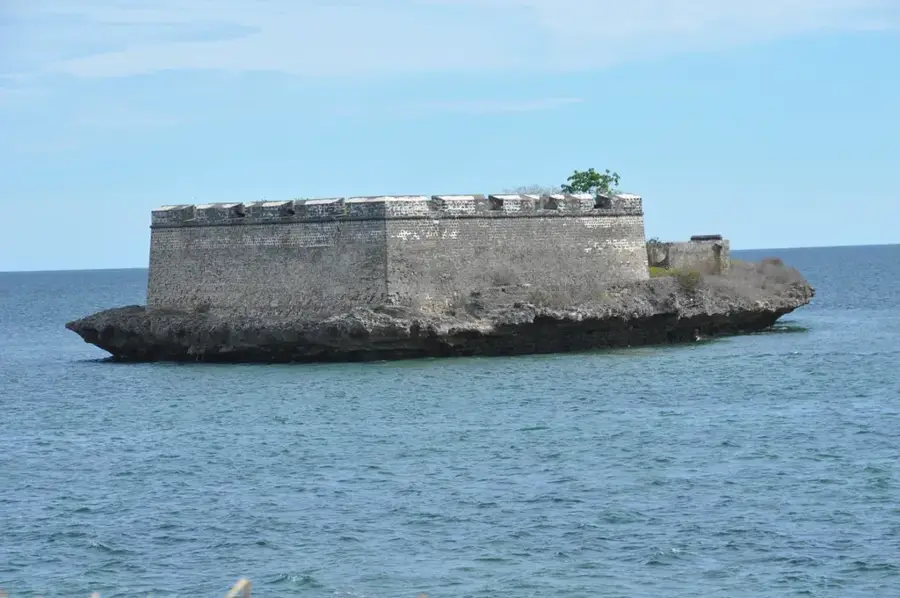
- Top sights: Museu Nacional de Etnologia · Teatro Militar · Museu das FPLM
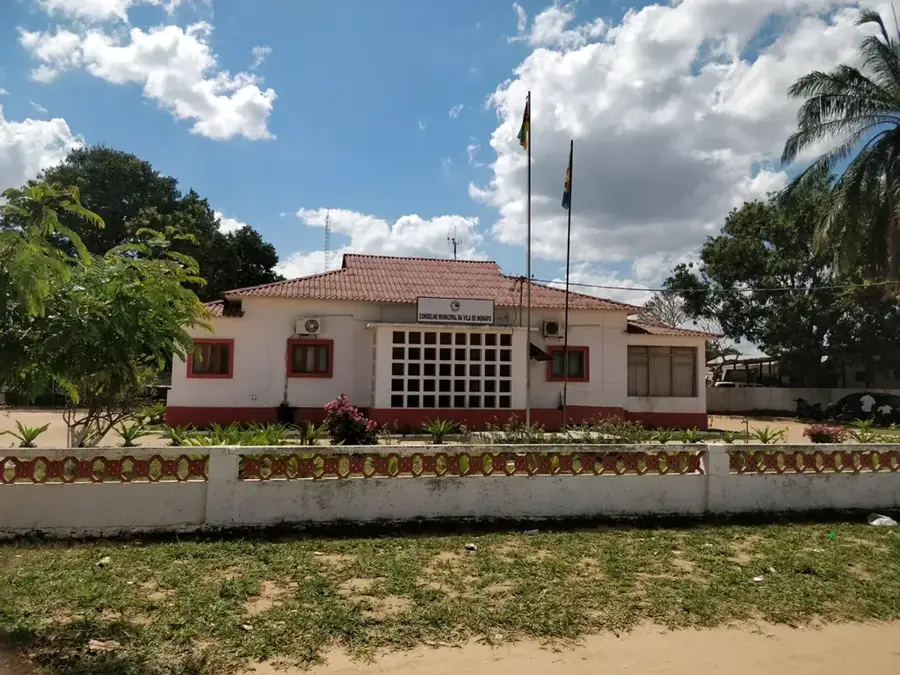
- Nearby: Monapo (16 km)
- Population: ~770.379 (2026)
Geography
Facts
- Nampula is often referred to as 'The Capital of the North'.
- The city was officially established as a municipality in 1934.
- The surrounding area is famous for its massive granite formations called Monadnocks.
- Nampula hosts the largest concentration of banks in northern Mozambique.
- The Nacala Corridor railway transported over 10 million tons of cargo in 2022.
- The city is a major center for the Macua people, the country's largest ethnic group.
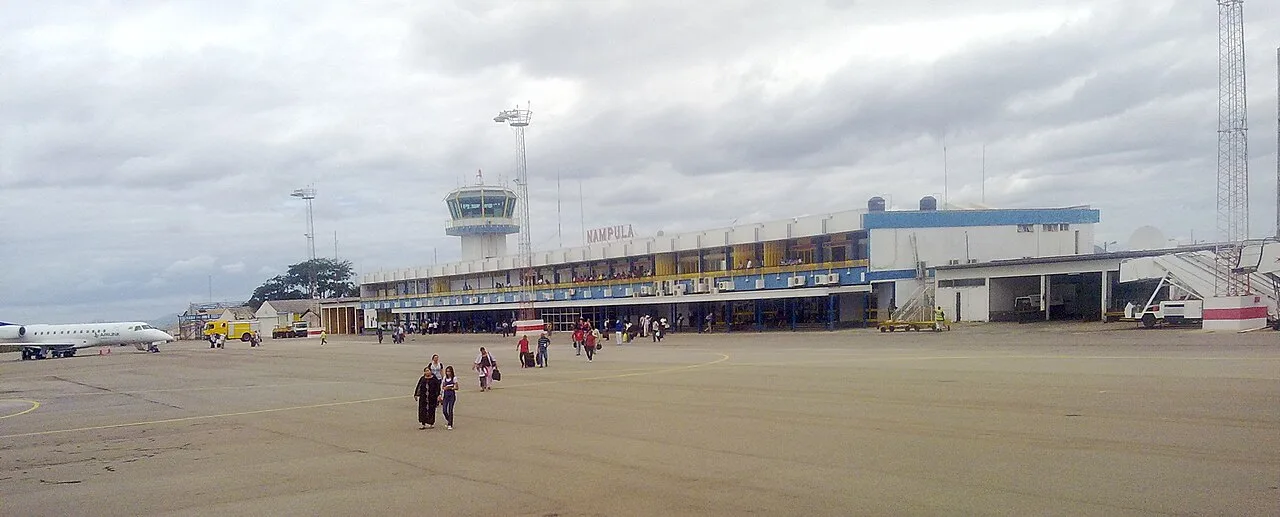
- Nampula Airport serves as a regional hub for domestic and international flights.
- Average annual rainfall in the city is approximately 1,100 millimeters.
Explore nearby
Notable places around

Route planner — Car & Motorhome
Where do you start? We build the route here, with stops and country notes along the way.
© OpenStreetMap contributors · OpenRouteService
Sights in the town Nampula (3)
Frequently asked questions
Is Nampula worth visiting for tourists?
What is the best travel time?
Is Nampula family-friendly?
How to get from the airport to the city?
What should one try in Nampula?
Nampula: where is it located?
Nampula: what is there to see?
Nampula: why is it worth visiting?

Nearby cities


History & landmarks
More places