Plizio Visual Lab
Laayoune
ℹ️Practical info — Laayoune
▾
🌤 Weather — 5 days
📍 Nearby
Sights nearby
💡 Tips
- The climate is dry and windy; bring light clothing and a scarf to protect yourself from the sand.
- Place du Mechouar is the best spot in the evening to experience local culture as families gather here.
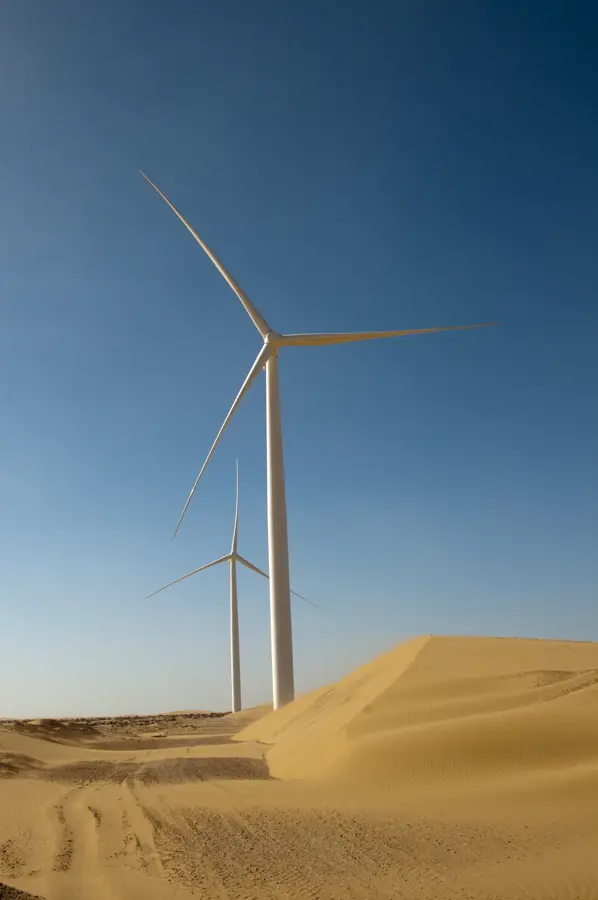
- Do not expect many traditional tourist attractions; the charm lies in the unique atmosphere of the sand dunes and desert architecture.
- Always drink plenty of water and avoid direct sun during midday hours.
🍽 Food
An important staple in Saharan culture, often offered in local cafes or directly from breeders.
Look for small street stalls or restaurants near the main square serving spicy lamb grilled over charcoal.
Since the ocean is not far away, you can find surprisingly fresh fish in the better restaurants in town.
🛍 Shopping · 🧘 Quiet spots
The colorful traditional fabrics worn by Saharawi women are available in local markets.
Look out for handmade Touareg and Saharawi silver jewelry in artisan shops.
Visit the artificially created parks in the city center, which offer a pleasant contrast to the desert.
A small church built by the Spanish that has a quiet and cool retreat.
Water temperature…
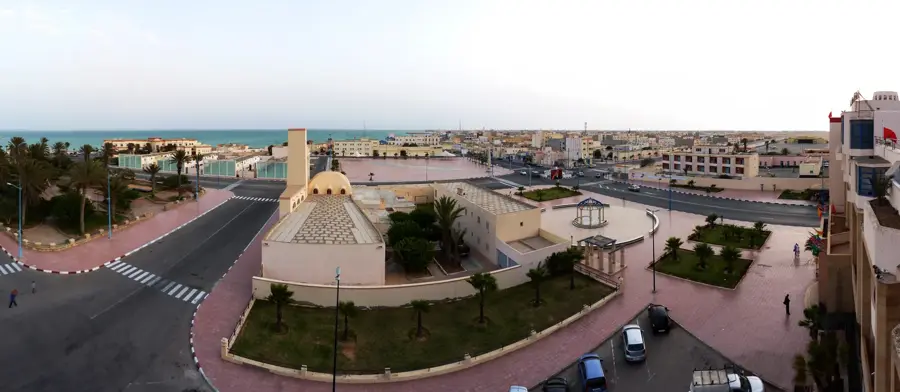
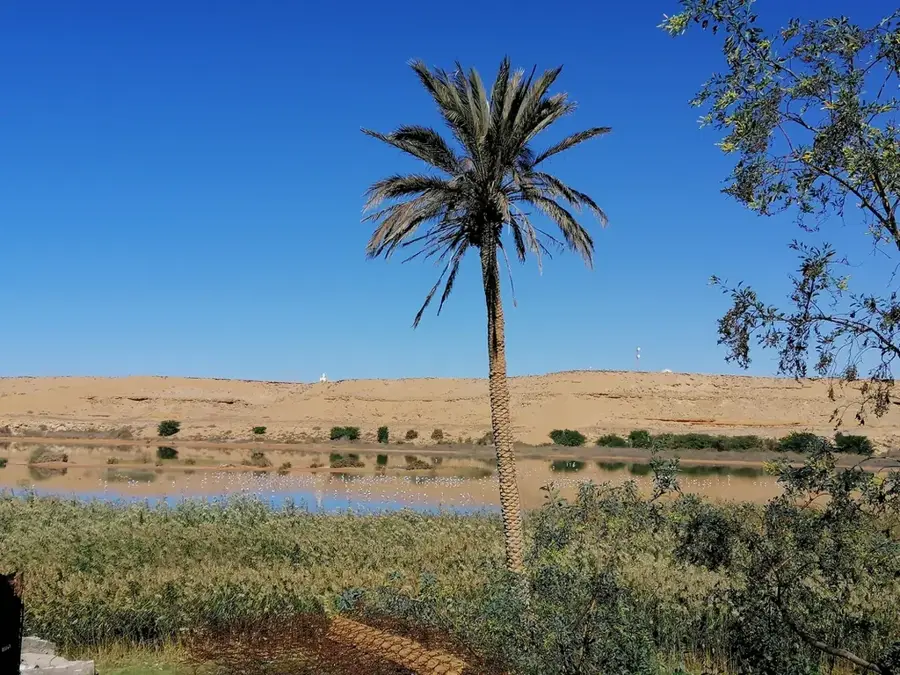
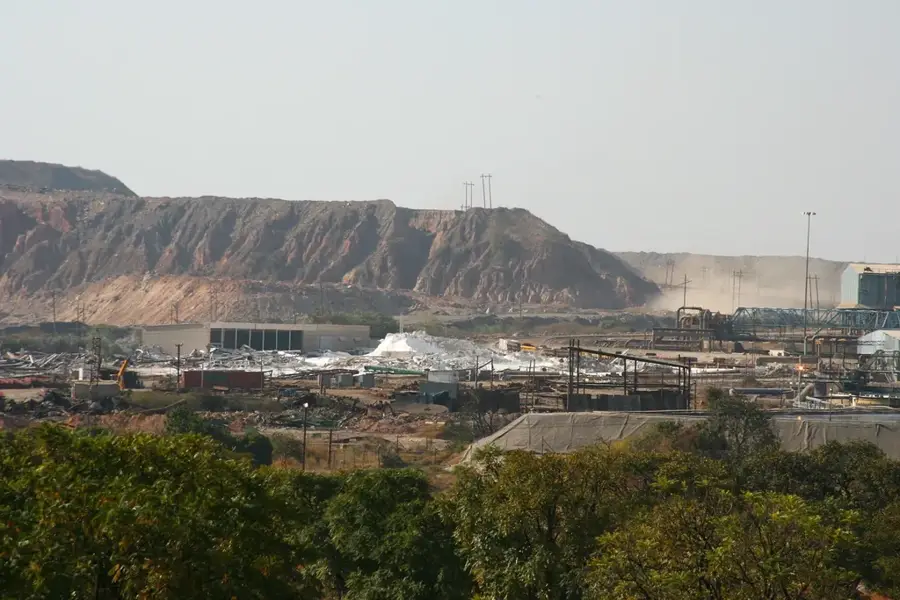
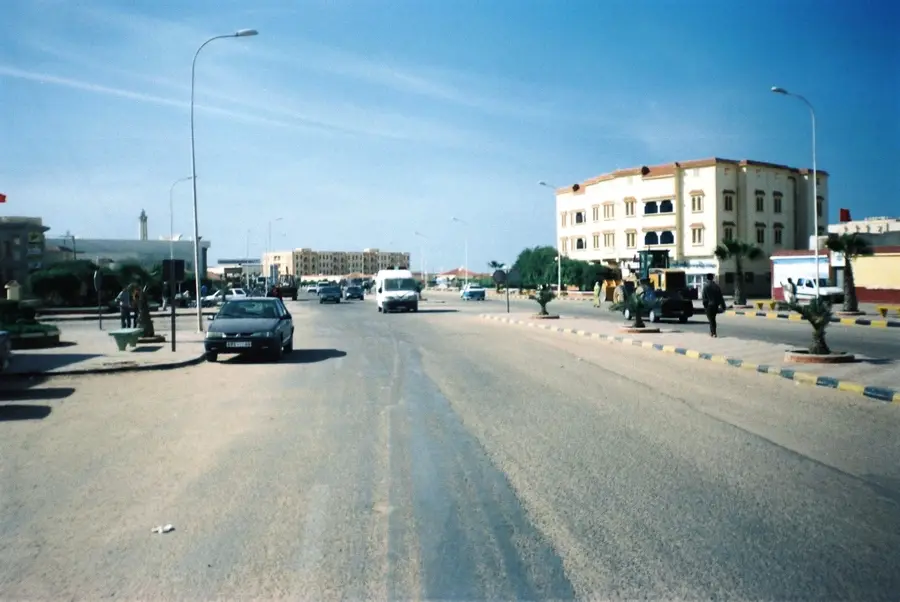
Laayoune is the largest city in Western Sahara, functioning as the primary administrative and economic hub for the region. The city was founded in 1938 by Spanish Captain Antonio de Oro and served as the capital of Spanish Sahara during the colonial period. Geographically, it is located about 25 kilometers inland from the Atlantic coast, situated along the dry bed of the Saguia el-Hamra river, which lends its name to the surrounding territory. The city's rapid expansion is inextricably linked to the massive phosphate deposits at Bou Craa, which are transported to the coast via a conveyor belt system stretching over 100 kilometers. The urban landscape still features Spanish-era colonial architecture interspersed with modern Moroccan infrastructure projects. Laayoune is home to an international airport and high-standard sports facilities, reflecting its status as a significant regional center. The surrounding desert environment is characterized by shifting sand dunes and sparse vegetation adapted to arid conditions. Today, the city is a vital crossroads for trade and logistics in the southern Saharan zones.
- Location: Morocco
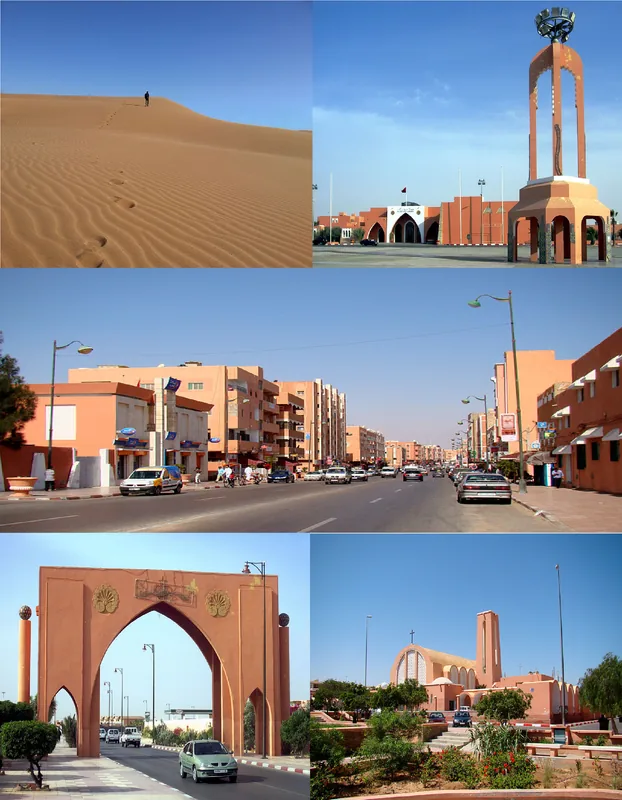
- Top sights: Ville Marocaine de La · Sanmao Ancienne Résidence · Catholic Church of Saint Francis of Assisi
- Nearby: El Marsa (21 km)
- Population: ~196.331 (2026)
Best time to visit & climate
The most pleasant time to visit is Apr–Jun.
| Jan | Feb | Mar | Apr | May | Jun | Jul | Aug | Sep | Oct | Nov | Dec | |
|---|---|---|---|---|---|---|---|---|---|---|---|---|
| Avg °C | 16 | 17 | 18 | 20 | 21 | 23 | 25 | 25 | 25 | 23 | 20 | 17 |
| Rain mm | 16 | 17 | 14 | 7 | 4 | 3 | 3 | 7 | 8 | 34 | 22 | 11 |
Geography
Facts
- Founded in 1938 by Spanish colonial authorities.
- Largest city in Western Sahara, with over 210,000 residents.
- Headquarters of the UN mission MINURSO.
- Located along the riverbed of the Saguia el-Hamra.
- Connected to the world's longest phosphate conveyor belt.
- Home to the 30,000-seat Sheikh Mohamed Laghdaf Stadium.
Explore nearby
Notable places around




Route planner — Car & Motorhome
Where do you start? We build the route here, with stops and country notes along the way.
© OpenStreetMap contributors · OpenRouteService
Sights in the town Laayoune (3)
Frequently asked questions
What is Laayoune?
Are there beaches there?
How is the climate?
What can you visit in the city?
How do you get to Laayoune?
Laayoune: where is it located?
Laayoune: what is there to see?
Laayoune: when is the best time to visit?
Laayoune: why is it worth visiting?
Nearby cities
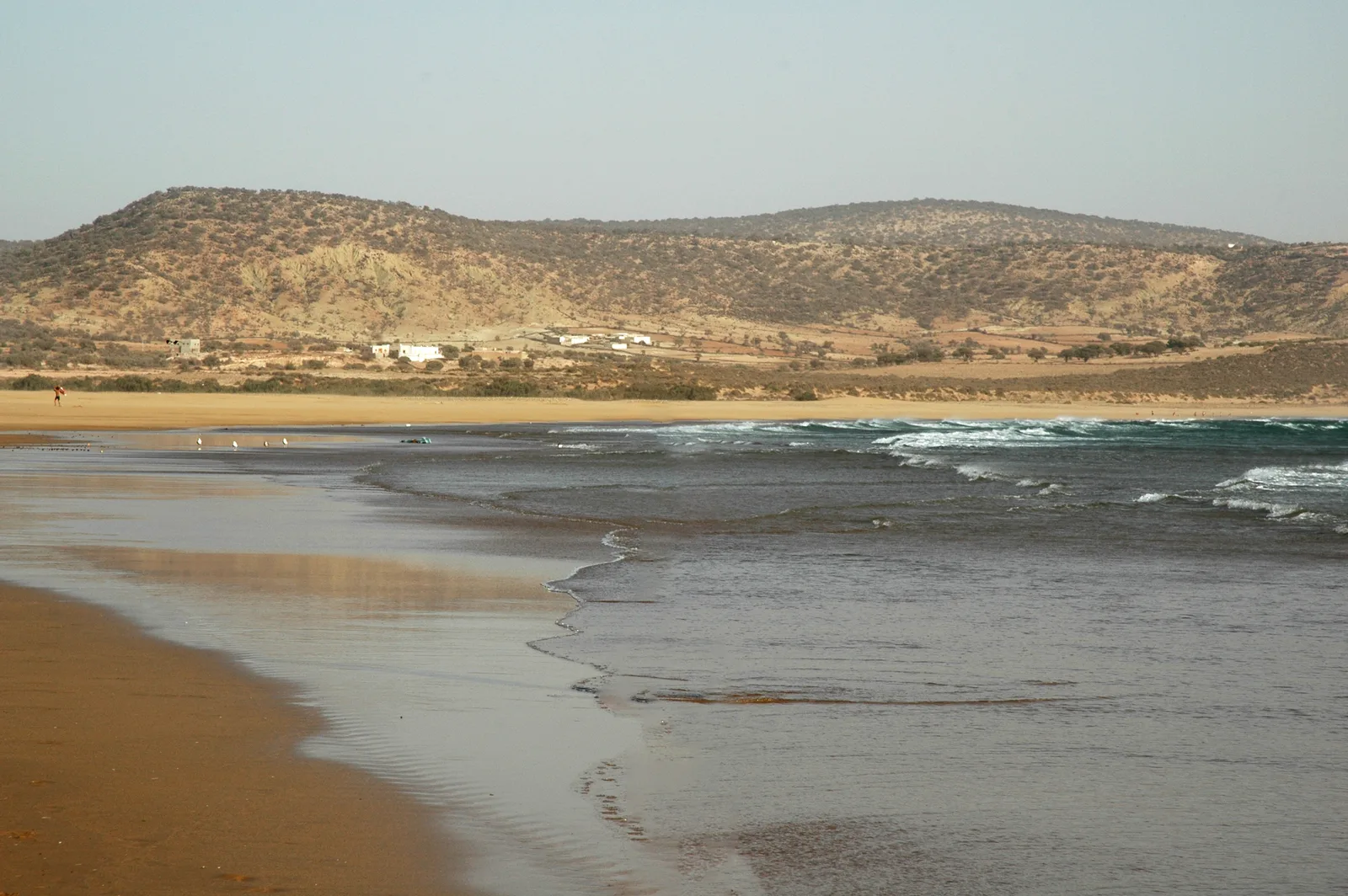
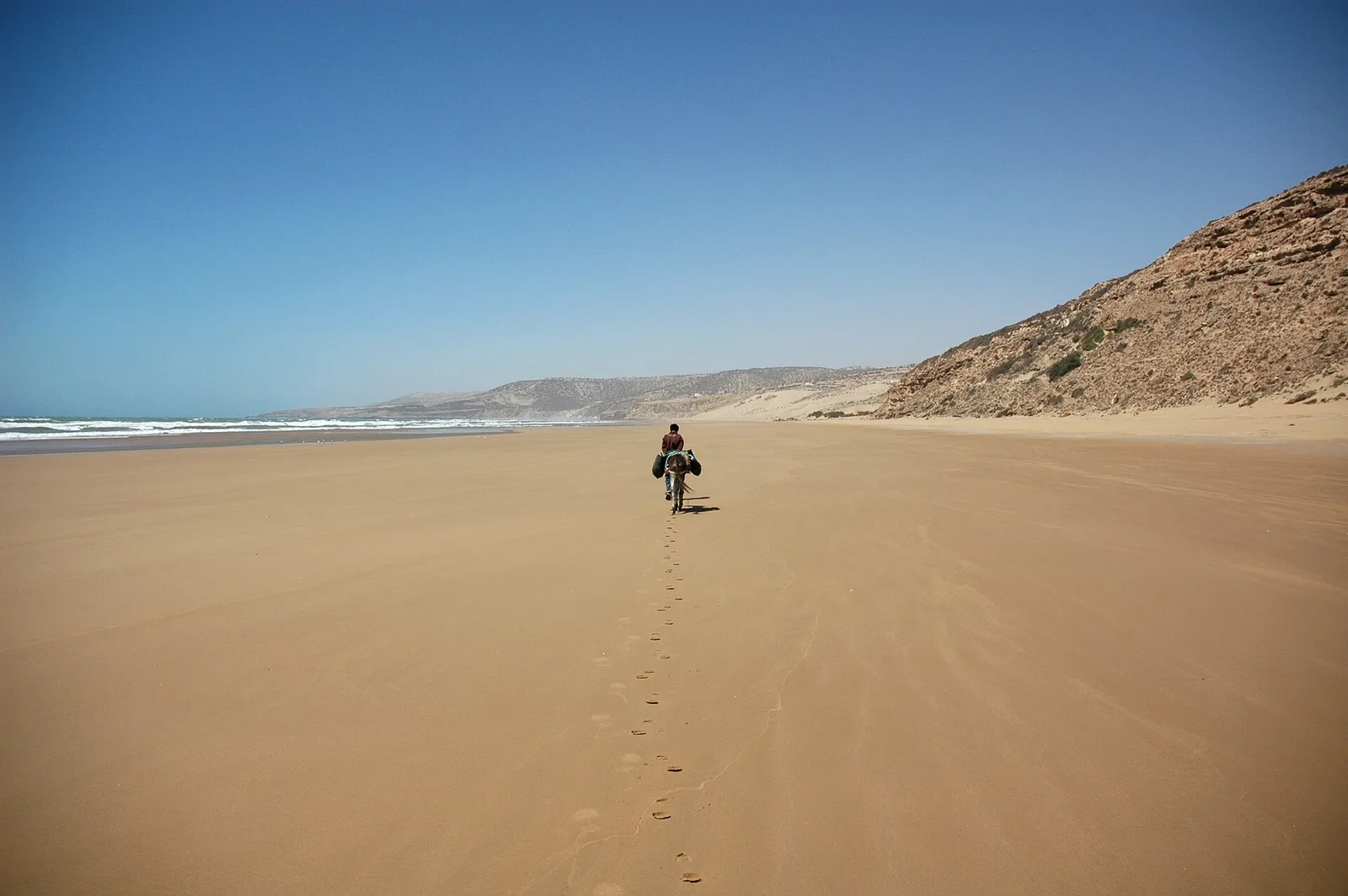
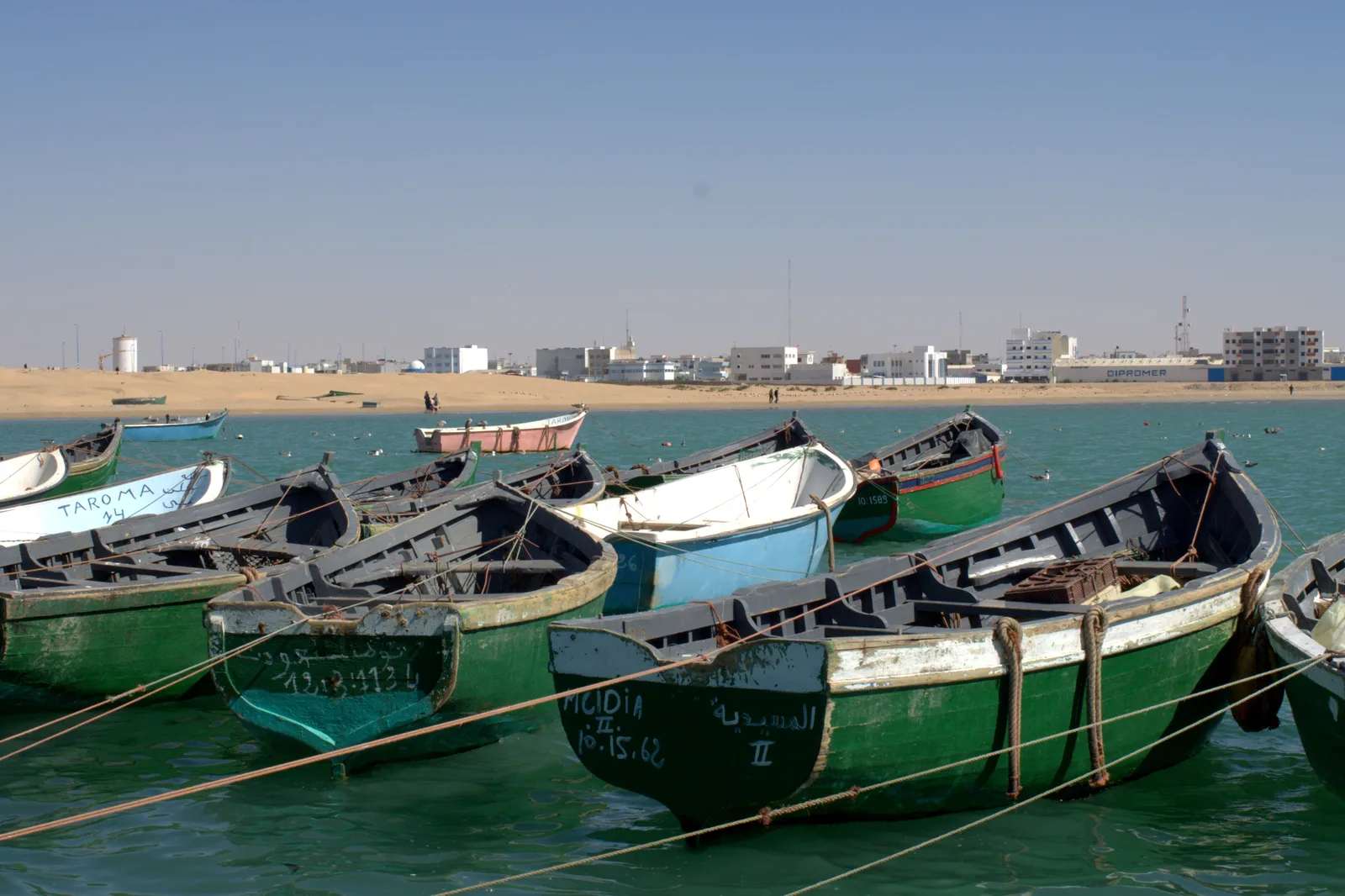
Nature
More places