Plizio Visual Lab
High Plateaus
Weather…
Water temperature…
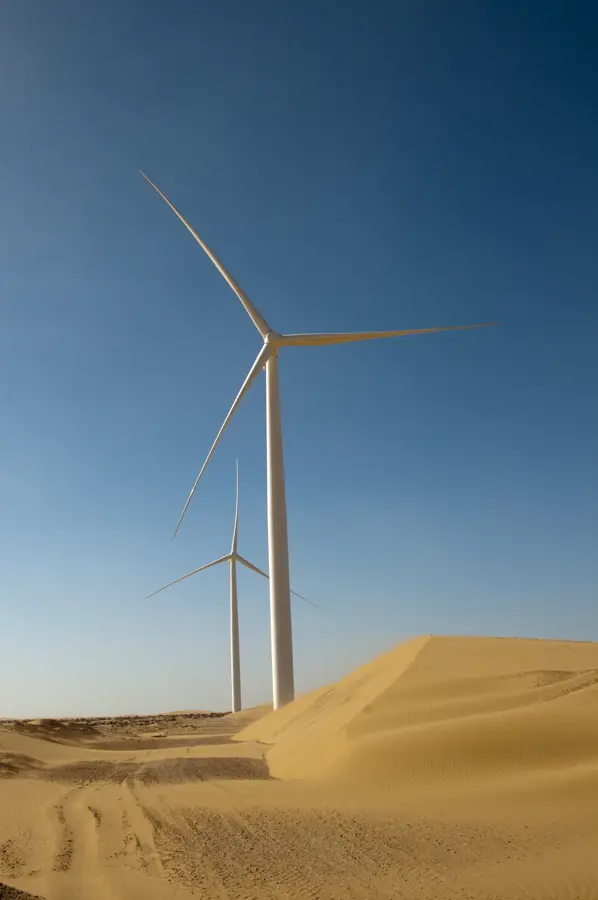
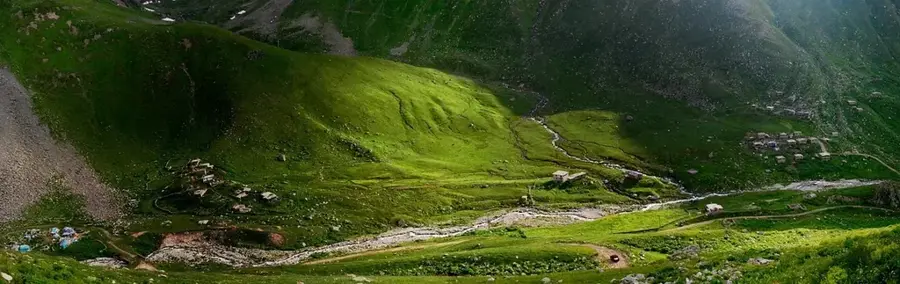
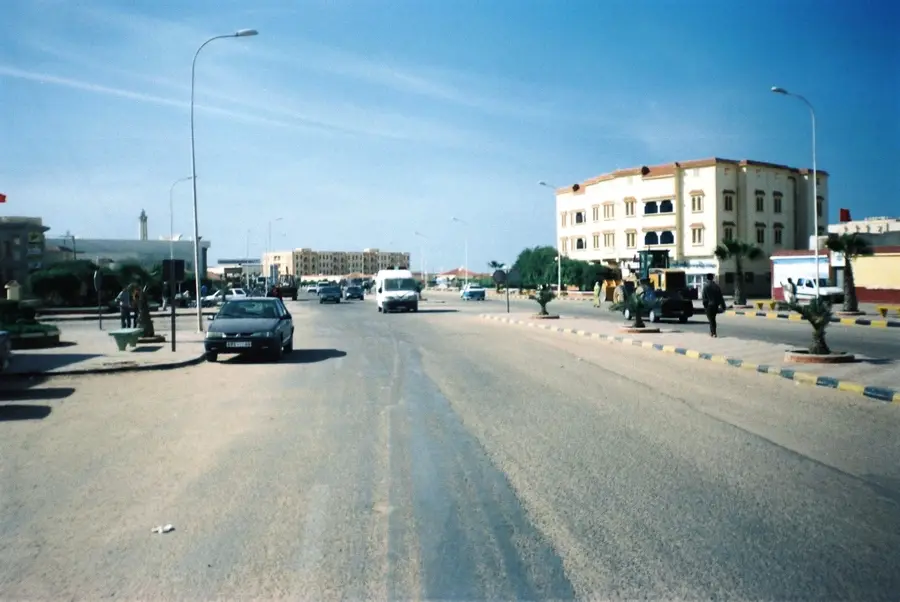
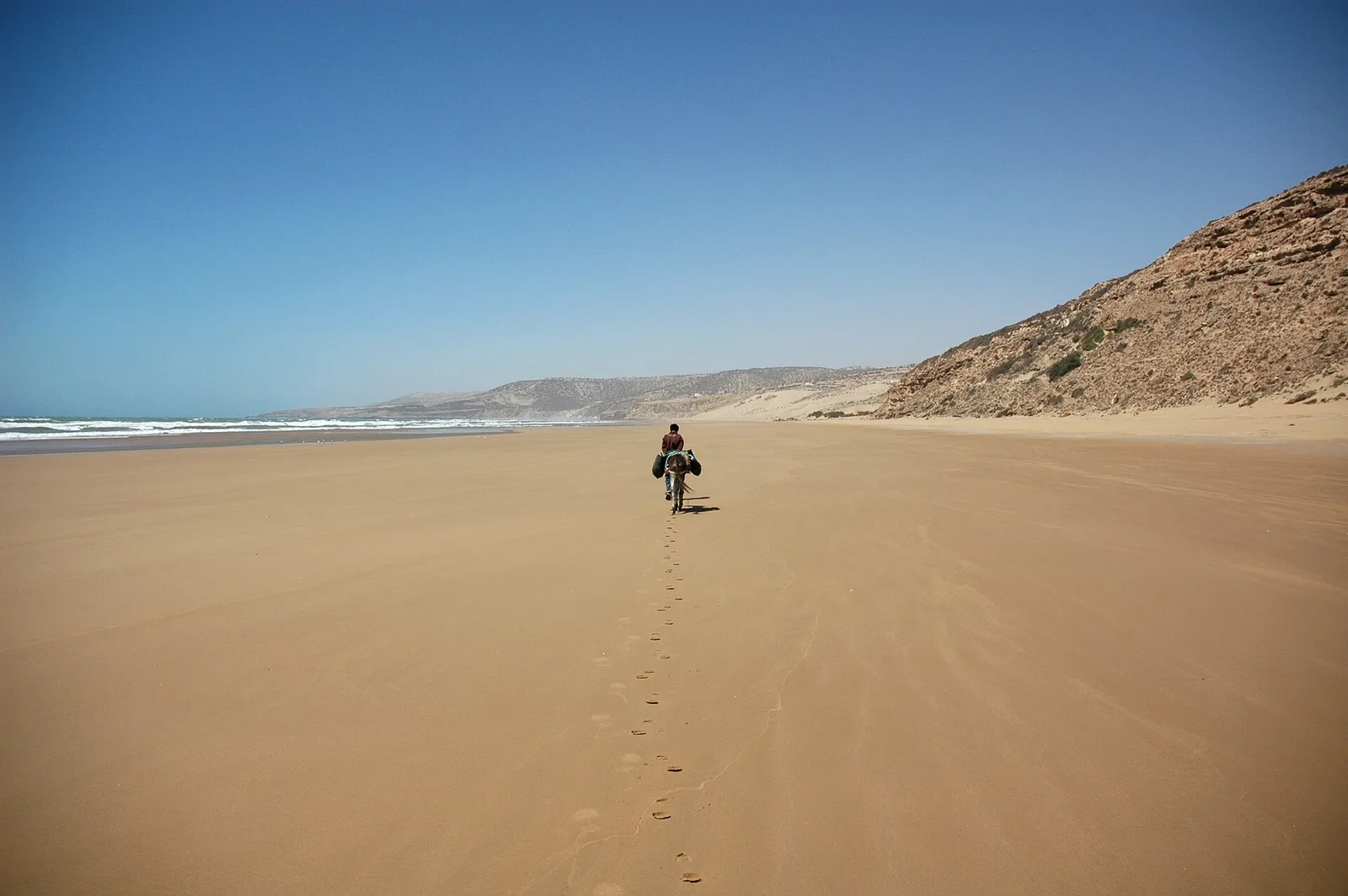
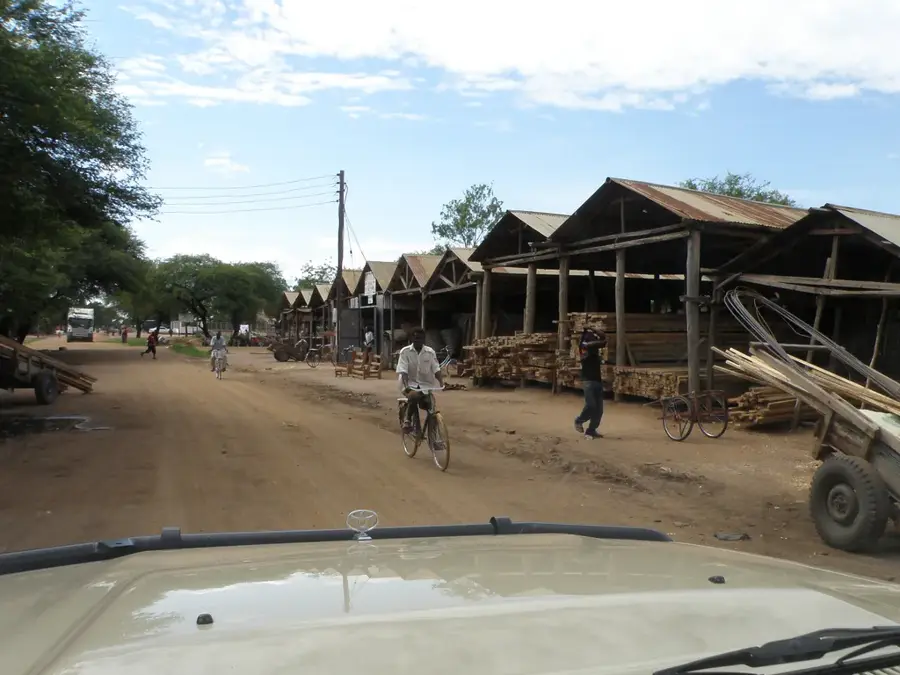
The High Plateaus (Hauts Plateaux) in eastern Morocco are a vast, flat upland region situated between the Middle Atlas to the west and the Algerian border to the east. The landscape lies at an average altitude of about 1,000 to 1,300 meters and is characterized by an extreme continental, semi-arid climate. Geologically, the plateaus consist of limestone and debris layers that support only sparse vegetation, primarily steppe grasses like alfa grass. Alfa is a vital resource for paper manufacturing and traditional crafts. The region is sparsely populated and traditionally serves as grazing land for nomadic and semi-nomadic Berber tribes raising sheep and camels. Due to low rainfall and vast distances, infrastructure is poorly developed, highlighting the isolated and rugged character of the region. Recently, there have been efforts to harness solar energy potential in this sun-drenched area.
Best time to visit & climate
The most pleasant time to visit is May, Jun, Sep.
| Jan | Feb | Mar | Apr | May | Jun | Jul | Aug | Sep | Oct | Nov | Dec | |
|---|---|---|---|---|---|---|---|---|---|---|---|---|
| Avg °C | 5 | 6 | 9 | 13 | 17 | 23 | 27 | 26 | 21 | 16 | 9 | 5 |
| Rain mm | 28 | 24 | 24 | 34 | 21 | 8 | 4 | 16 | 25 | 38 | 44 | 25 |
📋 Practical info
Geography
Facts
- The plateaus sit at approx. 1,000 to 1,300 m altitude
- Alfa grass is the most economically significant plant
- The region is a hub for Moroccan sheep farming
- In winter, temperatures can drop well below 0 °C
- The plateaus form the watershed for the Moulouya basin
- The mining town of Jerada is located nearby
Explore nearby
Notable places around


Route planner — Car & Motorhome
Where do you start? We build the route here, with stops and country notes along the way.
© OpenStreetMap contributors · OpenRouteService
Sights nearby
Frequently asked questions
What are the High Plateaus?
What to do there?
Is it touristy?
Do you need a 4x4?
When is the best time?
High Plateaus: where is it located?
High Plateaus: when is the best time to visit?
High Plateaus: why is it worth visiting?

Nearby cities
History & landmarks
Nature
More places