Plizio Visual Lab

Cetinje
Plizio editorial teamData Sources
Landmark
—°10
Cetinje (Montenegro)

Weather…

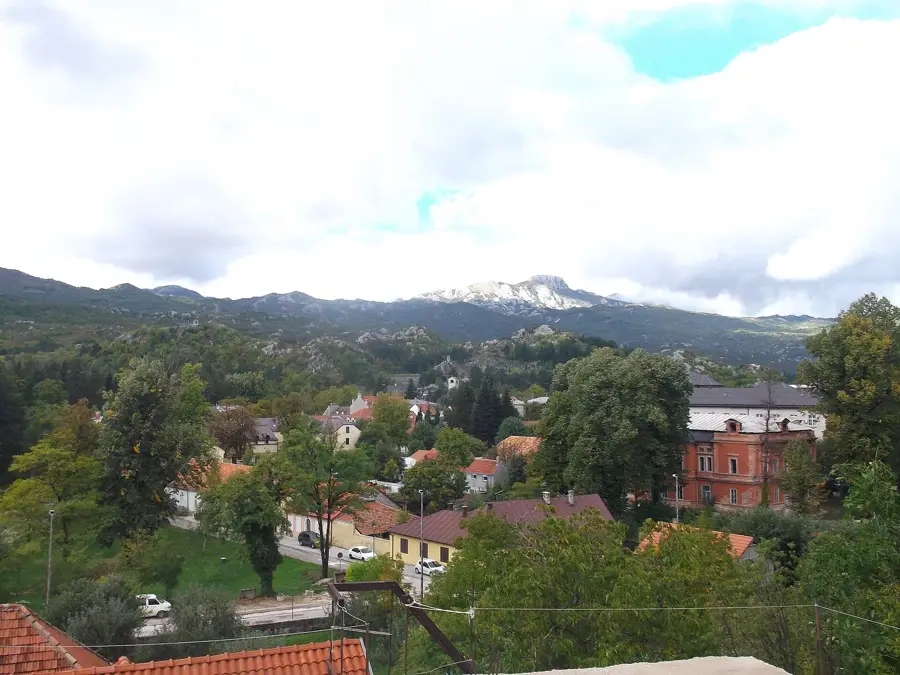
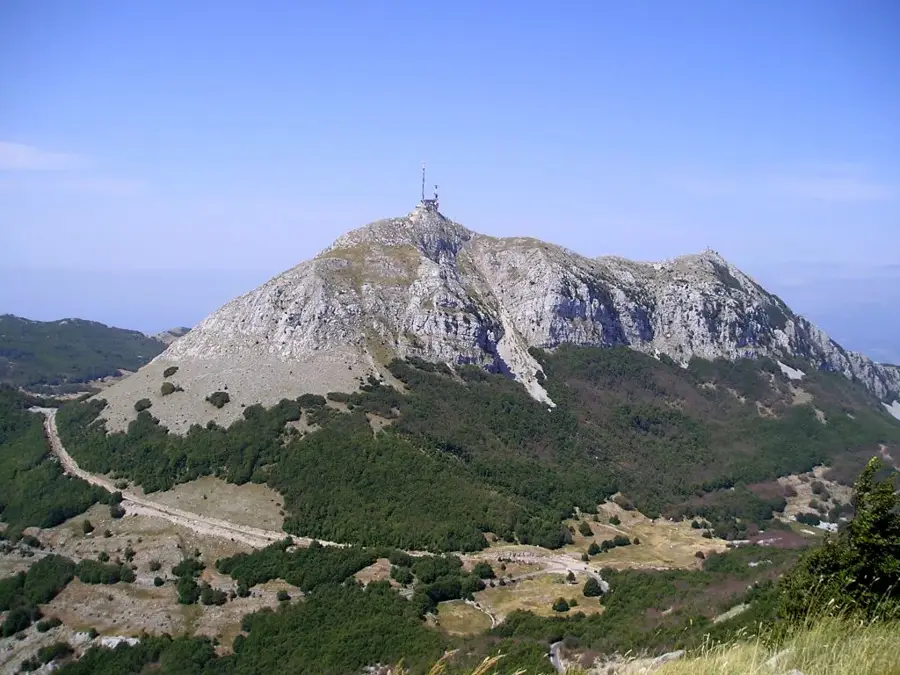
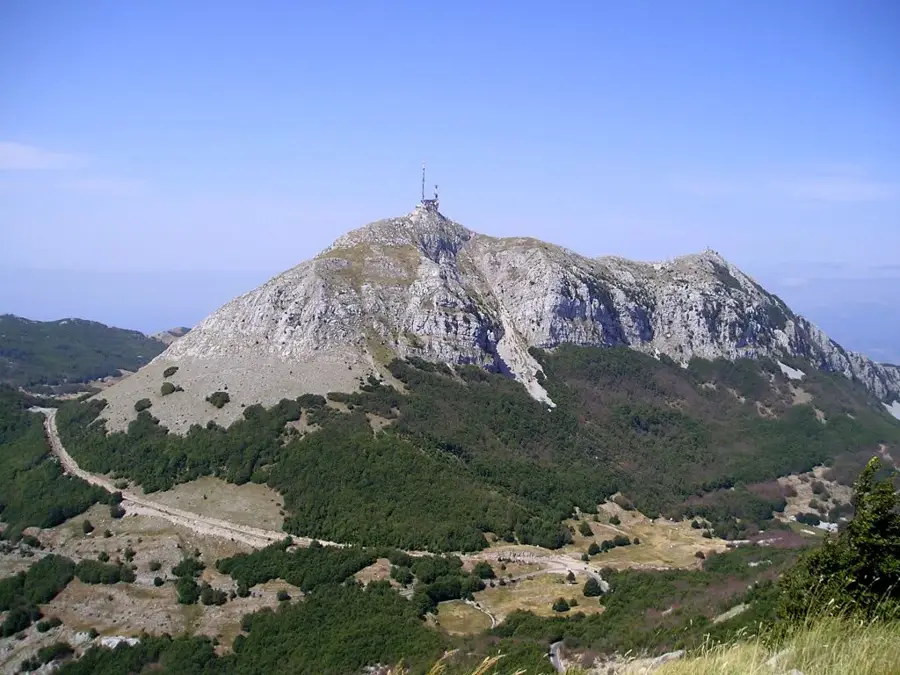
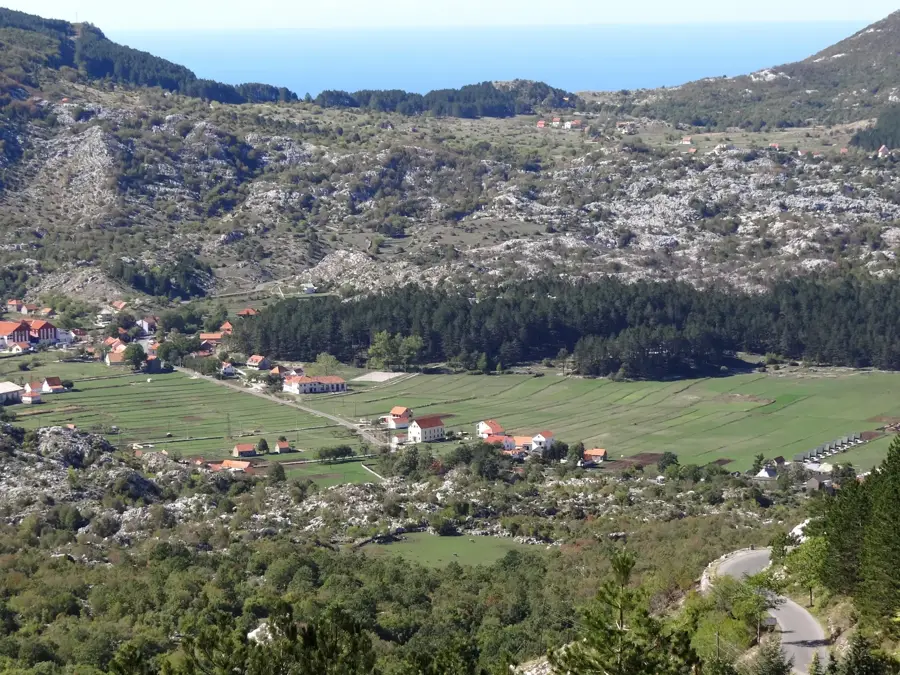
Cetinje is the spiritual and cultural heart of Montenegro, situated in a karst basin at the foot of Mount Lovćen. Founded in 1482, it remained the capital until 1946 and still holds the title of "Old Royal Capital." The most significant landmark is the Cetinje Monastery, a focal point of Montenegrin history that houses relics such as the hand of St. John the Baptist. King Nikola's Palace, now the National Museum, showcases the regal heritage of the Petrović-Njegoš dynasty. The town's streetscape is defined by the grand 19th-century embassies of former European powers, giving it a unique diplomatic and aristocratic flair. Visitors shouldn't miss the "Billiarda," the fortified residence of the poet-prince Njegoš, named after the country's first billiard table. Cetinje is known for its pleasant, cool summers and its role as a major arts and academic center. Located midway between Podgorica and the coast, it is easily reached by car. It is the great starting point for ascending the scenic serpentines of Lovćen National Park.

Best time to visit & climate

The most pleasant time to visit is Jun–Aug.

JanFebMarAprMayJunJulAugSepOctNovDec
Avg °C45812162024241914106
Rain mm15615213810389674243116138187178

📋 Practical info

🚪
Visiting
Cetinje is a historic town that serves as the honorary capital of Montenegro. You can visit the Cetinje Monastery, the former royal palace (now a museum), and many other historic buildings. Most attractions are open to the public with a small fee.
🕒
Typical hours
Museums and monasteries typically open around 9:00 and close between 17:00 and 18:00, but hours can vary seasonally. It is best to check locally for exact times.
📷
Photography
Photography is allowed inside most museums and monasteries, but flash may be prohibited in some areas. The town itself is very photogenic with its Austro-Hungarian architecture.
⏱️
Time needed
Plan at least 3-4 hours to see the main sights including the monastery, palace museum, and the town square. A full day allows for a relaxed pace and lunch.
Combine with
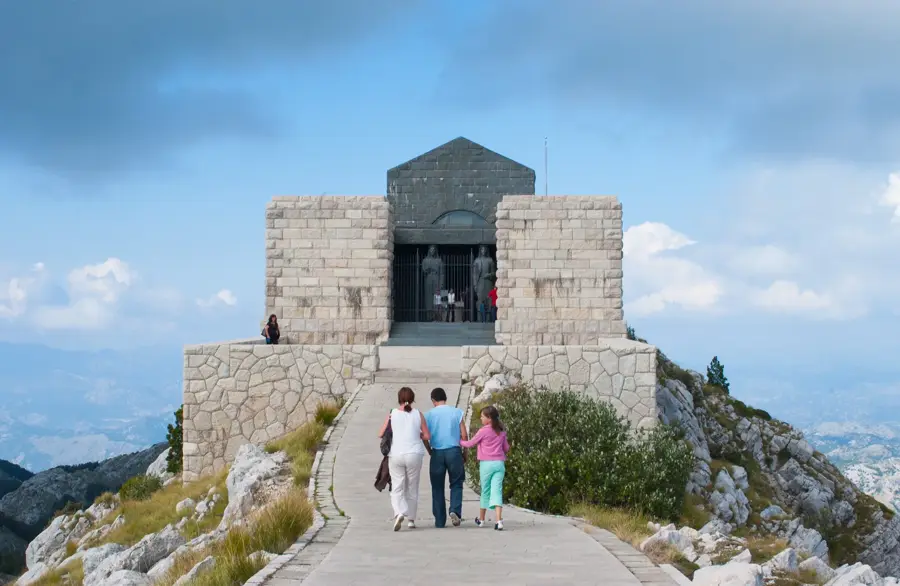
Combine with a visit to Lovćen National Park (the Njegoš Mausoleum) or the coastal town of Budva for a diverse day trip. Both are within an hour's drive.
🧭
Getting there
Cetinje is accessible by car from Podgorica (about 30 minutes) or by bus. The town is compact and walkable once you arrive.
💡
Insider tip
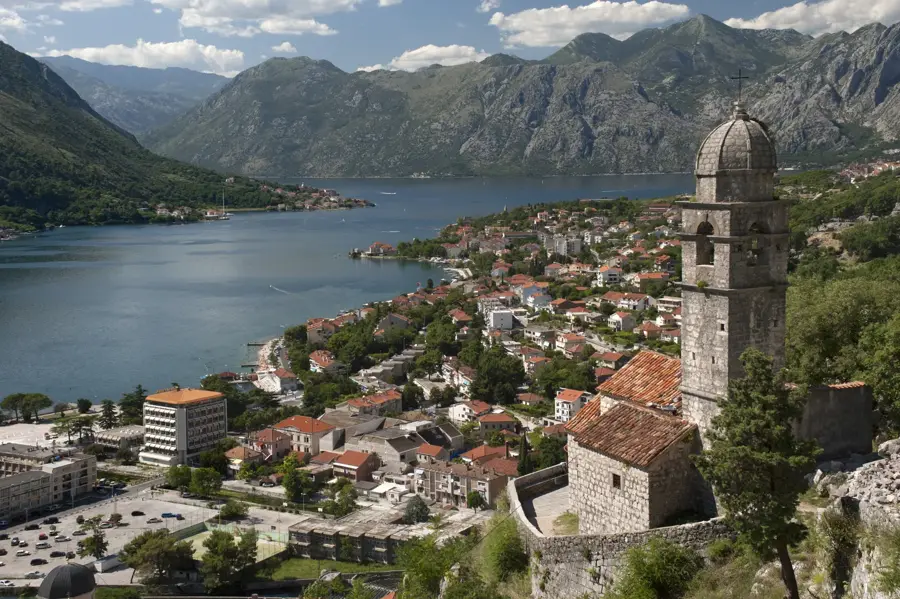
Don't miss the Cetinje Monastery's interior - it houses important relics. Also, climb the bell tower for a great view over the town.

Geography

Population
15,137 (2026)
Coordinates
42.38944, 18.92472

Facts

  • Historical capital until 1946
  • Founded in the year 1482
  • Seat of the Montenegrin President
  • Relic: hand of St. John the Baptist
  • Grand former 19th-century embassies
  • National Museum in King Nikola Palace
  • Major cultural and artistic hub
  • Located at the foot of Mt. Lovćen

Explore nearby

Notable places around
Route planner — Car & Motorhome

Where do you start? We build the route here, with stops and country notes along the way.

Vehicle
Only stops with (optional):

© OpenStreetMap contributors · OpenRouteService

Sights in the town Cetinje (10)

Belveder🌿 nature

Scenic belvedere with panoramic views of Cetinje.

Montenegrin Art Gallery “Miograd Dado Durić”🏛 museum

Art gallery showcasing works of Montenegrin artist Dado Durić in Cetinje.

🕒 Mo-Su 09:00-17:00

Galerija Atelje DADO🏛 museum

Galerija Atelje DADO is a notable art gallery situated in the historic city of Cetinje.

💶

Site of the Old Cetinje Monastery🏺 historical

These ruins in Cetinje mark the original location of the historical Old Cetinje Monastery.

Lapidarium🏺 historical

The Lapidarium in Cetinje is an archaeological site displaying historic stone monuments.

Djukanovic Palace📍 landmark

Residence of the Djukanovic family in Cetinje, now a landmark.

Pro Patria🏺 historical

War memorial dedicated to fallen soldiers in Cetinje.

Former Russian embassy📍 landmark

Historic building that housed the Russian embassy in Cetinje.

former austrian-hungarian embassy📍 landmark

Historic building that housed the Austro-Hungarian embassy in Cetinje.

Muzej novca🏛 museum

Money museum displaying historical currency in Cetinje.

💶

Sights nearby

Frequently asked questions

What is the historical significance of Cetinje?
Cetinje was the former capital and remains the cultural and spiritual center of Montenegro to this day.
Which museums should you visit in Cetinje?
Visit King Nikola's Palace and the National Museum featuring the Icon of Our Lady of Philermos.
Is there a dress code for the Cetinje Monastery?
Yes, shoulders and knees must be covered. Women should ideally wear a skirt or a scarf.
How much time is needed to see the sights in Cetinje?
Plan about 3 to 4 hours to see the main museums and the monastery comfortably.
Are the museums in Cetinje open on Mondays?
Many state museums are closed on Mondays or have limited opening hours (usually 9 AM - 3 PM).
Cetinje: where is it located?
Cetinje is located in Montenegro.
Cetinje: what is there to see?
Highlights include Belveder, Montenegrin Art Gallery “Miograd Dado Durić”, Galerija Atelje DADO.
Cetinje: when is the best time to visit?
The most pleasant time to visit is Jun, Aug.
Cetinje: why is it worth visiting?
Cetinje is the spiritual and cultural heart of Montenegro, situated in a karst basin at the foot of Mount Lovćen.
View on map → The Top 50 Attractions → OpenStreetMap →
Europe
Explore with Plizio Discover more places in Europe
More places in Montenegro →

Nearby cities

History & landmarks