Plizio Visual Lab
Lipcani Historic District
Weather…
Water temperature…
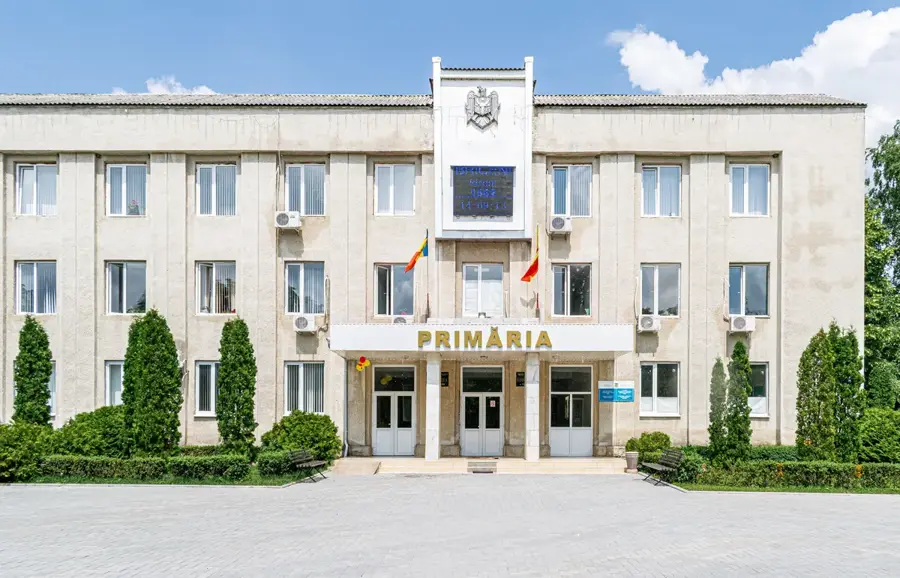
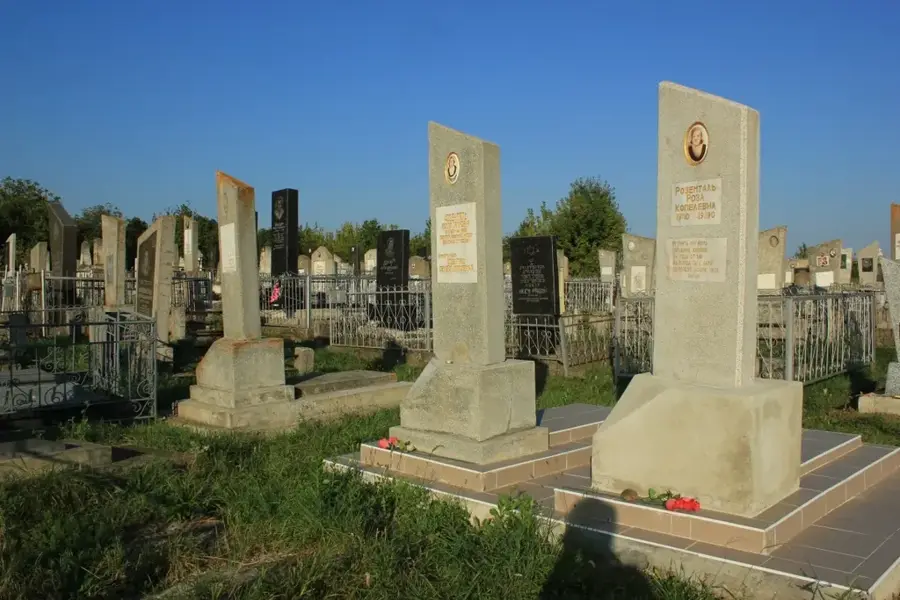
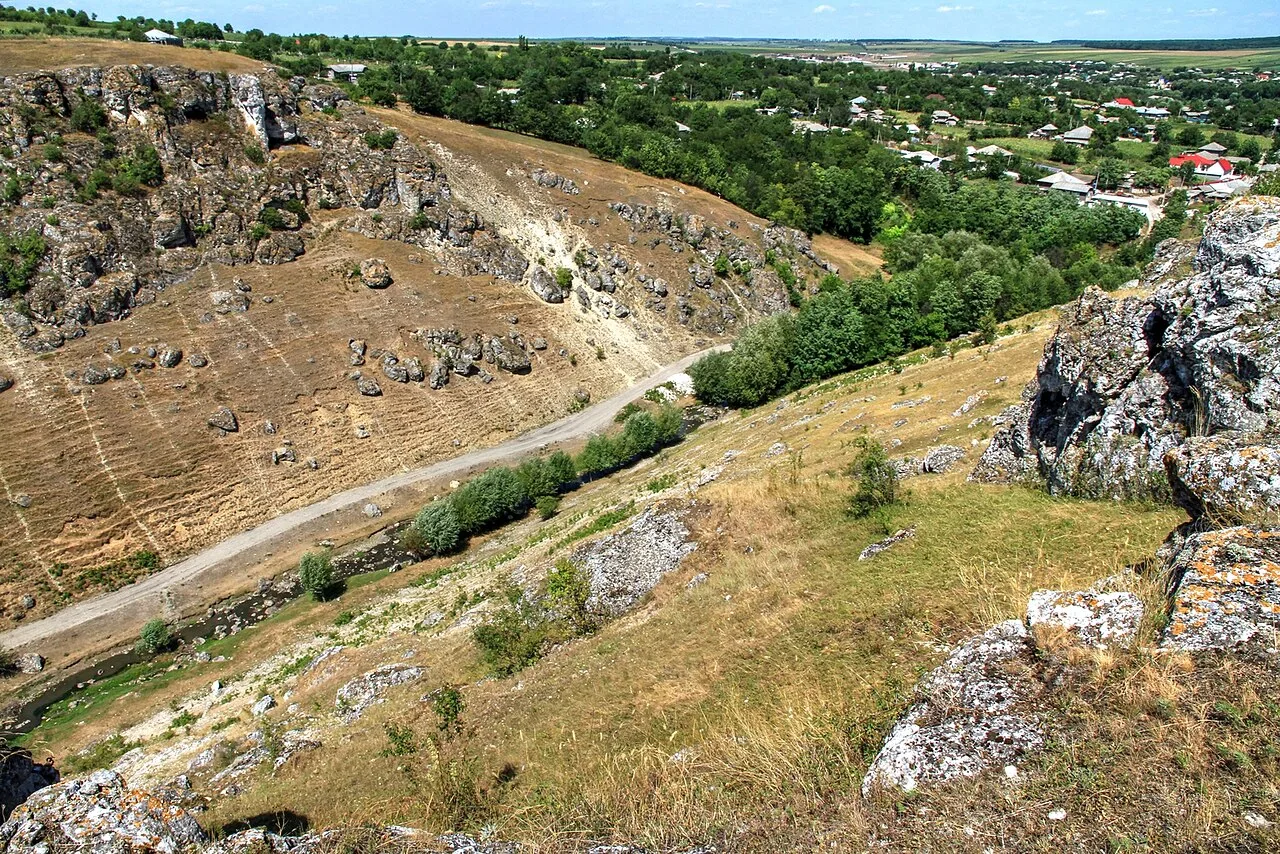
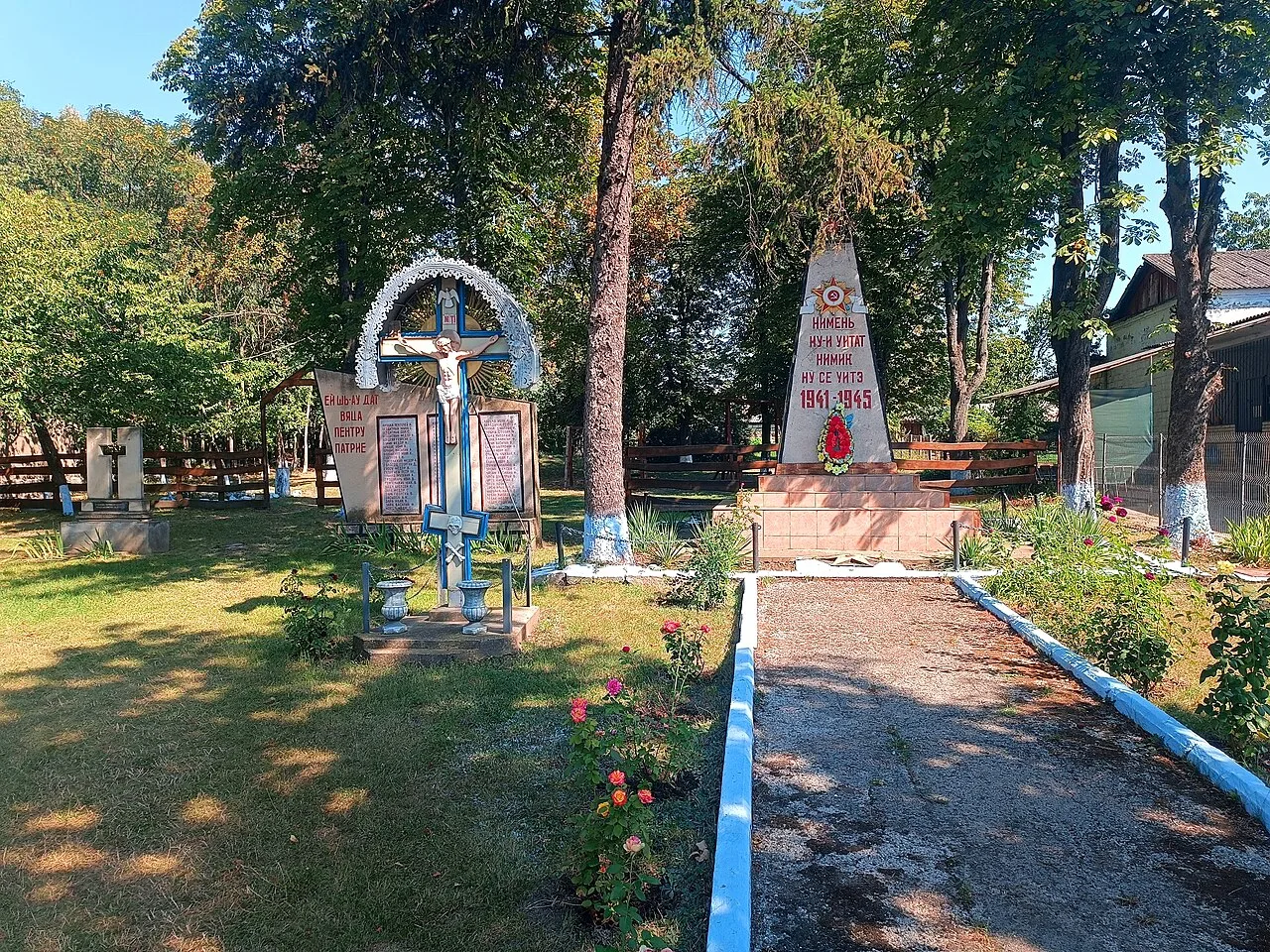
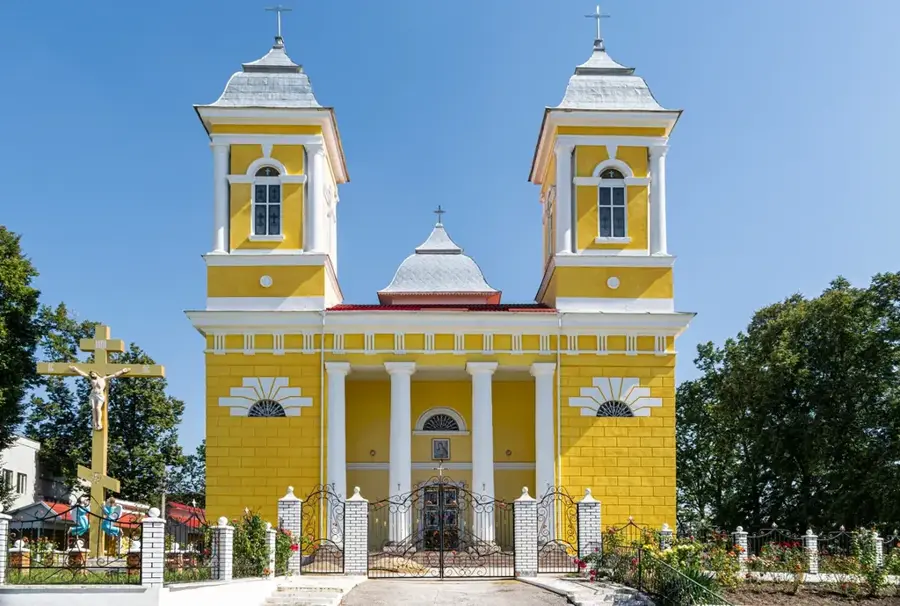
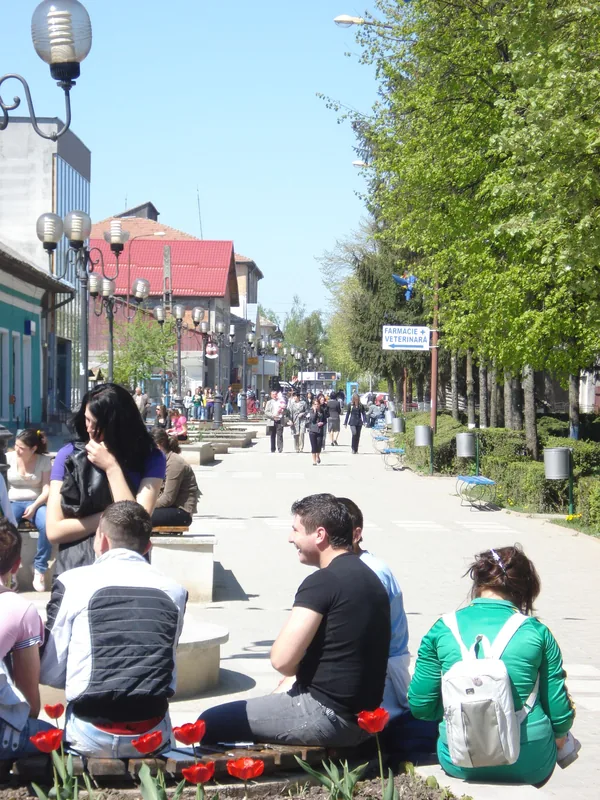
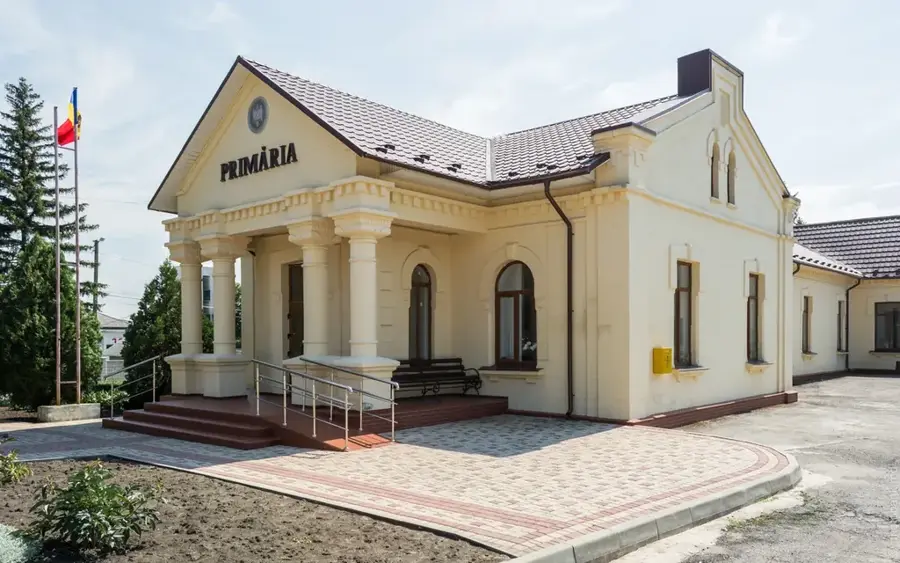
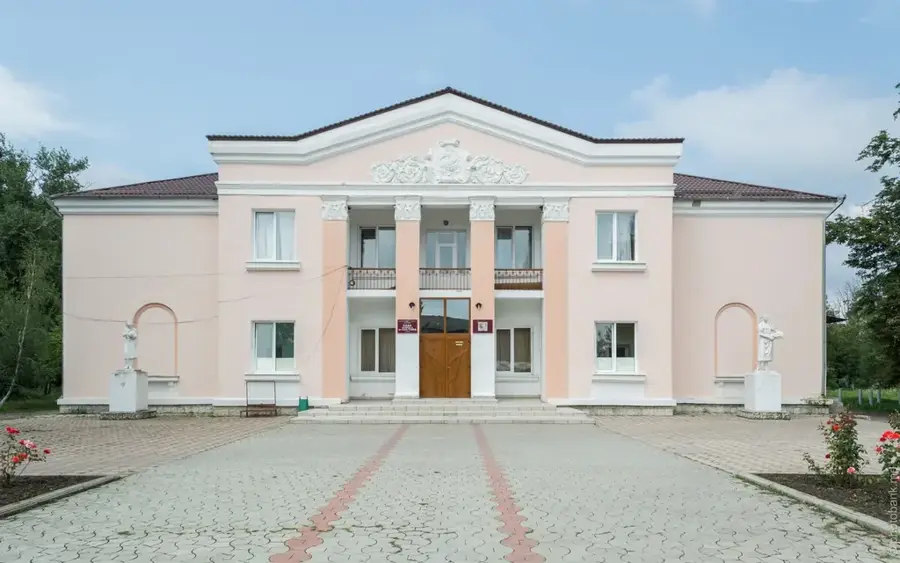
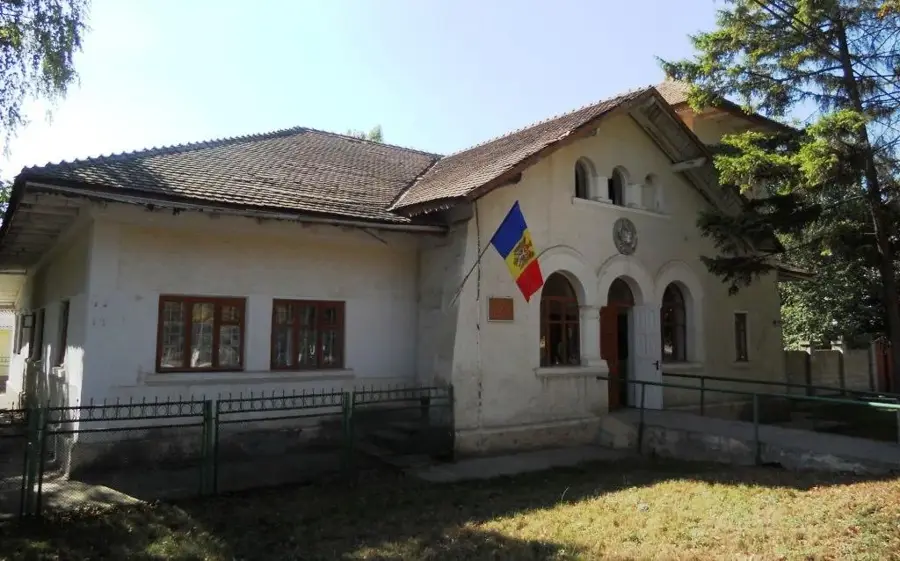
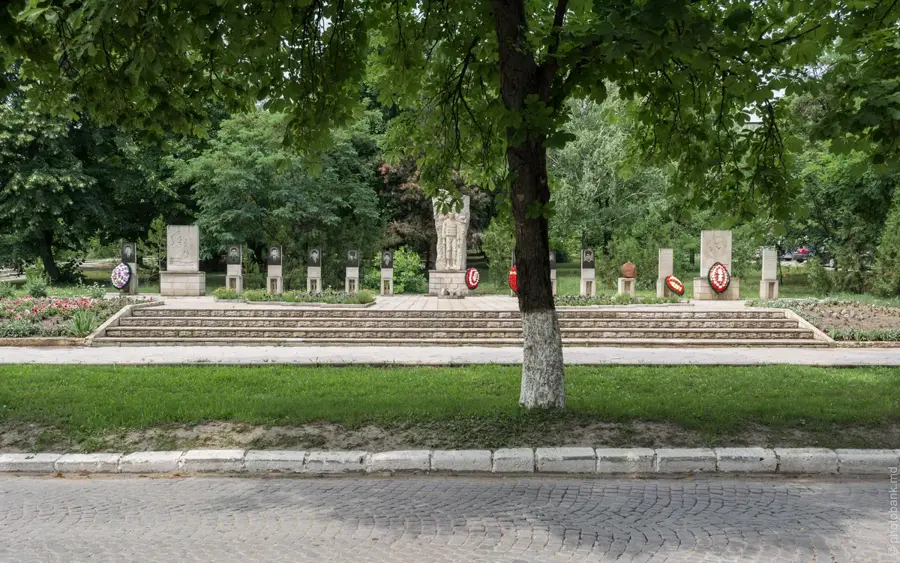
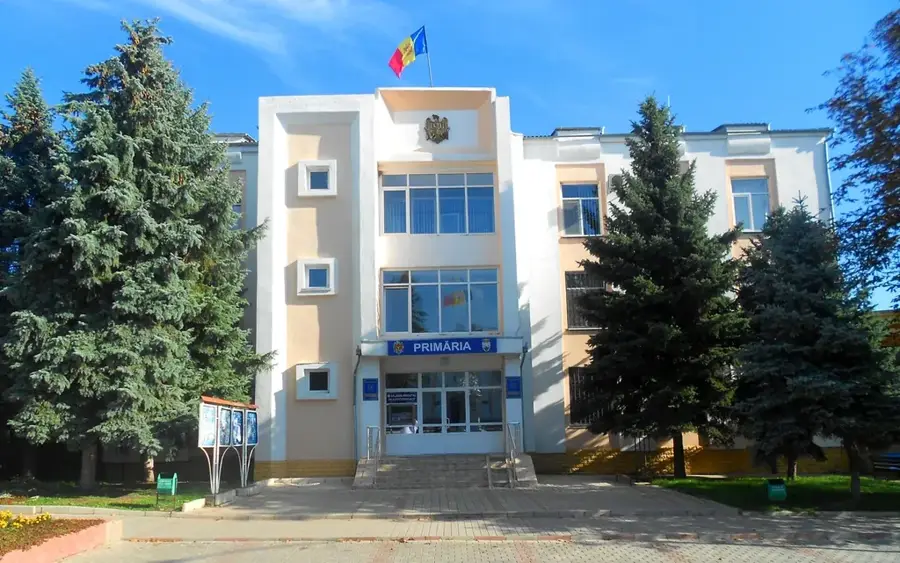
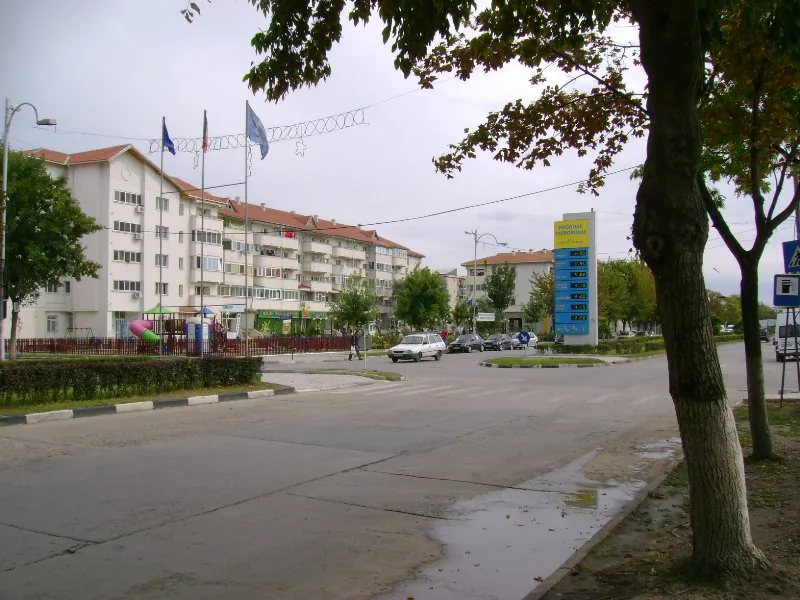
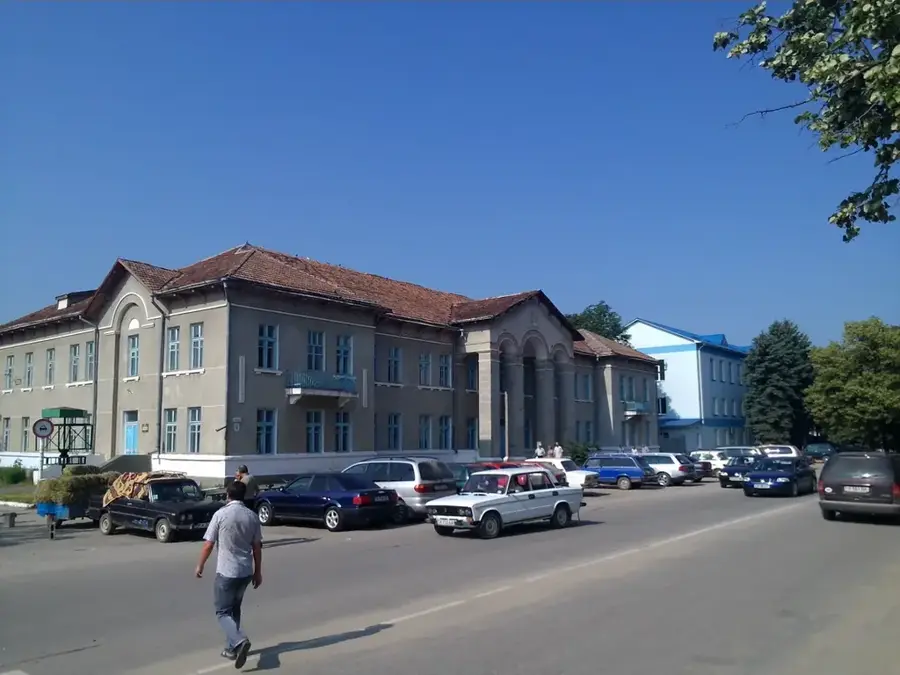
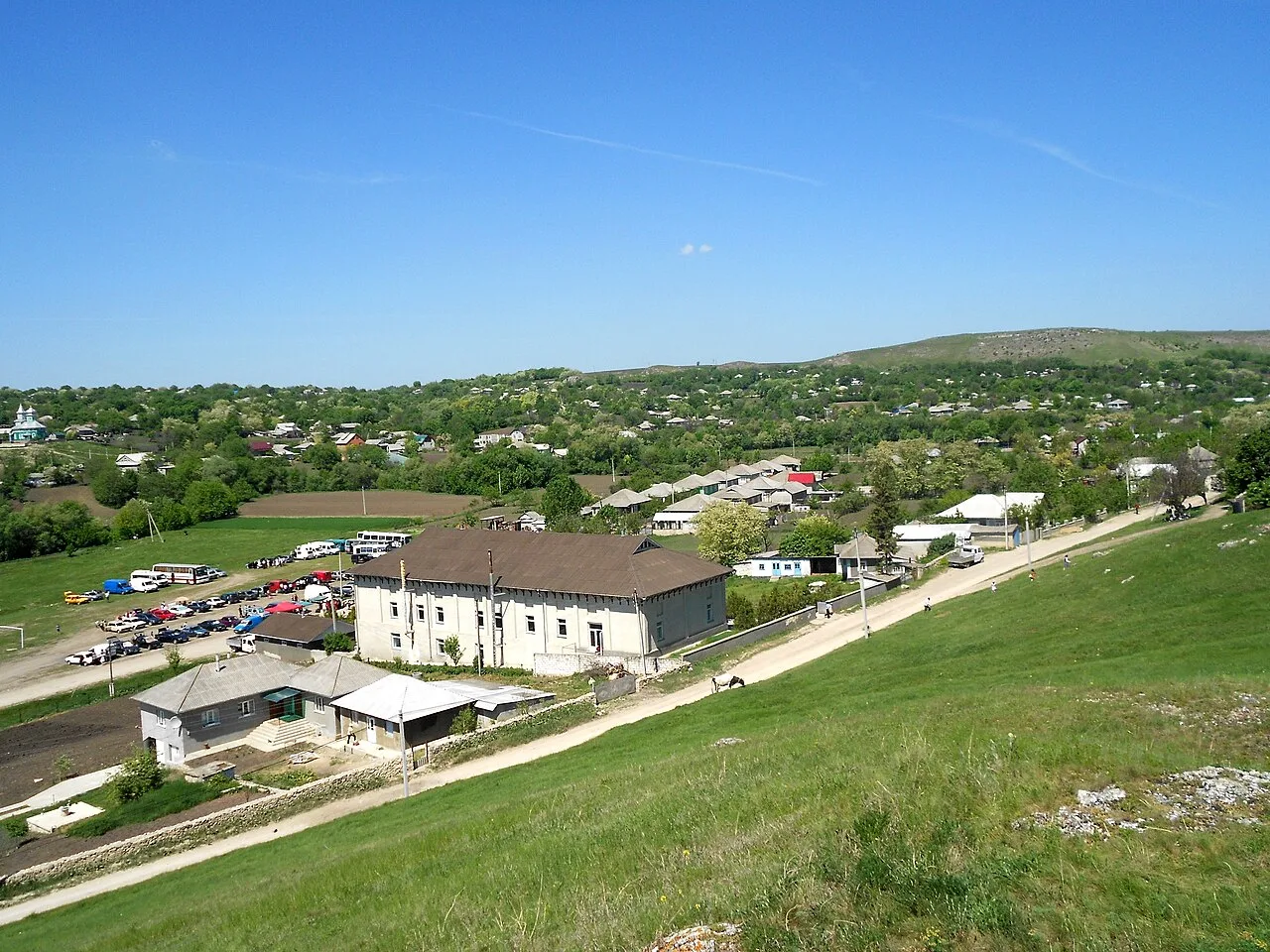
The historic district of Lipcani in the Briceni District is a remarkable testimony to Moldova's multicultural past at the border triangle with Romania and Ukraine. Lipcani, once known as a major trade hub and border town, preserves in its old core architectural styles from the 19th and early 20th centuries. For centuries, the district was a significant center for the Jewish community, evidenced today by the remains of the synagogue and traditional merchant houses. The architecture reflects a blend of Austro-Hungarian, Russian, and Moldovan influences resulting from its border location. During the Tsarist era, Lipcani was famous for its fairs and livestock trade, which funded the construction of representative administrative and residential buildings. Despite the destruction during World War II and neglect during the Soviet era, many facade elements and the characteristic street layout have been preserved. Today, the district is considered a monument ensemble worthy of protection, documenting the socio-economic importance of northern Bessarabia. Revitalization efforts focus on preserving the remaining building substance and promoting cultural tourism.
- Location: Moldova
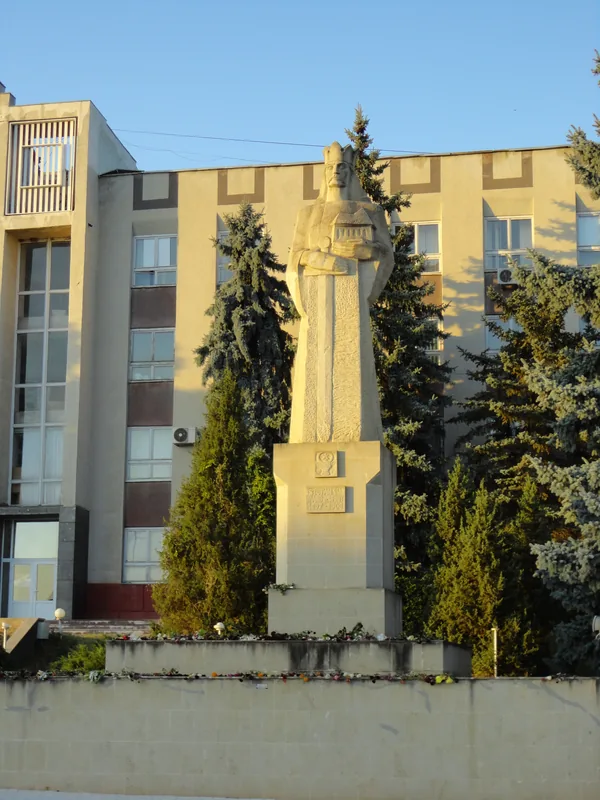
- Top sights: Cimitir vechi evreesc · Lenin · Biserica Sf. Ecaterina
- Nearby: Briceni (23 km)
Best time to visit & climate
The most pleasant time to visit is Jun–Aug.
| Jan | Feb | Mar | Apr | May | Jun | Jul | Aug | Sep | Oct | Nov | Dec | |
|---|---|---|---|---|---|---|---|---|---|---|---|---|
| Avg °C | -4 | -3 | 3 | 10 | 16 | 19 | 22 | 21 | 16 | 9 | 3 | -2 |
| Rain mm | 32 | 36 | 41 | 47 | 67 | 89 | 86 | 58 | 46 | 48 | 38 | 34 |
📋 Practical info
Geography
Facts
- Lipcani officially received city status in 1846.
- Before 1941, over 90% of the town's population was of Jewish origin.
- The bridge over the Prut at Lipcani was blown up in 1941 and only rebuilt decades later.
- The historic district features buildings in the style of Russian Art Nouveau.
- The famous Jewish writer Eliezer Steinbarg lived and worked in Lipcani.
- Lipcani is often referred to as the 'Gateway to the North' of Moldova due to its location.
Explore nearby
Notable places around
Route planner — Car & Motorhome
Where do you start? We build the route here, with stops and country notes along the way.
© OpenStreetMap contributors · OpenRouteService
Sights in the town Lipcani Historic District (3)
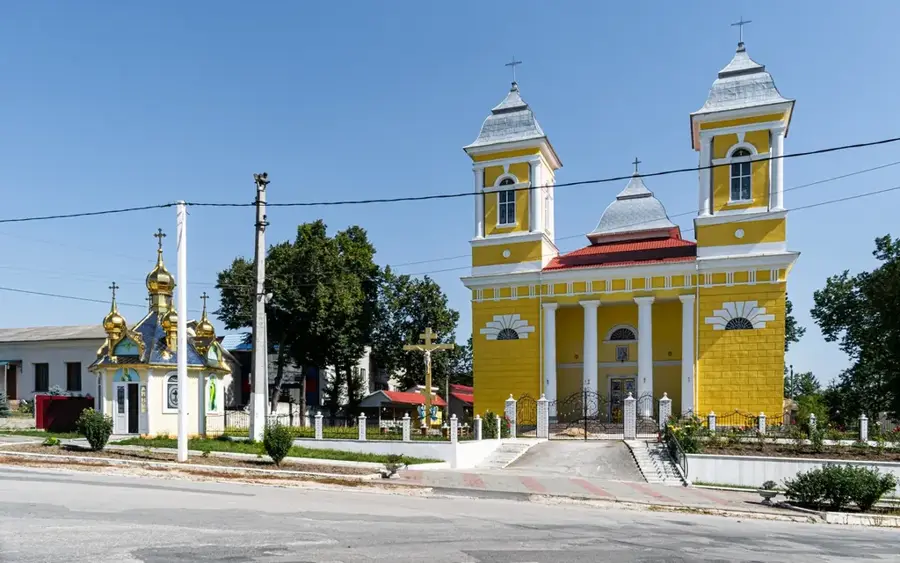
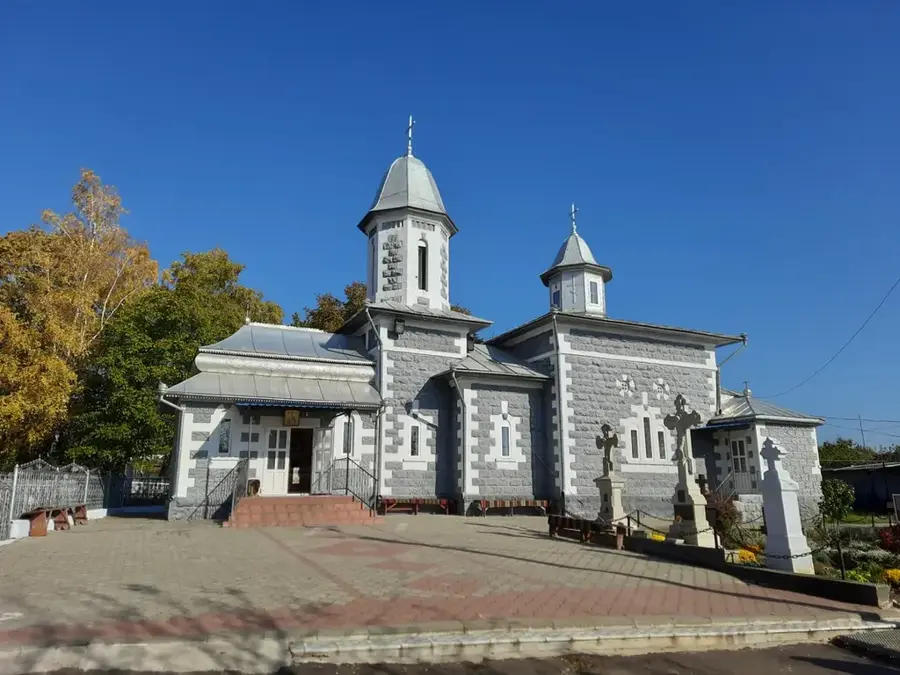
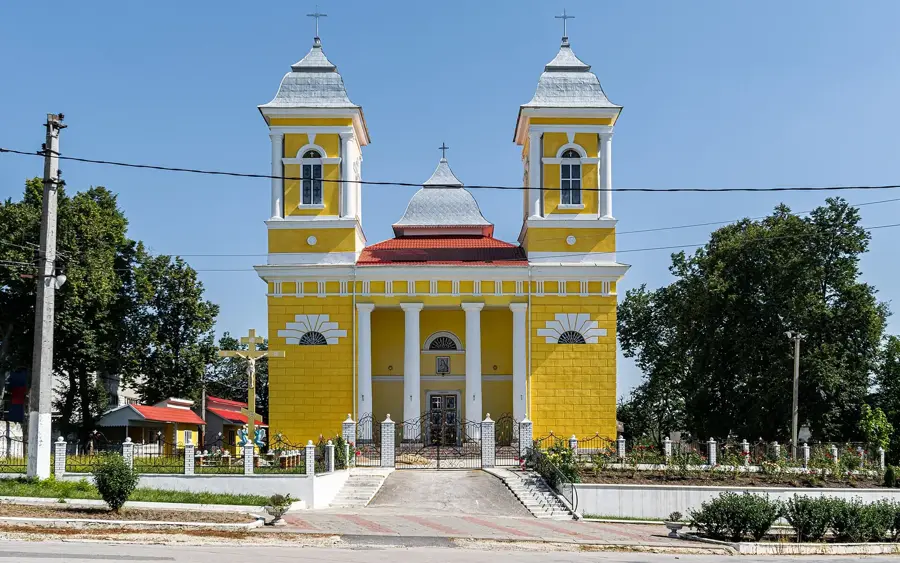
Biserica Sf. Ecaterina
Orthodox church in Lipcani, dedicated to Saint Catherine.
Sights nearby
Frequently asked questions
What characterizes the historical district of Lipcani?
Where exactly is Lipcani located?
Can the district be explored on foot?
Are there museums in the historical district?
When should one visit Lipcani?
Lipcani Historic District: where is it located?
Lipcani Historic District: what is there to see?
Lipcani Historic District: when is the best time to visit?
Lipcani Historic District: why is it worth visiting?

Nearby cities
History & landmarks
Nature

More places