Plizio Visual Lab

Leova Hills
Plizio editorial teamData Sources
Mountain
—°3
Leova Hills (Moldova)

Weather…

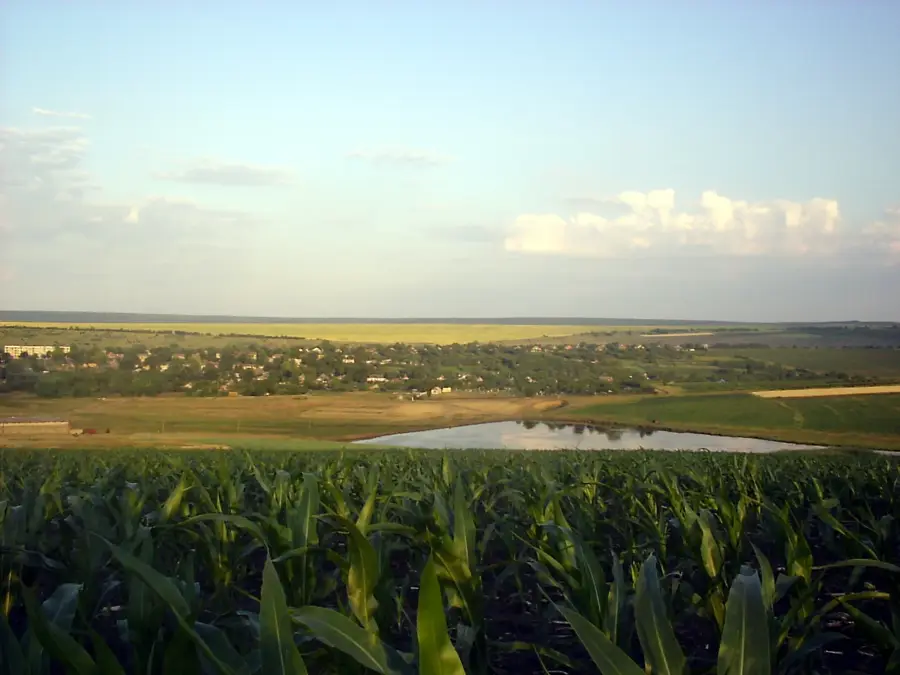
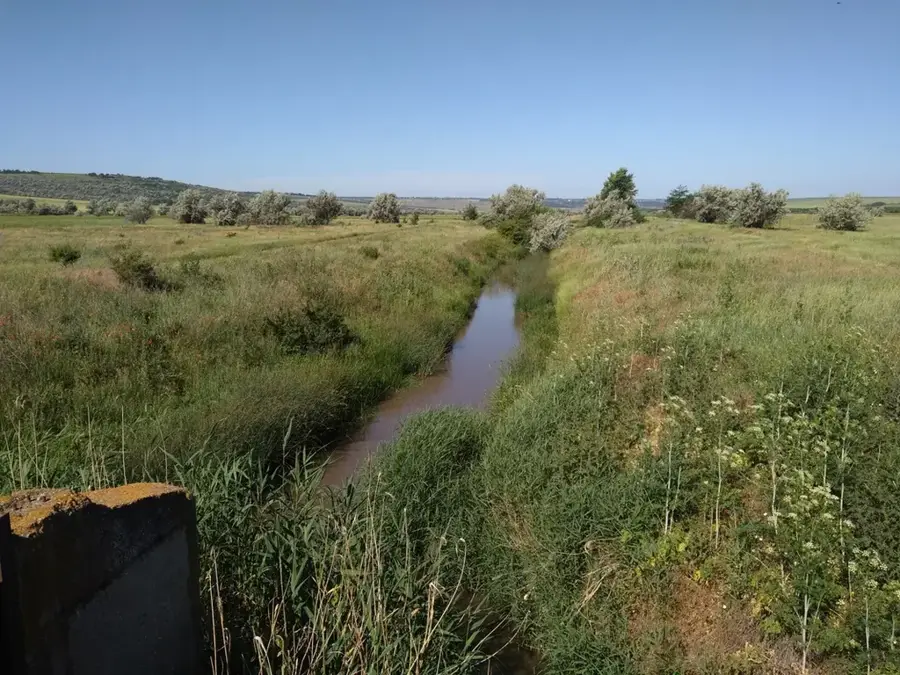
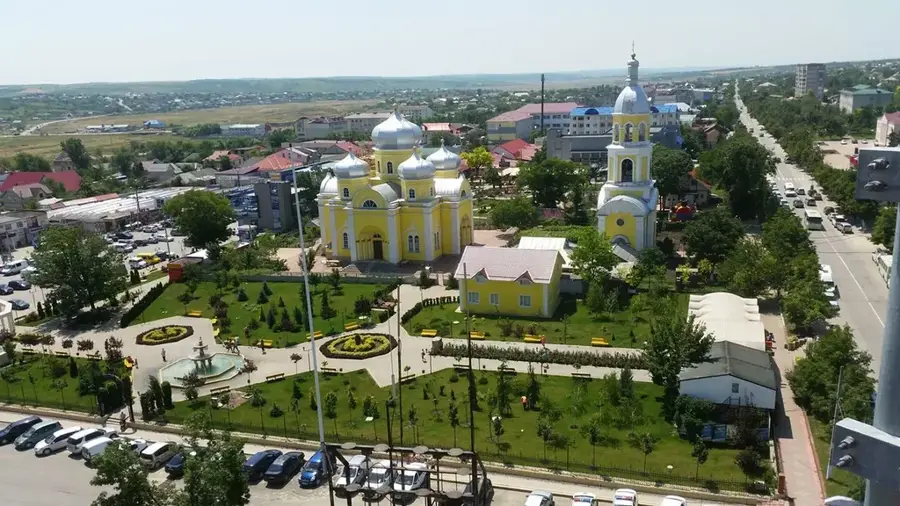
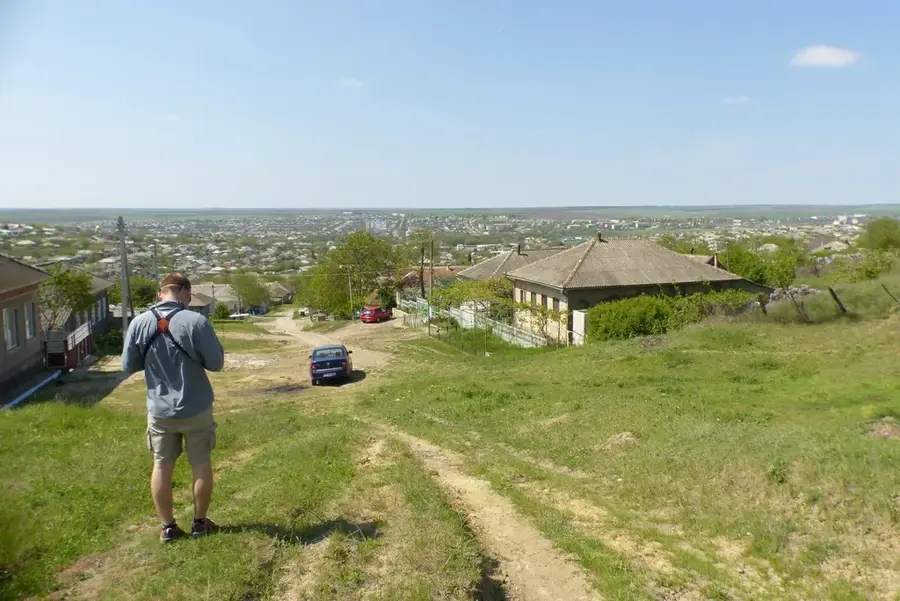
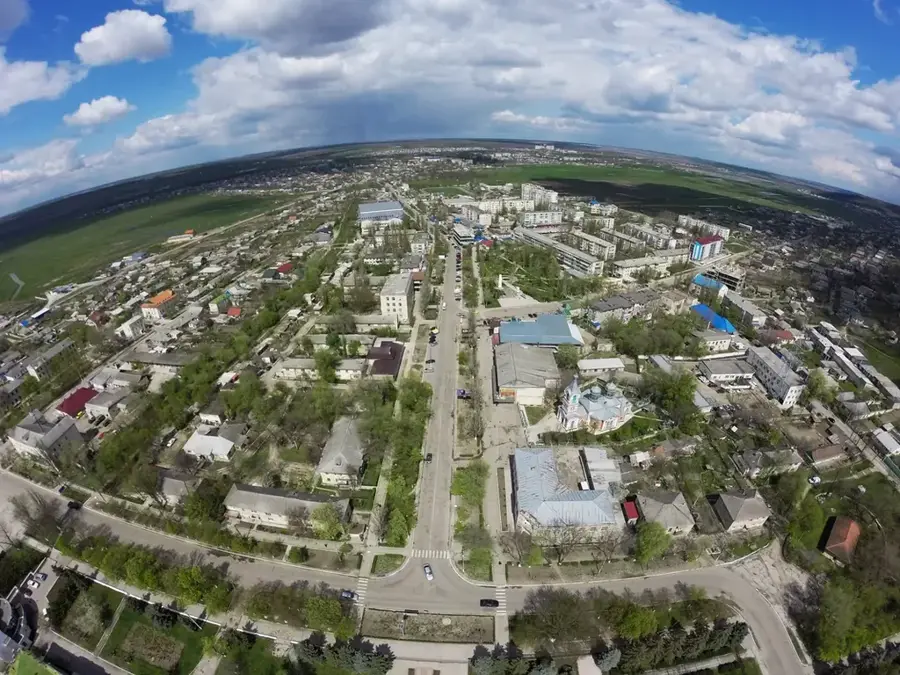
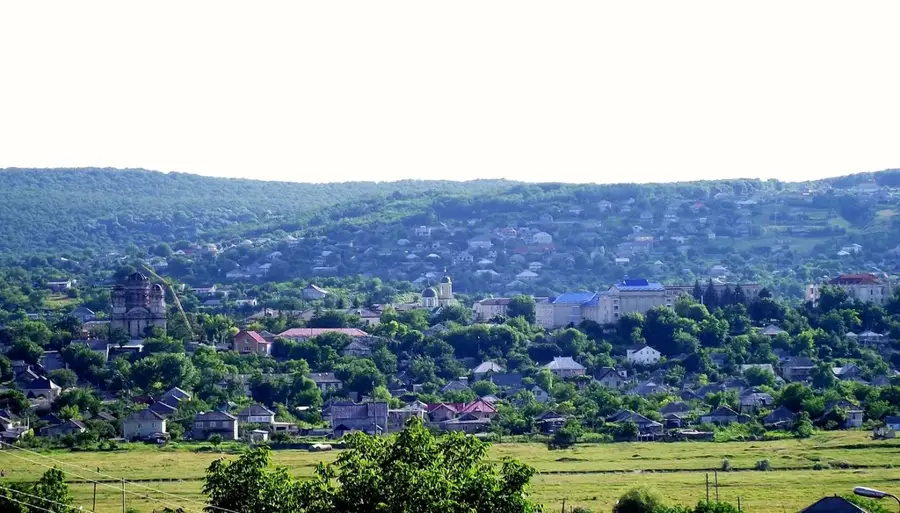
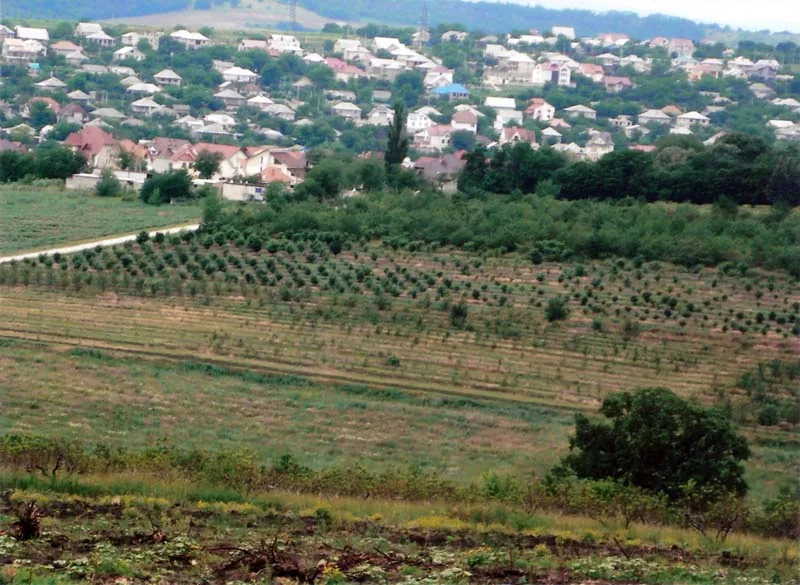
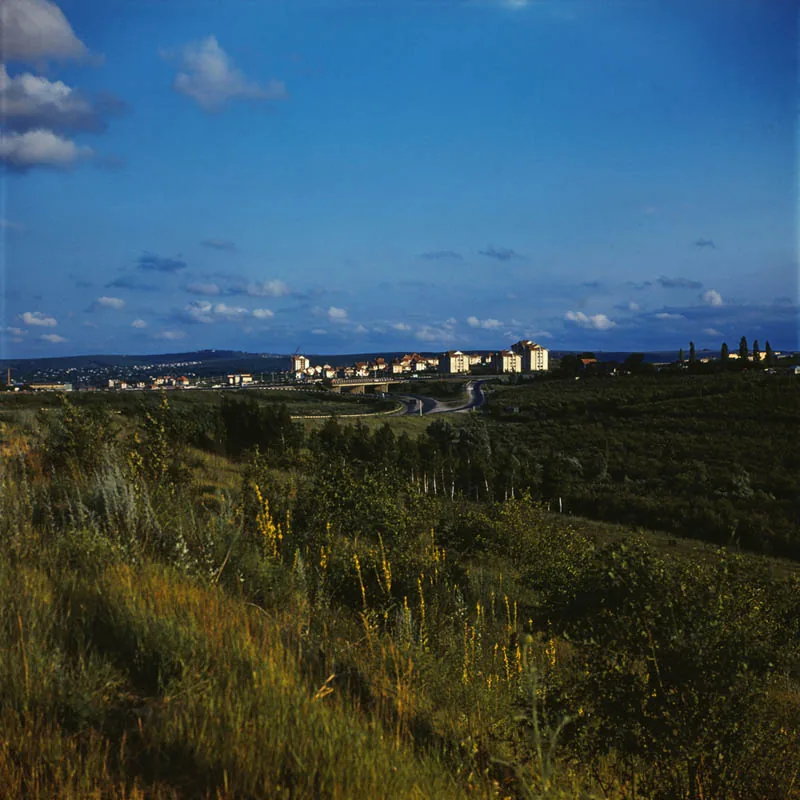
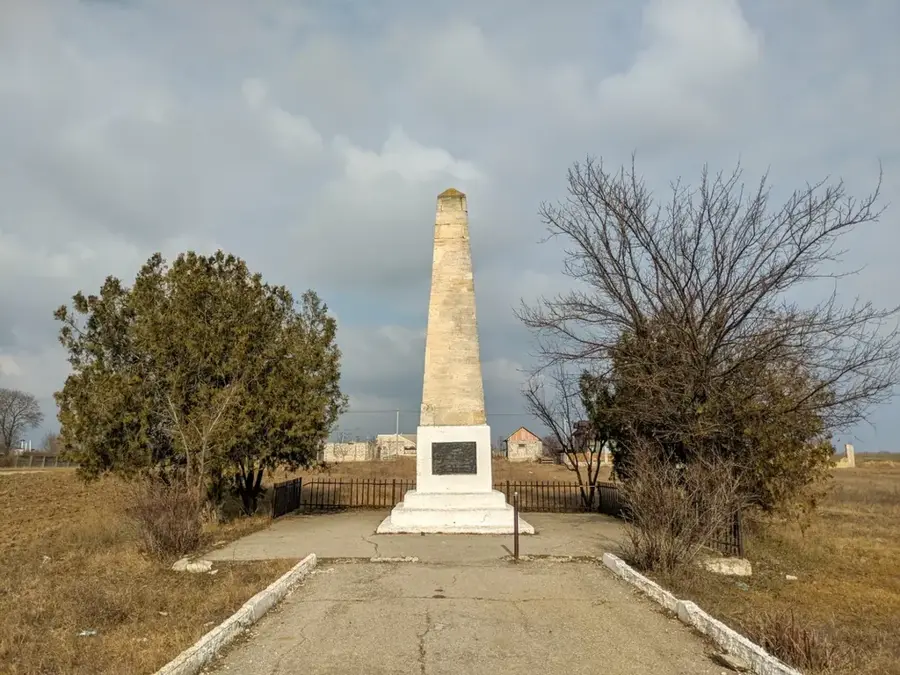
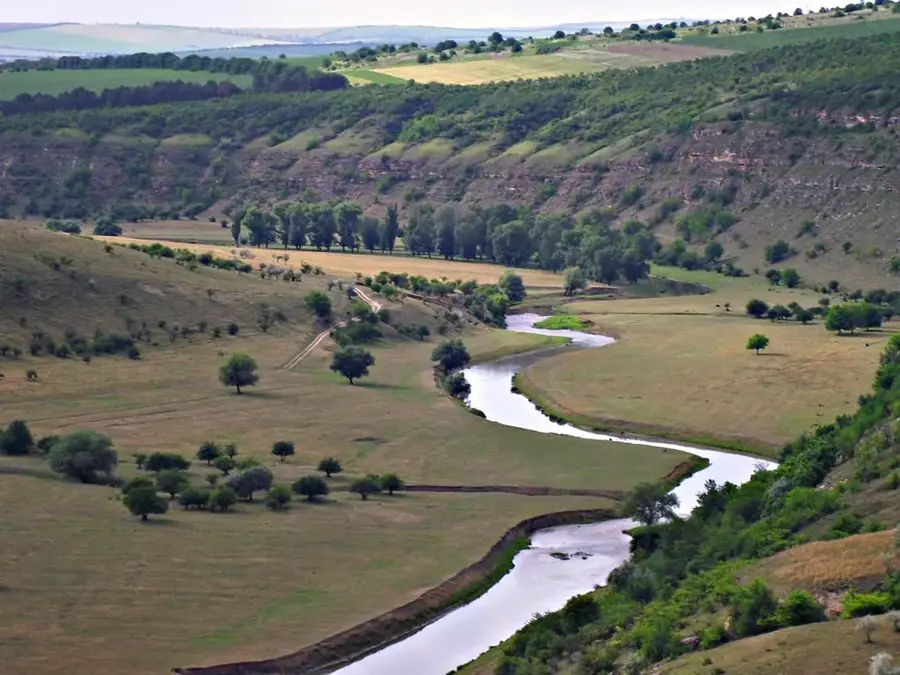
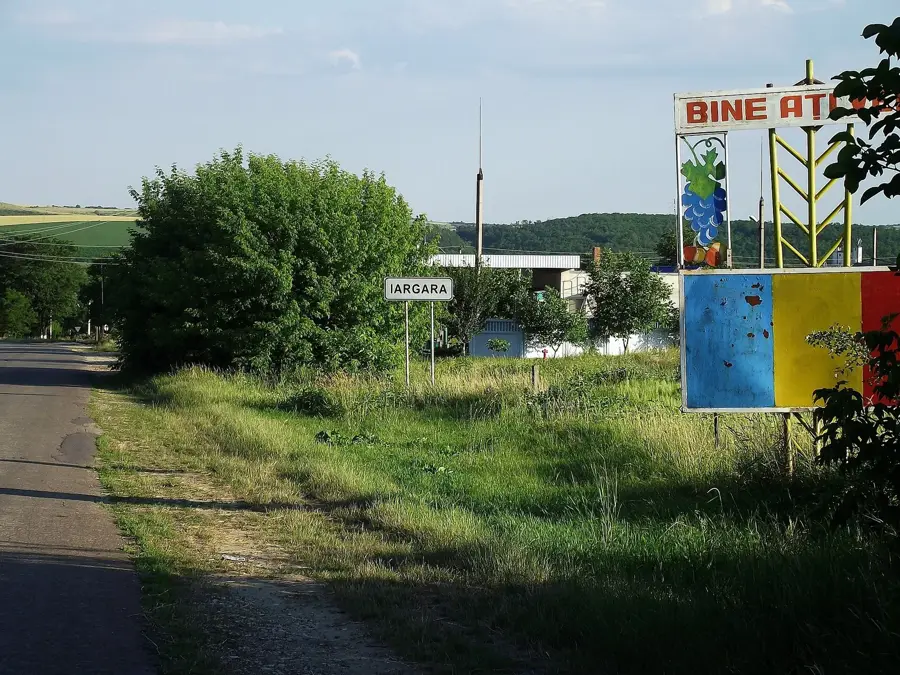
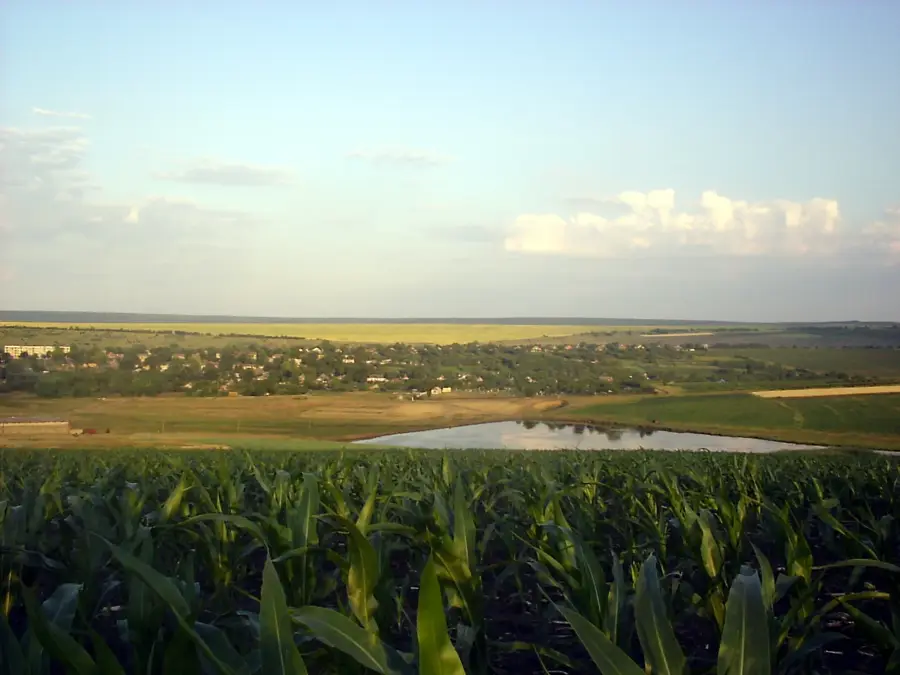
The Leova Hills extend across the southwestern part of Moldova along the Prut Valley in the Leova district. Geomorphologically, they belong to the Prut terrace landscape and represent a transition zone between the Tigheci Plateau and the southern Moldavian Plain. The relief is characterized by gentle, elongated hill ridges that descend in stages towards the Prut River. The geology is dominated by Pliocene and Pleistocene deposits such as sand, gravel, and loess, shaped by fluvial processes. Due to the favorable climatic location with mild autumns and sufficient sunlight, the region is an important center for viticulture and fruit production. Historically, the area was part of Trajan's Wall, the remains of which are still recognizable in places in the landscape. Natural vegetation includes steppe meadows and small alluvial forests in the river lowlands. Soils are predominantly fertile chernozems, which are susceptible to erosion on slopes, where terracing is often employed.

Best time to visit & climate

The most pleasant time to visit is Jun, Aug, Sep.

JanFebMarAprMayJunJulAugSepOctNovDec
Avg °C-3-14101722242418115-1
Rain mm393236405065593437464040

📋 Practical info

🧭
Getting there
The area of the Leova Hills is best accessed via the regional roads that closely follow the Prut River in the southwest of the country. Smaller tracks branch off from the main local routes and lead directly into the agriculturally dominated, gently rolling rural areas.
📅
Best season
Late spring and early summer are very beautiful times to visit, when the wide fields are blooming and the landscape appears vibrantly green. In mid-summer, this region can become exceedingly hot, while the unpaved field tracks are often hard to traverse after autumn rains.
⛰️
Terrain & paths
The landscape is heavily dominated by broad, gently sloping hillsides and extensive agricultural lands stretching to the horizon. Movement is primarily along field tracks and grassy margins, with no steep climbs or demanding geological obstacles to overcome during a walk.
🎒
What to bring
Comfortable footwear is generally completely sufficient for walks across the field tracks and gentle hills. Since natural shade is often scarce on the open agricultural fields, reliable sun protection and plenty of drinking water are absolute necessities for any visitor.
🅿️
Parking
Visitors can usually park their cars without any problems at the edge of villages or at the junctions of local agricultural tracks. It is crucial to ensure that large harvesting machines and tractors can pass unimpeded on the narrow rural pathways at all times.
⚠️
Safety
There are no significant falling hazards or dramatic terrain features in this heavily agricultural and peaceful region. The main caution should be directed towards the sometimes heavy agricultural machinery operating on the field tracks during harvest time, and the heat.
⏱️
Time needed
For a quiet and peaceful walk through this gentle cultural landscape, one or two hours are usually completely sufficient. The region is not necessarily suited for extensive, multi-day hiking expeditions, but rather for short excursions into Moldova's rural nature.

Geography

Coordinates
46.48300, 28.25600

Facts

  • Located along the Prut terraces in the southwest.
  • Transition zone to the Southern Moldavian Plain.
  • Geology characterized by sandy-clayey deposits.
  • Important wine-growing area with high sunlight.
  • Historical location on the Lower Trajan's Wall.
  • Occurrence of fertile chernozem soils.

Explore nearby

Notable places around
Route planner — Car & Motorhome

Where do you start? We build the route here, with stops and country notes along the way.

Vehicle
Only stops with (optional):

© OpenStreetMap contributors · OpenRouteService

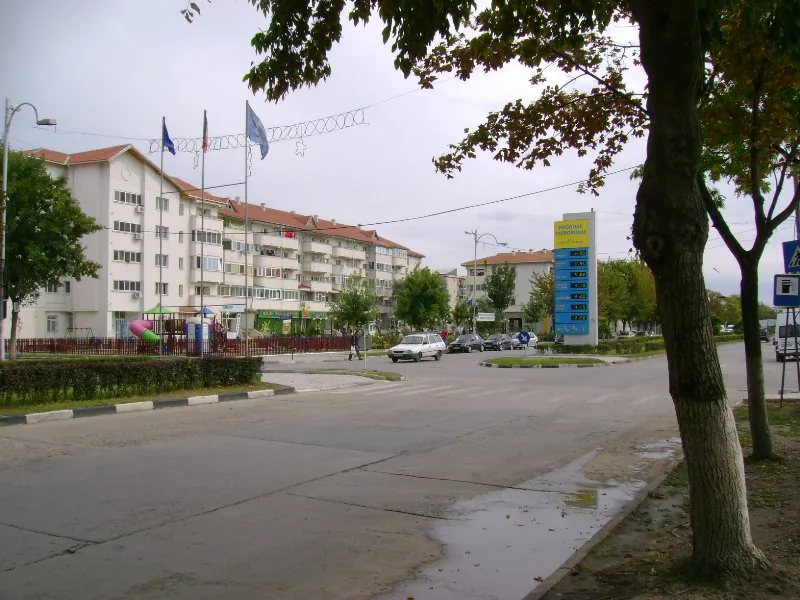
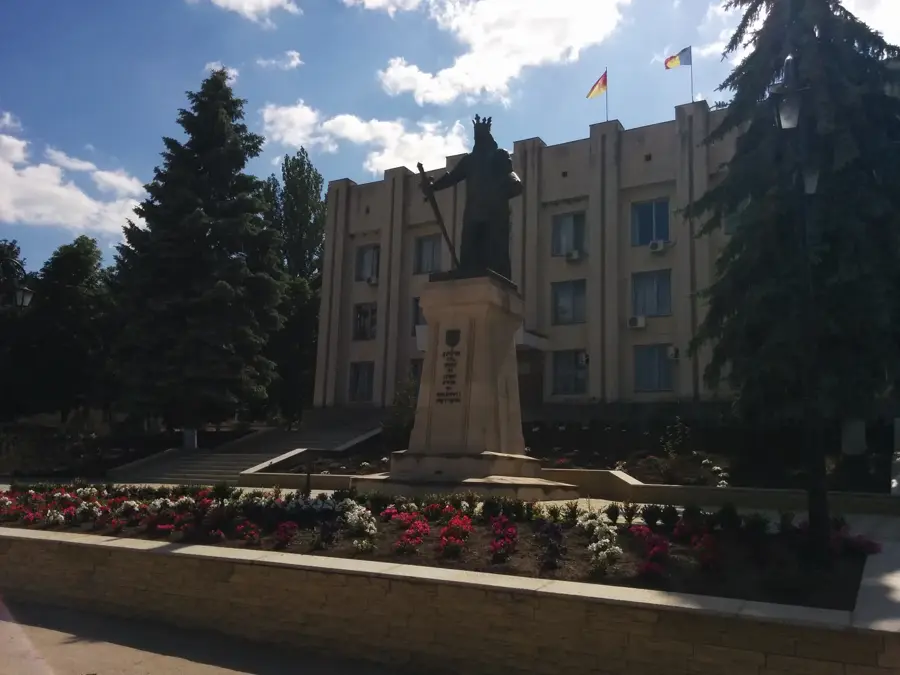
Sights in the town Leova Hills (3)

Muzeul de Istorie și Etnografie Leova🏛 museum

Museum of History and Ethnography in Leova, presenting regional traditions and history.

🕒 Mo-Fr 08:00-17:00

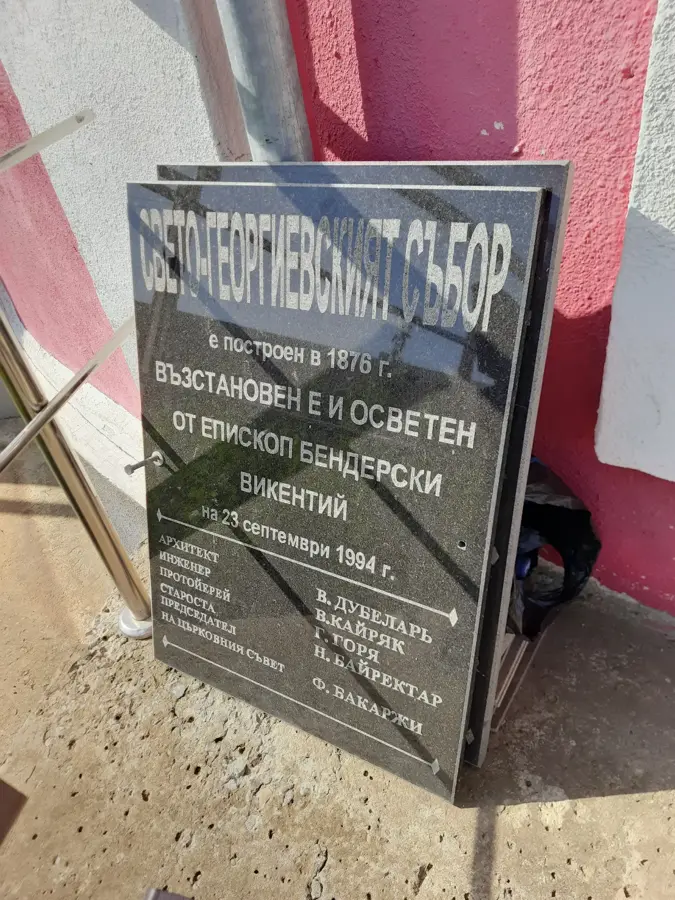
Biserica Sfânta Parascheva

Architectural monument of national importance in Moldova, church in Leova dedicated to Saint Paraskeva.

Cimitirul Evreiesc din Leova

Jewish cemetery in Leova, testament to the former Jewish community.

Sights nearby

Frequently asked questions

What is special about the Leova Hills?
They are known for their gentle vineyards and proximity to the Prut River, offering pretty photo opportunities.
Can you do wine tastings in the hills?
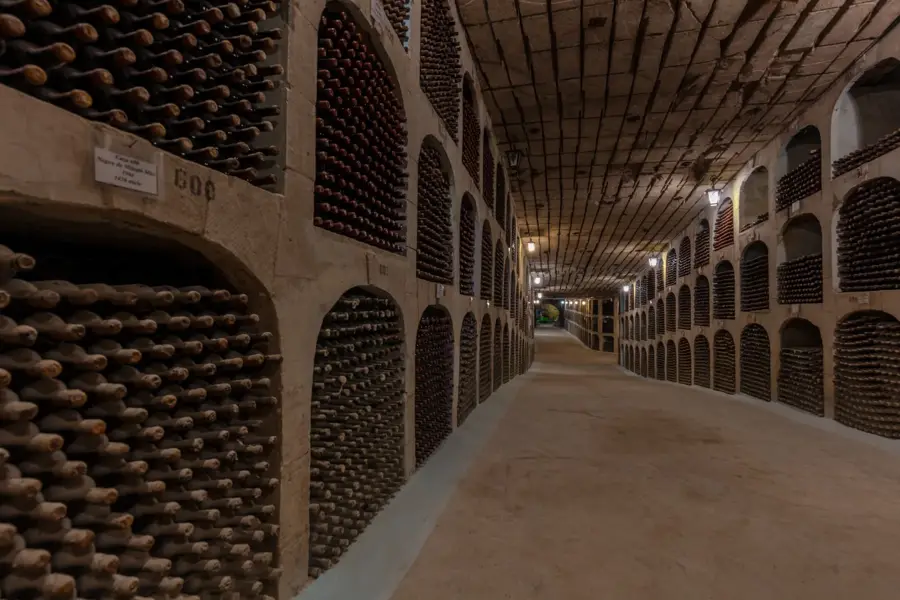
Yes, in the Leova region, there are several wineries offering local wines for tasting.
What is the best way to reach the region?
The most flexible way is by car from Chișinău via the R34 road. Buses also run regularly.
Are there marked hiking trails?
Marked trails are rare; most hikers use dirt roads and paths along the vineyards.
Is the area suitable for families with children?
Yes, the gentle slopes are not too strenuous and are good for outdoor picnics.
Leova Hills: where is it located?
Leova Hills is located in Moldova.
Leova Hills: what is there to see?
Highlights include Muzeul de Istorie și Etnografie Leova, Biserica Sfânta Parascheva, Cimitirul Evreiesc din Leova.
Leova Hills: when is the best time to visit?
The most pleasant time to visit is Jun, Aug, Sep.
Leova Hills: why is it worth visiting?

The Leova Hills extend across the southwestern part of Moldova along the Prut Valley in the Leova district.
View on map → The Top 50 Attractions → OpenStreetMap →
Europe
Explore with Plizio Discover more places in Europe
More places in Moldova →

Nearby cities

History & landmarks
Nature

More places