Plizio Visual Lab
Seven Coloured Earths of Chamarel
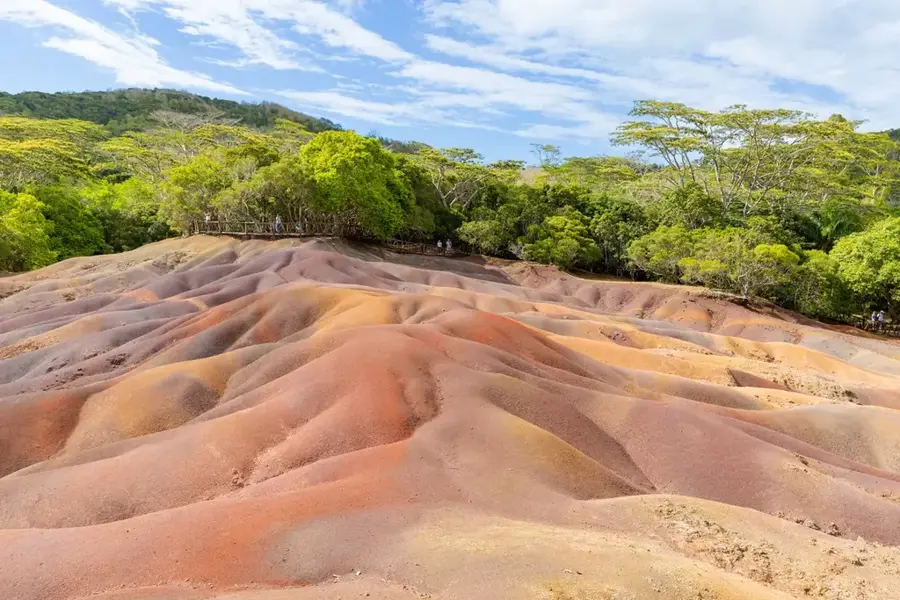
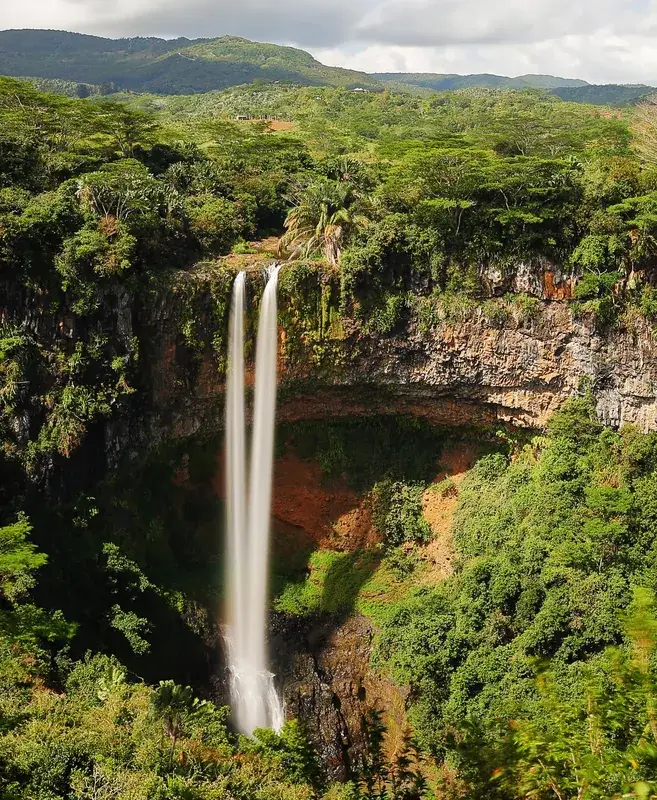
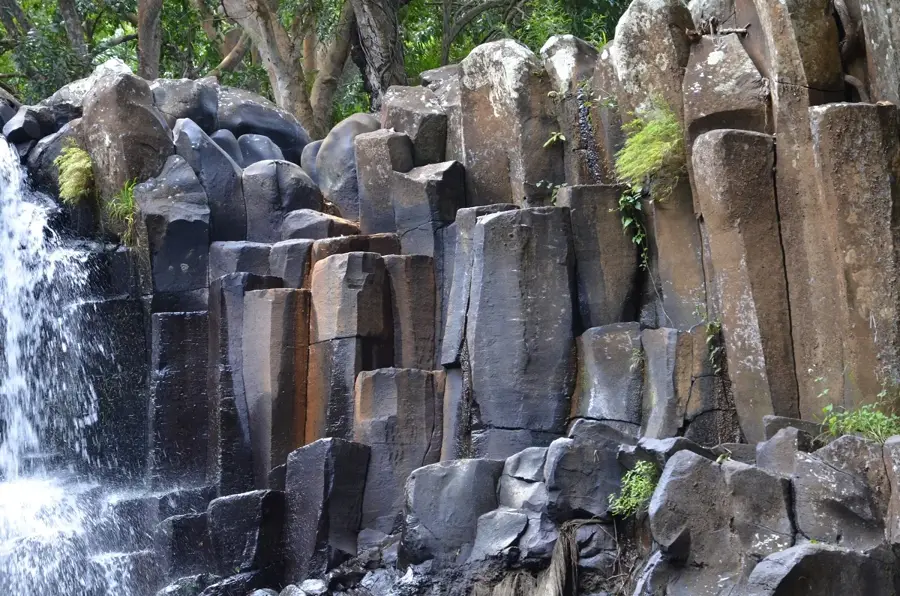
The Seven Coloured Earths of Chamarel is a globally unique geological formation located in the southwest of Mauritius. It consists of an area covering approximately 8,500 square meters of sand dunes shimmering in seven distinct colors: red, brown, violet, green, blue, purple, and yellow. These colors were formed through the conversion of volcanic basaltic rock into clay minerals by hydrolysis. The different shades are attributed to the high concentration of iron and aluminum oxides, which oxidized under varying temperatures and conditions. A fascinating phenomenon is that the colors spontaneously settle into separate layers even after heavy rainfall or if the sand grains are mechanically mixed. The dunes are currently fenced off to protect the delicate structure from erosion caused by visitors. The surrounding site also features a nearby waterfall and a park housing giant tortoises. It remains one of the most photographed natural wonders on the island.
- Location: Mauritius
- Top sights: Viewpoint Chamarel Waterfall · Curious Corner · La Vieille Cheminée
- Nearby: Case Noyale (4 km)
Best time to visit & climate
The most pleasant time to visit is Jul–Sep.
| Jan | Feb | Mar | Apr | May | Jun | Jul | Aug | Sep | Oct | Nov | Dec | |
|---|---|---|---|---|---|---|---|---|---|---|---|---|
| Avg °C | 27 | 27 | 27 | 26 | 25 | 23 | 22 | 22 | 23 | 24 | 25 | 26 |
| Rain mm | 127 | 113 | 124 | 79 | 47 | 32 | 28 | 26 | 29 | 31 | 34 | 48 |
📋 Practical info
Geography
Facts
- The geological formation covers an area of about 8,500 square meters
- The seven colors are caused by iron and aluminum oxides in the clay
- Unique phenomenon: sand particles naturally separate by color
- Located in the Black River district in the southwestern part of Mauritius
- Created by the decomposition of volcanic basaltic rock
- The dunes show no significant signs of erosion despite tropical rains
Explore nearby
Notable places around
Route planner — Car & Motorhome
Where do you start? We build the route here, with stops and country notes along the way.
© OpenStreetMap contributors · OpenRouteService
Sights in the town Seven Coloured Earths of Chamarel (8)
La Vieille Cheminée
Old chimney of a former sugar cane plantation, a remnant of the industrial past in the Chamarel area.
Le bout du monde
Viewpoint at the end of a path, offering a wide view over the bay and the rocky coastline.
Viewpoint Chamarel
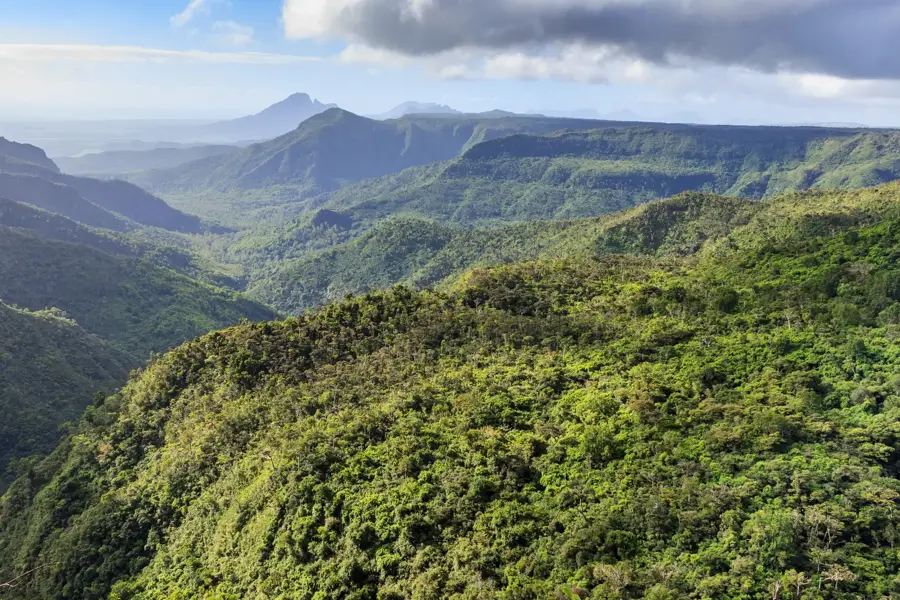
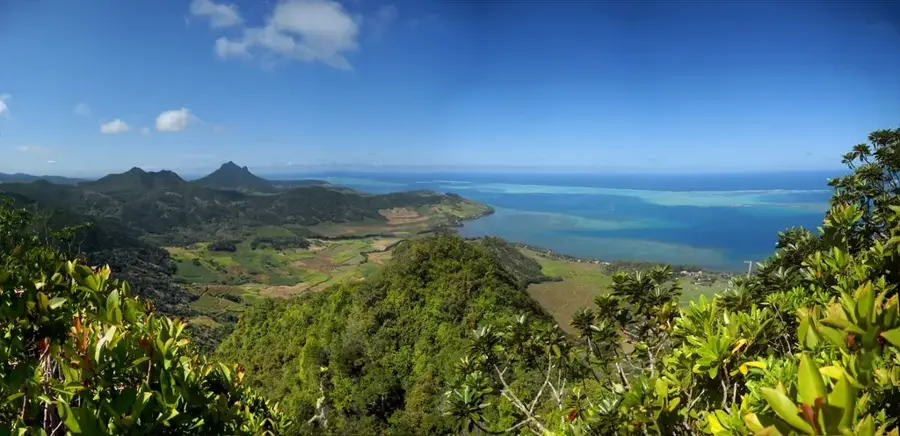
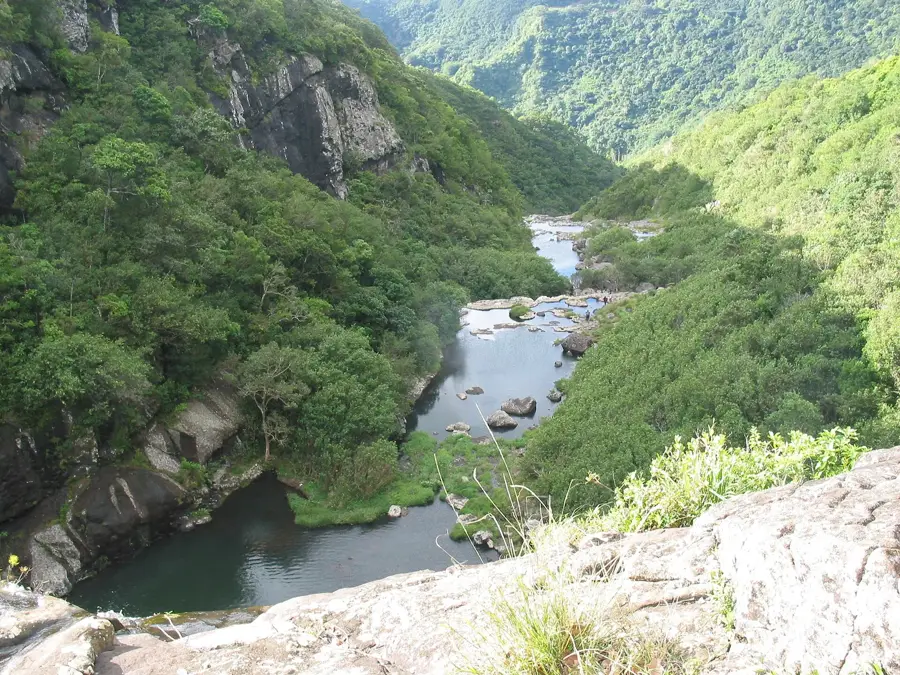
Viewpoint overlooking the Seven Coloured Earths and the surrounding hills of Chamarel.
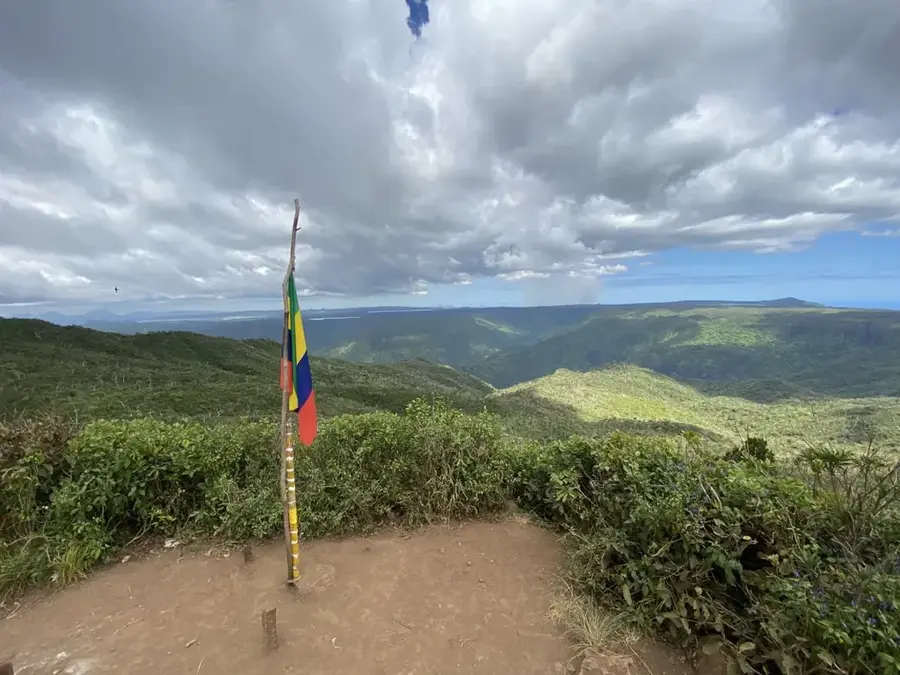
Piton du Fouge
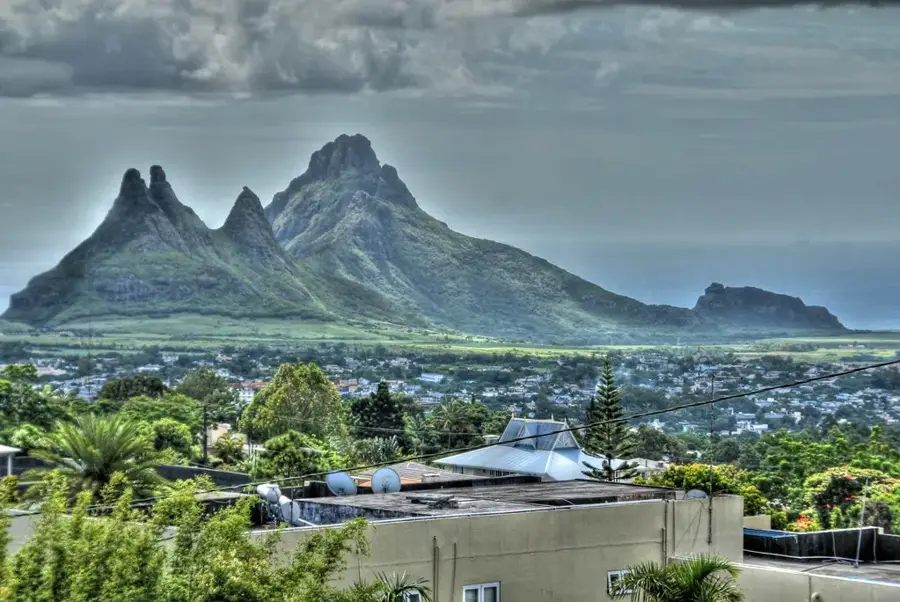
Mountain peak in Mauritius, a prominent point in the hilly landscape of the island.
Sights nearby
Frequently asked questions
Why is the earth colored?
Are you allowed to walk on the sand?
Is the entrance expensive?
How long does a visit take?
Is there food nearby?
Seven Coloured Earths of Chamarel: where is it located?
Seven Coloured Earths of Chamarel: what is there to see?
Seven Coloured Earths of Chamarel: when is the best time to visit?
Seven Coloured Earths of Chamarel: why is it worth visiting?

Nearby cities
History & landmarks
Nature
More places