Plizio Visual Lab

Dhar Oualata
Plizio editorial teamData Sources
Mountain
—°
Dhar Oualata (Mauritania)

Weather…

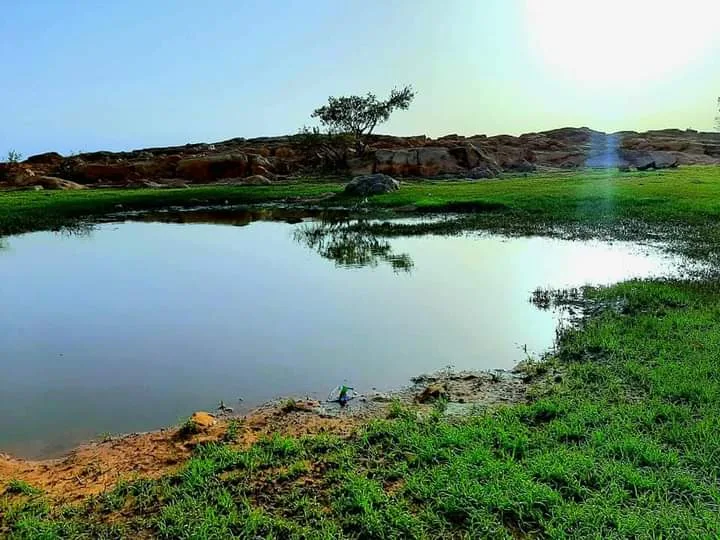
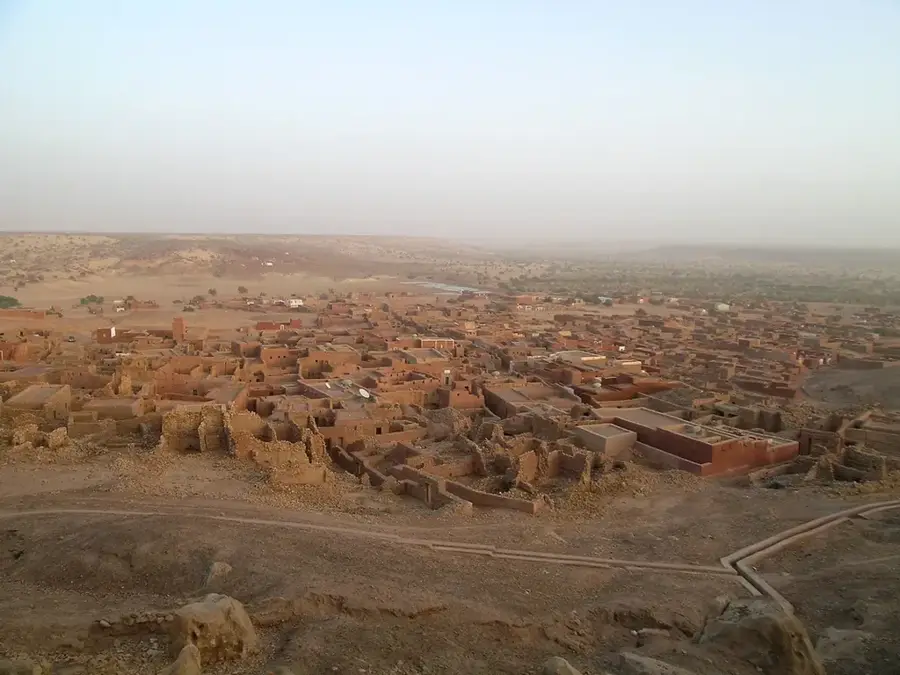
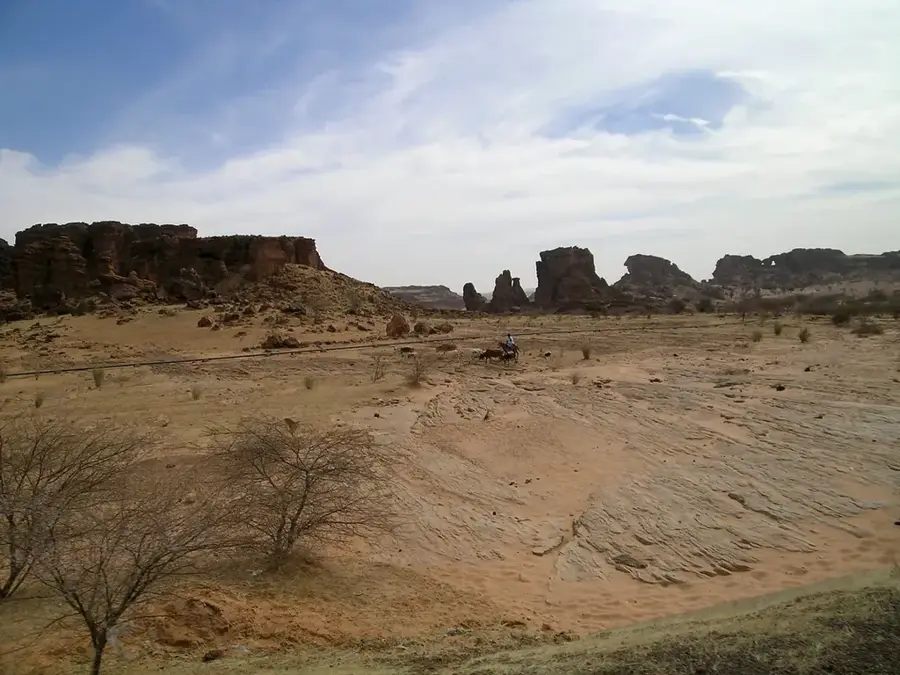
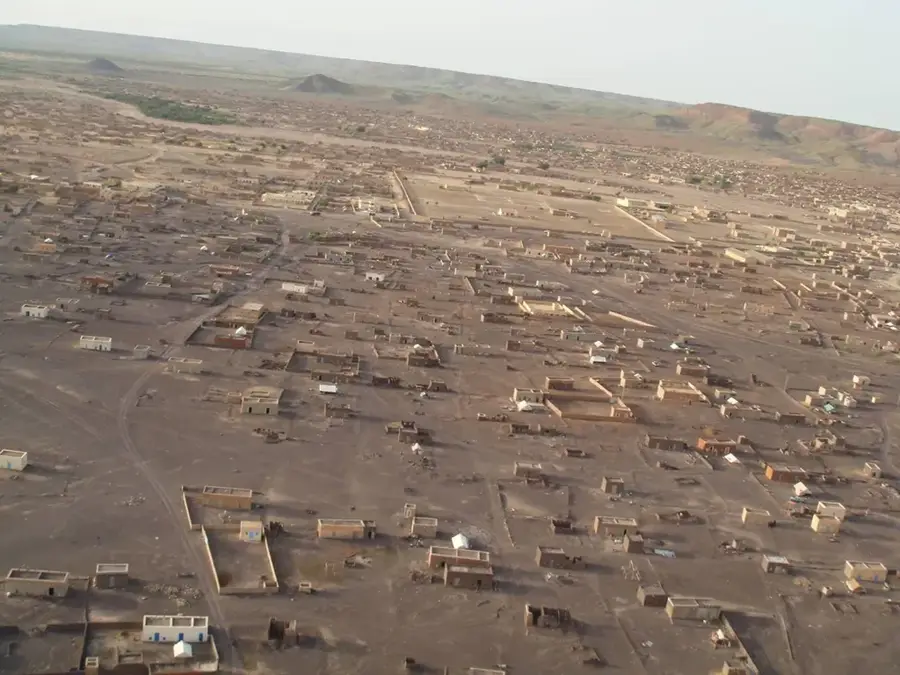
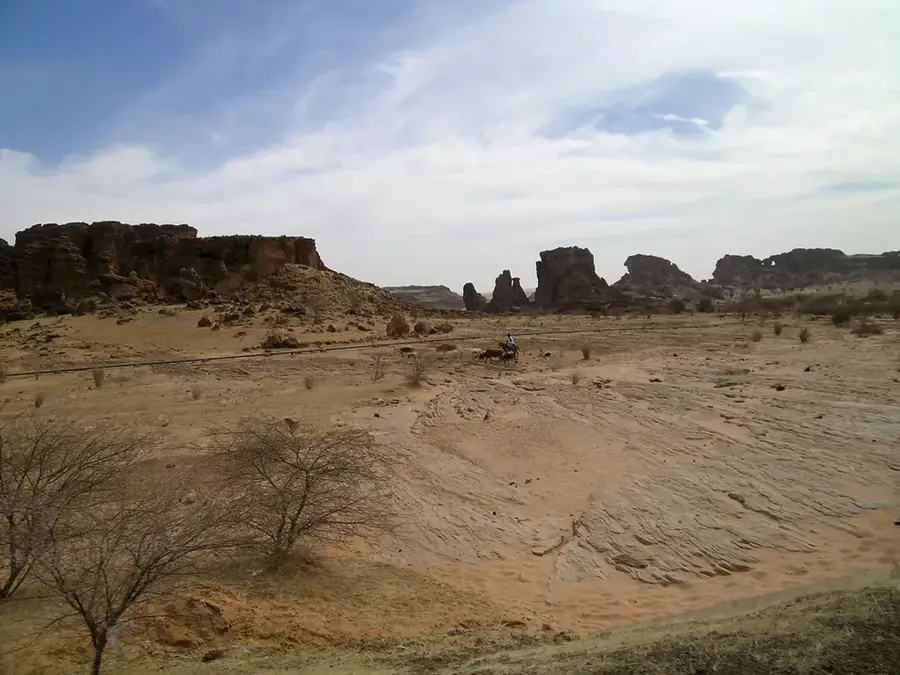
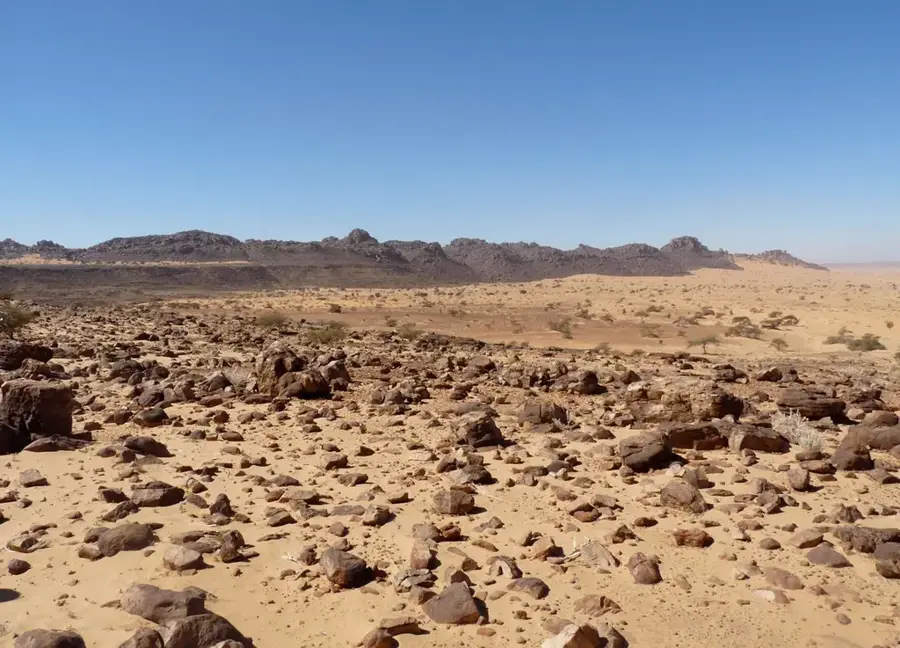
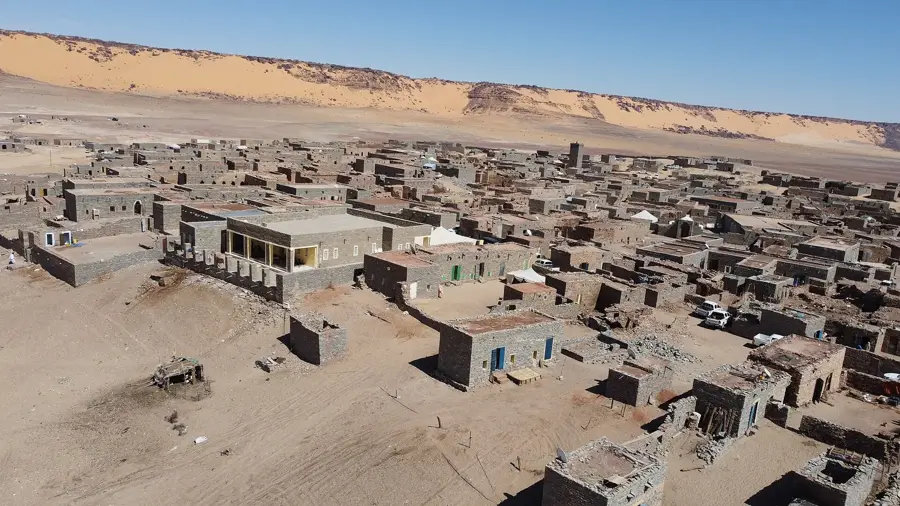
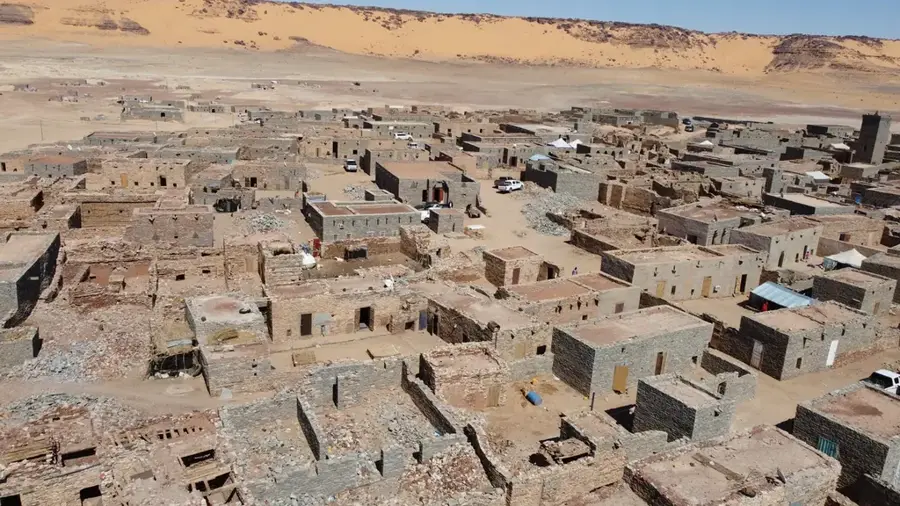
Dhar Oualata is a massive sandstone escarpment in southeastern Mauritania that rises sharply above the surrounding desert floor. This geological formation serves as a natural boundary between the arid Sahara and the transitional Sahel zone to the south. The ridge is closely associated with the historic town of Oualata, a UNESCO World Heritage site known for its ancient trade connections. Archaeological evidence found along the cliffs, including rock art and ruins of dry-stone settlements, points to a long history of human habitation dating back to the Neolithic era when the region enjoyed a wetter climate. The terrain is characterized by rugged slopes and plateau-like summits that offer expansive views of the shifting sand dunes below. Despite the harsh modern climate, the area remains a significant landmark for nomadic herders and a place of great interest for those studying the environmental changes of the African continent. The erosion patterns on the rock faces provide a visual record of thousands of years of wind and sand activity.

Best time to visit & climate

The most pleasant time to visit is Jan, Feb, Dec.

JanFebMarAprMayJunJulAugSepOctNovDec
Avg °C202327313435322929292521
Rain mm01119218313765800

📋 Practical info

🧭
Getting there
Accessing this remote rocky ridge typically requires a tough four-wheel-drive vehicle capable of handling deep sand and rough desert tracks. Hiring a local guide from the nearby historic town of Oualata is highly recommended to navigate the unmarked, challenging routes safely.
📅
Best season
The most comfortable conditions for exploring are generally found during the cooler winter months, between November and February. The intense summer heat makes daytime exploration of this exposed transition zone between the Sahara and the Sahel extremely exhausting and risky.
⛰️
Terrain & paths
Expect a rugged, uneven landscape featuring steep rocky inclines, loose scree, and patches of soft sand at the ridge's base. There are no paved or well-marked trails, meaning visitors must be comfortable scrambling over natural boulders and navigating wild, untouched terrain.
🎒
What to bring
Sturdy, high-cut hiking boots are absolutely essential to protect your ankles against the jagged rocks and unpredictable surfaces. Carrying abundant water supplies, high-SPF sunscreen, and a wide-brimmed hat is vital, as there is virtually no natural shade available here.
🅿️
Parking
Official parking facilities do not exist; visitors typically leave their vehicles at makeshift, flat spots near the base of the ridge. It is crucial to ensure the ground is solid enough so your vehicle does not become bogged down in the shifting desert sands while you hike.
⚠️
Safety
Navigating the rocky slopes demands careful footing to prevent slips and falls on the loose stones and steep drops. Furthermore, the extreme isolation of the area means visitors should never travel alone and must carry reliable communication equipment for emergencies.
⏱️
Time needed
Exploring the main sections of the ridge and admiring the sweeping views where the desert meets the Sahel usually takes about three to four hours. A well-planned half-day trip allows for a more unhurried experience, offering ample time for photography and careful climbing.

Geography

Coordinates
16.60000, -7.00000

Facts

  • Part of the UNESCO World Heritage region of Oualata
  • Composed mainly of sedimentary sandstone rock
  • Served as a defensive rampart for ancient villages
  • Site of discovery for numerous Neolithic tools
  • Provides extensive views over the Hodh Basin
  • Crucial landmark for caravans traveling to Mali

Explore nearby

Notable places around
Route planner — Car & Motorhome

Where do you start? We build the route here, with stops and country notes along the way.

Vehicle
Only stops with (optional):

© OpenStreetMap contributors · OpenRouteService

Sights nearby

Frequently asked questions

What is Dhar Oualata?
A spectacular sandstone plateau.
Are there hiking trails there?
No, no marked trails; orientation requires experience.
Best time for a photo?
Just before sunset when the rocks glow red.
Are there restaurants here?
No, you must bring all your own food.
Is it family-friendly?
No, the conditions are too harsh for children.
Dhar Oualata: where is it located?
Dhar Oualata is located in Mauritania.
Dhar Oualata: when is the best time to visit?
The most pleasant time to visit is Jan, Feb, Dec.
Dhar Oualata: why is it worth visiting?

Dhar Oualata is a massive sandstone escarpment in southeastern Mauritania that rises sharply above the surrounding desert floor.
View on map → The Top 50 Attractions → OpenStreetMap →
Africa
Explore with Plizio Discover more places in Africa
More places in Mauritania →

Nearby cities

History & landmarks

Nature

More places