Plizio Visual Lab
Azefal Protected Area
Weather…
Water temperature…
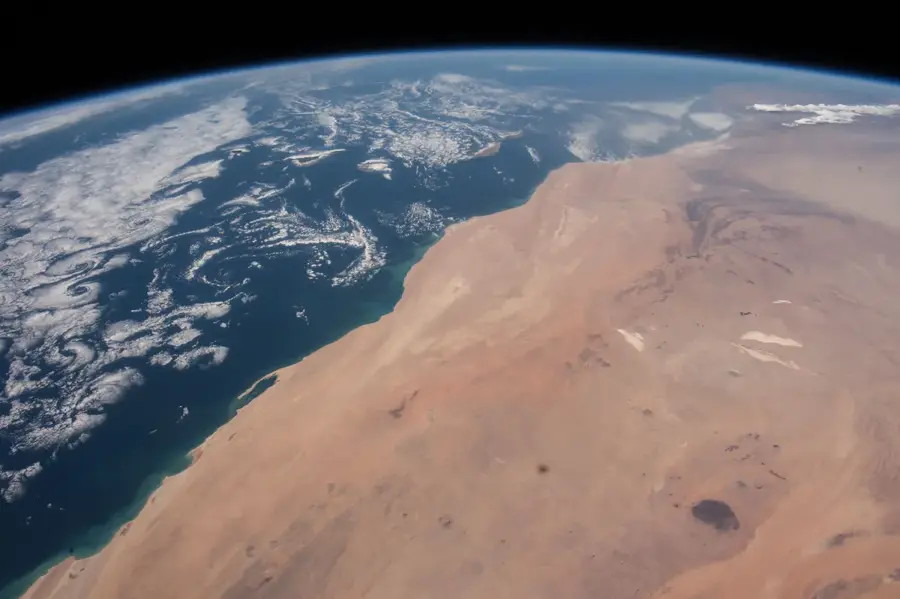
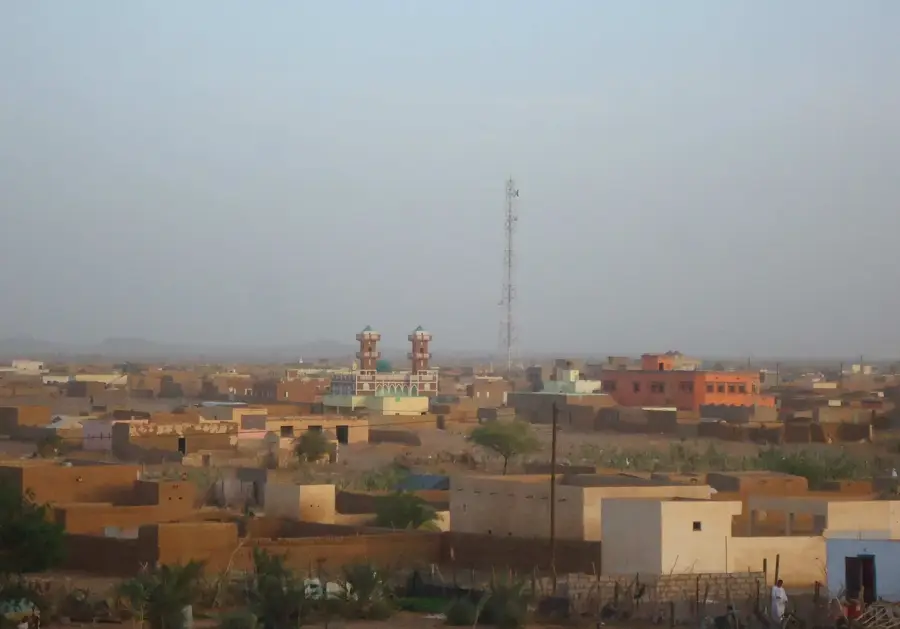
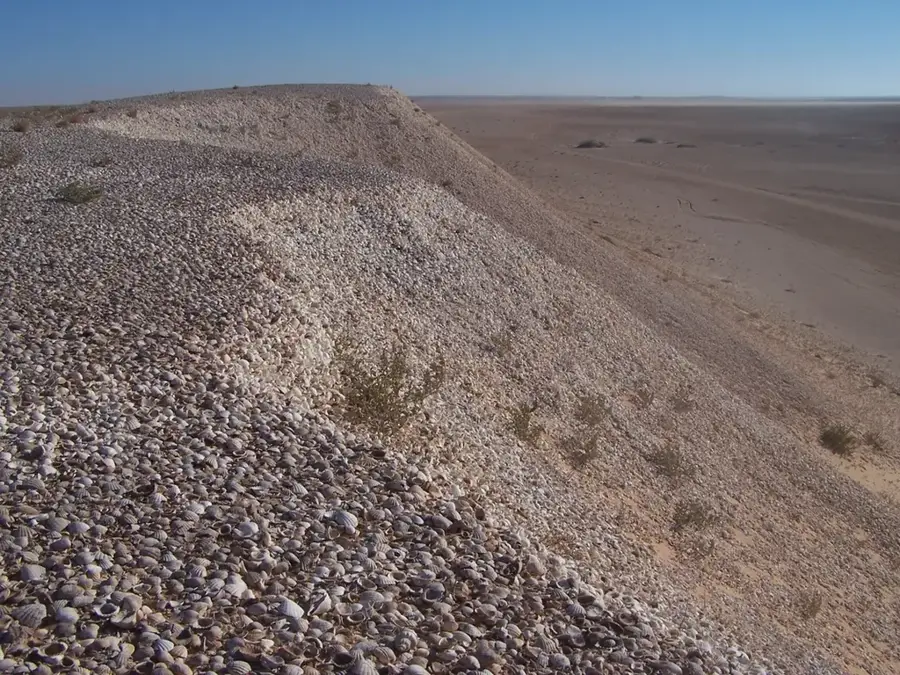
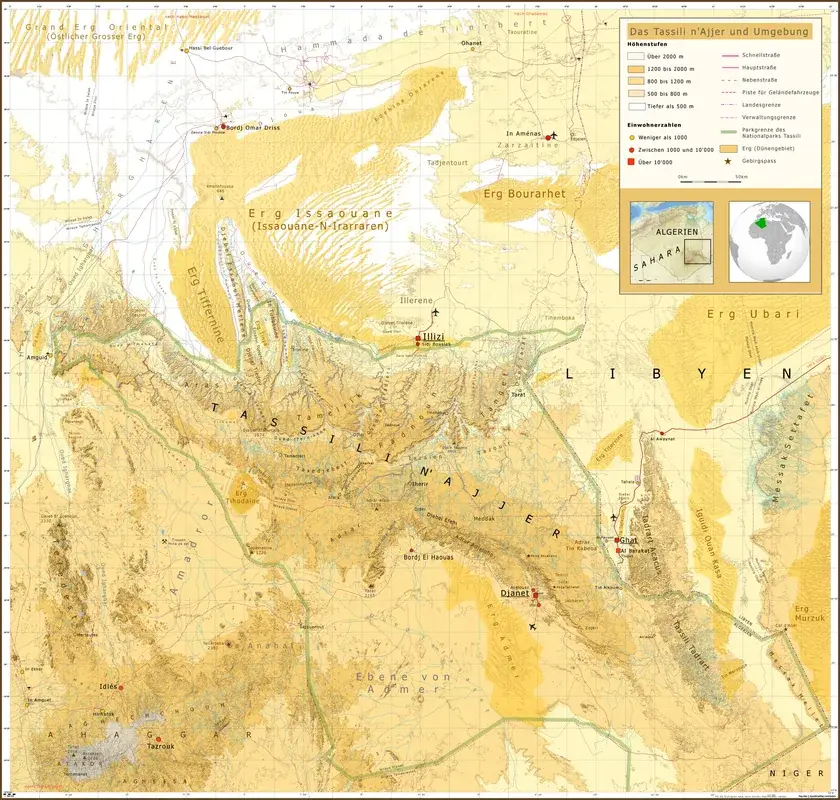
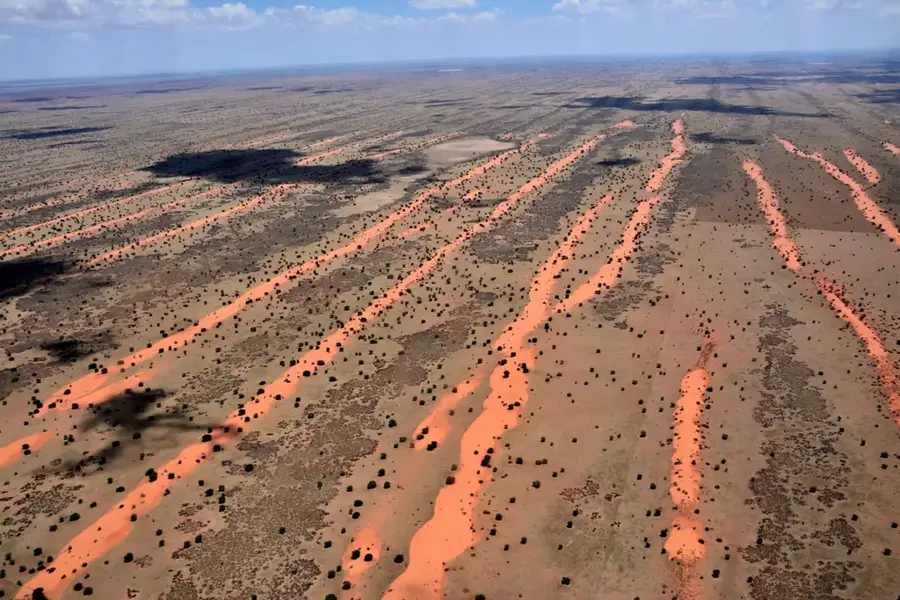
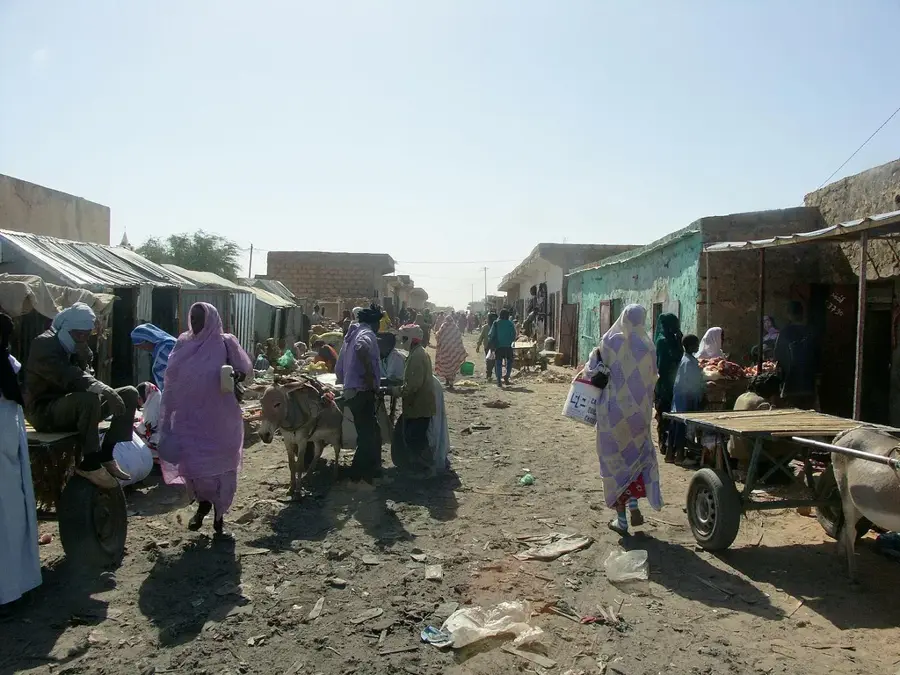
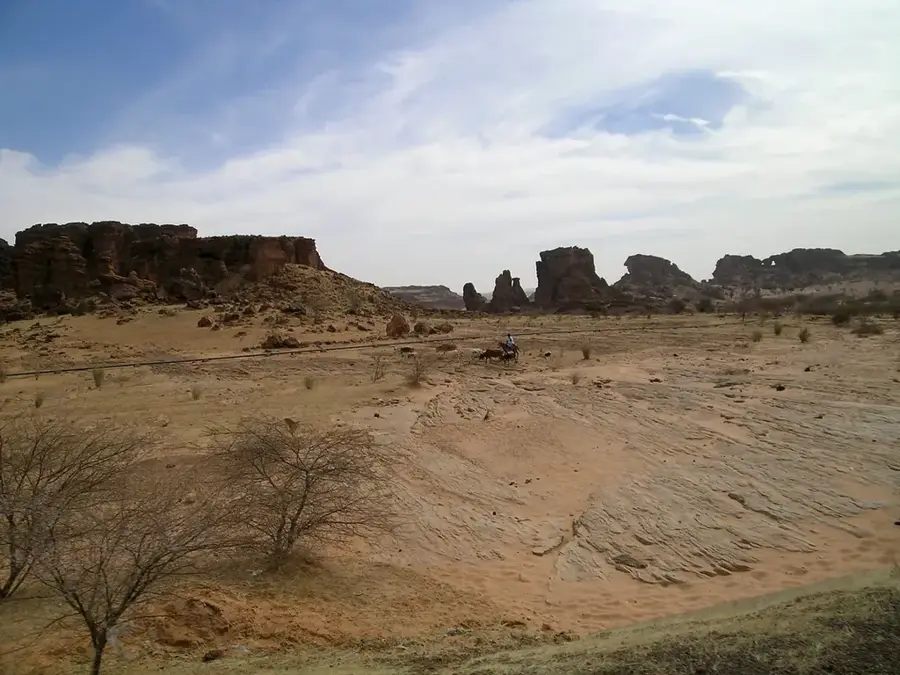
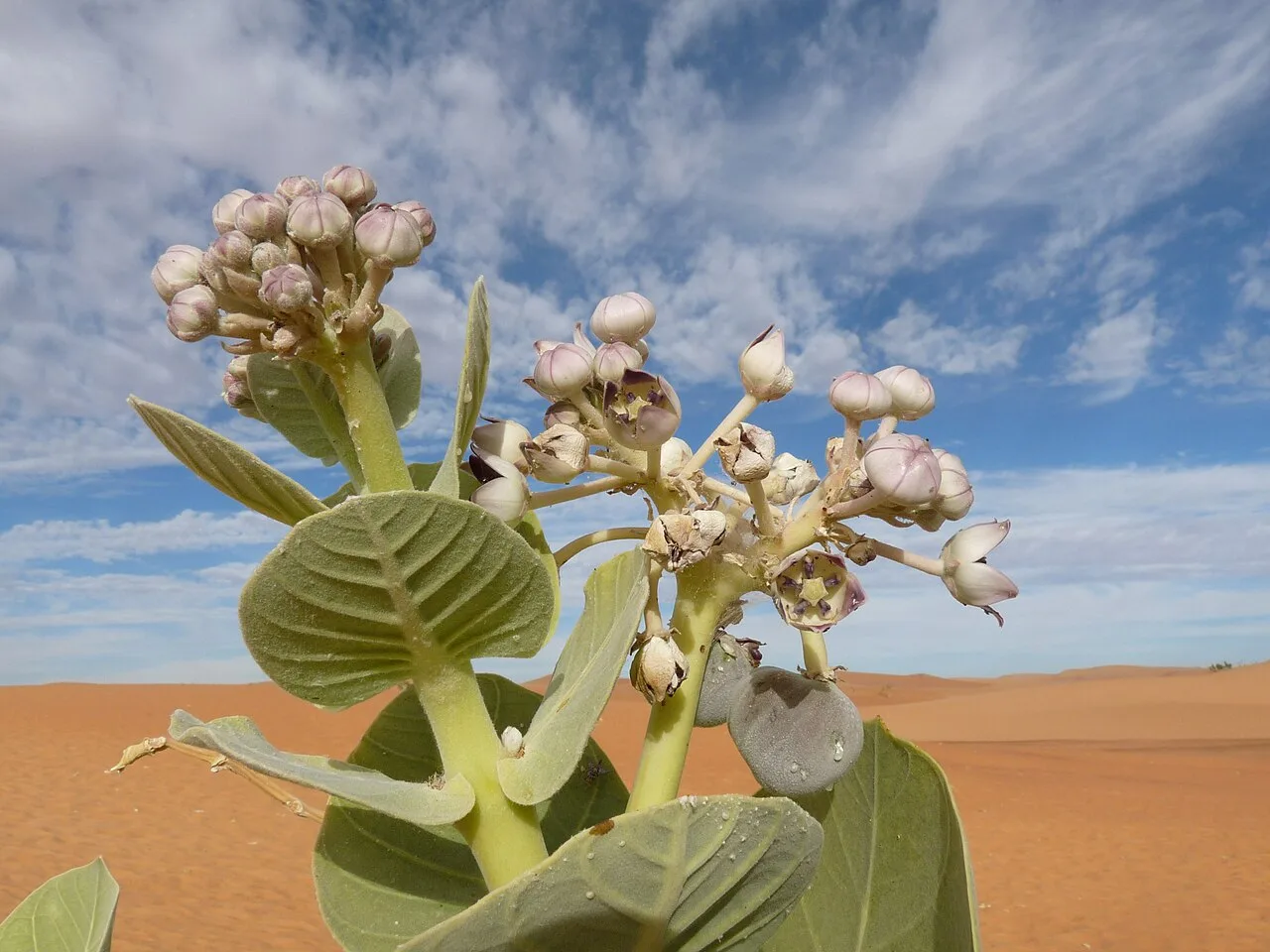
The Azefal Protected Area spans the vast plains of northwestern Mauritania, serving as a critical ecological transition zone between the Sahara Desert and the arid Sahelian steppe. This landscape is characterized by shifting sand dunes and expansive gravel flats that host a variety of specialized fauna adapted to extreme drought. The ecosystem is particularly noted for its reptile populations, including desert monitors and various skink species that thrive in the sandy terrain. Small mammals such as fennec foxes and jerboas also find refuge among the sparse acacia trees and drought-resistant scrub. Scientific research in Azefal focuses on understanding desertification and the physiological mechanisms that allow vertebrates to survive intense heat and minimal water resources. For visitors, the area provides a glimpse into a raw, undisturbed wilderness where life is dictated by the rare arrival of late summer rains and the constant movement of the Saharan winds.
- Location: Mauritania
- Nearby: Akjoujt (49 km)
Best time to visit & climate
The most pleasant time to visit is Jan, Feb, Dec.
| Jan | Feb | Mar | Apr | May | Jun | Jul | Aug | Sep | Oct | Nov | Dec | |
|---|---|---|---|---|---|---|---|---|---|---|---|---|
| Avg °C | 20 | 22 | 26 | 29 | 32 | 35 | 34 | 34 | 33 | 31 | 26 | 22 |
| Rain mm | 2 | 1 | 9 | 0 | 0 | 4 | 16 | 28 | 23 | 28 | 2 | 0 |
📋 Practical info
Geography
Facts
- Established in 2001.
- Area: 200,000 hectares.
- Annual rainfall: 80 mm.
- Hosts 10 mammal species.
- Highest point: 450 m.
- Contains 5 permanent oases.
Explore nearby
Notable places around
Route planner — Car & Motorhome
Where do you start? We build the route here, with stops and country notes along the way.
© OpenStreetMap contributors · OpenRouteService
Sights nearby
Frequently asked questions
Can I visit the Azefal protected area?
What is Azefal known for?
What clothing should I wear?
Is the area safe?
Do I need a GPS?
Azefal Protected Area: where is it located?
Azefal Protected Area: when is the best time to visit?
Azefal Protected Area: why is it worth visiting?

Nearby cities


History & landmarks
Nature
More places