Plizio Visual Lab
St. Paul's Islands
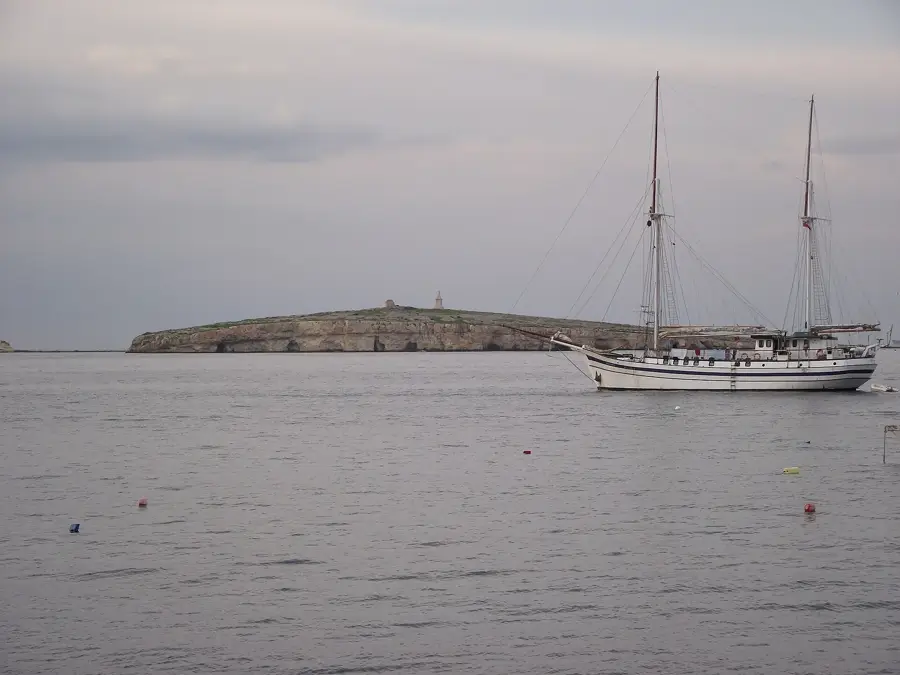
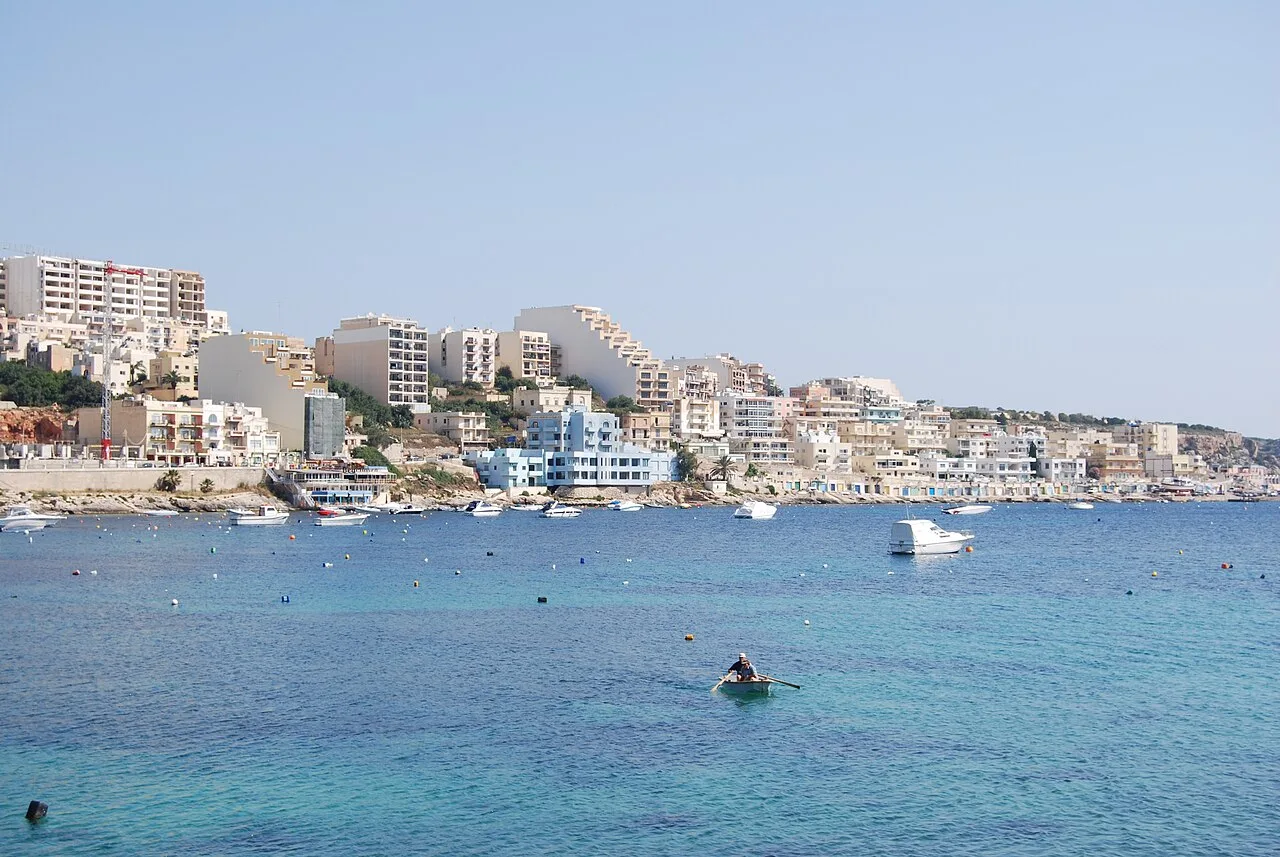
St. Paul's Islands, also known as Selmunett, are a pair of small islands located off the coast of Mellieħa, marking the northern entrance to St. Paul's Bay. Legend holds that these islands were the site of the shipwreck of St. Paul the Apostle in 60 AD, an event that led to the Christianization of Malta. Today, the islands are an uninhabited nature reserve, having been abandoned by their last resident in the mid-20th century. The terrain is rocky and covered with salt-tolerant vegetation, providing a nesting ground for various coastal birds. Historically, the islands were home to a unique subspecies of the Maltese Wall Lizard, though recent biological surveys suggest it may have faced local extinction. A massive statue of St. Paul, erected in 1844, dominates the skyline of the larger island. The surrounding waters are part of a protected marine area, hosting diverse seagrass meadows and a variety of Mediterranean fish species. Access is primarily by boat, and the site remains a major point of pilgrimage and interest.
- Location: Malta
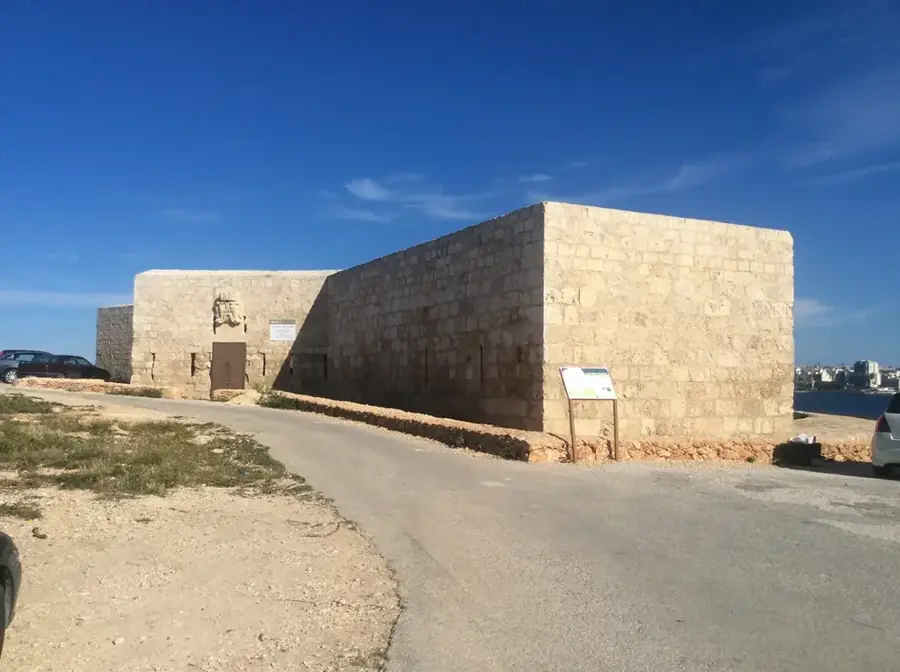
- Top sights: Fort Campbell · Mistra Battery · Torri t' Għajn Ħadid
- Nearby: Ghajn Tuffieha Bay (5 km)
Best time to visit & climate
The most pleasant time to visit is May–Jul.
| Jan | Feb | Mar | Apr | May | Jun | Jul | Aug | Sep | Oct | Nov | Dec | |
|---|---|---|---|---|---|---|---|---|---|---|---|---|
| Avg °C | 15 | 14 | 15 | 16 | 19 | 23 | 26 | 27 | 25 | 23 | 20 | 16 |
| Rain mm | 74 | 65 | 51 | 33 | 17 | 11 | 4 | 10 | 63 | 82 | 95 | 82 |
📋 Practical info
Geography
Facts
- The statue of St. Paul is 4 meters high and stands on an 8-meter pedestal.
- The islands were once used by the British military for defensive surveillance.
- They are separated from the mainland by the 80-meter wide St. Paul's Sound.
- The islands cover a combined total area of approximately 0.1 square kilometers.
- In 1990, Pope John Paul II visited the islands during his tour of Malta.
- The endemic lizard "Podarcis filfolensis kieselbachi" was once specific to this site.
Explore nearby
Notable places around

Route planner — Car & Motorhome
Where do you start? We build the route here, with stops and country notes along the way.
© OpenStreetMap contributors · OpenRouteService
Sights in the town St. Paul's Islands (10)
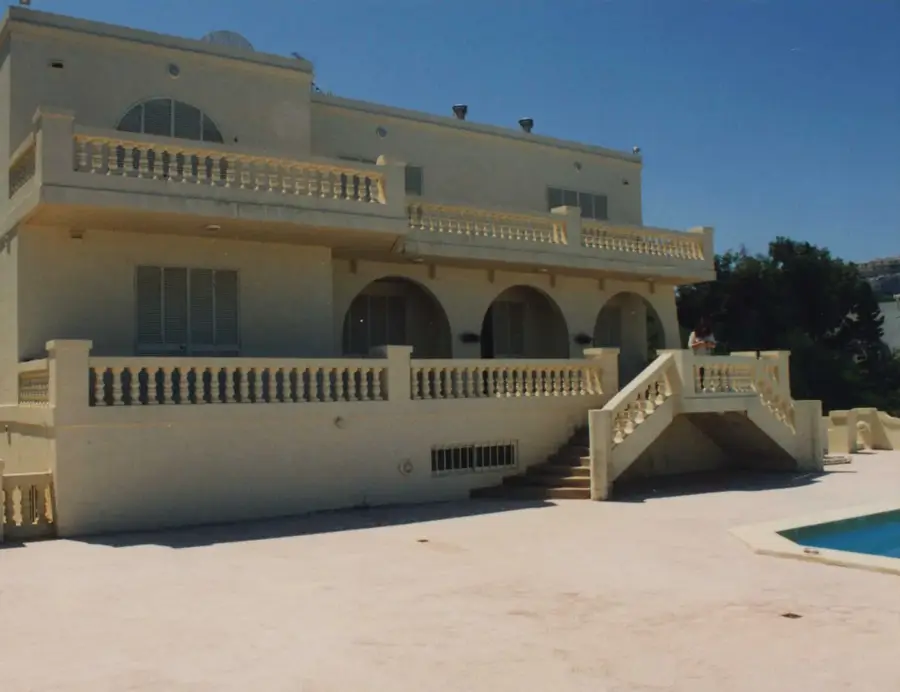
Il-Palazz ta' Selmun🗼 tower
Villa in Mellieħa, Malta, from the 19th century.
Bajja tal-Għażżelin
Bay with a beach in Malta.
Hornblower Cruises
Boat tours along the coast of Malta.
Wignacourt Tower🗼 tower
17th-century watchtower in St. Paul's Bay.
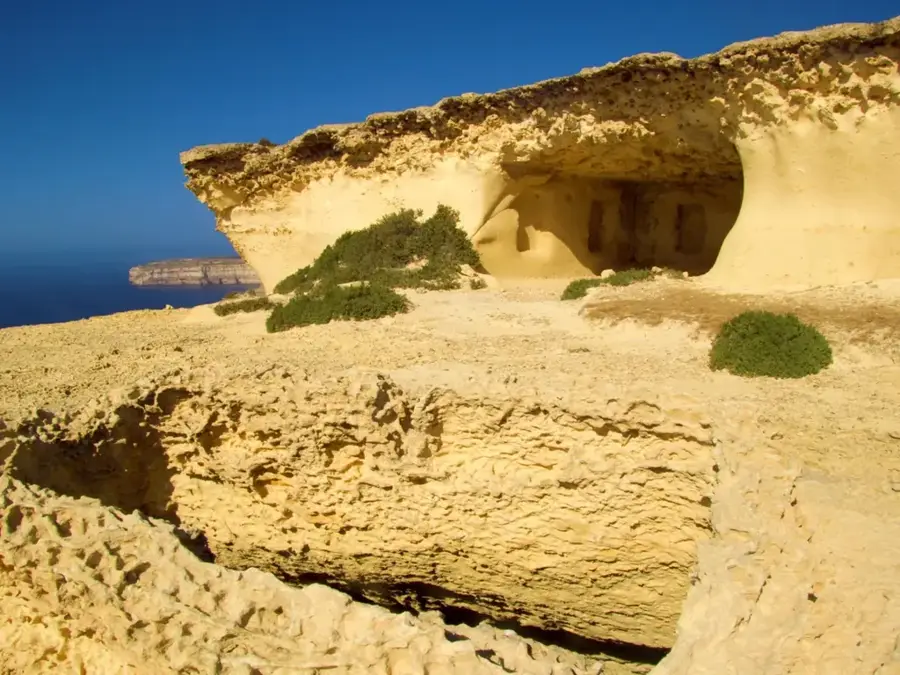
Bathing pools
Ruins of natural or artificial bathing pools on the coast.
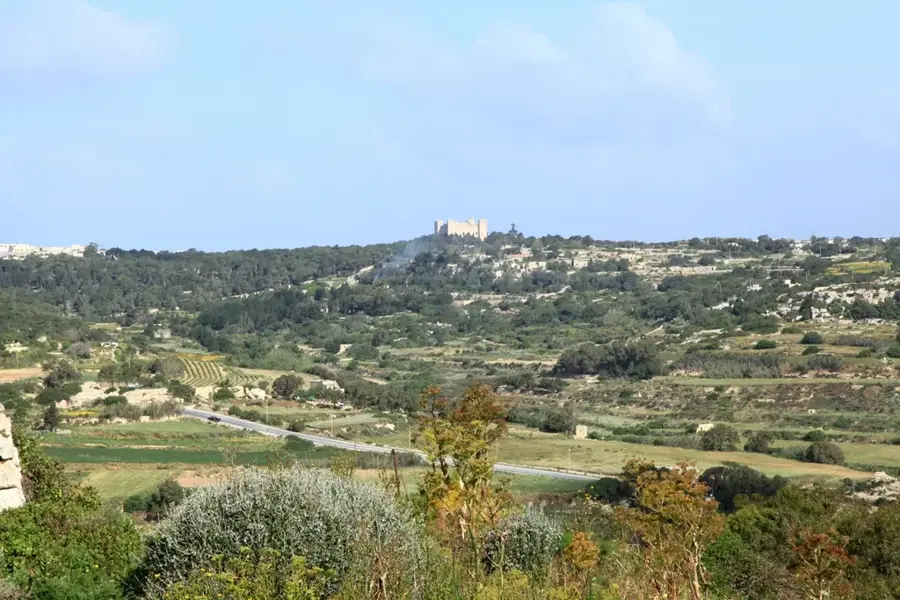
Palazzo Pescatore🏰 castle
Palace in Malta, also known as Palazzo Pescatore.
Sights nearby
Frequently asked questions
Are you allowed to land on St. Paul's Islands?
How do you get to the islands?
What can you see on the island?
What animals live on the islands?
Can you swim there?
St. Paul's Islands: where is it located?
St. Paul's Islands: what is there to see?
St. Paul's Islands: when is the best time to visit?

Nature
More places