Plizio Visual Lab
Selmunett Island (St. Paul's Islands)
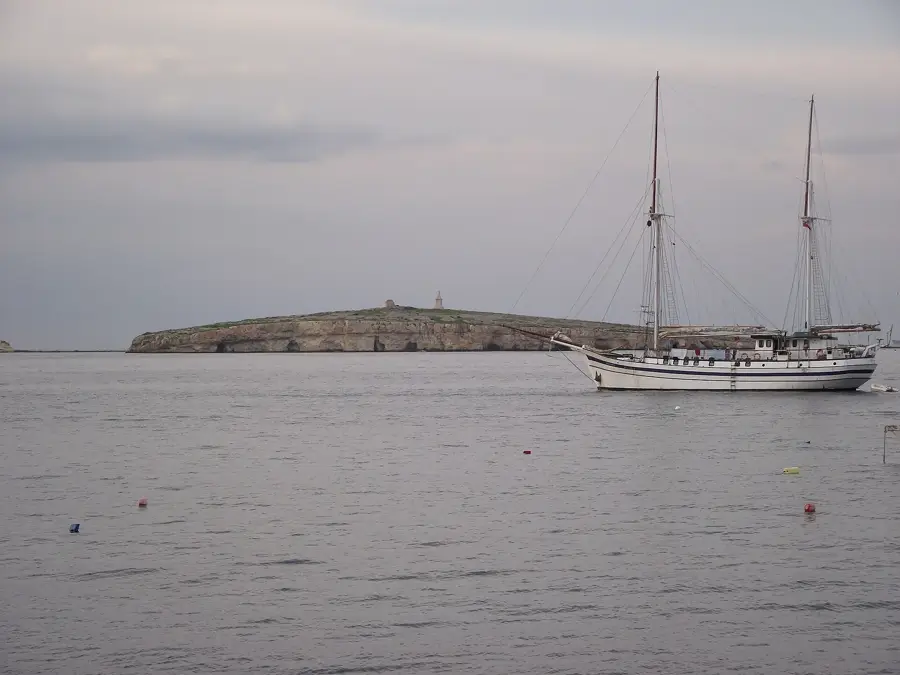
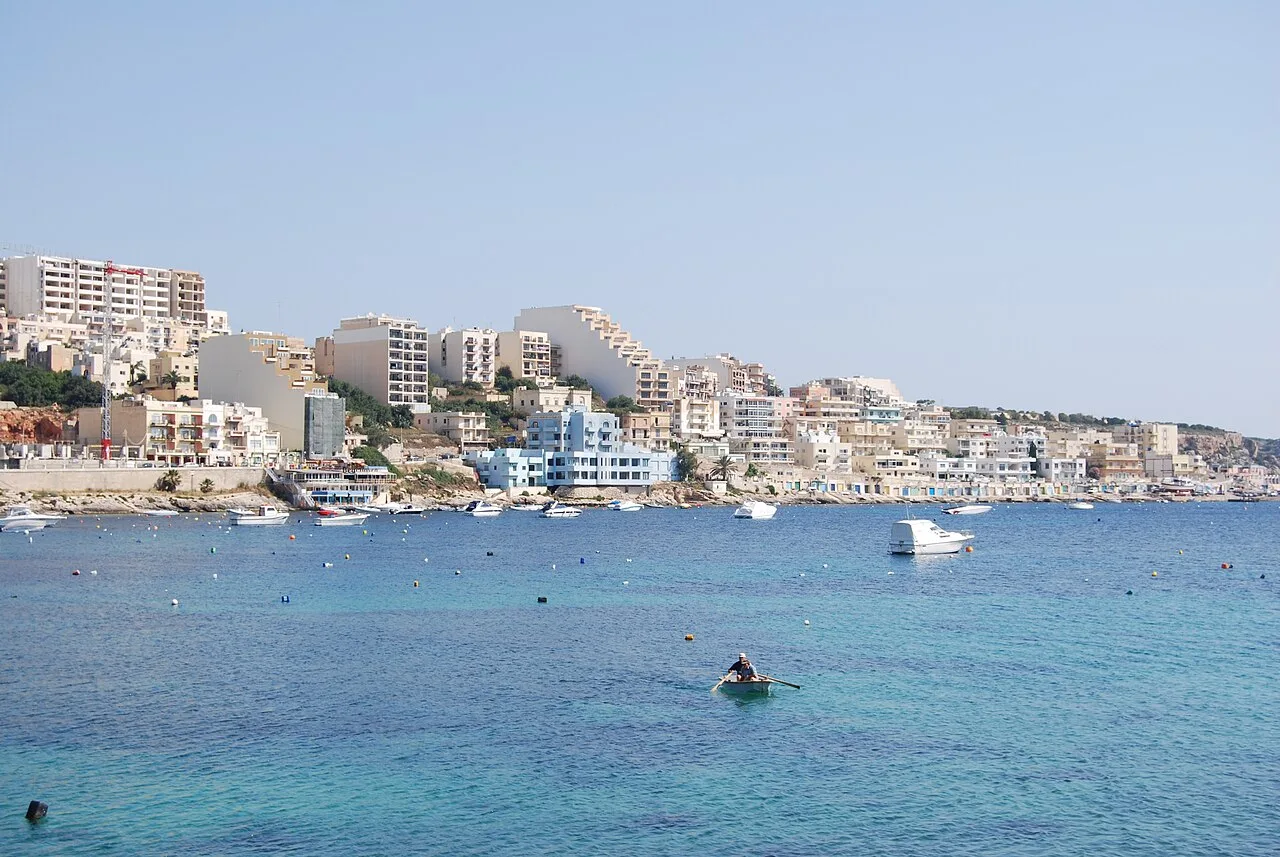
Selmunett Island, commonly referred to as St. Paul's Islands, consists of two main islets connected by a narrow isthmus that is often submerged during high tide or stormy weather. Located off the coast of Selmun and Mellieħa, these islands hold immense historical and religious significance in Malta, as tradition holds that the Apostle Paul was shipwrecked here in 60 AD while on his journey to Rome. A majestic statue of Saint Paul, erected in 1844, stands prominently on the larger islet, serving as a landmark for sailors and a symbol of Malta's Christian heritage. Geologically, the islands are composed of Upper Coralline Limestone, featuring rugged terrain and several sea caves carved by the action of the Mediterranean waves. The islets were inhabited by a single farming family until the early 20th century, but today they are a protected nature reserve, home to the endemic Maltese Wall Lizard. Visitors can reach the islands by boat, enjoying the clear waters for snorkeling and exploring the historical ruins of a small farmhouse and a well that still remain.
- Location: Malta
- Top sights: Fort Campbell · Mistra Battery · Torri t' Għajn Ħadid
- Nearby: Ghajn Tuffieha Bay (5 km)
Best time to visit & climate
The most pleasant time to visit is May–Jul.
| Jan | Feb | Mar | Apr | May | Jun | Jul | Aug | Sep | Oct | Nov | Dec | |
|---|---|---|---|---|---|---|---|---|---|---|---|---|
| Avg °C | 15 | 14 | 15 | 16 | 19 | 23 | 26 | 27 | 25 | 23 | 20 | 16 |
| Rain mm | 74 | 65 | 51 | 33 | 17 | 11 | 4 | 10 | 63 | 82 | 95 | 82 |
📋 Practical info
Geography
Facts
- Tradition claims Apostle Paul was shipwrecked here in 60 AD.
- The islands are uninhabited today but were once farmed.
- A large statue of Saint Paul was built on the island in 1844.
- The islets are officially recognized as a nature reserve.
- They are home to the endemic Maltese Wall Lizard subspecies.
- The islands appear as one or two depending on the sea level.
Explore nearby
Notable places around

Route planner — Car & Motorhome
Where do you start? We build the route here, with stops and country notes along the way.
© OpenStreetMap contributors · OpenRouteService
Sights in the town Selmunett Island (St. Paul's Islands) (10)
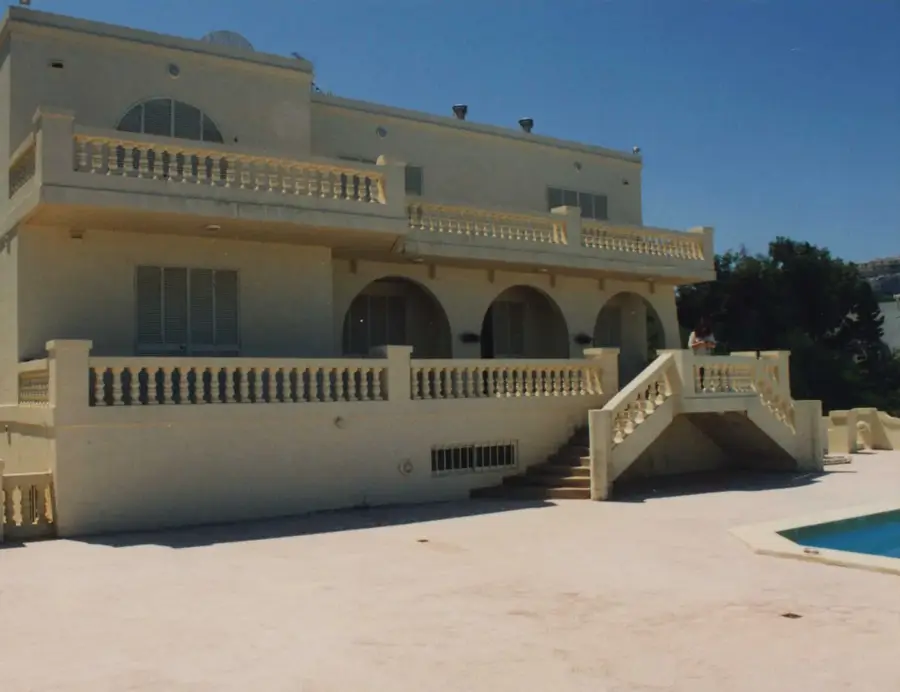
Il-Palazz ta' Selmun🗼 tower
Villa in Mellieħa, Malta, with historic architecture.
Bajja tal-Għażżelin
Beach on the Maltese coast, a quiet spot.
Hornblower Cruises
Cruise company offering tours along the Maltese coast.
Wignacourt Tower🗼 tower
Watchtower from the Knights' period in Malta.
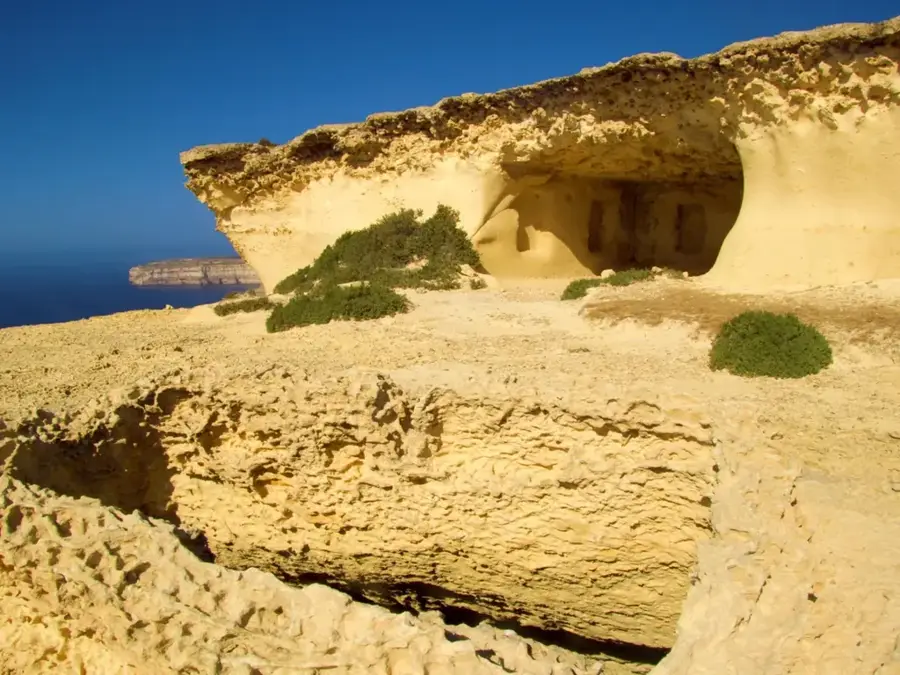
Bathing pools
Ruins of former bathing pools along the coast.
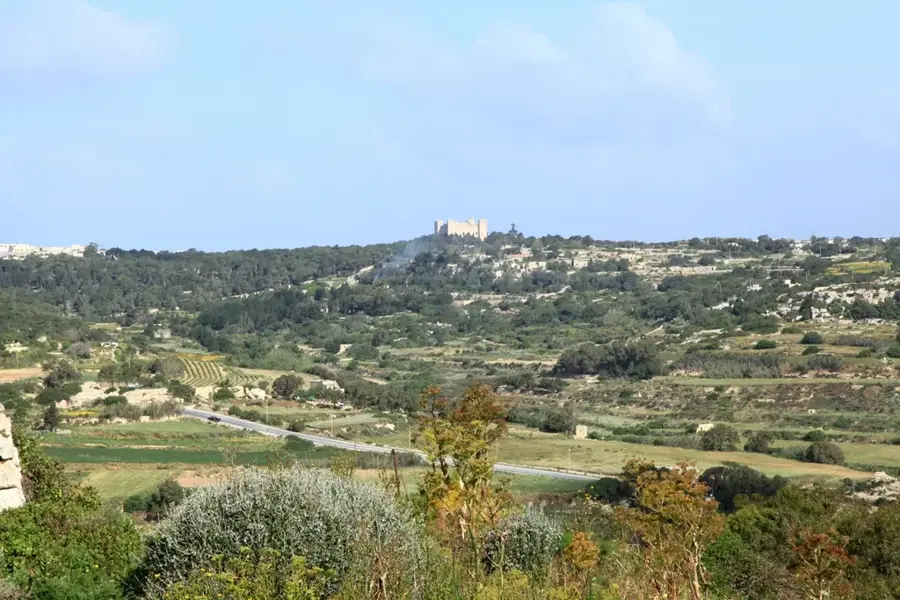
Palazzo Pescatore🏰 castle
Palace in Malta, a historic building.
Sights nearby
Frequently asked questions
What is there to see on St. Paul's Islands?
How can you get to the islands?
Is it allowed to land on the islands?
Is there drinking water on the islands?
Are the islands always accessible?
Selmunett Island (St. Paul's Islands): where is it located?
Selmunett Island (St. Paul's Islands): what is there to see?
Selmunett Island (St. Paul's Islands): when is the best time to visit?
Selmunett Island (St. Paul's Islands): why is it worth visiting?

Nature
More places