Plizio Visual Lab
Bee Keeping Experience
Weather…
Water temperature…
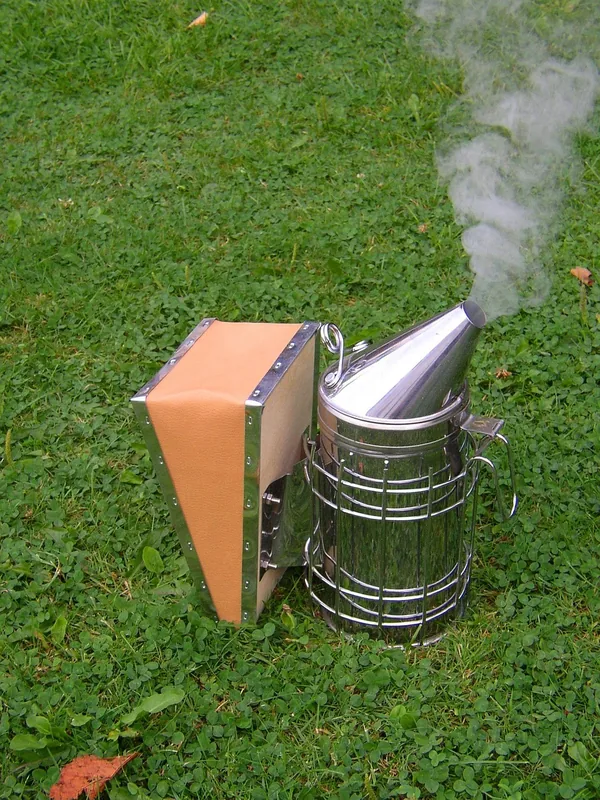
Beekeeping in Malta has a history spanning thousands of years, with the island's ancient name, 'Melite' (Land of Honey), directly referencing this tradition. A Beekeeping Experience provides visitors the chance to encounter the endemic Maltese honeybee (Apis mellifera ruttneri), known for its resilience to the hot climate. Beekeeping is often practiced in traditional stone hive structures called 'Miġbaħ,' with some of the oldest examples in the Mediterranean located in Malta. Maltese honey is particularly aromatic and highly prized due to the variety of wildflowers like thyme (Għasel tas-Sagħtar) and carob. During the tour, participants learn about the complex social structure of the bee colony and the vital role of pollination in local agriculture. Extraction is often still carried out using artisanal methods to preserve the purity and natural enzymes of the honey. This experience connects ecological awareness with one of humanity's oldest cultural practices.
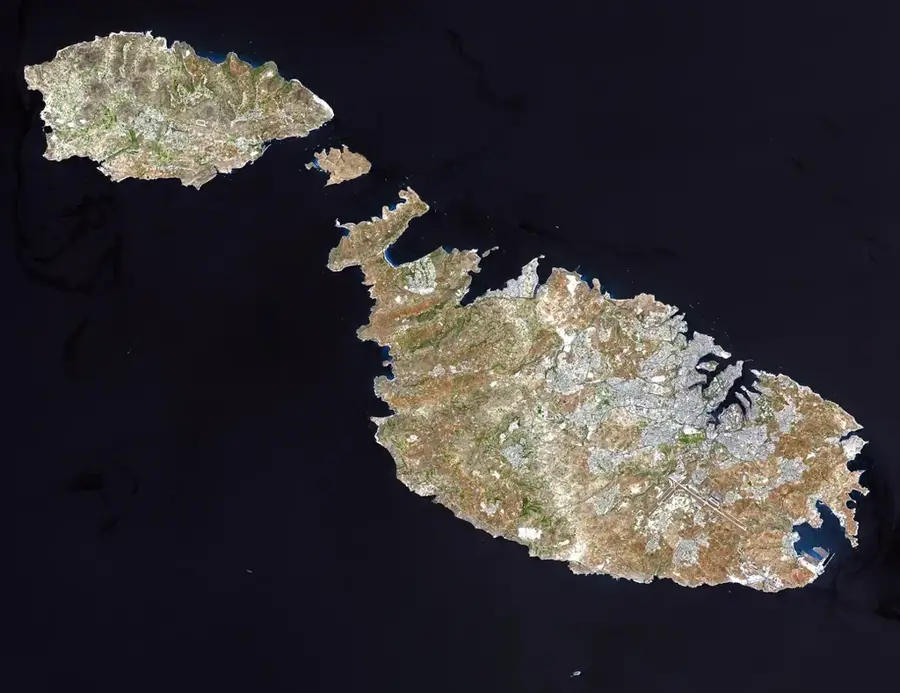
- Location: Malta
- Top sights: Dwejra Lines · Lovers Rock · catacombs
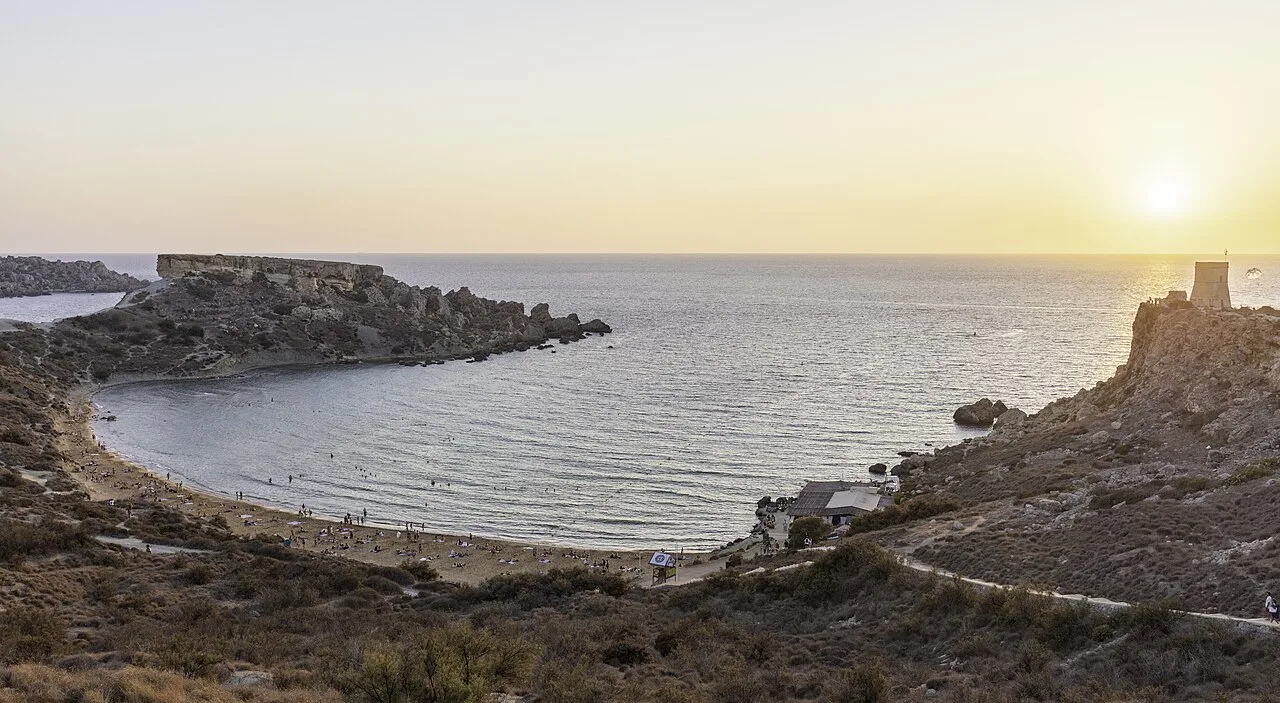
- Nearby: Ghajn Tuffieha Bay (5 km)
Best time to visit & climate
The most pleasant time to visit is May–Jul.
| Jan | Feb | Mar | Apr | May | Jun | Jul | Aug | Sep | Oct | Nov | Dec | |
|---|---|---|---|---|---|---|---|---|---|---|---|---|
| Avg °C | 15 | 14 | 15 | 16 | 19 | 23 | 26 | 27 | 25 | 23 | 20 | 16 |
| Rain mm | 74 | 65 | 51 | 33 | 17 | 11 | 4 | 10 | 63 | 82 | 95 | 82 |
📋 Practical info
Geography
Facts
- Malta's ancient Greek name, 'Melite', translates to 'Land of Honey'.
- The Maltese honeybee (Apis mellifera ruttneri) is a unique endemic subspecies.
- Traditional Maltese stone apiaries are known locally as 'Miġbaħ'.
- Wild thyme honey is the most prestigious and sought-after variety.
- Carob honey is a distinct seasonal variety harvested in the autumn.
- Archaeological evidence shows beekeeping in Malta since Phoenician times.
Explore nearby
Notable places around
Route planner — Car & Motorhome
Where do you start? We build the route here, with stops and country notes along the way.
© OpenStreetMap contributors · OpenRouteService
Sights in the town Bee Keeping Experience (10)
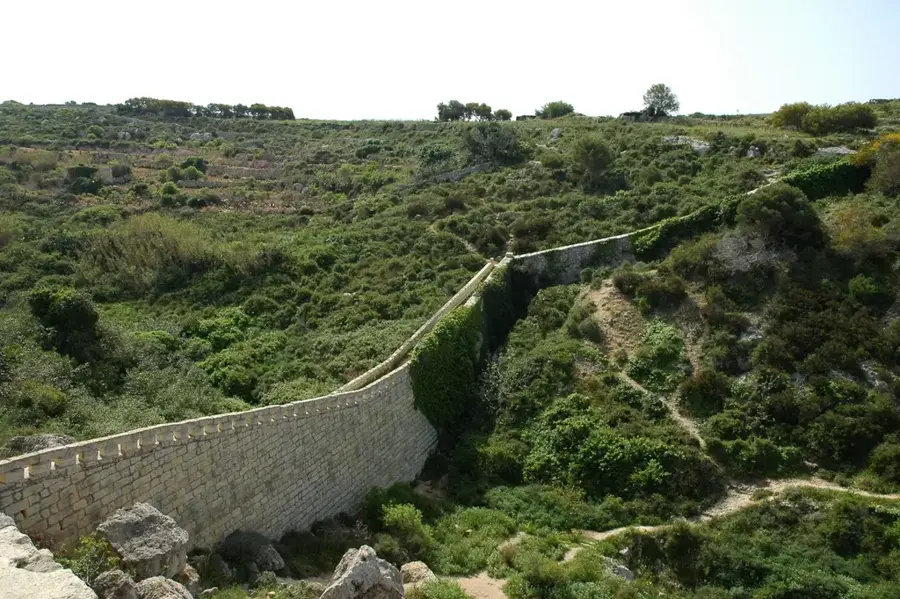
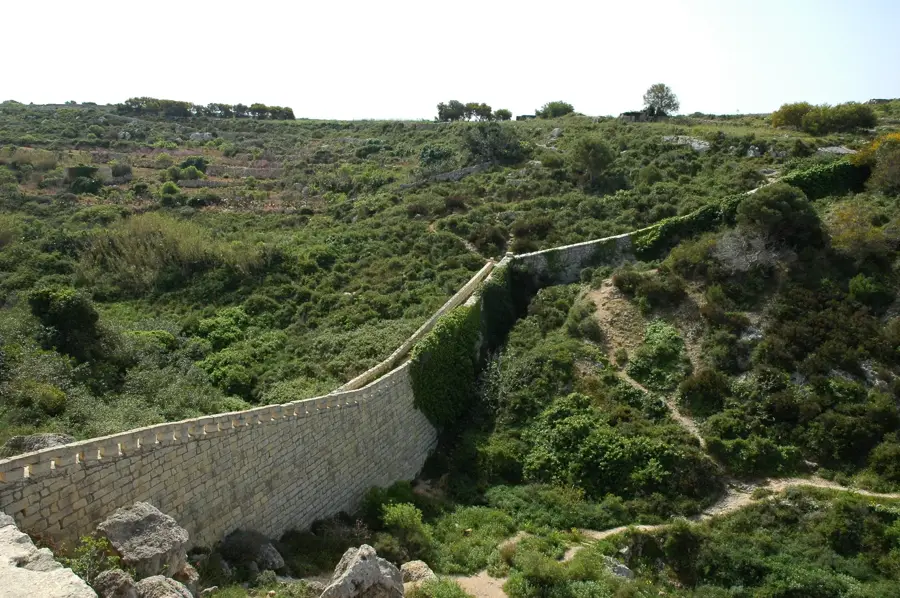
Victoria Lines
19th-century fortification line crossing the island of Malta.
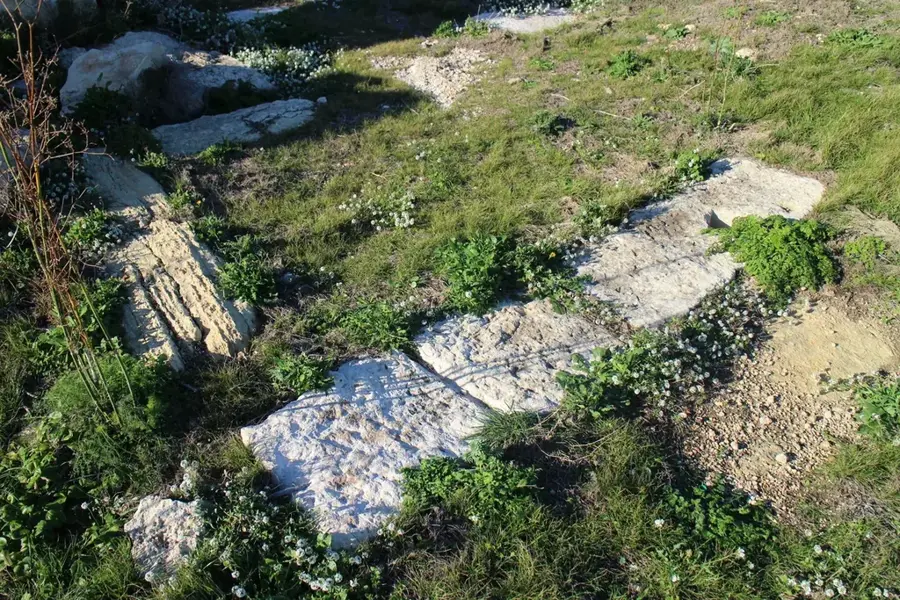
Cart Ruts
Parallel grooves carved into the rock, of unknown origin.
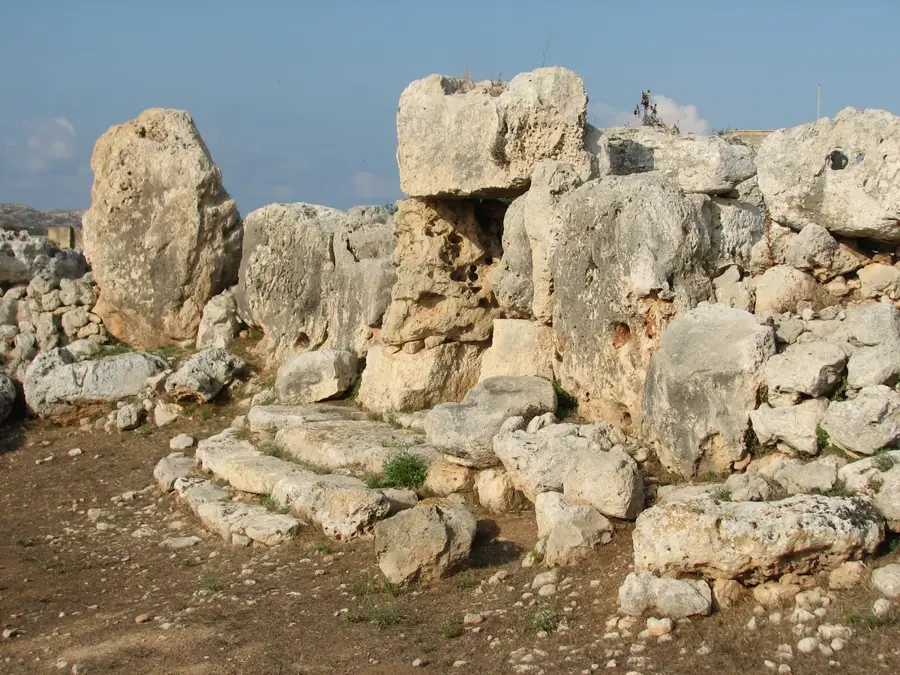
It-Tempji ta' Skorba
Remains of a Neolithic megalithic temple in Malta.
Hunters Hill
Viewpoint hill offering views over the surrounding landscape.
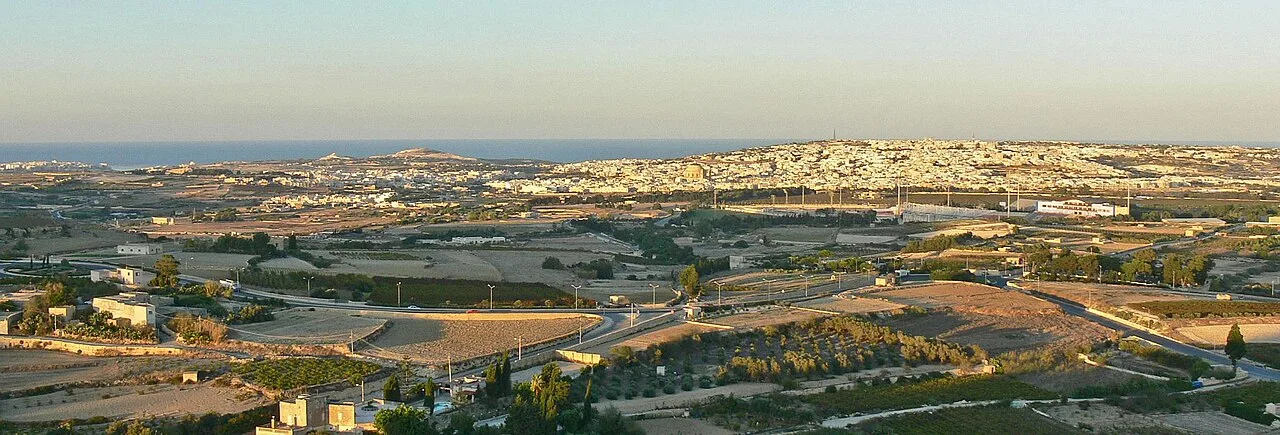
Nadur
Second highest peak of Malta, providing a wide panorama.
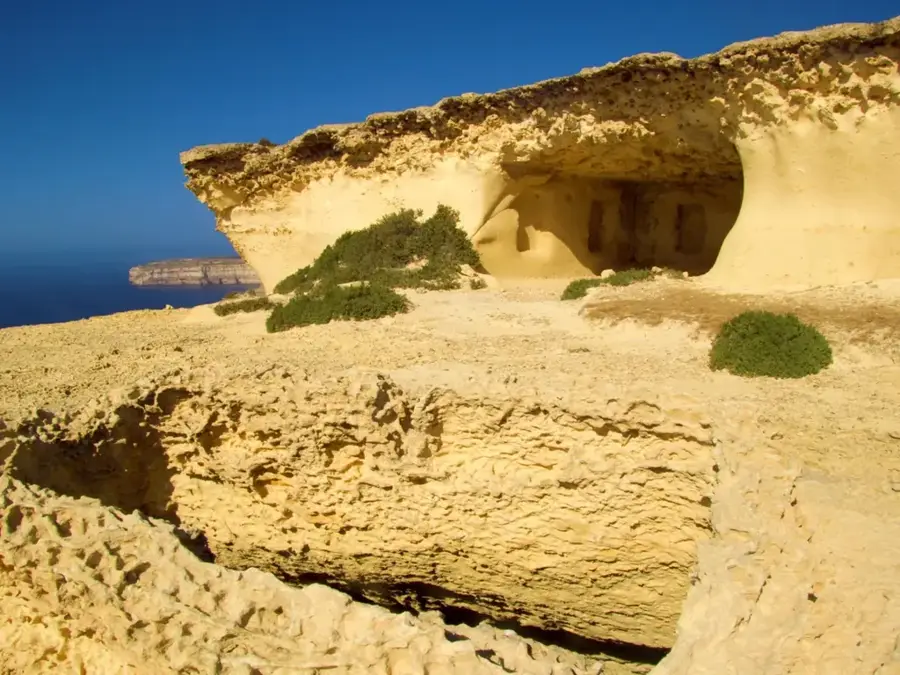
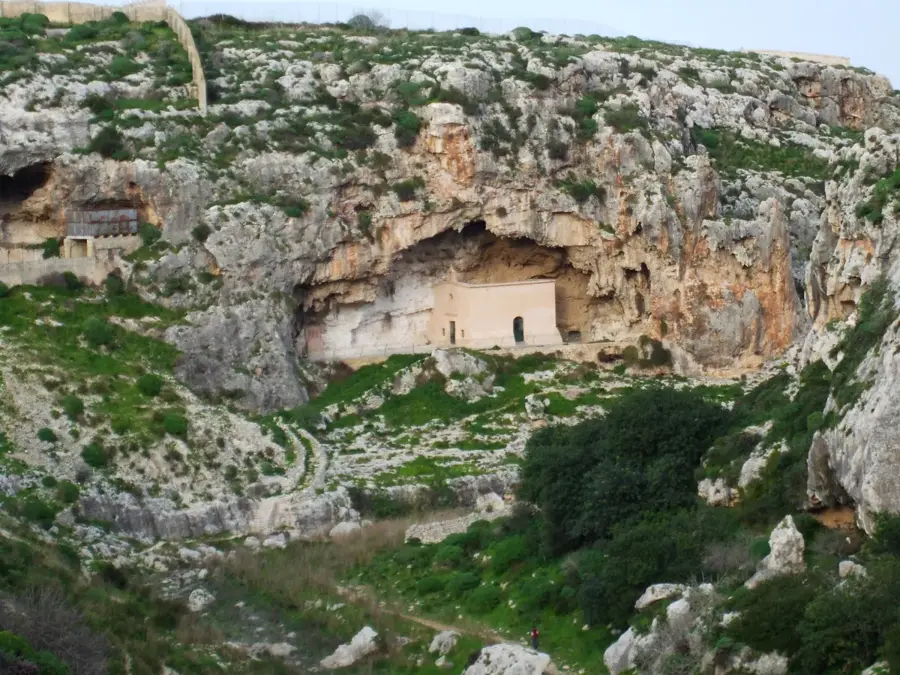
Punic tombs
Ancient Punic burial chambers cut into the rock.
Sights nearby
Frequently asked questions
What does a beekeeping experience involve?
Is the experience safe for children?
How long does a session last?
Do I need to report allergies?
Where do these experiences take place?
Bee Keeping Experience: where is it located?
Bee Keeping Experience: what is there to see?
Bee Keeping Experience: when is the best time to visit?
Bee Keeping Experience: why is it worth visiting?

Nature
More places