Plizio Visual Lab
Ix-Xagħra ta' l-Iskorba Plateau
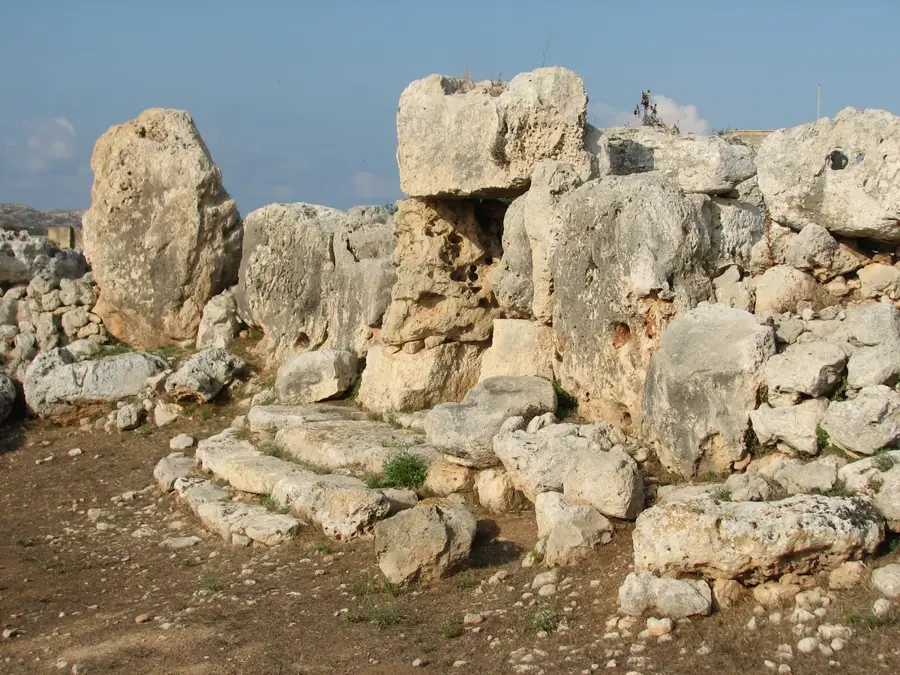
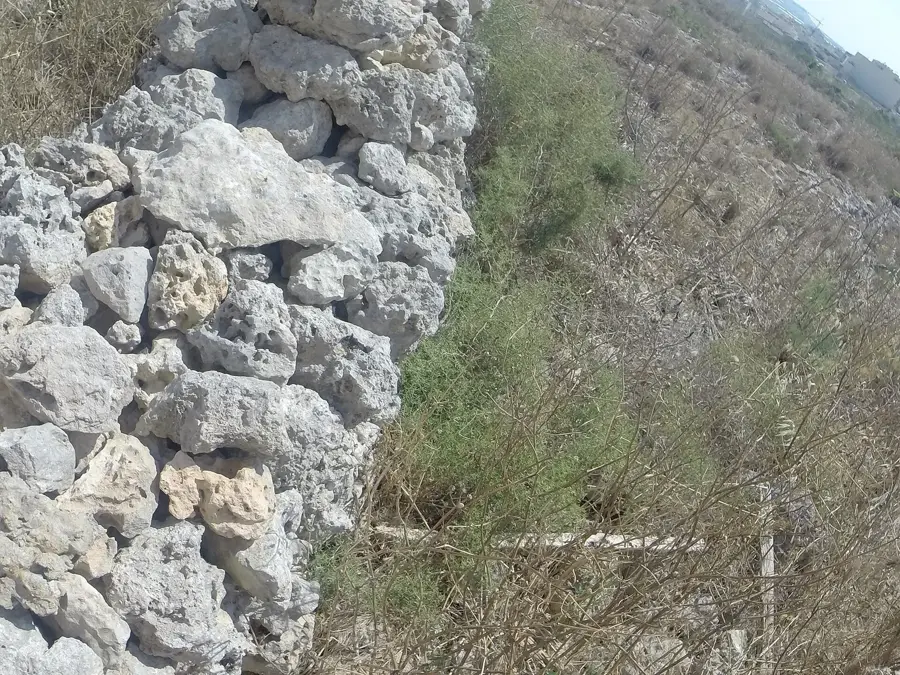
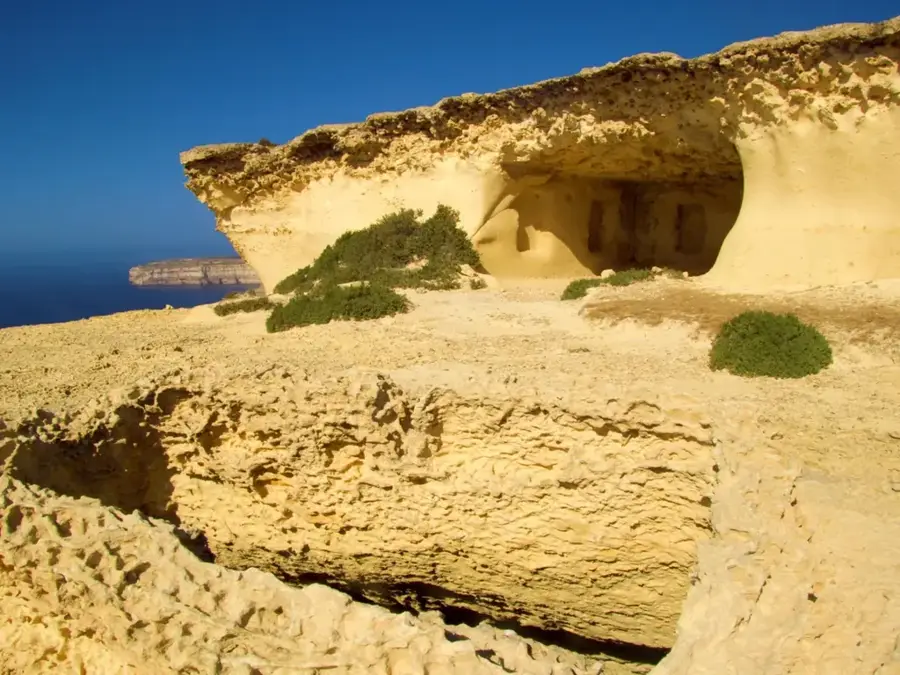
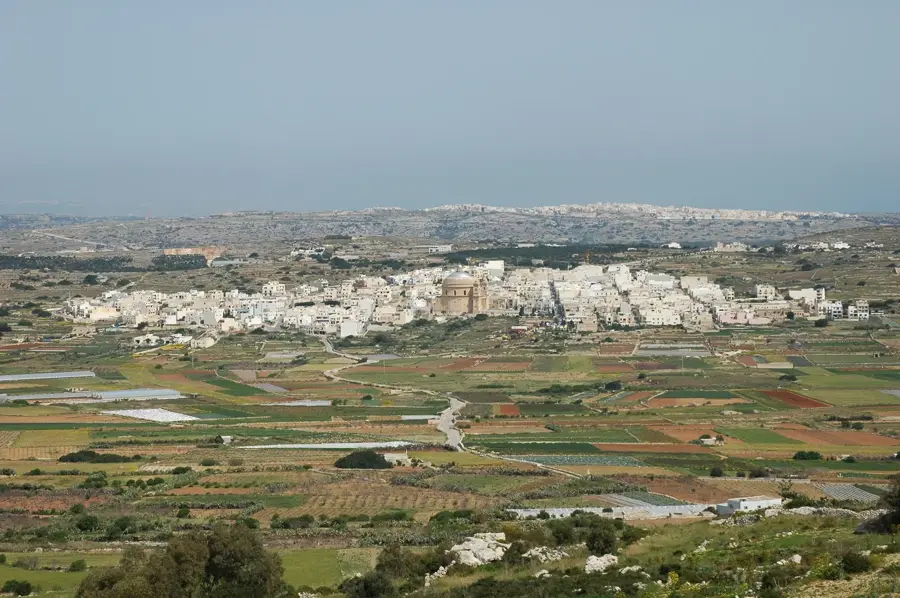
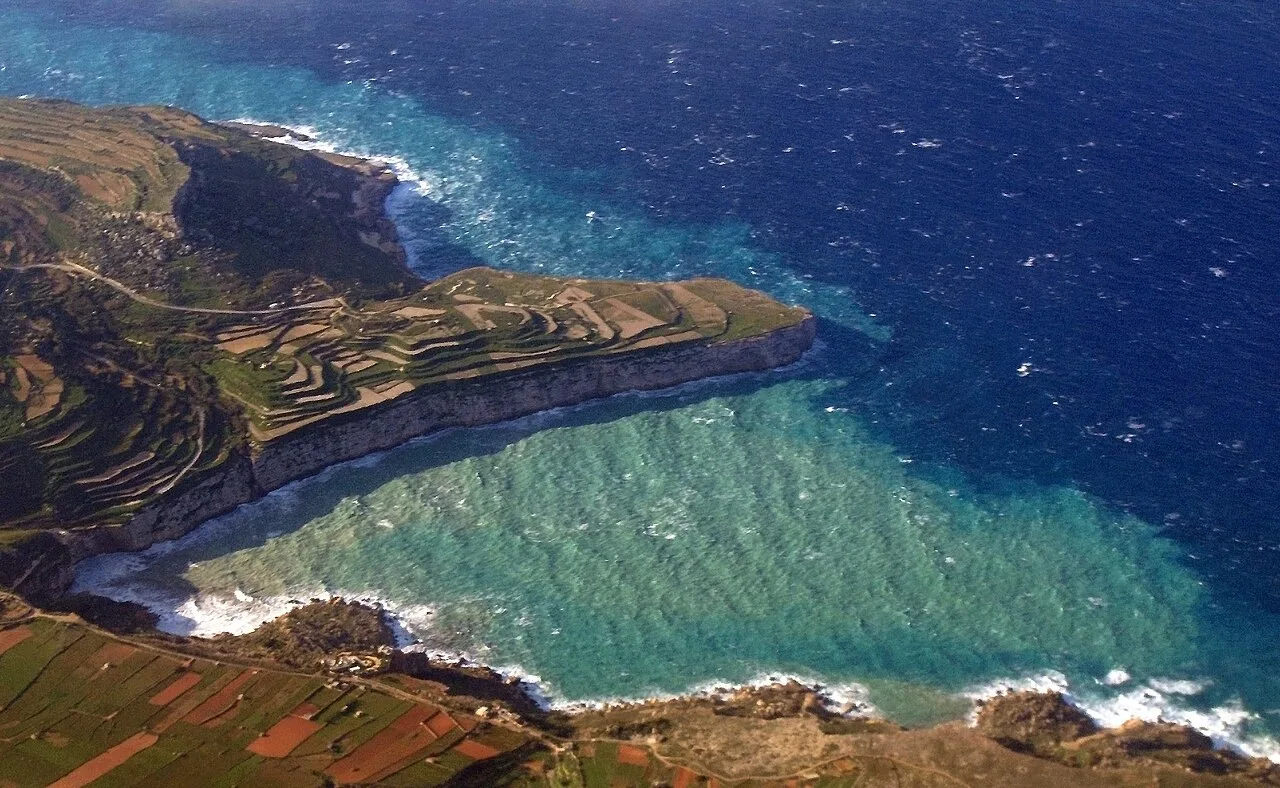
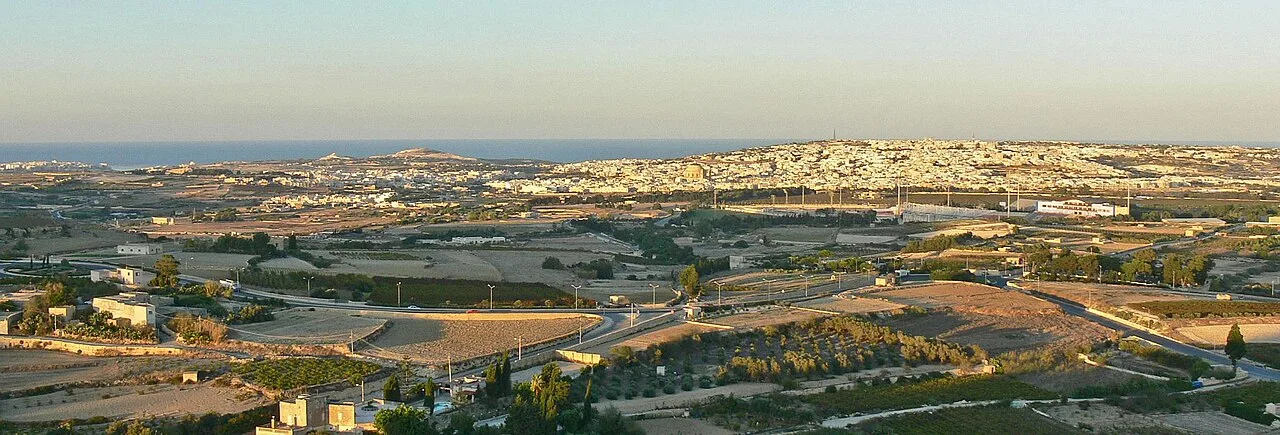
Ix-Xagħra ta' l-Iskorba is an elevated plateau near Mġarr, inextricably linked to the prehistoric Skorba Temples. This area ranks among the oldest inhabited sites in Malta, providing profound insights into the Neolithic culture of the archipelago. The landscape is defined by flat limestone pavements and fertile terra rossa soil, which is good for cereal and vegetable farming. Archaeological excavations in the 1960s revealed two temple complexes here, dating back as far as 4800 BC. The strategic hilltop location provided early inhabitants with natural defense and a wide vantage point over the surrounding valleys. Geologically, the plateau is part of the island's major fault system, resulting in an interesting blend of rocky outcrops and productive agricultural depressions. Today, Ix-Xagħra ta' l-Iskorba is a tranquil site that merges ancient history with rural farming life, offering hikers an authentic view of the Maltese countryside. Its proximity to the temples makes the hill a significant location within the island's UNESCO World Heritage context.
- Location: Malta
- Top sights: Saint Mary · Punic tombs · Ta' Ħaġrat Temple
- Nearby: Mtarfa (4 km)
Best time to visit & climate
The most pleasant time to visit is May–Jul.
| Jan | Feb | Mar | Apr | May | Jun | Jul | Aug | Sep | Oct | Nov | Dec | |
|---|---|---|---|---|---|---|---|---|---|---|---|---|
| Avg °C | 15 | 14 | 15 | 16 | 19 | 23 | 26 | 27 | 25 | 23 | 20 | 16 |
| Rain mm | 74 | 65 | 51 | 33 | 17 | 11 | 4 | 10 | 63 | 82 | 95 | 82 |
📋 Practical info
Geography
Facts
- The Skorba Temples on the plateau date back to approximately 4800 BC.
- The area is famous for the discovery of unique terracotta female figurines.
- The name 'Xagħra' refers to the rugged, rocky nature of the terrain.
- Archaeologists found evidence here of domestic structures predating the temple era.
- The fertile red soil has been continuously farmed for over 6,000 years.
- The plateau offers scenic views toward the nearby Bingemma Hills.
Explore nearby
Notable places around
Route planner — Car & Motorhome
Where do you start? We build the route here, with stops and country notes along the way.
© OpenStreetMap contributors · OpenRouteService
Sights in the town Ix-Xagħra ta' l-Iskorba Plateau (10)
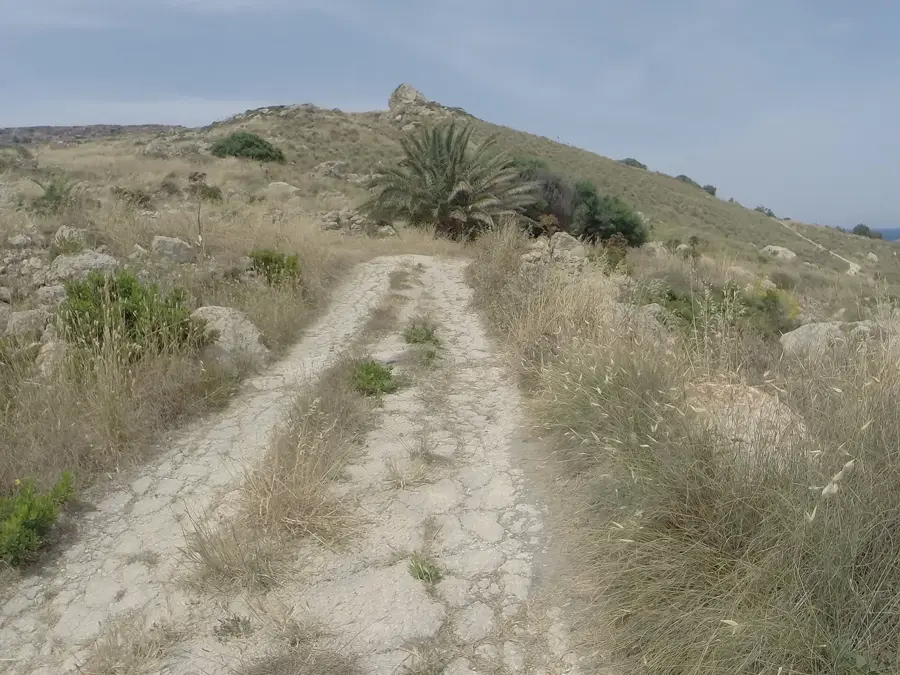
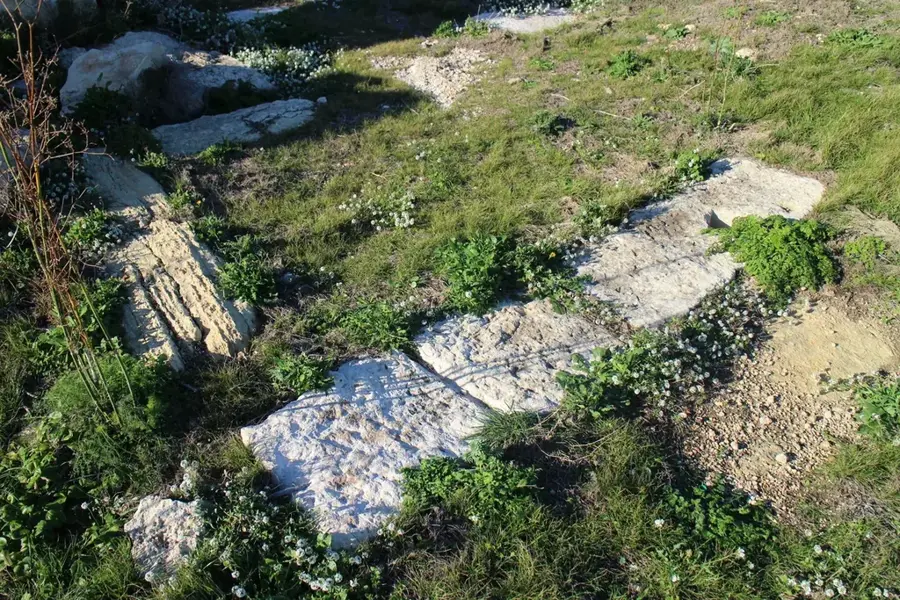
Cart Ruts
Parallel grooves carved into limestone, of unknown age.
Zammittello Palace
19th-century Victorian countryside villa on the outskirts of Mġarr.
It-Tempji ta' Skorba
Remains of a megalithic temple in Malta, from the prehistoric temple culture.
Hunters Hill
Viewpoint overlooking the landscape around Mġarr.
Torri ta' Lippija🗼 tower
Lascaris Tower, a former coastal watchtower in Malta.
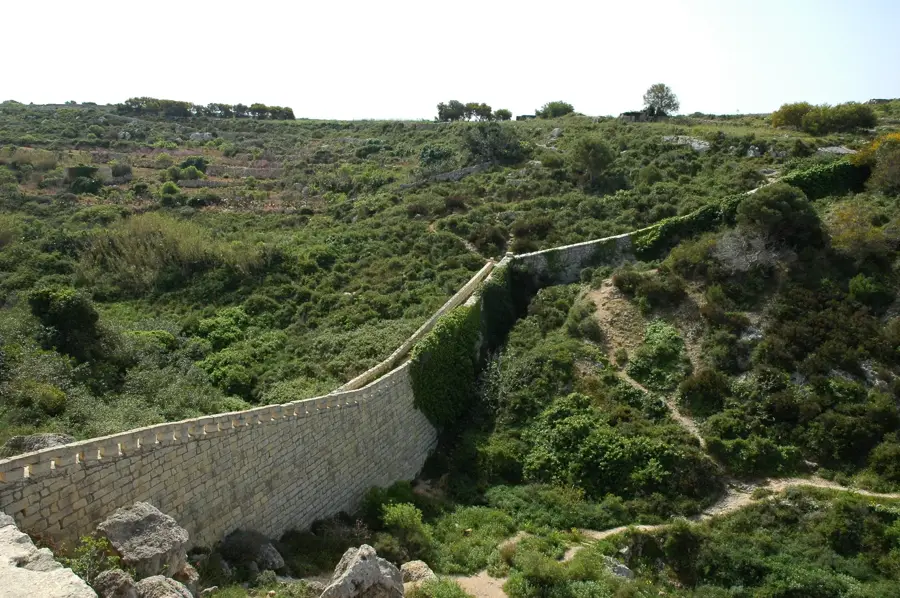
Victoria Lines
Fortification line across Malta, now a viewpoint.
Sights nearby
Frequently asked questions
What is special about this place?
Is the terrain suitable for hiking?
Is there shade on the path?
Can you drive up?
When is the best time to visit?
Ix-Xagħra ta' l-Iskorba Plateau: where is it located?
Ix-Xagħra ta' l-Iskorba Plateau: what is there to see?
Ix-Xagħra ta' l-Iskorba Plateau: when is the best time to visit?
Ix-Xagħra ta' l-Iskorba Plateau: why is it worth visiting?

Nature

More places