Plizio Visual Lab
Sikasso
ℹ️Practical info — Sikasso
▾
🌤 Weather — 5 days
📍 Nearby
Sights nearby
💡 Tips
- Visit the ruins of the 'Tata' defensive wall early in the morning before it gets too hot.
- The city is much greener and more humid than Bamako; be sure to bring strong mosquito repellent.
- Greet locals extensively and politely before asking for directions or taking photographs.
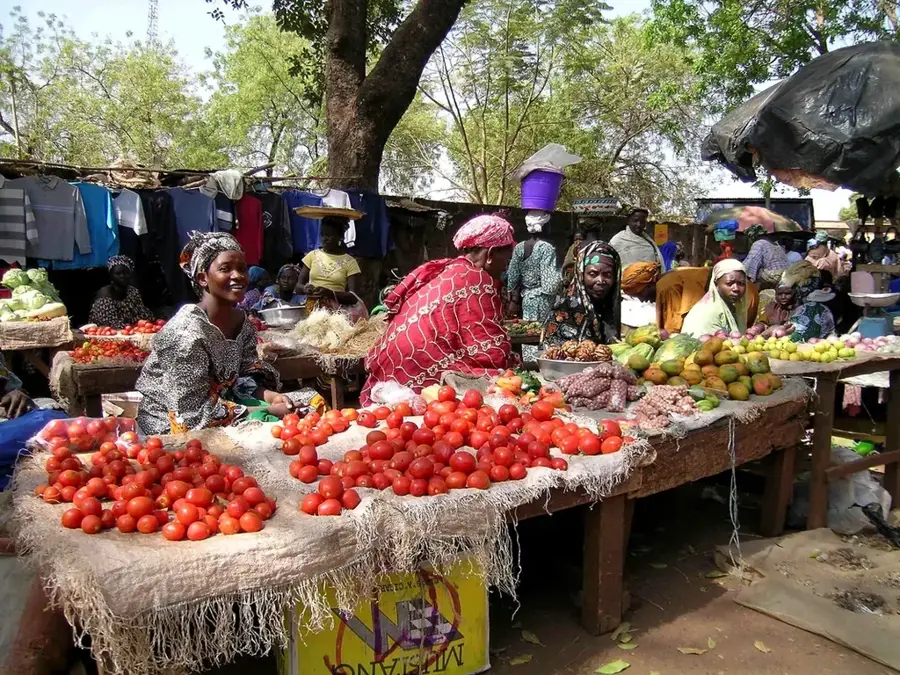
- Plan a visit on the weekend to experience the extremely lively agricultural market.
🍽 Food
Try the locally caught Nile perch, often served fantastically grilled or in sauce near the river.
A heavy, dough-like mash made from yams or cassava, well-suited for soaking up spicy peanut sauce.
Drink the extremely sweet and strong green tea, traditionally served in three rounds ('life', 'love', 'death').
🛍 Shopping · 🧘 Quiet spots
Sikasso is the agricultural heart of Mali; buy the best and sweetest mangoes in the country at the Grand Marché.
Look for this traditional Malian cotton fabric, uniquely dyed using fermented mud.
Climb this small hill in the center of town to enjoy a peaceful view over the sea of houses.
Take a short trip outside the city to these impressive rock formations that serve as a sacred site.
Water temperature…
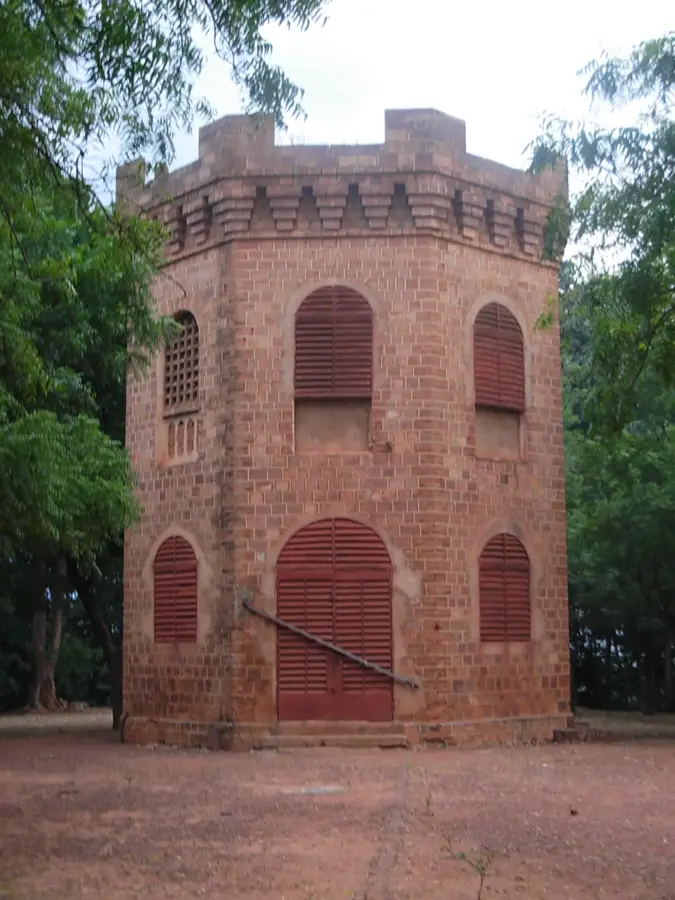
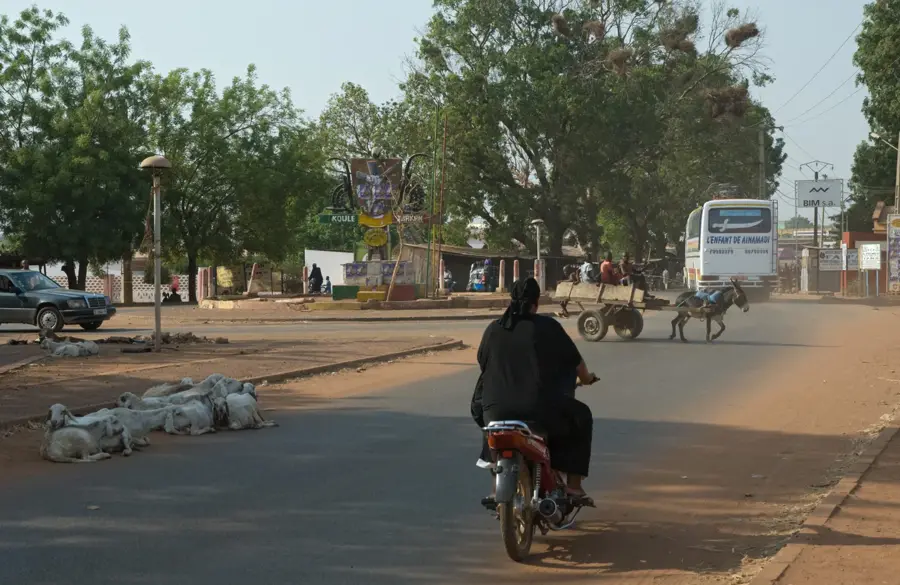
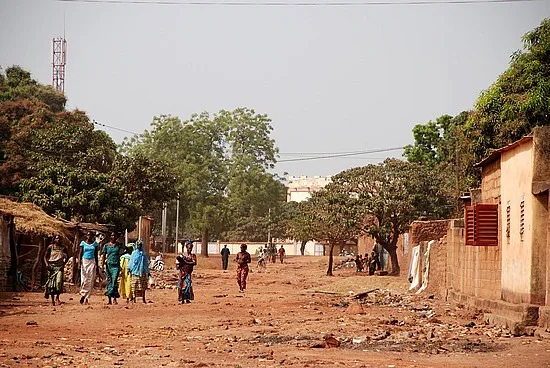
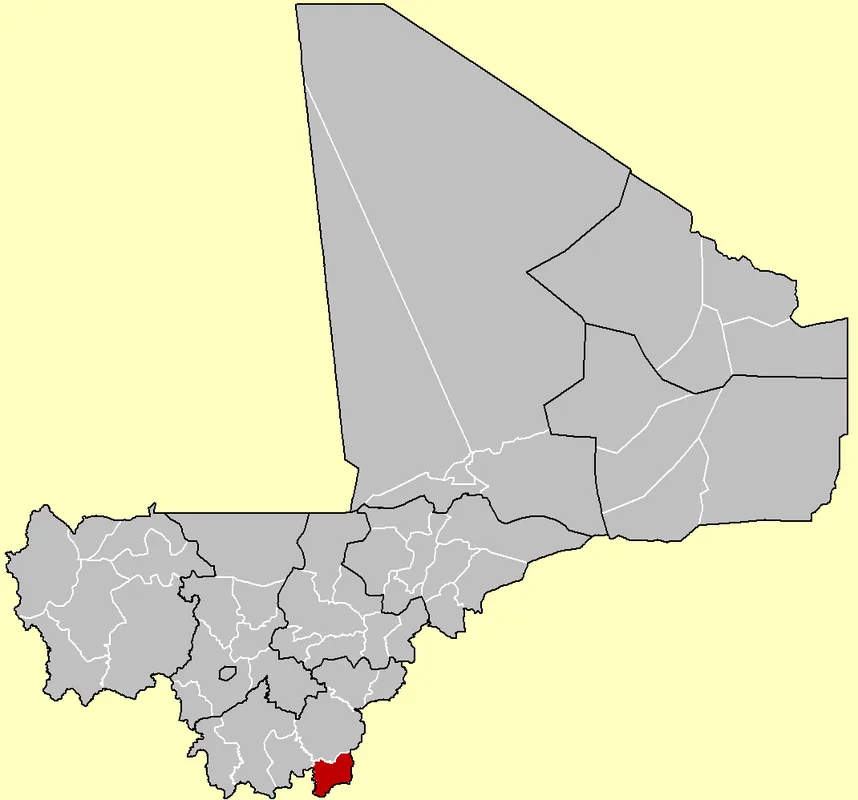
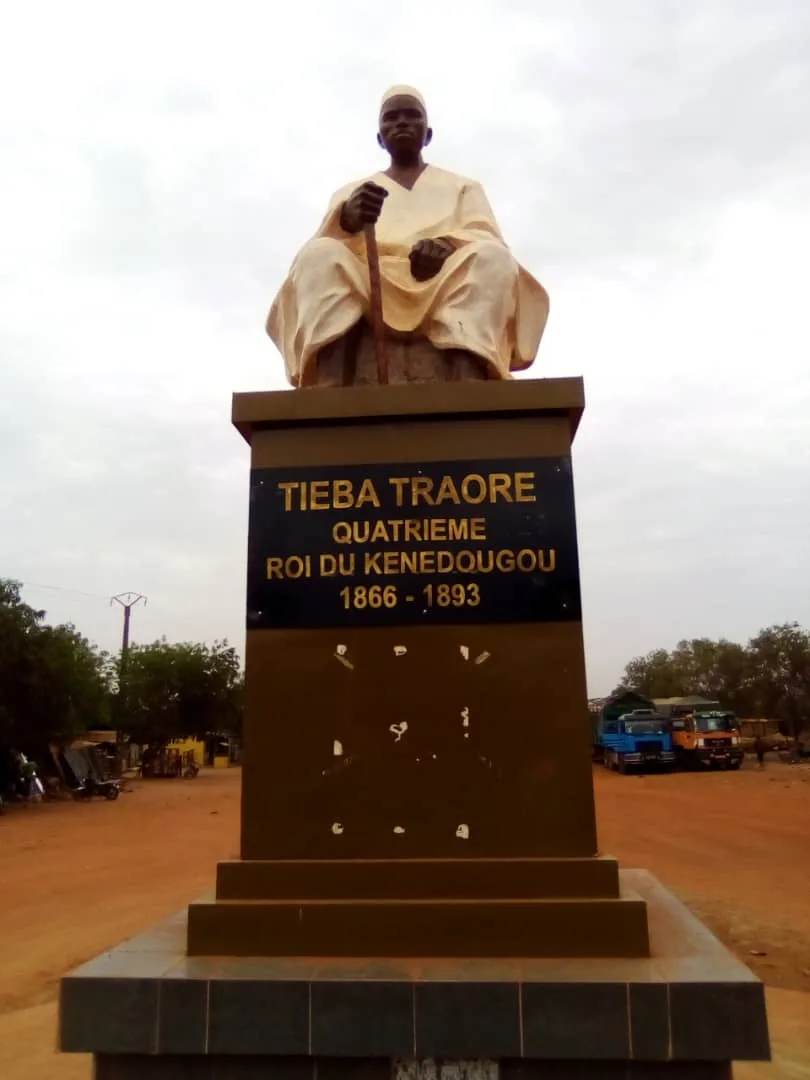
Sikasso, Mali's second-largest city, is situated in the lush southern region of the country and serves as its primary agricultural hub. Unlike the desert landscapes of the north, Sikasso is surrounded by green fields and orchards, earning it the title of Mali's 'garden city' and the center of its mango production. The city's history is deeply rooted in the 19th-century Kénédougou Kingdom, when it was established as a capital by King Tiéba Traoré. The most famous landmark is the remains of the 'Tata,' a massive defensive wall that once stretched for kilometers to protect the city from invaders, most notably Samori Touré. These fortifications were among the last to fall to French colonial forces in 1898. Today, visitors can explore the Mamelon hill, the traditional seat of the kings, which provides a commanding view of the city. Sikasso’s spirited markets reflect its role as a crossroad between Mali, Ivory Coast, and Burkina Faso. The city is also a gateway to natural wonders like the Farako waterfalls, making it a key destination for those wishing to explore the historical depth and agricultural richness of West Africa.
- Location: Mali
- Nearby: Niéna (36 km)
- Population: ~349.324 (2026)
Best time to visit & climate
The most pleasant time to visit is Jan, Nov, Dec.
| Jan | Feb | Mar | Apr | May | Jun | Jul | Aug | Sep | Oct | Nov | Dec | |
|---|---|---|---|---|---|---|---|---|---|---|---|---|
| Avg °C | 25 | 28 | 31 | 32 | 31 | 28 | 26 | 25 | 25 | 26 | 26 | 24 |
| Rain mm | 2 | 2 | 8 | 40 | 86 | 142 | 223 | 282 | 193 | 66 | 3 | 0 |
Geography
Facts
- Second largest city in Mali
- Built under Tiéba Traoré
- Famous Tata defensive wall
- Center of mango exports
- Elevation approx. 400 meters
- Important regional market
Explore nearby
Notable places around





Route planner — Car & Motorhome
Where do you start? We build the route here, with stops and country notes along the way.
© OpenStreetMap contributors · OpenRouteService
Frequently asked questions
What is Sikasso known for?
What should you visit?
How do you reach Sikasso?
How is the climate?
Are there good restaurants?
Sikasso: where is it located?
Sikasso: when is the best time to visit?
Sikasso: why is it worth visiting?

Nearby cities
History & landmarks
More places