Plizio Visual Lab

Bako National Park
Plizio editorial teamData Sources
wildlife-area
—°6
Bako National Park (Malaysia)

Weather…

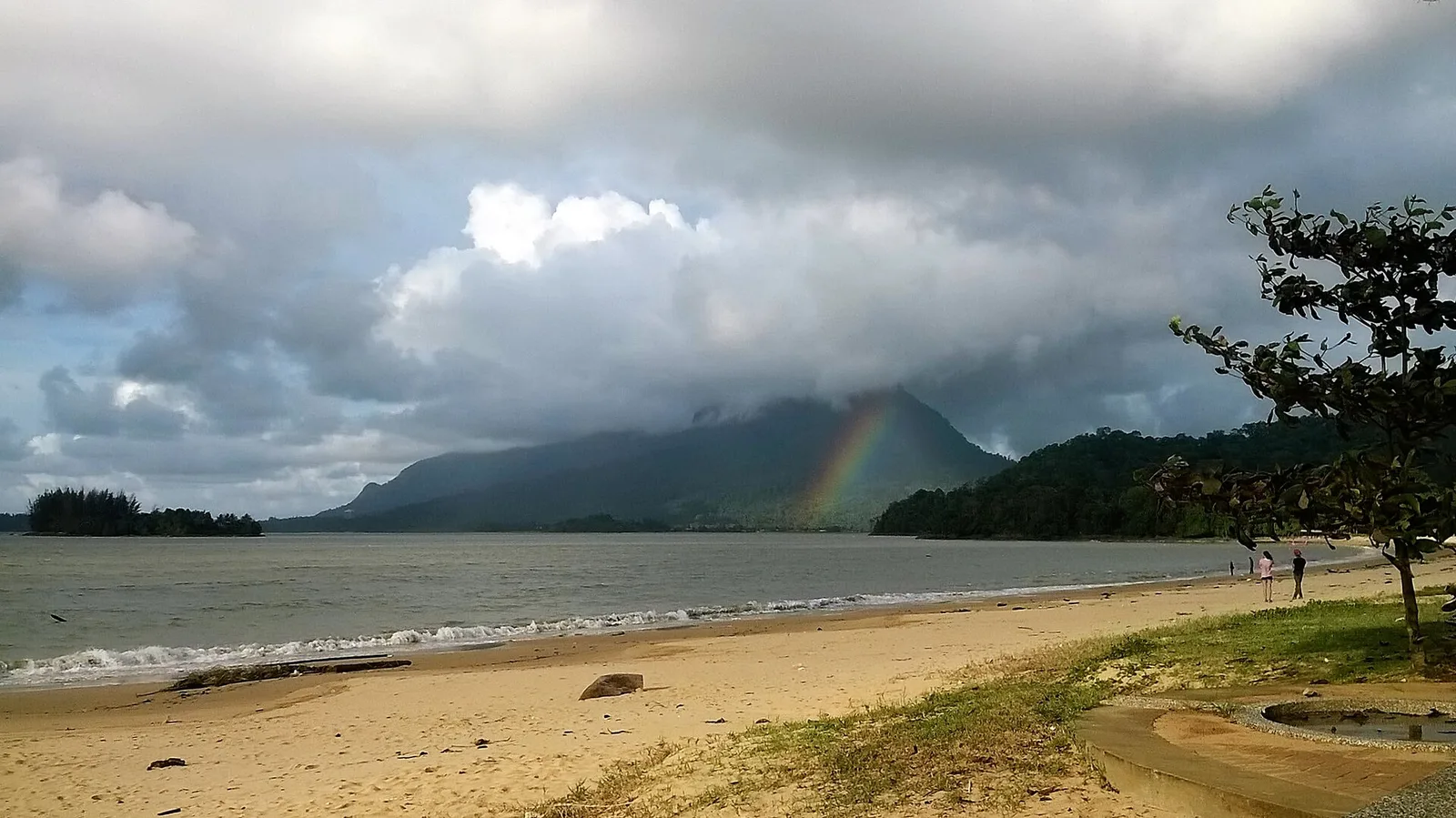
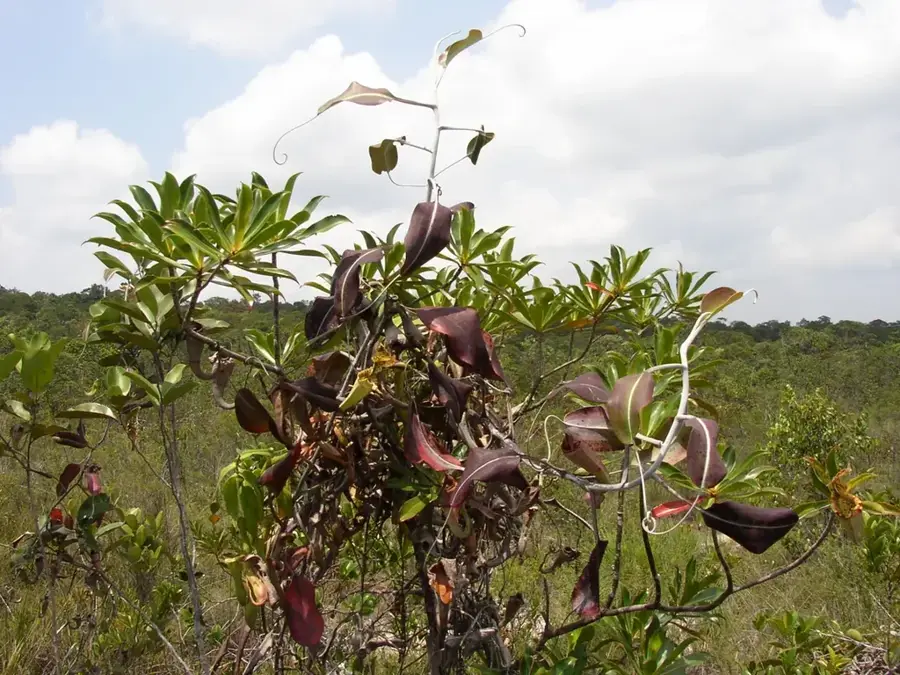
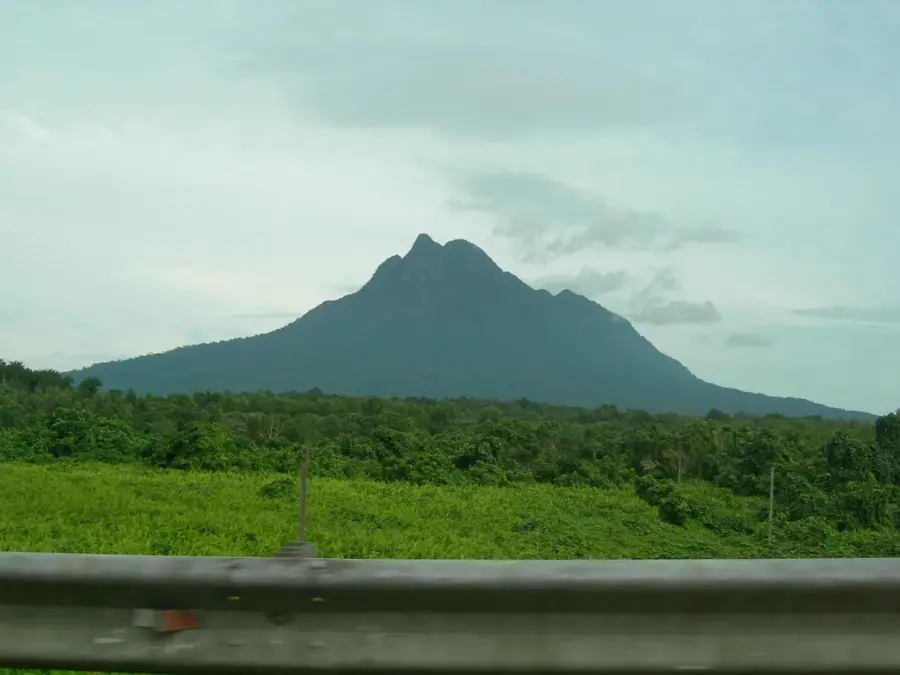
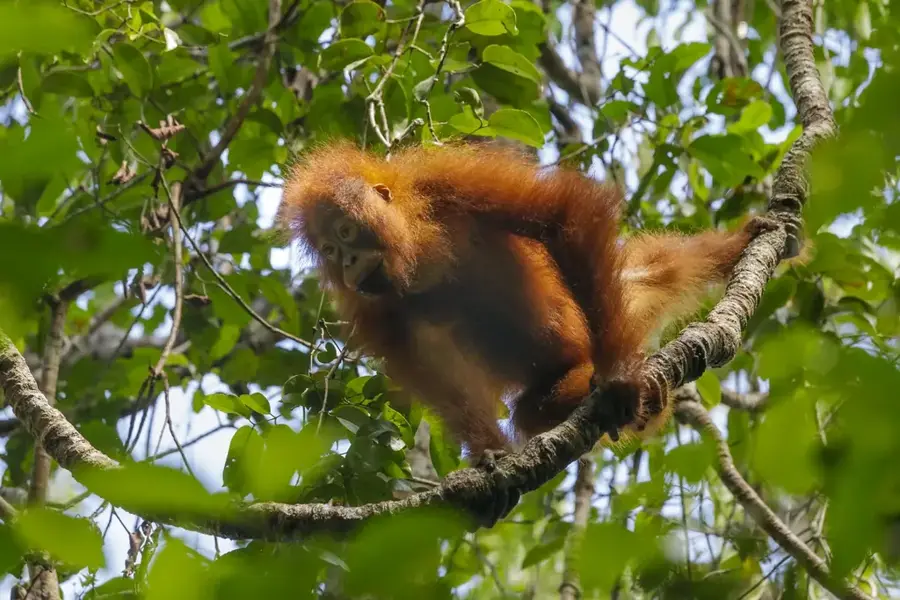
Bako National Park, Sarawak's oldest, is a great microcosm of Borneo's diverse ecosystems. Established in 1957 and covering just 27 square kilometers, it packs in an incredible variety of landscapes, from mangrove and peat swamp forests to cliff vegetation and dipterocarp forests. The park is a haven for wildlife, most famously the endemic proboscis monkey, which can often be seen near the park headquarters. Other resident primates include long-tailed macaques and silvered langurs. A network of 16 marked trails allows visitors to explore the park's natural wonders, leading to secluded beaches, dramatic sea stacks, and impressive viewpoints. The iconic sea stack, carved by centuries of erosion, is a symbol of the park's rugged coastal beauty. Accessible only by a short boat ride, Bako provides an immersive and unforgettable introduction to the wild wonders of Borneo.

Best time to visit & climate

The most pleasant time to visit is Jun–Aug.

JanFebMarAprMayJunJulAugSepOctNovDec
Avg °C262627272827272727272726
Rain mm547403302282239229215220241319345461

📋 Practical info

📅
Best season
The best time to visit Bako National Park is during the dry season, generally from March to October, when the trails are less slippery and wildlife observation is more comfortable. During these months, the diverse ecosystems are most accessible for spotting the famous proboscis monkeys.
🌅
Best time of day
Wildlife activity, particularly for proboscis monkeys, typically peaks during the cooler hours of early morning and late afternoon. Planning your hikes around dawn or just before dusk increases your chances of spotting various animals moving through the trees.
📜
Etiquette
Visitors must maintain a respectful distance from all wild animals, especially the primates, and feeding them is strictly prohibited to prevent altering their natural behaviors. Always stay on marked trails within the park to protect the delicate flora and ensure your own safety.
🎒
What to bring
Sturdy, slip-resistant walking shoes are essential for navigating the jungle trails, which can be uneven and occasionally muddy. Bringing a good pair of binoculars will greatly enhance your ability to spot distant birds and monkeys high up in the forest canopy.
🧭
Getting there
Access to the park typically involves a combination of ground transportation to the local terminal followed by a scenic boat ride depending on the tide levels. It is advisable to arrange your boat transfers in advance and check local schedules, as weather conditions can affect crossing times.
🦌
What to expect
Finding wildlife in dense rainforest environments requires a slow pace and a keen eye, as many creatures are naturally camouflaged. Lowering your expectations for guaranteed sightings and enjoying the immersive ecosystem itself makes the sudden appearance of a proboscis monkey all the more rewarding.

Geography

Coordinates
1.71667, 110.45000

Facts

  • Established in 1957, Bako is the oldest national park in Sarawak.
  • It covers a small area of 27 square kilometers on the Muara Tebas peninsula.
  • The park is renowned for its population of around 275 proboscis monkeys.
  • Bako contains seven distinct types of vegetation and ecosystems.
  • The park is only accessible via a 20-minute boat ride from the village of Kampung Bako.
  • There are 16 marked walking trails for visitors to explore.
  • The famous sea stack, a geological formation, is one of the park's most photographed landmarks.
  • The Bornean bearded pig is a common sight, often scavenging for food around the park headquarters.

Explore nearby

Notable places around

Route planner — Car & Motorhome

Where do you start? We build the route here, with stops and country notes along the way.

Vehicle
Only stops with (optional):

© OpenStreetMap contributors · OpenRouteService

Sights in the town Bako National Park (6)

Rhu Cape🌿 nature

Rhu Cape is a scenic viewpoint offering sweeping vistas of the rugged coastline within Bako National Park.

Ulu Assam🌿 nature

Ulu Assam is an elevated viewpoint in Bako National Park, allowing visitors to overlook the surrounding sandstone formations.

Telok Pandan Besar Viewpoint🌿 nature

The Telok Pandan Besar Viewpoint gives a panoramic top-down view of the secluded bay of the same name in Bako National Park.

Rhu Bay🎡 recreation

Rhu Bay is a secluded sandy beach set against the dramatic coastal landscape of Bako National Park.

Tajur Bay🎡 recreation

Tajur Bay is a tranquil coastal cove with a sandy beach, first-rate for resting during a hike through Bako National Park.

Tanjor Bay🎡 recreation

Tanjor Bay is a small, scenic sandy cove tucked away in the rugged natural setting of Bako National Park.

Sights nearby

Frequently asked questions

How to reach Bako National Park?
Only accessible by boat from Kuching or the Bako Bazaar jetty.
What animals can be seen there?
With luck, you can see proboscis monkeys, bearded pigs, and many macaques in the wild.
Should one stay overnight?
Yes, an overnight stay allows for encounters with nocturnal animals and nicer sunrises.
Are the hiking trails demanding?
There are different levels of difficulty, from easy to very demanding.
Is there clean water and toilets?
Basic sanitary facilities are available at the HQ, but bring your own drinking water.
Bako National Park: where is it located?
Bako National Park is located in Malaysia.
Bako National Park: what is there to see?
Highlights include Rhu Cape, Ulu Assam, Telok Pandan Besar Viewpoint.
Bako National Park: when is the best time to visit?
The most pleasant time to visit is Jun, Aug.
Bako National Park: why is it worth visiting?

Bako National Park, Sarawak's oldest, is a great microcosm of Borneo's diverse ecosystems.
View on map → The Top 50 Attractions → OpenStreetMap →
Asia
Explore with Plizio Discover more places in Asia
More places in Malaysia →

Nearby cities

Nature

More places