Plizio Visual Lab
Amal Oil Field
Weather…
Water temperature…
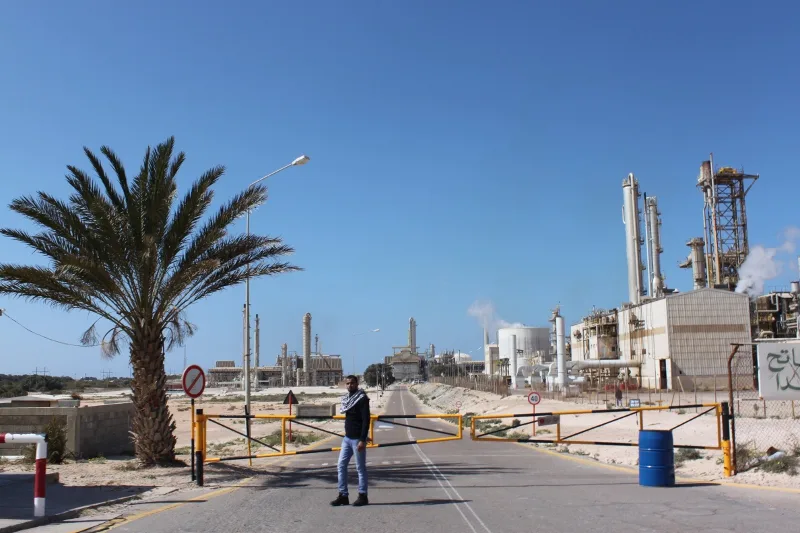
The Amal oil field is one of the largest and most prolific hydrocarbon assets in the eastern Sirte Basin of Libya. Discovered in the late 1950s, it is characterized by its massive geographical footprint, which encompasses numerous distinct reservoirs. The field is currently operated by Harouge Oil Operations, a joint venture between the National Oil Corporation (NOC) and the Canadian firm Suncor (formerly Veba Oil). Amal is well-known for producing high-quality crude oil and features an extensive on-site infrastructure, including its own power plant and a complex network of gathering centers. The crude oil produced is transported via a major pipeline to the Ras Lanuf export terminal on the Mediterranean coast. Over the decades, Amal has produced billions of barrels of oil, remaining a vital component of Libya's energy production capacity. Continuous maintenance and the use of sophisticated pressure maintenance systems are crucial for sustaining output in this mature field. Despite regional instability, Amal continues to be a cornerstone of the national economy.
- Location: Libya
- Nearby: Awjila (36 km)
Best time to visit & climate
The most pleasant time to visit is Apr, Oct, Nov.
| Jan | Feb | Mar | Apr | May | Jun | Jul | Aug | Sep | Oct | Nov | Dec | |
|---|---|---|---|---|---|---|---|---|---|---|---|---|
| Avg °C | 12 | 13 | 17 | 21 | 25 | 29 | 30 | 30 | 28 | 24 | 18 | 14 |
| Rain mm | 7 | 5 | 2 | 1 | 4 | 0 | 0 | 0 | 1 | 5 | 3 | 7 |
📋 Practical info
Geography
Facts
- Amal is situated in the eastern part of the prolific Sirte Basin.
- The field was discovered in the late 1950s during initial exploration.
- It is operated by Harouge Oil Operations (NOC and Suncor).
- Crude oil from Amal is sent to the Ras Lanuf export terminal.
- The field infrastructure includes a dedicated on-site power plant.
- It is recognized for its exceptionally large surface area.
Explore nearby
Notable places around


Route planner — Car & Motorhome
Where do you start? We build the route here, with stops and country notes along the way.
© OpenStreetMap contributors · OpenRouteService
Sights nearby
Frequently asked questions
What is the Amal oil field?
When was the Amal field discovered?
Is there a town for workers there?
What is the terrain like?
Can one explore the area independently?
Amal Oil Field: where is it located?
Amal Oil Field: when is the best time to visit?
Amal Oil Field: why is it worth visiting?

Nearby cities
History & landmarks
Nature
More places