Plizio Visual Lab
Wadi al-Hayat

Weather…
Water temperature…
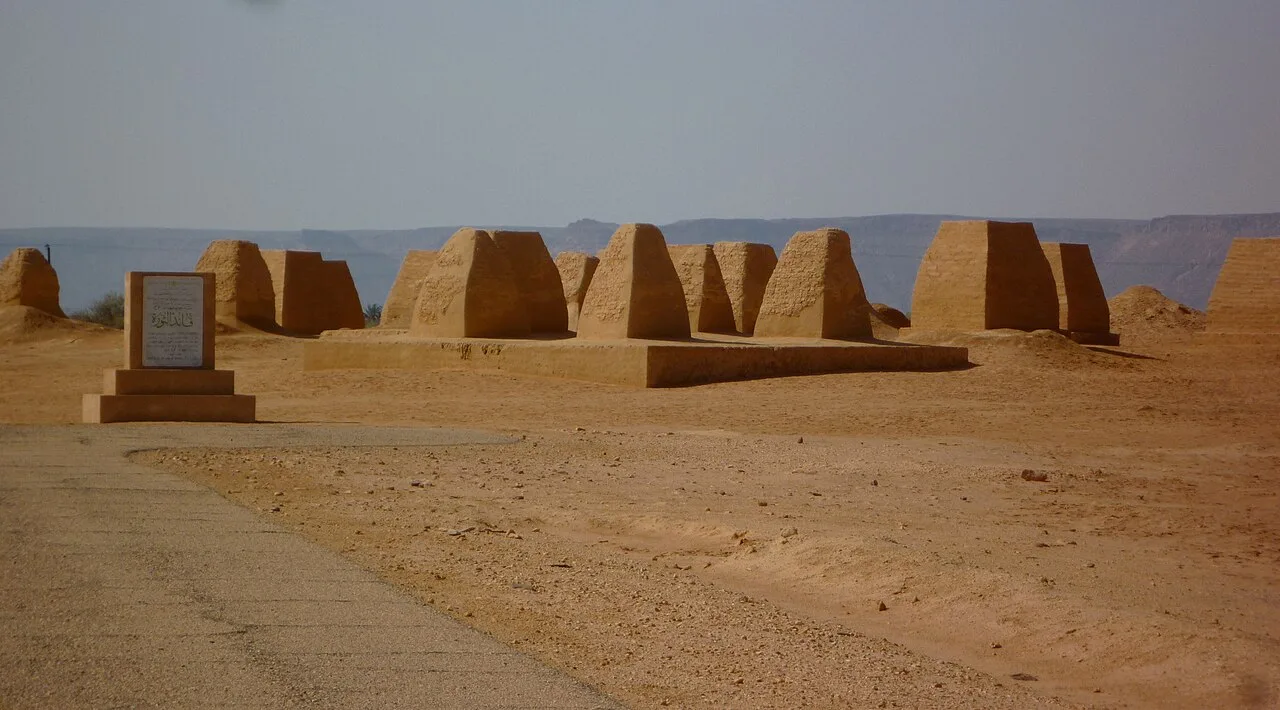
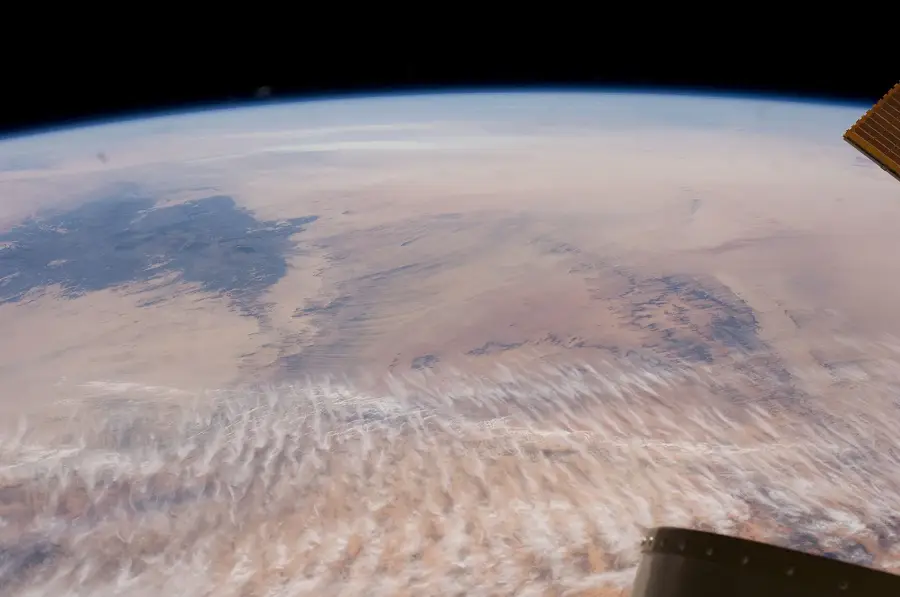
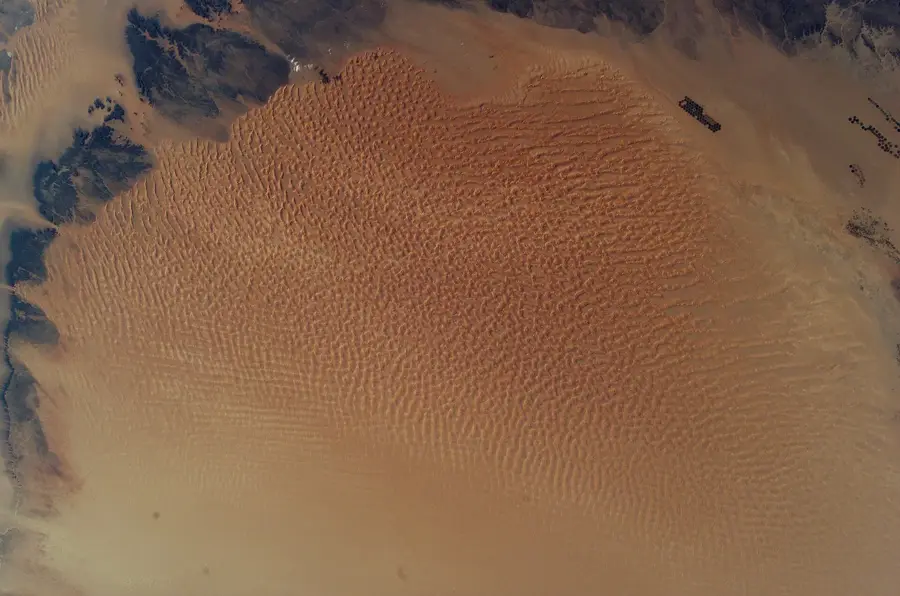
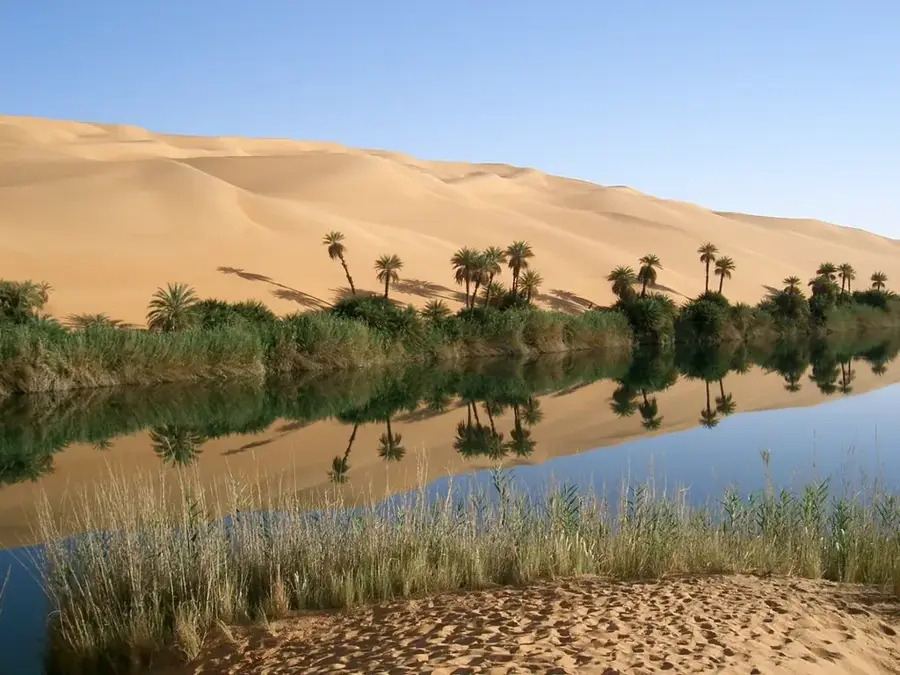
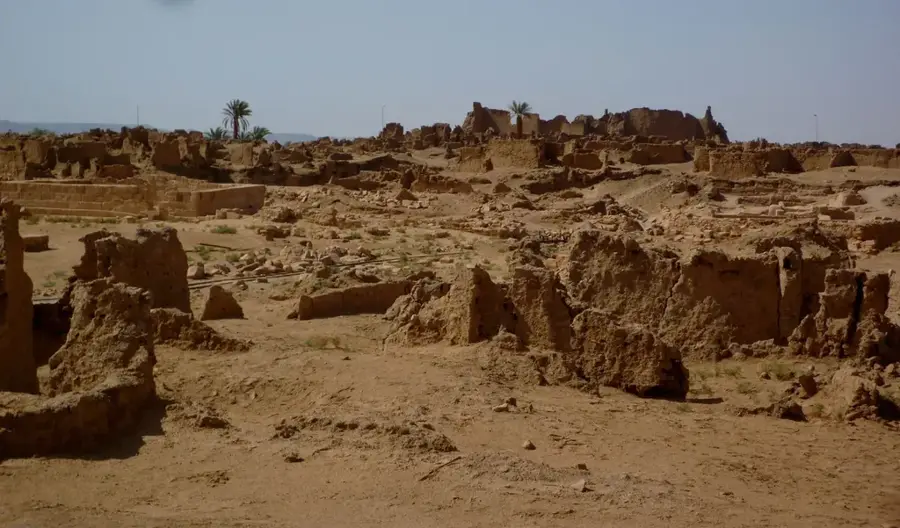
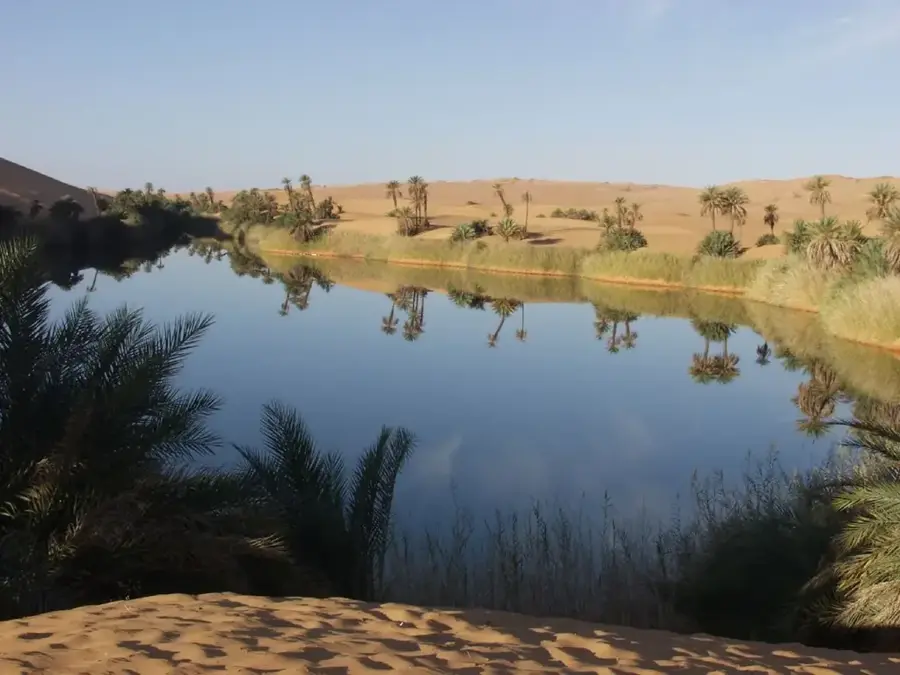
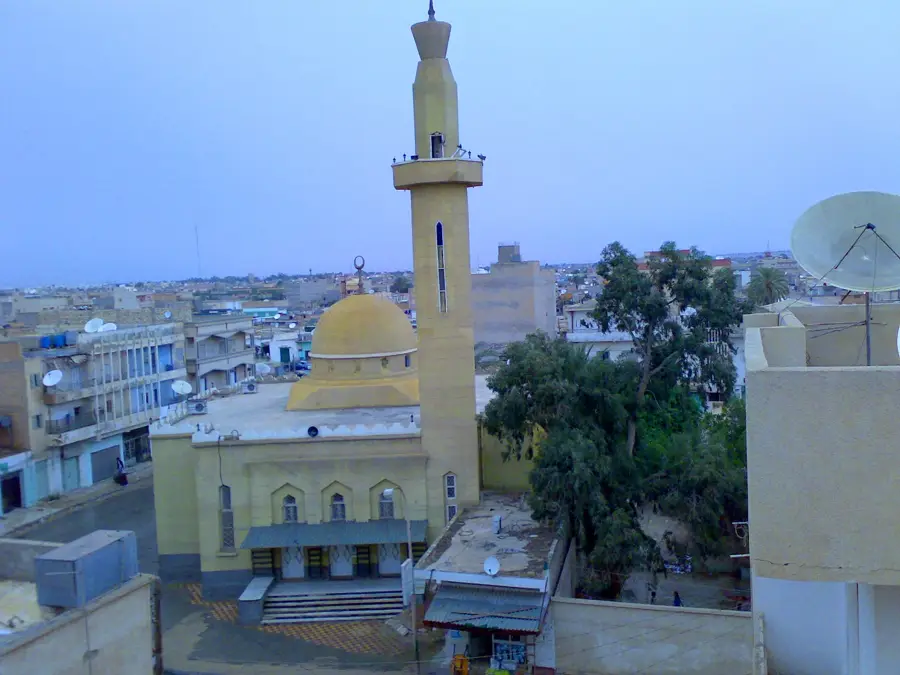
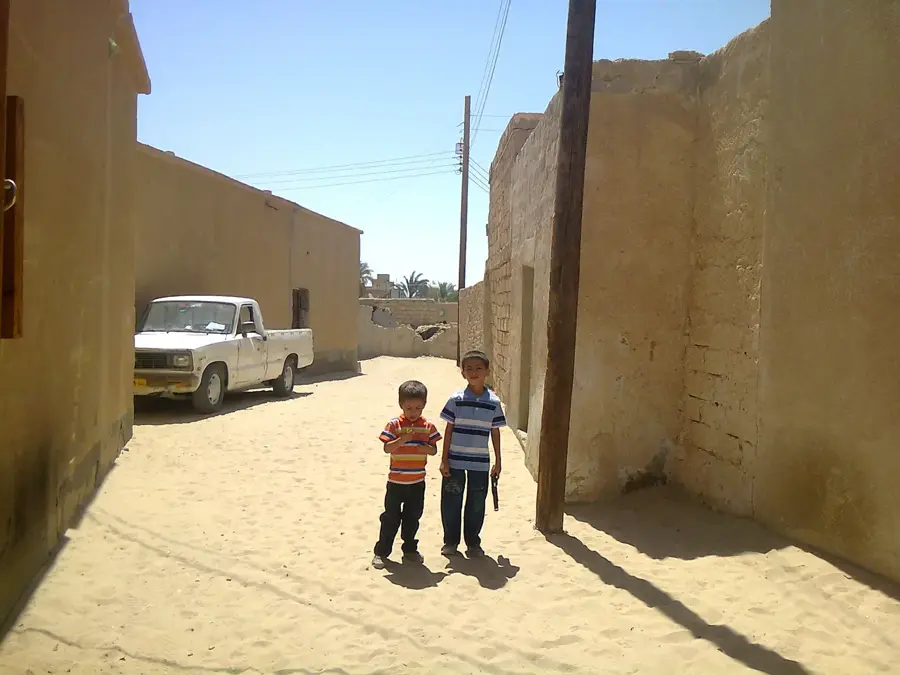
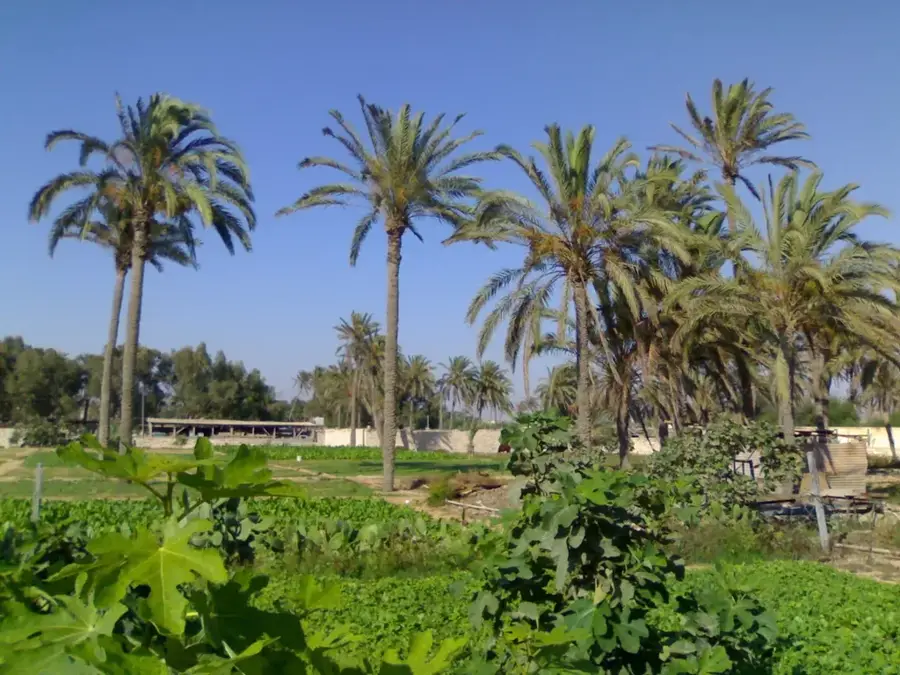
Wadi al-Hayat, also known as the Valley of Life, stretches over 250 kilometers in the Fezzan region of southwestern Libya. This fertile valley is located between the Ubari Sand Sea to the north and the Messak Plateau to the south, having been inhabited for millennia. It was the heartland of the Garamantes civilization, who developed complex irrigation systems in antiquity to successfully cultivate the desert. The archaeological sites of Germa, the former capital of the Garamantes, testify to the advanced architecture and long-distance trade of this early culture. Today, the valley is a vital agricultural area where dates, cereals, and vegetables are grown using modern pumping technology. The wadi benefits from a vast underground aquifer that enables survival in one of the driest regions on Earth. Numerous oasis villages line the valley, many of which have preserved their traditional mud-brick architecture. The region is also famous for its natural beauty, particularly its proximity to the memorable lakes of the Ubari Sand Sea.
- Location: Libya
- Nearby: Awbari (Ubari) (29 km)
Best time to visit & climate
The most pleasant time to visit is Mar, Apr, Nov.
| Jan | Feb | Mar | Apr | May | Jun | Jul | Aug | Sep | Oct | Nov | Dec | |
|---|---|---|---|---|---|---|---|---|---|---|---|---|
| Avg °C | 11 | 13 | 18 | 24 | 28 | 31 | 32 | 32 | 30 | 24 | 18 | 12 |
| Rain mm | 3 | 3 | 2 | 1 | 4 | 8 | 0 | 0 | 3 | 4 | 2 | 3 |
📋 Practical info
Geography
Facts
- The valley extends over a length of approximately 250 kilometers in Fezzan.
- It was the historical center of the ancient Garamantes civilization.
- The ruins of the former capital city, Germa, are located directly in the wadi.
- In antiquity, inhabitants already used complex foggara irrigation systems.
- The valley is strategically located between the Ubari Sand Sea and the Messak Plateau.
- Current agriculture relies on fossil water from deep underground aquifers.
Explore nearby
Notable places around


Route planner — Car & Motorhome
Where do you start? We build the route here, with stops and country notes along the way.
© OpenStreetMap contributors · OpenRouteService
Sights nearby
Frequently asked questions
What makes Wadi al-Hayat special?
What historical sites are located there?
What is the best way to travel through the wadi?
Is there accommodation for tourists?
How is the weather in Wadi al-Hayat?
Wadi al-Hayat: where is it located?
Wadi al-Hayat: when is the best time to visit?
Wadi al-Hayat: why is it worth visiting?

Nearby cities
History & landmarks
Nature
More places