Plizio Visual Lab
Embūte Valley

Weather…
Water temperature…
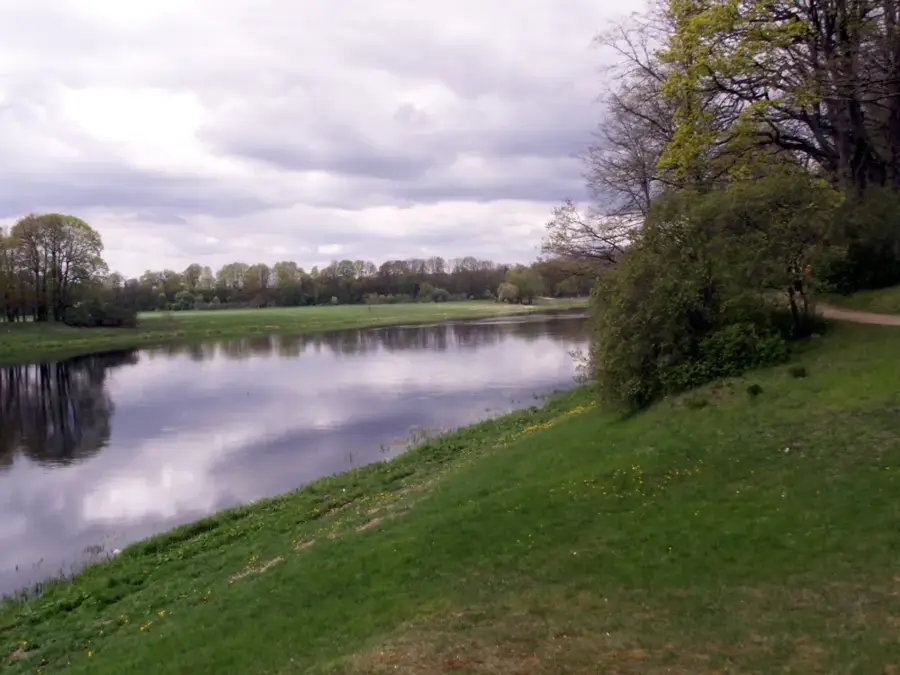
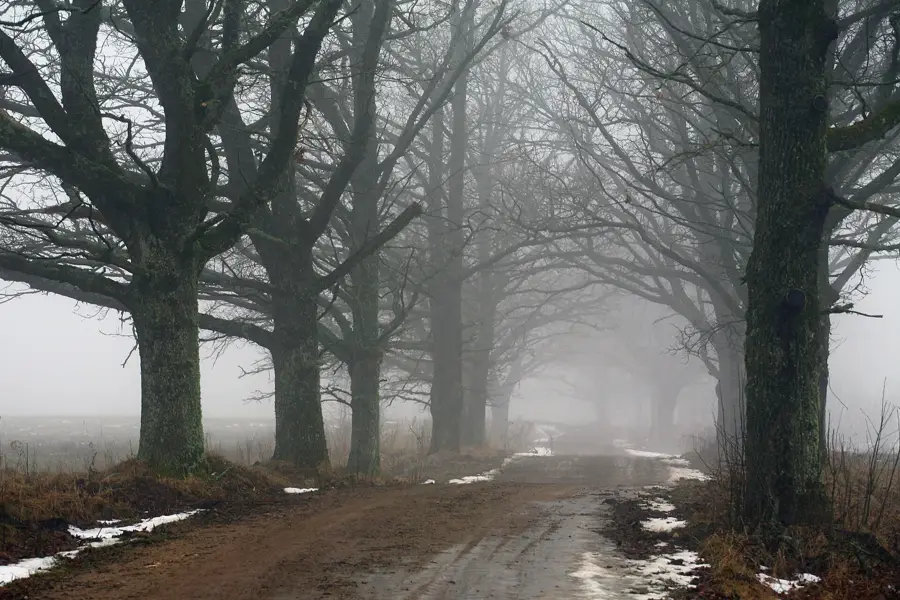
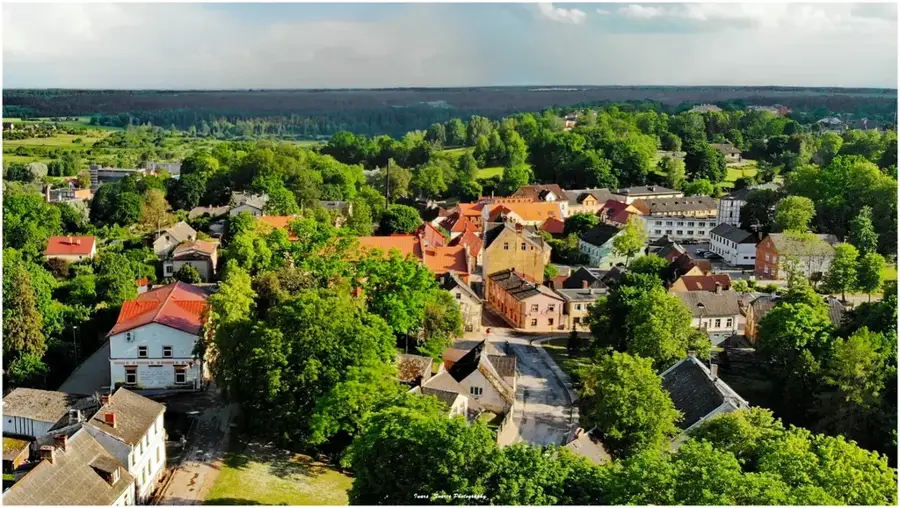
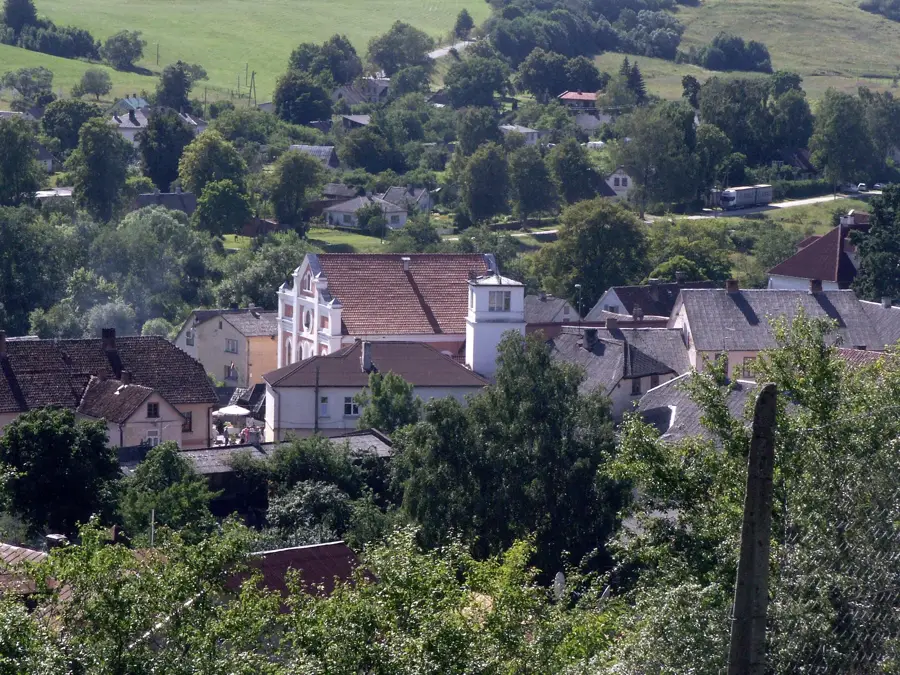
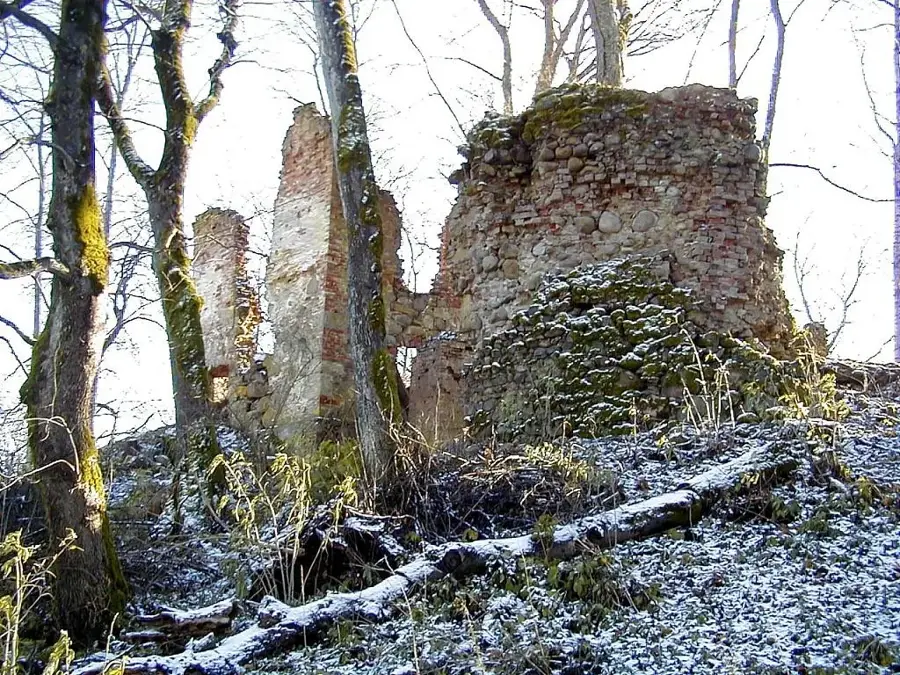
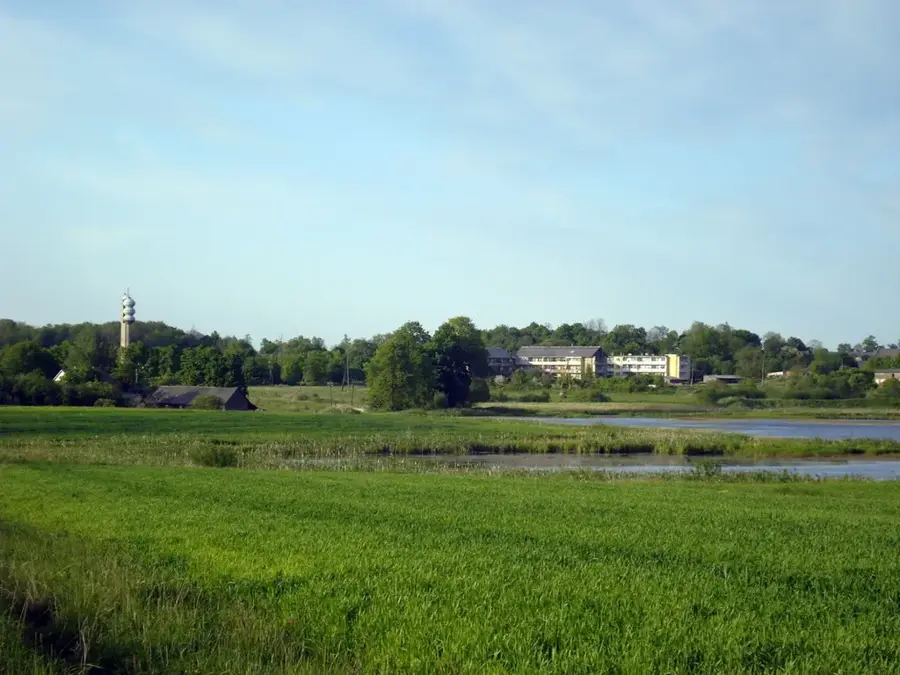
Embūte Valley, often called Embūtes senleja, is one of the deepest and most visually striking ancient glacial valleys in the Western Courland Highland of Latvia. Carved by powerful meltwater torrents at the end of the last ice age, the valley features a dramatic drop of over 60 meters from the surrounding hills to the valley floor. Nearby stands Krievukalns, the highest point in Courland at 190 meters, which further emphasizes the rugged topography of the area. The valley is characterized by steep slopes, deep ravines, and numerous freshwater springs that feed the Lankas stream. Botanically, the area is highly significant as its cool, humid ravines provide a sanctuary for rare plant species and bryophytes. Historically, Embūte is a site of great cultural importance, featuring the remains of an ancient Couronian hillfort and the ruins of a 13th-century Livonian Order castle. The tragic legend of Indulis and Ārija is deeply rooted in this landscape, making the valley a cultural landmark of Latvia. Today, the Embūte Valley is a protected nature reserve and a popular destination for hikers seeking both natural beauty and historical atmosphere.
- Location: Latvia
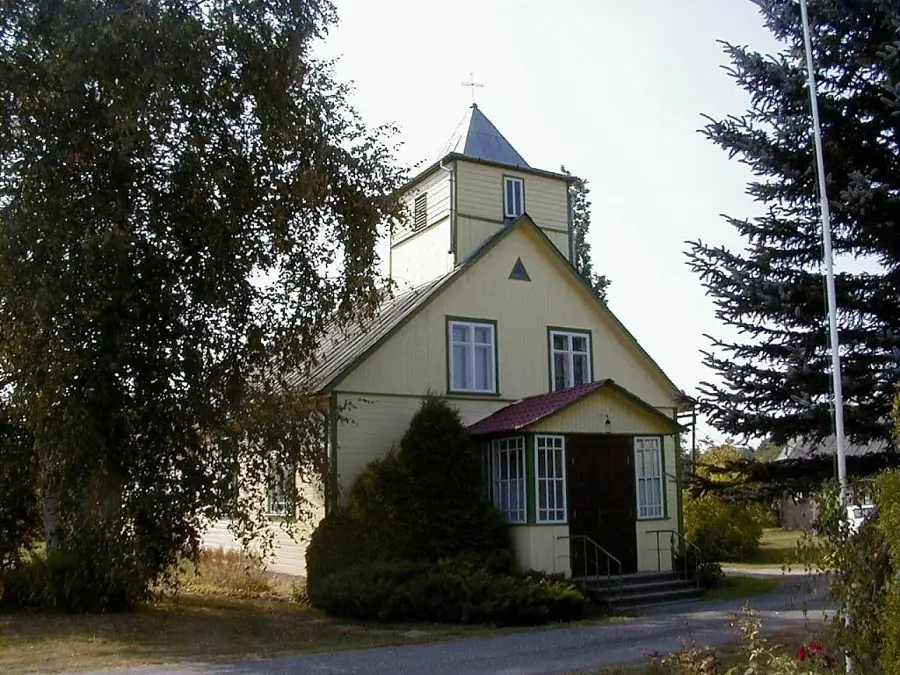
- Top sights: Embūtes viduslaiku pils pilsdrupas · Embūtes baznīca
- Nearby: Vaiņode (8 km)
Best time to visit & climate
The most pleasant time to visit is Jun–Aug.
| Jan | Feb | Mar | Apr | May | Jun | Jul | Aug | Sep | Oct | Nov | Dec | |
|---|---|---|---|---|---|---|---|---|---|---|---|---|
| Avg °C | -4 | -4 | 0 | 5 | 11 | 15 | 18 | 17 | 13 | 7 | 3 | -1 |
| Rain mm | 59 | 43 | 43 | 37 | 48 | 64 | 80 | 77 | 61 | 76 | 70 | 65 |
📋 Practical info
Geography
Facts
- The depth of the Embūte Valley reaches up to 70 meters in some areas.
- It is located next to Krievukalns, the highest peak in Courland (190m).
- The Lankas stream forms small waterfalls and rapids within the valley.
- The Livonian Order castle was built here in 1265 to control the valley.
- The Embūte nature reserve was officially established in 1977.
- The valley is known as the 'Little Switzerland of Courland' due to its terrain.
Explore nearby
Notable places around



Route planner — Car & Motorhome
Where do you start? We build the route here, with stops and country notes along the way.
© OpenStreetMap contributors · OpenRouteService
Sights in the town Embūte Valley (2)
Sights nearby
Frequently asked questions
What is the Embūte Valley?
Are there castle ruins there?
Who was Indulis?
Are there viewpoints there?
Is the valley suitable for hiking?
Embūte Valley: where is it located?
Embūte Valley: what is there to see?
Embūte Valley: when is the best time to visit?
Embūte Valley: why is it worth visiting?

Nearby cities