Plizio Visual Lab

Dune Nature Reserve
Plizio editorial teamData Sources
park
—°5
Dune Nature Reserve (Latvia)

Weather…

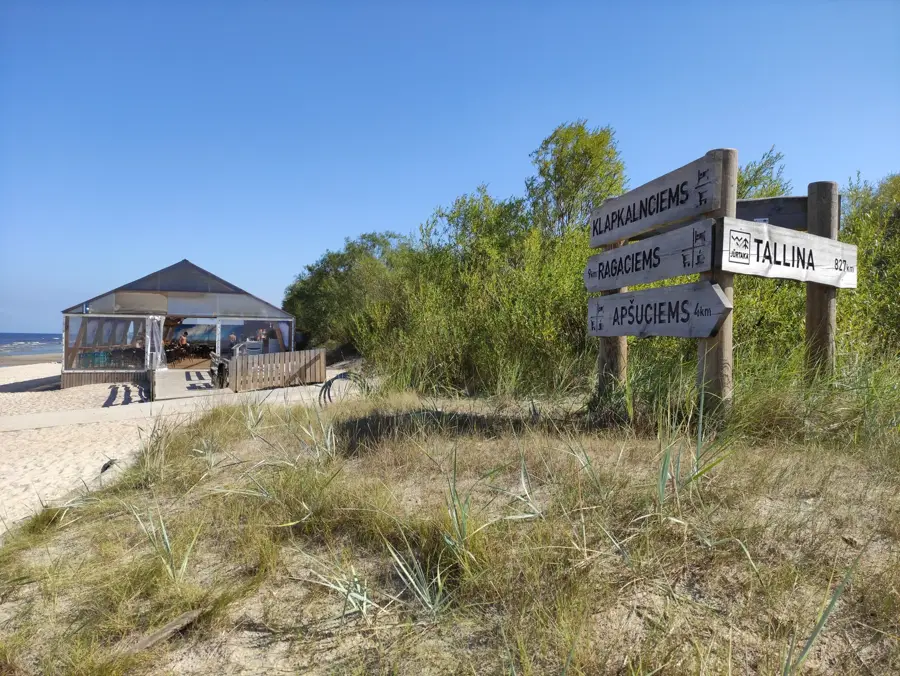
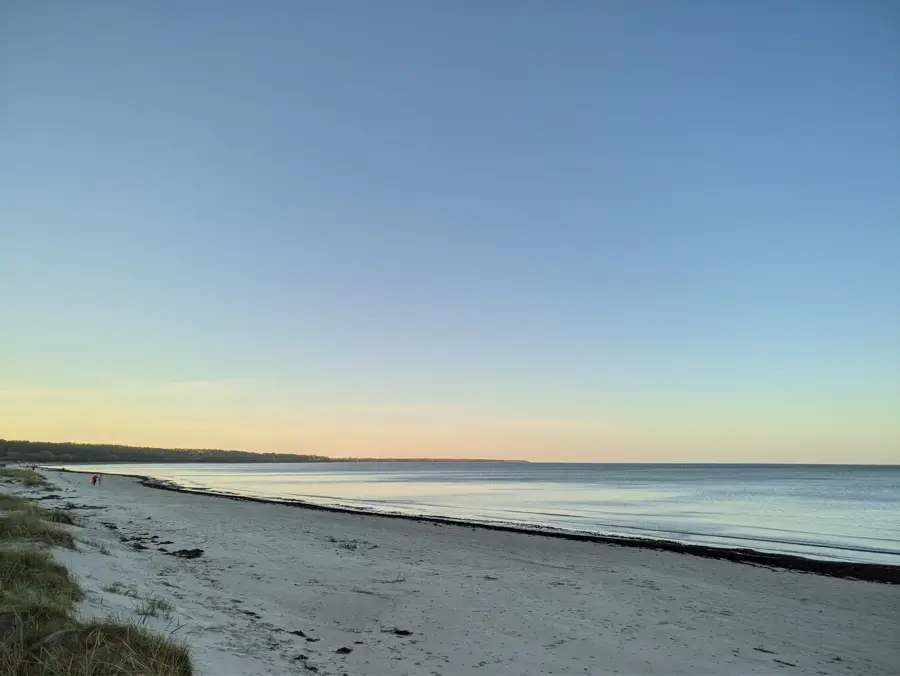
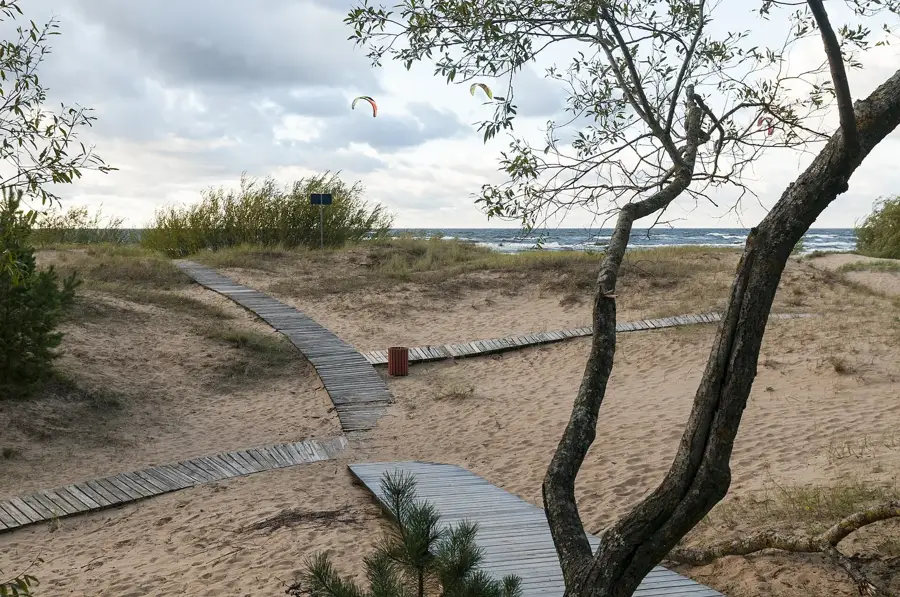
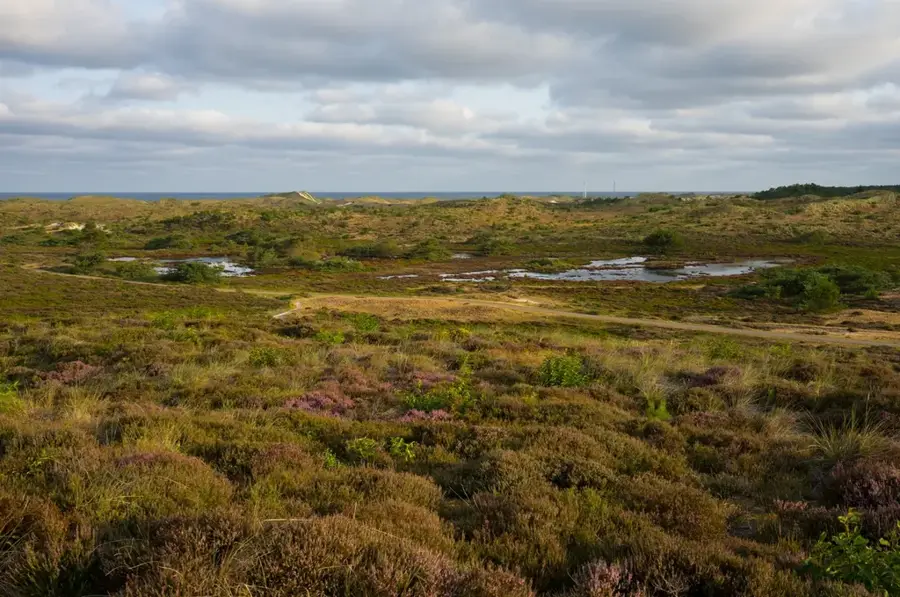
The Dune Nature Reserve in Saulkrasti is a vital coastal protected area on the Gulf of Riga, famous for its centerpiece, the White Dune (Baltā kāpa). This geological landmark was formed thousands of years ago through the interplay of wind and Baltic Sea currents, currently standing about 18 meters above sea level. The reserve protects a fragile ecosystem consisting of shifting sand dunes, coastal pine forests, and specialized flora adapted to saline winds and sandy soils. A well-maintained 'Sunset Trail' (Saulrieta taka) winds through the reserve, allowing visitors to witness the natural dynamics of coastal erosion and dune formation while preventing damage to the sensitive ground cover. The area is significant not only for biodiversity conservation but also as a prime location for environmental education and coastal recreation. The visual contrast between the bright sand, ancient gnarled pines, and the blue sea makes it one of Latvia's most photogenic natural sites. Historically, the White Dune has served as a prominent landmark for fishermen navigating the eastern coast of the Gulf of Riga.

Best time to visit & climate

The most pleasant time to visit is Jun–Aug.

JanFebMarAprMayJunJulAugSepOctNovDec
Avg °C-4-405111518181483-1
Rain mm524341434469727355716857

📋 Practical info

🧭
Getting there
This coastal protected area is usually accessible by leaving the main coastal highway and taking smaller side roads toward the sea. Visitors must typically park their vehicles inland and walk the final distance to the protected sensitive zones.
📅
Best season
The summer months offer the most pleasant weather to appreciate the coastal environment, though it is also the busiest time. Late spring and early autumn are excellent for those seeking solitude and mild conditions while observing coastal flora.
⛰️
Terrain & paths
The terrain consists exclusively of rolling sand dunes, delicate coastal vegetation patches, and the adjacent sandy beaches. Walking on the loose sand is physically demanding, and visitors are generally restricted to specifically marked paths.
🎒
What to bring
Light, comfortable walking shoes or sandals are typical, though barefoot walking on the beach sections is also popular. Sun protection, including hats and high-SPF lotion, is vital due to the high reflectivity of the white sand and lack of shade.
🅿️
Parking
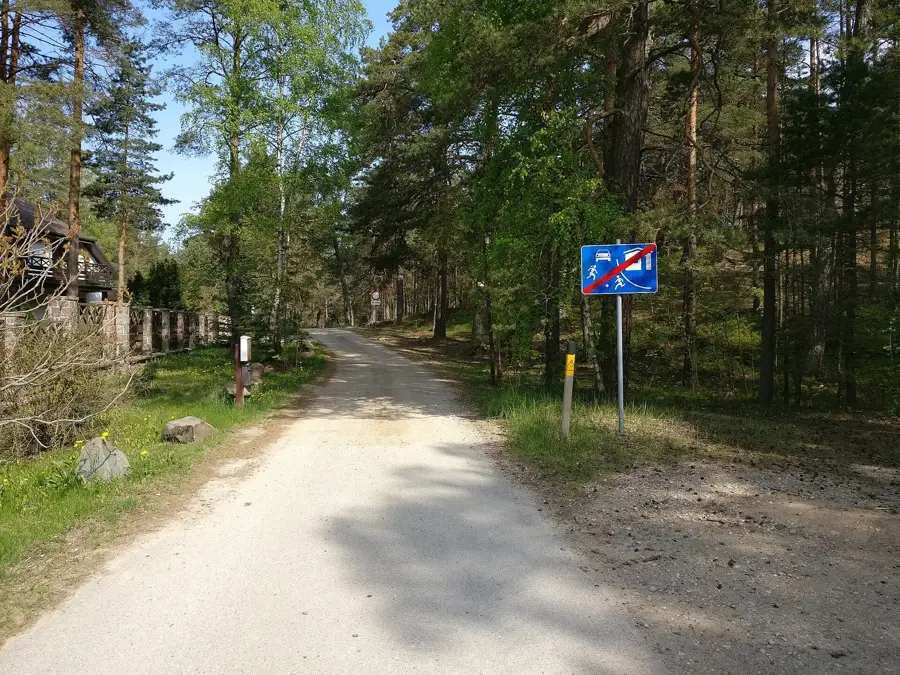
Designated parking lots are usually situated at a respectful distance from the fragile dune systems to prevent vehicle damage. From these lots, well-marked sandy trails typically lead visitors directly towards the coastal reserve and the beach.
⚠️
Safety
Visitors must strictly stay on designated paths to avoid trampling the highly sensitive and rare coastal plants holding the dunes together. Dehydration and sun exposure are common risks during summer, so carrying an adequate supply of water is essential.
⏱️
Time needed
A typical visit to explore the dune systems and walk along the pristine beach usually lasts around two to four hours. Many visitors choose to combine their nature walk with a longer relaxation period on the coast, extending their stay.

Geography

Coordinates
57.05000, 23.46660

Facts

  • The White Dune was formed by wind action between 400 and 7,000 years ago.
  • It is located at the point where the Inčupe River meets the Baltic Sea.
  • The dune's peak sits 18 meters above the average sea level.
  • The Sunset Trail is approximately 3.6 kilometers long and fully accessible.
  • Gnarled 'dancing' pines are a characteristic feature of the forest floor.
  • It is a popular filming location for Latvian cinema due to its beauty.

Explore nearby

Notable places around
Route planner — Car & Motorhome

Where do you start? We build the route here, with stops and country notes along the way.

Vehicle
Only stops with (optional):

© OpenStreetMap contributors · OpenRouteService

Sights in the town Dune Nature Reserve (5)

Ragaciema bāka📍 landmark

A lighthouse located on the Ragaciems cape, serving maritime navigation in the Gulf of Riga.

Ragaciema sedums🏛 museum

An open-air museum preserving traditional fishing huts and equipment in Ragaciems.

Ragaciema pludmale🎡 recreation

A sandy beach located along the coast within the Dune Nature Reserve.

Gausās jūdzes Aizraga pludmale🎡 recreation

A quiet beach area known for its natural dunes and coastal scenery.

Gausās jūdzes Kuplās priedes pludmale🎡 recreation

This natural beach is located within the Dune Nature Reserve, offering tranquility on the Latvian coast.

Sights nearby

Frequently asked questions

Where is the dune reserve located?
In Saulkrasti, along the coast of the Gulf of Riga.
What is the White Dune?
An 18-meter high sand formation with a view of the sea.
Is there a hiking trail?
Yes, the Sunset Trail is about 3.6 km long.
Is parking paid?
Parking directly at the White Dune is often paid.
Can you swim in the sea?
Yes, there are public sandy beaches below the dunes.
Dune Nature Reserve: where is it located?
Dune Nature Reserve is located in Latvia.
Dune Nature Reserve: what is there to see?
Highlights include Ragaciema bāka, Ragaciema sedums, Ragaciema pludmale.
Dune Nature Reserve: when is the best time to visit?
The most pleasant time to visit is Jun, Aug.
Dune Nature Reserve: why is it worth visiting?

The Dune Nature Reserve in Saulkrasti is a vital coastal protected area on the Gulf of Riga, famous for its centerpiece, the White Dune (Baltā kāpa).
View on map → The Top 50 Attractions → OpenStreetMap →
Europe
Explore with Plizio Discover more places in Europe
More places in Latvia →

Nearby cities

History & landmarks

More places