Plizio Visual Lab

Baltais Hill
Plizio editorial teamData Sources
Mountain
—°
Baltais Hill (Latvia)

Weather…

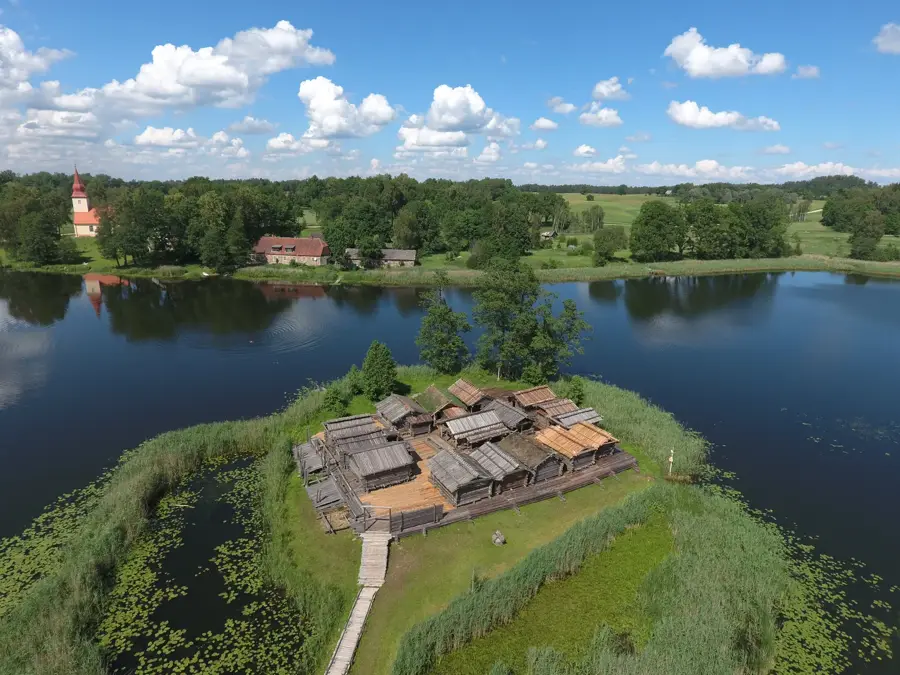
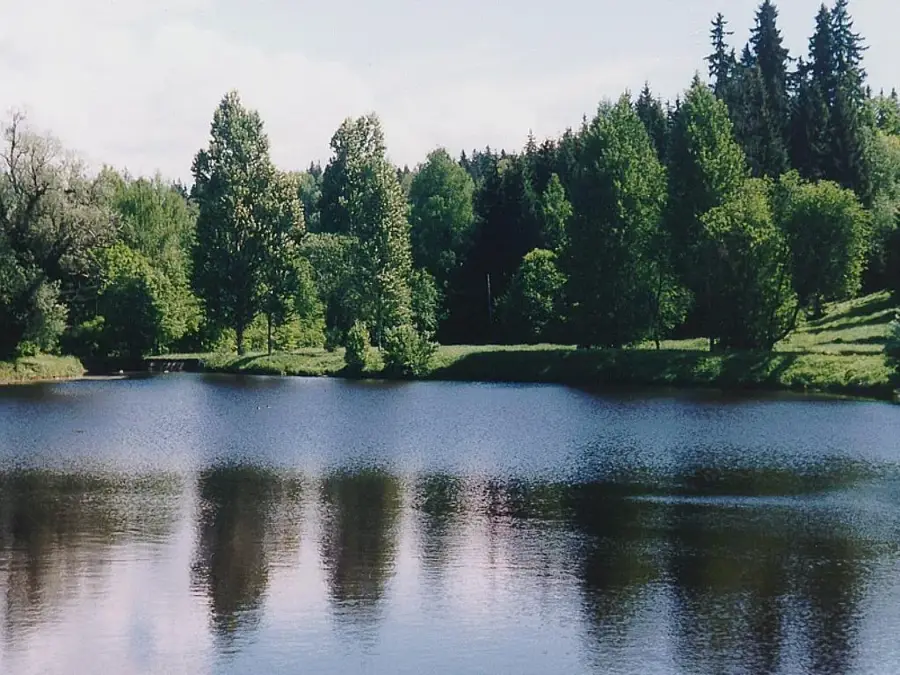
Baltais kalns (White Hill) is located in the Aglona region of southeastern Latvia and is a prominent feature of the Latgale Highland. With an absolute elevation of approximately 158 meters above sea level, it rises significantly above the surrounding terrain, offering panoramic views of the lake-rich landscape, particularly Lake Cirītis. Geomorphologically, it is a glacial formation created during the last Ice Age through the accumulation of morainic deposits. The hill's name originates from the light-colored sand and quartz deposits found in the upper soil layers, which give the surface a distinct whitish hue. Historically, the site served as a natural lookout point and holds a significant place in the local folklore and traditions of the Latgale region. Today, the area is noted for its botanical diversity and serves as a destination for ecological tourism near the Aglona Basilica. Scientific studies of its soil structure provide valuable insights into the retreat dynamics of the Scandinavian ice sheet within the Baltic territory.

Best time to visit & climate

The most pleasant time to visit is Jun–Aug.

JanFebMarAprMayJunJulAugSepOctNovDec
Avg °C-7-6-25111518161251-4
Rain mm574847506390929064807360

📋 Practical info

🧭
Getting there
Situated near the scenic Gauja river corridor in central Latvia, this location is commonly reached by driving along the regional roads passing through the Gauja National Park area. Short, signposted detours often lead visitors directly toward the base of the prominent elevation.
📅
Best season
The extended summer months are excellent for dry, safe footing along the slightly sandy trails covering the hill. Springtime is also particularly attractive, as the surrounding Gauja river valley bursts into bustling green life around the distinctive geological formation.
⛰️
Terrain & paths
The terrain is a highly characteristic mix of natural forest dirt and soft, exposed sandstone material shaped by ancient geological forces. Trails ascending the feature can occasionally be steep and loose due to the underlying sandy composition of the moraine layers.
🎒
What to bring
Footwear with excellent, aggressive traction is absolutely essential to prevent slipping backward on the loose, sandy sections of the incline. Bringing trekking poles can significantly assist with balance during both the uphill climb and the potentially tricky descent.
🅿️
Parking
Visitors can usually take advantage of the established parking infrastructure located within the broader Gauja National Park boundaries. From these designated official lots, a clearly marked network of nature trails will guide you toward the base of the specific hill.
⚠️
Safety
The primary hazard comes from the easily eroded sandstone edges, which can unexpectedly crumble if stood upon directly. It is absolutely vital to stick strictly to the established paths, refrain from climbing on delicate rock faces, and supervise children closely.
⏱️
Time needed
Integrating a hike up this specific elevation into a broader visit to the Gauja river valley typically requires roughly an hour of walking. Many visitors naturally expand this into a half-day activity by exploring the interconnected nearby caves, cliffs, and riverside tracks.

Geography

Coordinates
57.10000, 25.40000

Facts

  • The hill reaches an absolute height of approximately 158 meters.
  • It is geologically part of the Latgale Highland (Latgales augstiene).
  • The name 'Baltais' refers to the light-colored quartz sand in the soil.
  • The summit offers views of Lake Cirītis, located 1.5 km away.
  • The formation was created roughly 12,000 years ago by glacial processes.
  • It is situated in the Preiļi District, close to the town of Aglona.

Explore nearby

Notable places around

Route planner — Car & Motorhome

Where do you start? We build the route here, with stops and country notes along the way.

Vehicle
Only stops with (optional):

© OpenStreetMap contributors · OpenRouteService

Sights nearby

Frequently asked questions

Why is the hill called Baltais Hill?
'Baltais' means 'white' in Latvian, often referring to light sand or soil.
What can you see there?
Typical Latvian forest landscapes and wide views over the region.
Are there picnic areas available?
Near marked hiking trails, there are often simple benches and resting spots.
How do you reach Baltais Hill?
Best by car via local roads, followed by a short hike.
Are there wild animals there?
Yes, with some luck, you can see deer, hares, or various forest birds.
Baltais Hill: where is it located?
Baltais Hill is located in Latvia.
Baltais Hill: when is the best time to visit?
The most pleasant time to visit is Jun, Aug.
Baltais Hill: why is it worth visiting?

Baltais kalns (White Hill) is located in the Aglona region of southeastern Latvia and is a prominent feature of the Latgale Highland.
View on map → The Top 50 Attractions → OpenStreetMap →
Europe
Explore with Plizio Discover more places in Europe
More places in Latvia →

Nearby cities

History & landmarks

More places