Plizio Visual Lab

Kuwait National Museum

Plizio editorial teamData Sources
tourist-attraction
—°3
Kuwait National Museum (Kuwait)

Weather…

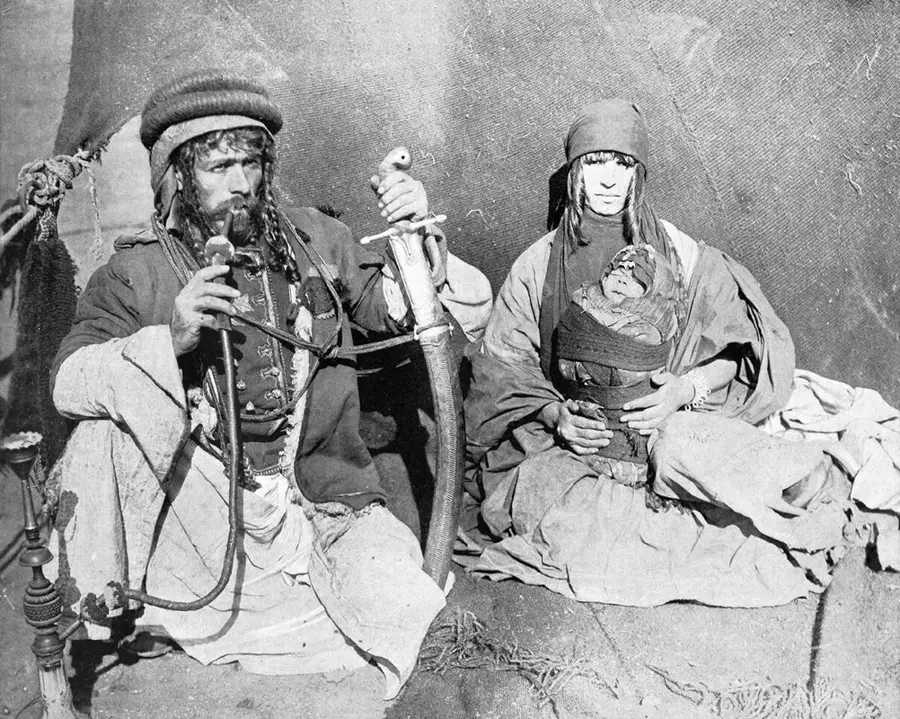
The Kuwait National Museum is the nation's premier cultural institution, preserving the rich history and artistic heritage of the emirate. Designed by the French architect Michel Écochard, the museum complex was officially inaugurated in 1983. It consists of four distinct buildings interconnected by covered walkways, creating a layout that reflects both modern architectural principles and traditional spatial concepts. The museum was originally the home of the world-renowned Al-Sabah Collection, one of the most comprehensive and significant collections of Islamic art globally. During the 1990 Iraqi invasion, the facility was looted and set on fire, leading to the loss or displacement of numerous priceless artifacts. Following extensive restoration, the museum now features exhibits on the archaeology of Failaka Island, traditional Bedouin life, and the development of modern Kuwait. The complex also houses a state-of-the-art planetarium and a dedicated center for heritage preservation.

Best time to visit & climate

The most pleasant time to visit is Mar, Apr, Nov.

JanFebMarAprMayJunJulAugSepOctNovDec
Avg °C141520253135373734292116
Rain mm1284710000168

📋 Practical info

🚪
Visiting
The museum complex is open to the public, offering comprehensive indoor exhibits that trace the nation's development from antiquity to the modern era. Visitors can freely explore various curated galleries detailing local heritage and archaeological discoveries.
🕒
Typical hours
Operating hours generally follow standard museum schedules in the region, typically opening in the morning and closing by early evening, with a possible extended break during the afternoon. It is customary for the facility to be closed on specific public holidays or religious days.
📷
Photography
Photography for personal use is usually permitted in the main public halls and general exhibition areas, capturing the impressive architectural elements. However, taking photos or videos of specific historical artifacts or temporary exhibits may be strictly restricted.
⏱️
Time needed
You should allocate approximately two to three hours to thoroughly appreciate the wide array of historical artifacts, cultural displays, and the heritage village recreation. The complex layout means a rushed visit might skip significant portions of the collection.
Combine with
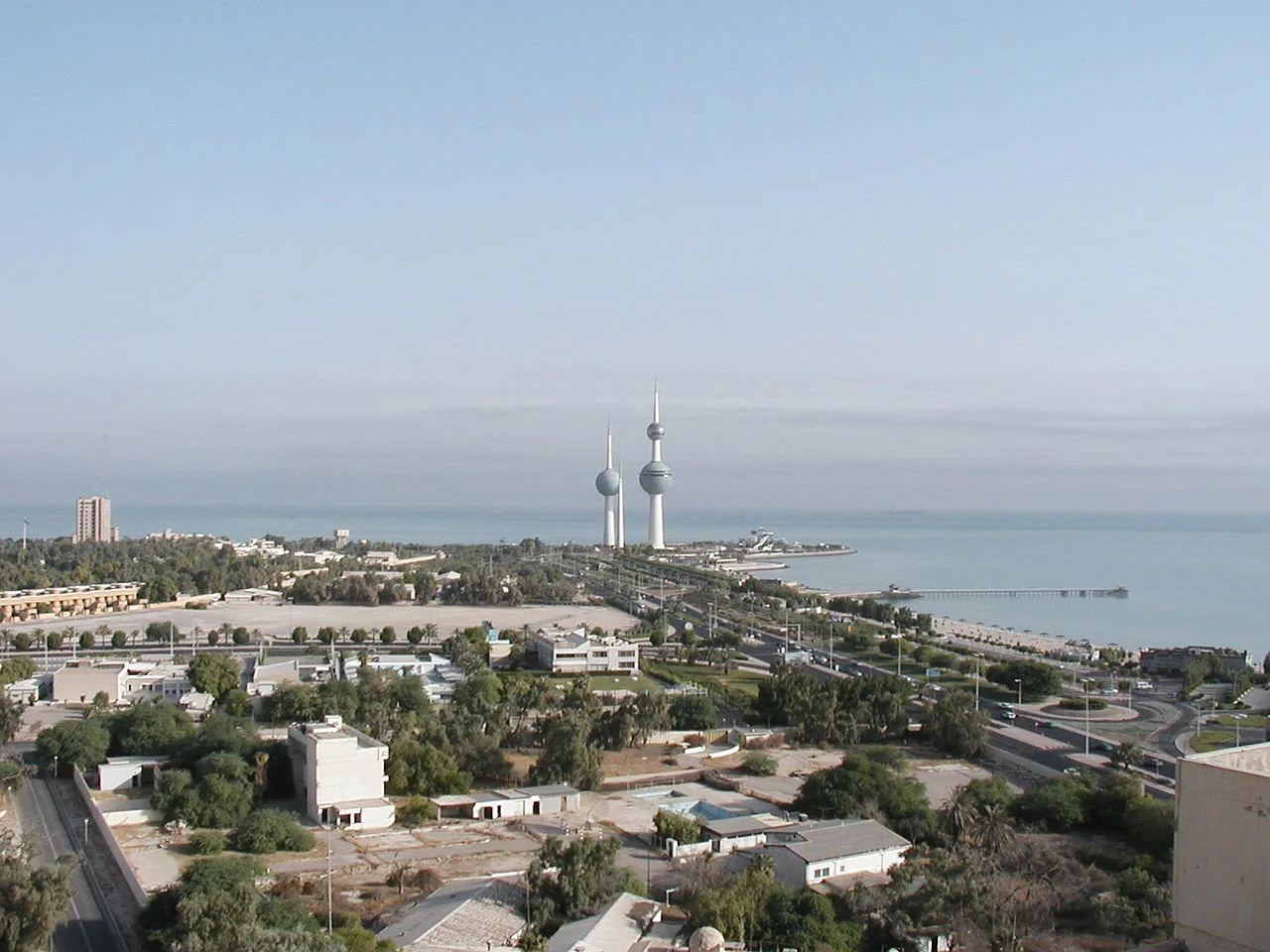
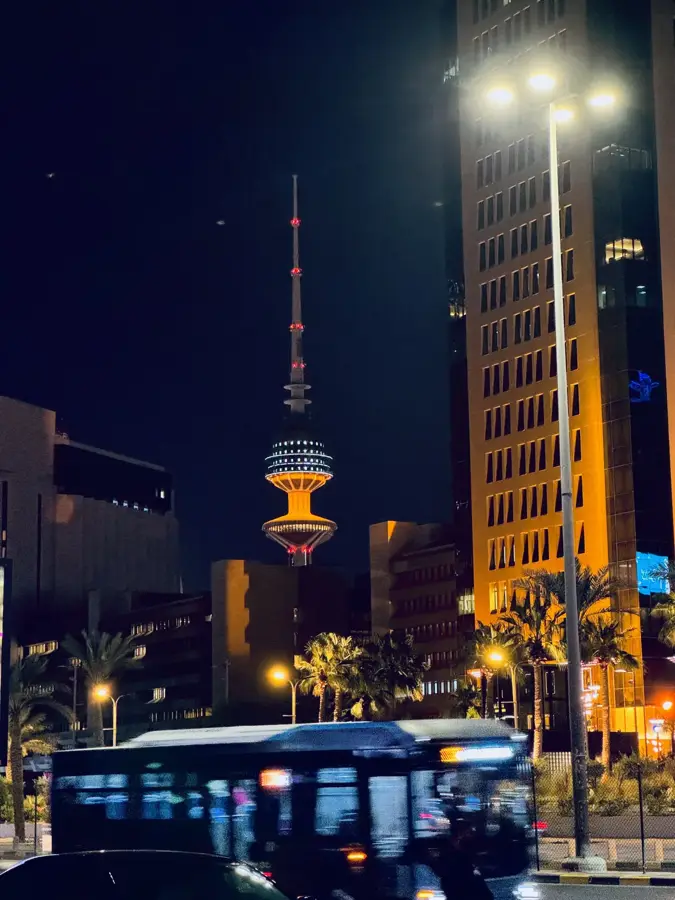
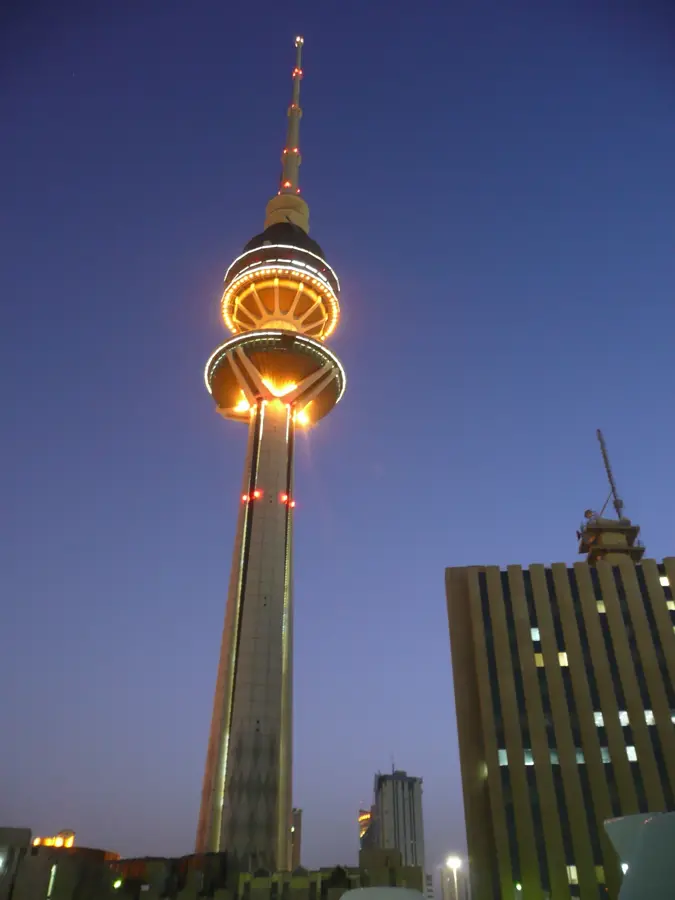
The museum's central location makes it exceptionally easy to pair with a walking tour of the nearby traditional souqs or a scenic stroll along the pretty coastal corniche. The iconic Kuwait Towers are also located within a reasonable driving distance.
🧭
Getting there
Located prominently in the capital city district, the institution is highly accessible via local taxi services, ride-hailing networks, and organized tour vehicles. There are typically designated parking zones nearby for visitors preferring to arrive by private car.
💡
Insider tip
The air conditioning inside the museum halls can be notably strong to protect the delicate artifacts, so carrying a light sweater or long-sleeved shirt is highly recommended for comfort. Don't miss the impressive planetarium shows often included with the visit.

Geography

Coordinates
29.37190, 47.96580

Facts

  • The museum's architecture was designed by the French architect Michel Écochard.
  • It was officially opened to the public on February 23, 1983.
  • The Al-Sabah Collection contained over 20,000 pieces of Islamic art before 1990.
  • The museum was systematically looted and burned during the Iraqi occupation.
  • Artifacts on display include items from Failaka Island dating back to the Bronze Age.
  • The on-site planetarium was the first of its kind in the Gulf region.

Explore nearby

Notable places around

Route planner — Car & Motorhome

Where do you start? We build the route here, with stops and country notes along the way.

Vehicle
Only stops with (optional):

© OpenStreetMap contributors · OpenRouteService

Sights in the town Kuwait National Museum (3)

Kuwait National Museum🏛 museum

The museum houses archaeological finds from Failaka Island and displays traditional Kuwaiti handicrafts.

Sadu House📍 landmark

This traditional house is dedicated to preserving the art of Bedouin weaving and Sadu motifs.

Al Bahhar Entertainment Historical Village📍 landmark

A reconstructed seaside village offering insights into traditional Kuwaiti life and maritime history.

🕒 Mo-Su 10:00-21:00

Sights nearby

Frequently asked questions

What can you see at the National Museum?
Archaeological finds, traditional Kuwaiti life, and a planetarium.
Is there an entry fee for the National Museum?
No, admission is free for all visitors.
Where is the museum located?
On Arabian Gulf Street, near Sadu House.
Are the exhibits in English?
Yes, most descriptions are available in both Arabic and English.
Is there a cafe on site?
There are some cafes nearby, but no major restaurant inside the museum.
Kuwait National Museum: where is it located?
Kuwait National Museum is located in Kuwait.
Kuwait National Museum: what is there to see?
Highlights include Kuwait National Museum, Sadu House, Al Bahhar Entertainment Historical Village.
Kuwait National Museum: when is the best time to visit?
The most pleasant time to visit is Mar, Apr, Nov.
Kuwait National Museum: why is it worth visiting?

The Kuwait National Museum is the nation's premier cultural institution, preserving the rich history and artistic heritage of the emirate.
View on map → The Top 50 Attractions → OpenStreetMap →
Asia
Explore with Plizio Discover more places in Asia
More places in Kuwait →

Nearby cities

History & landmarks
More places