Plizio Visual Lab

Zhongar-Alatau National Park
Plizio editorial teamData Sources
park
—°
Zhongar-Alatau National Park (Kazakhstan)

Weather…

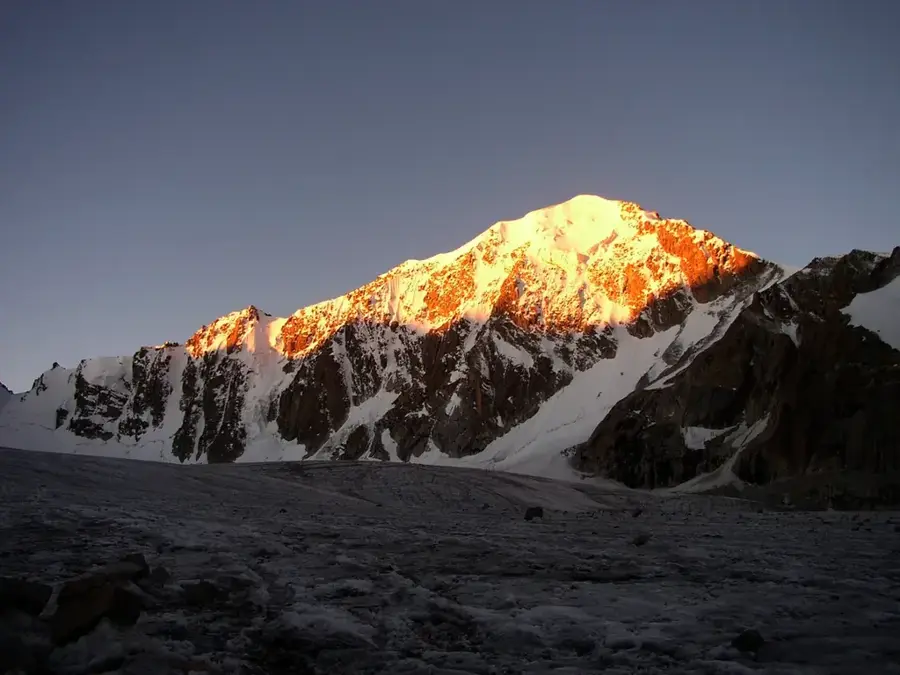
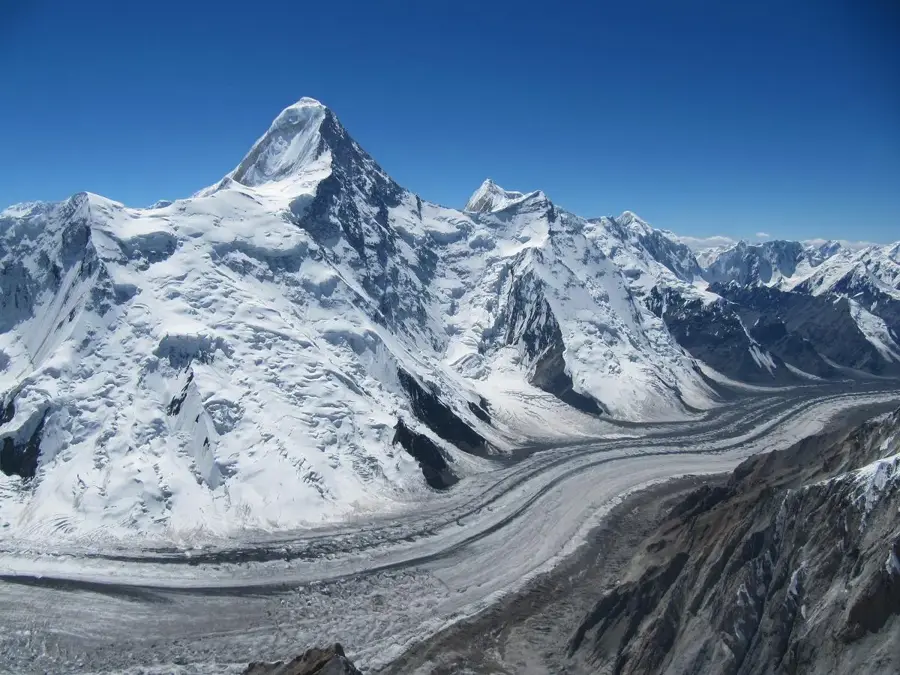
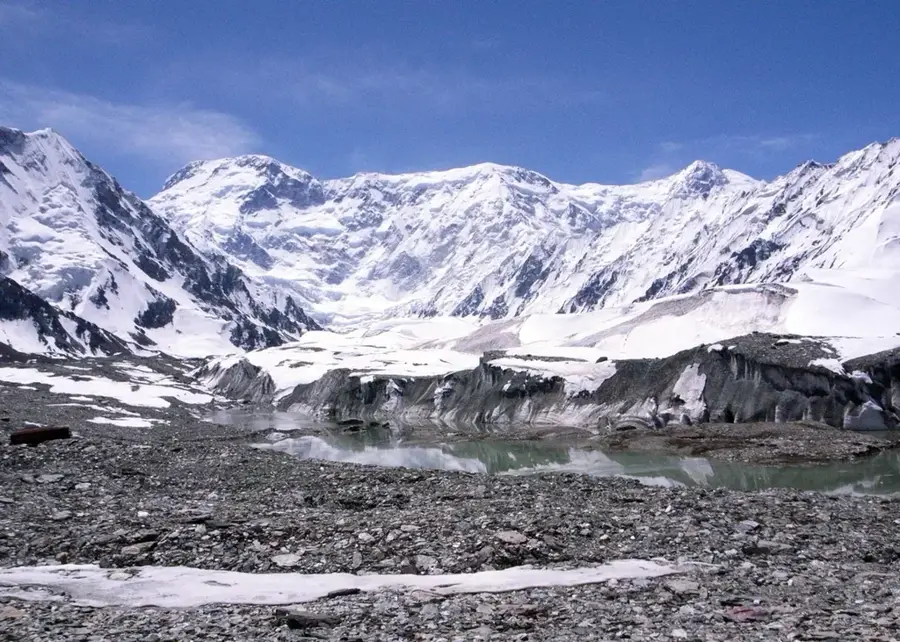
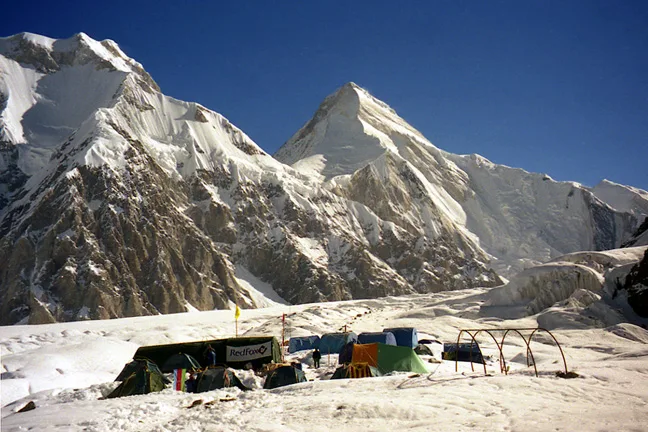
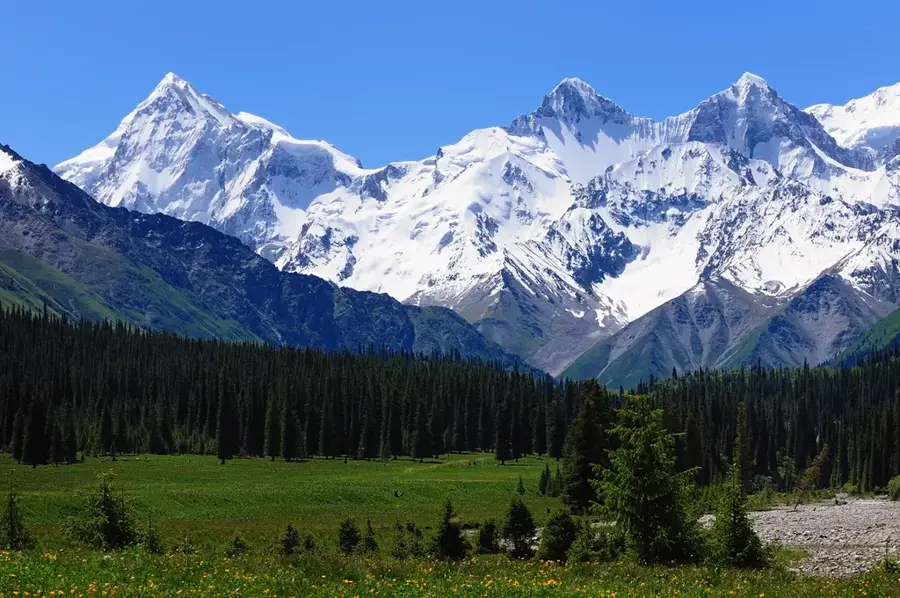
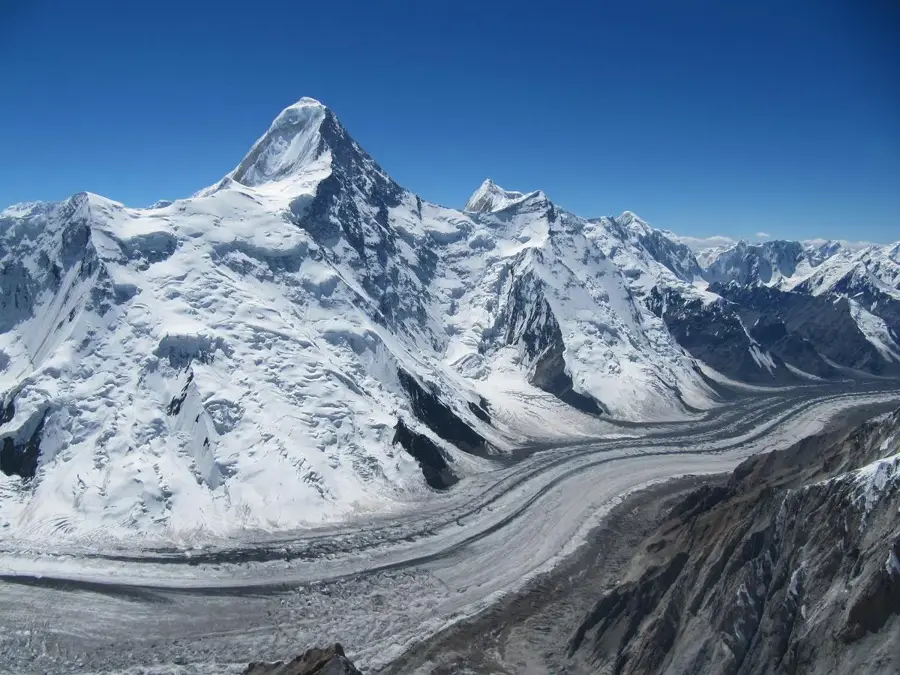
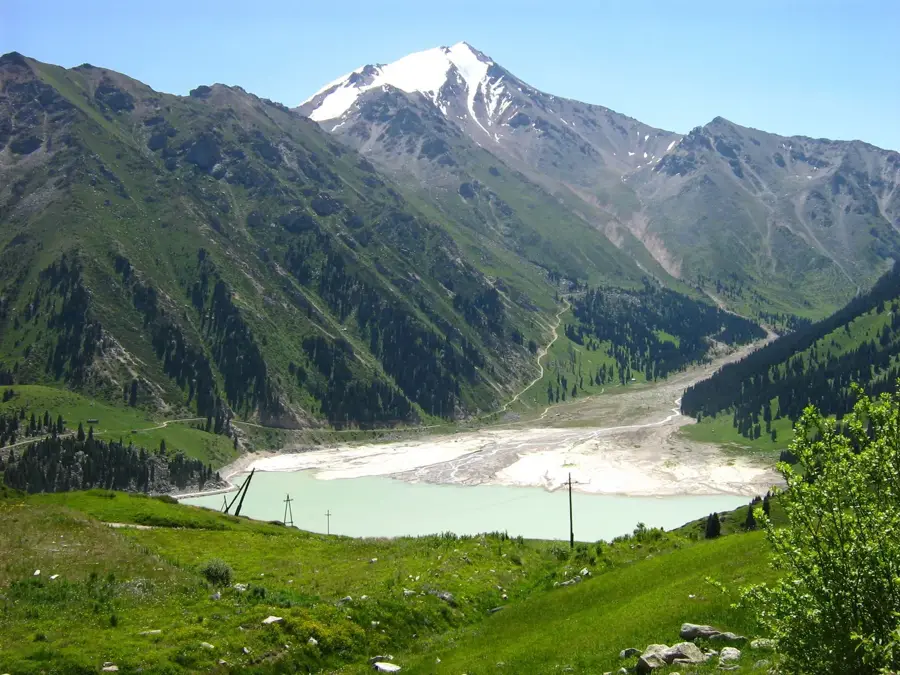
Zhongar-Alatau National Park was established in 2010 in the Zhetysu Region of southeastern Kazakhstan to protect the unique ecosystems of the Dzungarian Alatau. Covering an area of approximately 3,560 square kilometers, the park stretches along the border with China. A standout feature is the protection of Malus sieversii, the wild apple tree considered the genetic ancestor of nearly all cultivated apple varieties worldwide. The landscape is characterized by snow-capped peaks, glaciers, and dense coniferous and deciduous forests. The highest point of the range, Semyonov-Tyan-Shansky Peak, reaches 4,622 meters. The park provides a habitat for numerous rare animals, such as the snow leopard, Siberian ibex, and golden eagle. Beyond its ecological significance, the region is known for its pristine nature and spectacular views of the Central Asian high mountains.

Best time to visit & climate

The most pleasant time to visit is Jun–Aug.

JanFebMarAprMayJunJulAugSepOctNovDec
Avg °C-15-14-804911105-1-8-14
Rain mm172022373849452821283020

📋 Practical info

🧭
Getting there
The national park is located in southeastern Kazakhstan and is typically accessed from Taldykorgan via Zhansugirov, with the final leg involving unpaved gravel tracks. A 4WD vehicle is essential for reaching the park gates and navigating the interior tracks, as paved roads do not extend into the core protected areas of the mountains.
📅
Best season
The most spectacular time to visit is in May for the wild apple blossoms, or in late August and September when the fruit ripens across the slopes. Hiking is feasible from late spring through early autumn, but during the winter months, heavy snow often completely blocks access to the higher elevations of the Zhongar-Alatau range.
⛰️
Terrain & paths
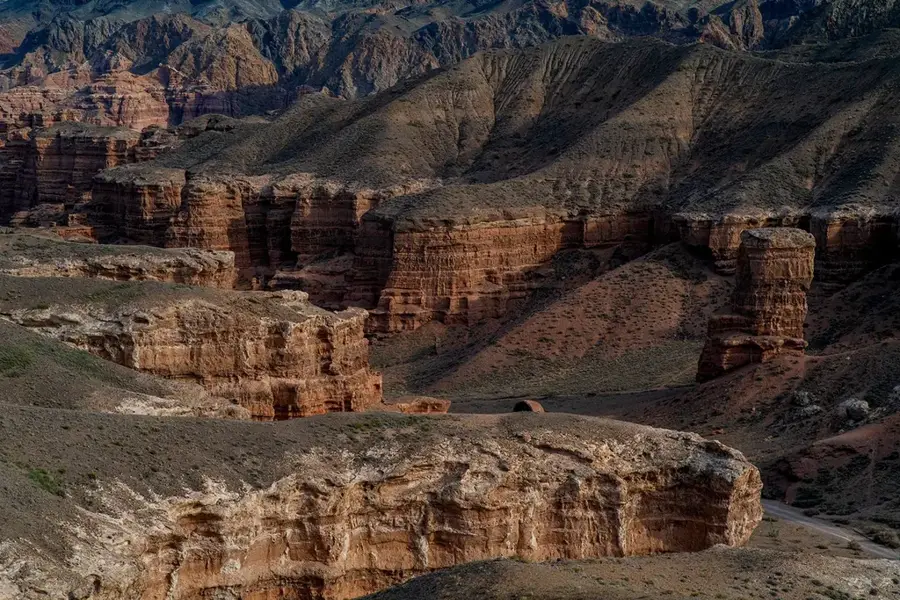
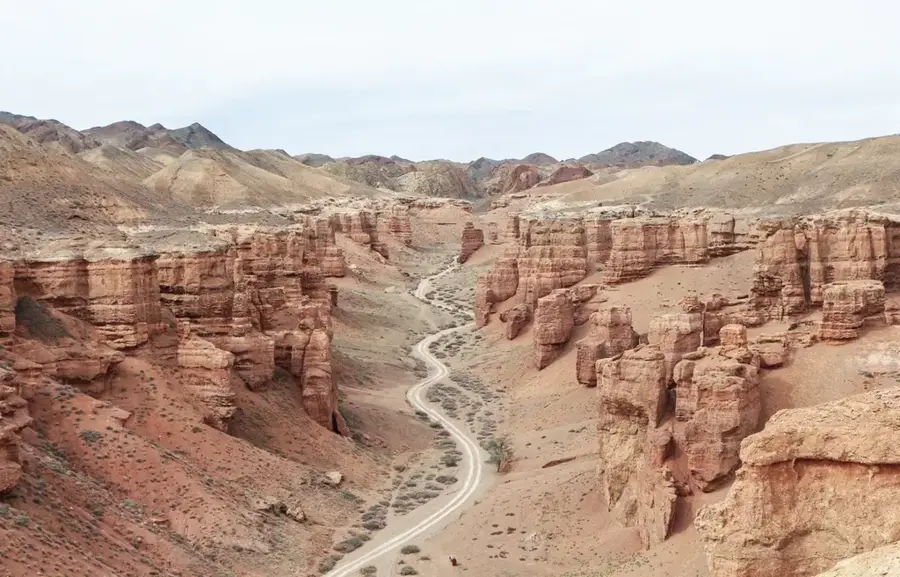
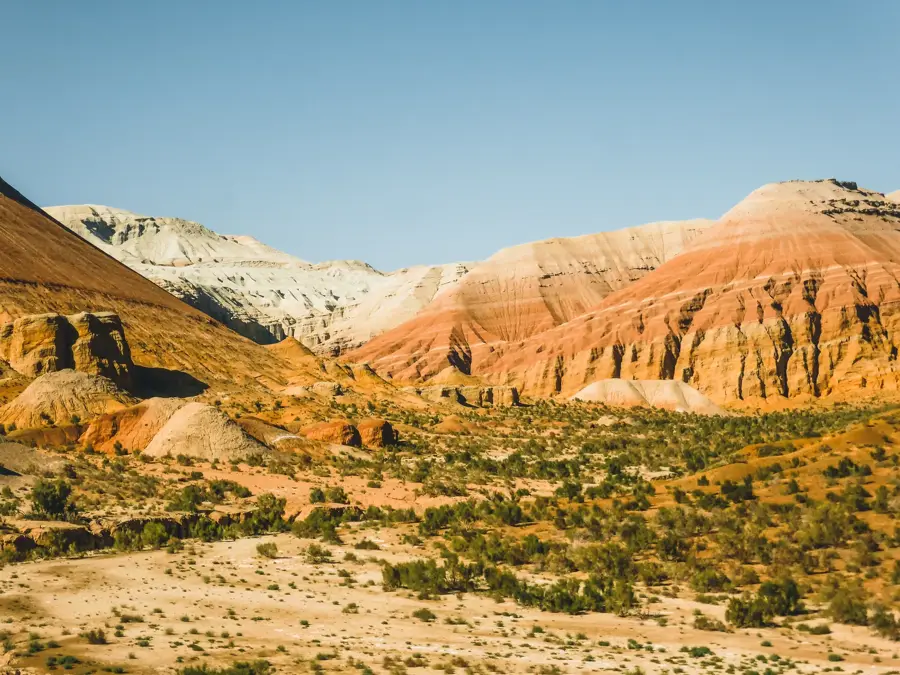
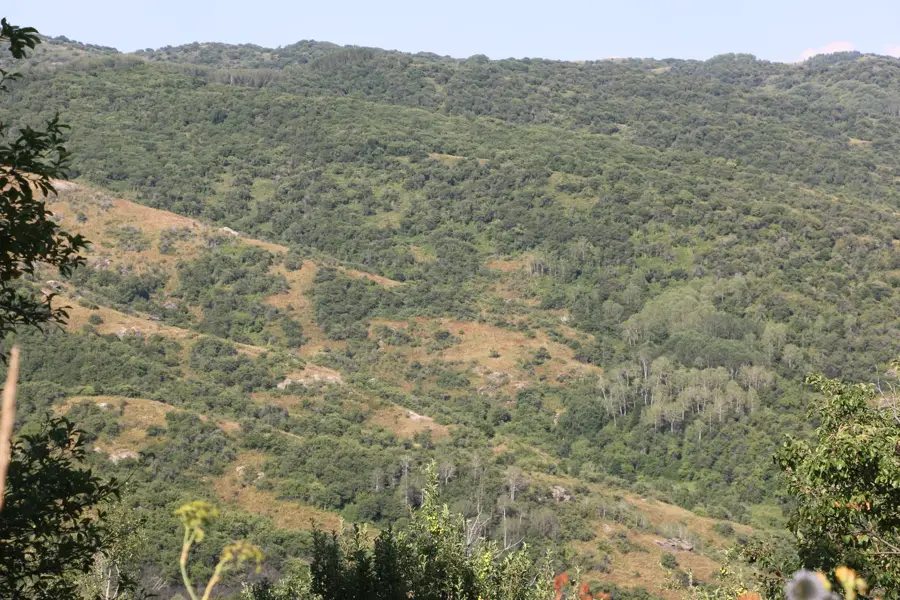
The terrain varies from rolling foothills covered in wild apple forests to rugged high-mountain landscapes with alpine meadows and deep river valleys. Hiking trails can be steep and rocky in the upper sections, but the lower elevations offer more pleasant paths through the world-unique stands of genetically pure wild fruit trees.
🎒
What to bring
Sturdy hiking boots are essential for the mountainous terrain, along with sun protection and plenty of water for longer treks in the summer heat. Botany enthusiasts should bring a magnifying glass and field guides to closely study the incredible variety of wild plants and the different apple species found within the park.
🅿️
Parking
Parking is available at the official park entrances or at base camps and guesthouses in the surrounding villages such as Sarkand or Lepsy. For those planning to camp, vehicles can often be left in designated areas near park ranger stations to ensure their security while visitors explore the more remote interior on foot.
⚠️
Safety
A key safety concern is the risk of tick-borne encephalitis, so wearing protective clothing and checking for ticks after hiking is strongly advised. As the park is very remote with minimal cell coverage, you should always register your itinerary and be prepared for the rapid weather changes typical of high mountain ranges.
⏱️
Time needed
A stay of at least 2 to 3 days is recommended to properly explore the various valleys and the unique wild apple forests without rushing. For ambitious hikers and nature lovers, the park provides enough interesting sites to fill an entire week, especially if you plan to visit the higher alpine meadows and remote lakes.

Geography

Coordinates
45.05000, 80.38330

Facts

  • Protects the Sievers wild apple.
  • Established in 2010.
  • Preserves unique alpine flora.
  • Crucial for genetic research.

Explore nearby

Notable places around

Route planner — Car & Motorhome

Where do you start? We build the route here, with stops and country notes along the way.

Vehicle
Only stops with (optional):

© OpenStreetMap contributors · OpenRouteService

Sights nearby

Frequently asked questions

What is Zhongar-Alatau National Park known for?
It is home to the wild Sievers apple trees, the ancestors of all domestic apples.
What is the terrain like?
Very mountainous with deep gorges, rushing rivers, and glaciers.
Is the park developed for tourism?
Very little; it is a destination for adventurers and experienced mountain hikers.
Is a visa or permit required?
Yes, due to the proximity to the Chinese border, a border permit is mandatory.
Are there archaeological sites there?
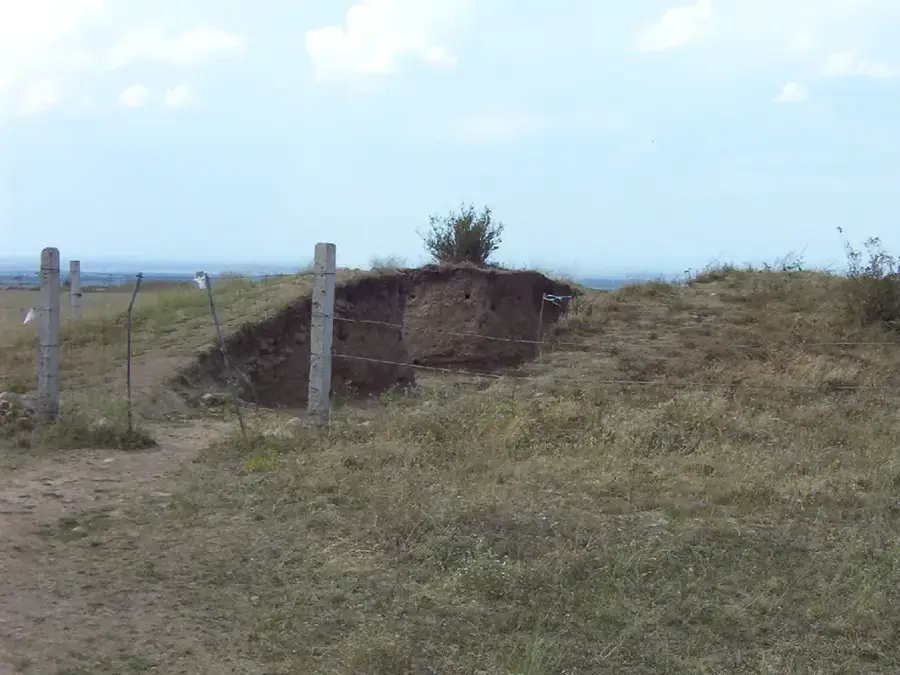
Yes, there are numerous petroglyphs and burial mounds (kurgans) in the region.
Zhongar-Alatau National Park: where is it located?
Zhongar-Alatau National Park is located in Kazakhstan.
Zhongar-Alatau National Park: when is the best time to visit?
The most pleasant time to visit is Jun, Aug.
Zhongar-Alatau National Park: why is it worth visiting?

Zhongar-Alatau National Park was established in 2010 in the Zhetysu Region of southeastern Kazakhstan to protect the unique ecosystems of the Dzungarian Alatau.
View on map → The Top 50 Attractions → OpenStreetMap →
Asia
Explore with Plizio Discover more places in Asia
More places in Kazakhstan →

Nature

More places