Plizio Visual Lab

Madaba Map
Plizio editorial teamData Sources
historical-site
—°8
Madaba Map (Jordan)

Weather…

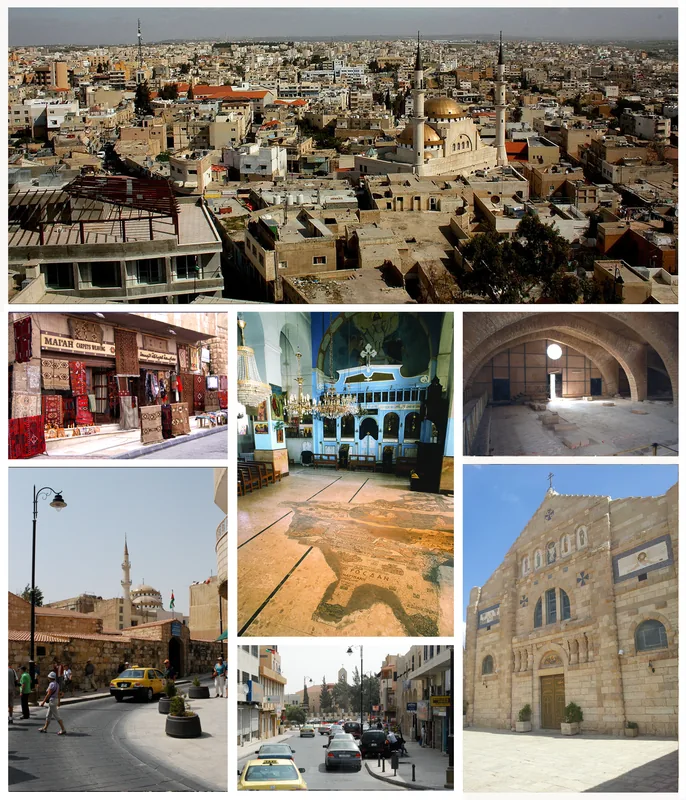
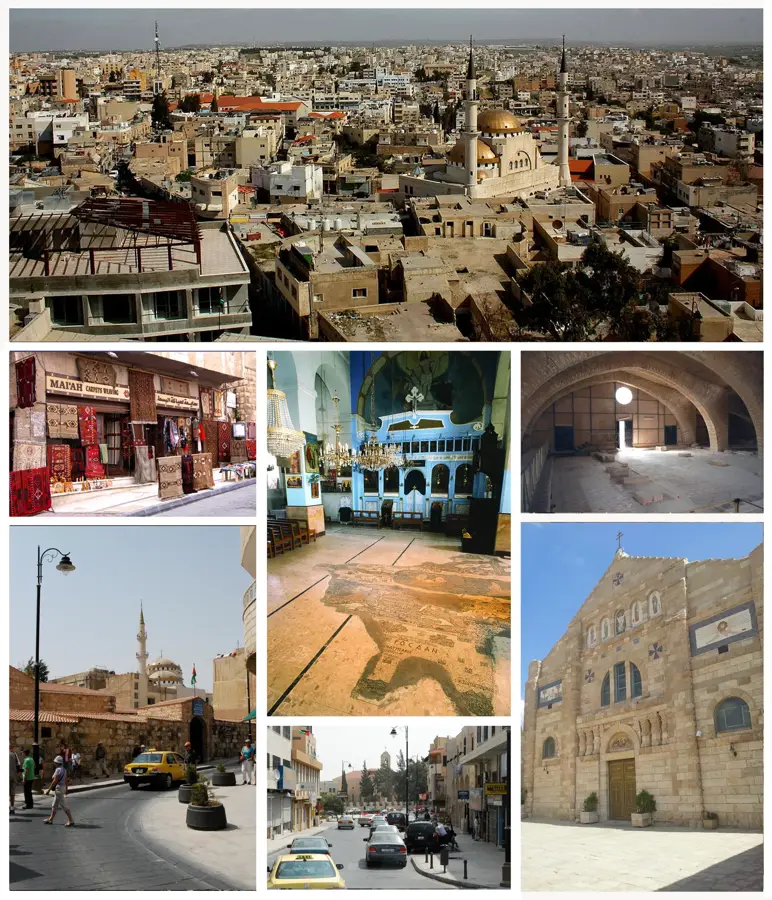
The Madaba Map is the oldest surviving cartographic depiction of the Holy Land, representing a priceless masterpiece of Byzantine art and geography. Located on the floor of the Greek Orthodox Church of St. George in Madaba, the mosaic dates back to the 6th century AD. It provides a highly detailed geographical rendering of the region, stretching from Lower Egypt to Lebanon, with a prominent and meticulously detailed bird's-eye view of Jerusalem at its center. The map is uniquely oriented toward the east and features numerous Greek labels for cities, along with illustrations of palm trees, boats on the Dead Sea, and desert wildlife. Originally measuring approximately 21 by 7 meters, only about a quarter of the mosaic has survived to the present day. Despite its fragmentary state, it has provided vital clues for archaeologists in identifying ancient biblical sites, such as the Nea Church in Jerusalem. Madaba remains the premier center for mosaic studies and restoration in the Middle East.

Best time to visit & climate

The most pleasant time to visit is May, Sep, Oct.

JanFebMarAprMayJunJulAugSepOctNovDec
Avg °C891317222527272521149
Rain mm35331893001141324

📋 Practical info

🚪
Visiting
The historic 6th-century floor mosaic can be viewed inside St. George's Church during regular visiting hours for the site. Visitors are entering an active religious and historical space when examining the cartographic depiction.
🕒
Typical hours
The church is generally open to visitors during the daytime, but typically remains closed to tourists or has restricted access during regular worship services. It is best to avoid Sunday mornings and major Christian holidays.
📷
Photography
Photographing the surviving mosaic is normally permitted, though the use of flash should be avoided to help preserve the ancient materials. Using large tripods is usually discouraged due to the relatively confined space inside the church.
⏱️
Time needed
To carefully view the intricate cartographic details of the Holy Land and take a short walk around the church interior, 20 to 40 minutes are usually sufficient. It is highly recommended to read a bit about the depicted locations beforehand.
Combine with
A visit to St. George's Church can be easily integrated into a walking tour of the town's other historical and archaeological sites. Exploring the surrounding local markets provides a lively contrast to the quiet religious atmosphere.
🧭
Getting there
The church housing the mosaic is typically located centrally within the urban area and is well signposted for pedestrians exploring the historical quarter. Those arriving by car will often need to look for a suitable parking spot in the nearby streets.
💡
Insider tip
Since the mosaic is only partially exposed and heavily protected by barriers, it is best to find a good vantage point along the edges. Modest clothing covering shoulders and knees is generally required when entering any functioning church in the region.

Geography

Coordinates
31.71690, 35.79340

Facts

  • The mosaic was created around 542 AD during the reign of Justinian.
  • It was rediscovered in 1884 during the construction of a new church.
  • The original map measured approximately 21 meters by 7 meters.
  • It features over 150 Greek captions identifying biblical locations.
  • Archaeologists used the map to locate the ruins of the Nea Church in 1970.
  • An estimated two million individual stone cubes (tesserae) were used in its creation.

Explore nearby

Notable places around

Route planner — Car & Motorhome

Where do you start? We build the route here, with stops and country notes along the way.

Vehicle
Only stops with (optional):

© OpenStreetMap contributors · OpenRouteService

Sights in the town Madaba Map (8)

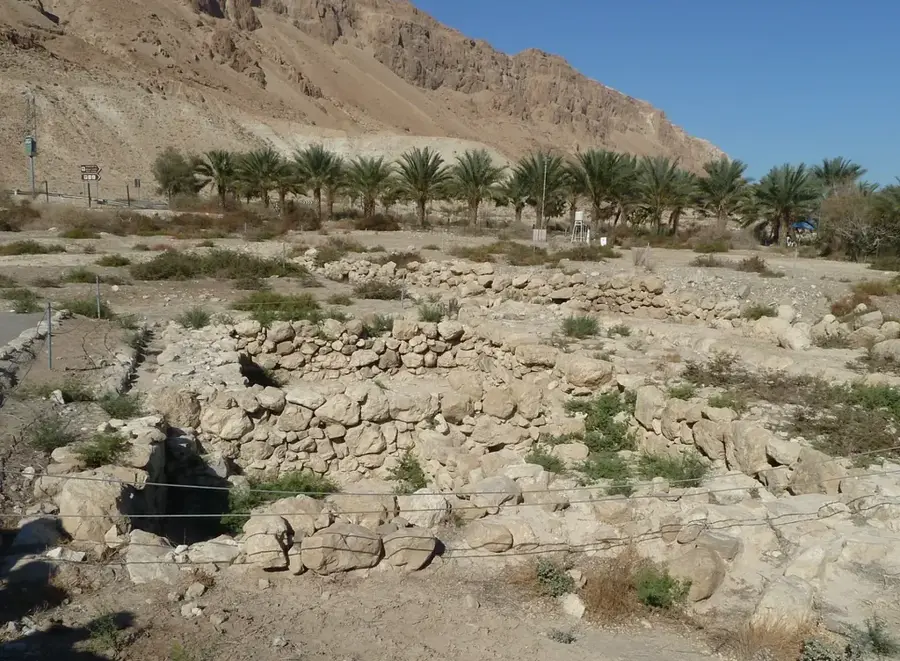
Khirbat Masuh🏺 historical

These archaeological remains of an ancient village include cisterns and building structures from the Byzantine era.

Kharabat Yusra🏺 historical

Weathered stone ruins of a historic settlement lie here in the rural surroundings of Madaba.

Iron Age Fortification Wall on West Acropolis🏺 historical

These massive stone wall remains date back to the Iron Age and once protected the ancient acropolis.

Lecture Hall🎭 culture

This space within the Madaba archaeological park once served as a venue for lectures or performances.

Abdul Majeed Shoman Auditorium🎭 culture

This modern auditorium in the city center is a key venue for cultural events and lectures.

Church of Apostoles📍 landmark

This 6th-century church is famous for a large mosaic depicting the personification of the sea.

Shrine of the Beheading of Saint John the Baptist📍 landmark

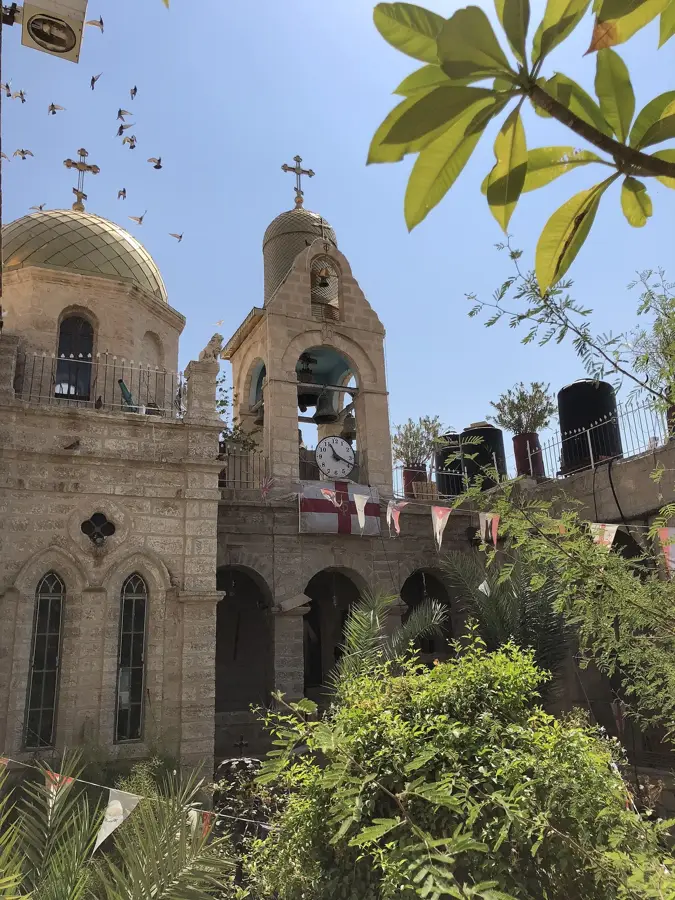
This Catholic church has a bell tower with panoramic views and preserves an ancient well in its crypt.

Prayer Room📍 landmark

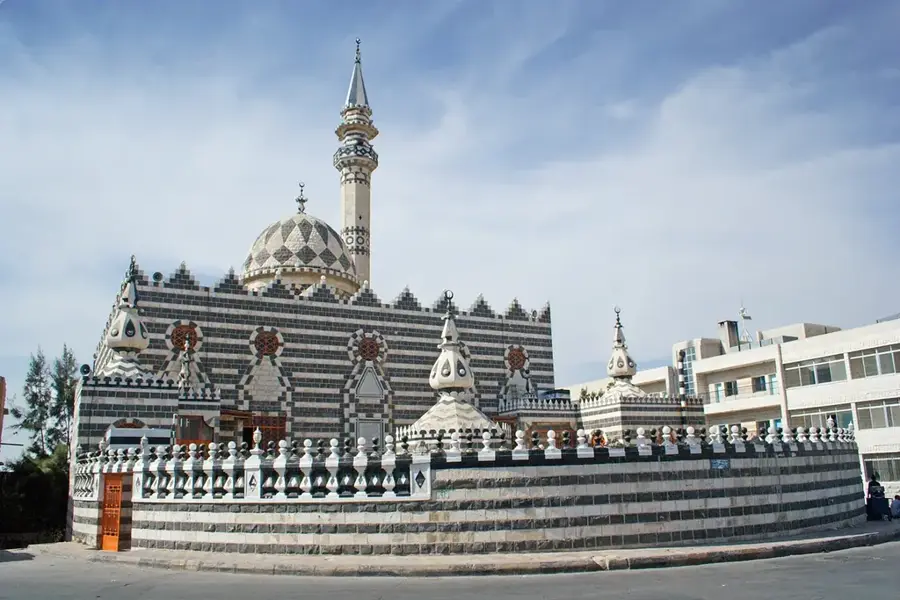
This small, quiet prayer room in the city center is open to Muslims for their daily prayers.

Sights nearby

Frequently asked questions

Where exactly is the mosaic map?
In the Greek Orthodox St. George's Church in Madaba.
What does the map show?
The Holy Land in the 6th century, including Jerusalem.
How much is the entrance to the church?
Entrance costs about 1 JOD.
Is photography allowed in the church?
Yes, but without flash to protect the mosaic.
Is there a dress code?
Appropriate clothing is required (shoulders and knees covered).
Madaba Map: where is it located?
Madaba Map is located in Jordan.
Madaba Map: what is there to see?
Highlights include Khirbat Masuh, Kharabat Yusra, Iron Age Fortification Wall on West Acropolis.
Madaba Map: when is the best time to visit?
The most pleasant time to visit is May, Sep, Oct.
Madaba Map: why is it worth visiting?
The Madaba Map is the oldest surviving cartographic depiction of the Holy Land, representing a priceless masterpiece of Byzantine art and geography.
View on map → The Top 50 Attractions → OpenStreetMap →
Asia
Explore with Plizio Discover more places in Asia
More places in Jordan →

Nearby cities

History & landmarks
Nature
More places