Plizio Visual Lab
Dead Sea West Shore
Weather…
Water temperature…
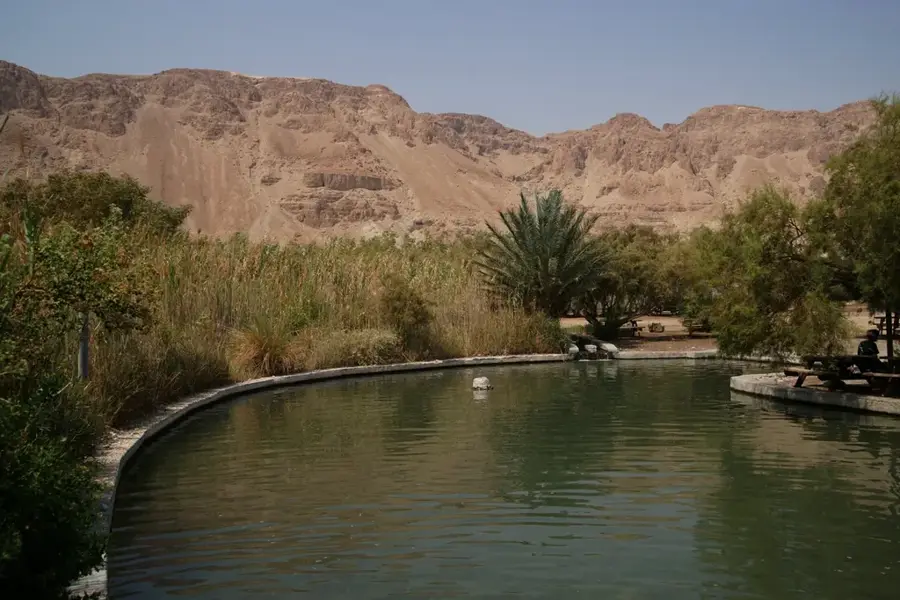
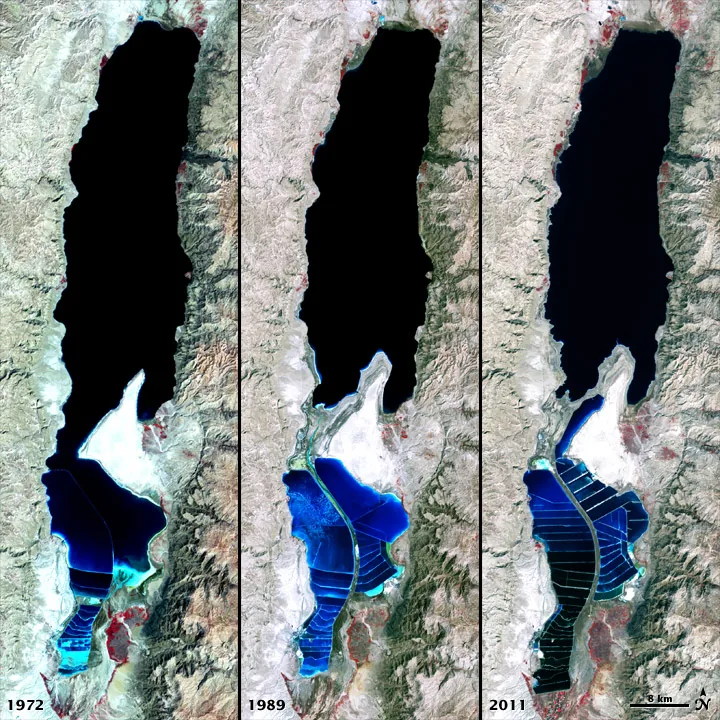
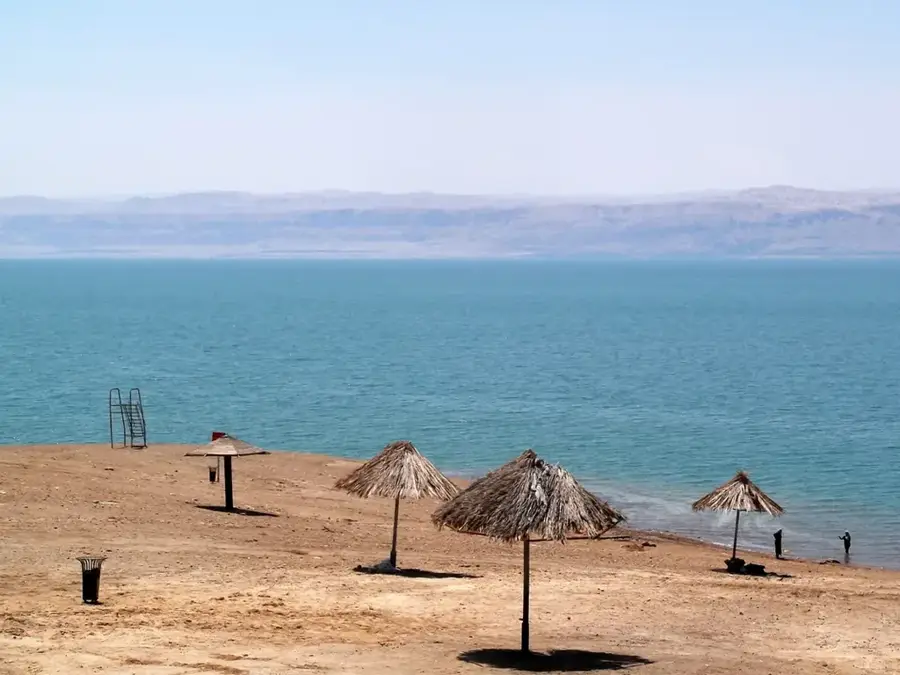
The western shore of the Dead Sea is one of the most remarkable and extreme environments on the planet, situated at the lowest point on the Earth's landmass. This coastline is famous for its surreal landscapes of white salt crusts and crystalline pillars formed by intense evaporation. While the 34% salinity level prevents fish and aquatic life from surviving, the water and the nutrient-rich black mud found along the shore are globally renowned for their therapeutic minerals. The adjacent rugged cliffs of the Judean Desert provide a habitat for wildlife such as jackals, hyenas, and Nubian ibex. In recent decades, the shoreline has undergone dramatic changes as falling water levels lead to the formation of thousands of sinkholes, creating a stark visual reminder of the environmental challenges facing this ancient hypersaline lake. It remains a site of profound geological, historical, and health significance.
- Location: Palestinian Territories
- Top sights: Neve Midbar · Kalia Beach · Gallery "Minus 430"
- Nearby: Jericho (11 km)
Best time to visit & climate
The most pleasant time to visit is Apr, May, Oct.
| Jan | Feb | Mar | Apr | May | Jun | Jul | Aug | Sep | Oct | Nov | Dec | |
|---|---|---|---|---|---|---|---|---|---|---|---|---|
| Avg °C | 11 | 13 | 16 | 20 | 24 | 28 | 30 | 30 | 28 | 24 | 18 | 14 |
| Rain mm | 63 | 58 | 32 | 15 | 6 | 1 | 0 | 1 | 1 | 8 | 29 | 52 |
📋 Practical info
Geography
Facts
- The water salinity is approximately 34 percent.
- The water level drops by about one meter every year.
- The western shore includes important nature reserves like Ein Gedi.
- The air here contains 8 percent more oxygen than at sea level.
- Medicinal mud deposits have been used since ancient times.
- The region lies in the Jordan Rift Valley, a tectonic fault line.
Explore nearby
Notable places around
Route planner — Car & Motorhome
Where do you start? We build the route here, with stops and country notes along the way.
© OpenStreetMap contributors · OpenRouteService
Sights in the town Dead Sea West Shore (3)
Gallery "Minus 430"🏛 museum
This open-air gallery at the Dead Sea features murals painted on abandoned buildings, located 430 metres below sea level.
Sights nearby
Frequently asked questions
Is it safe to swim in the Dead Sea?
What should I consider when visiting?
Are there public beaches?
Is the water healthy?
When is the best time for the Dead Sea?
Dead Sea West Shore: where is it located?
Dead Sea West Shore: what is there to see?
Dead Sea West Shore: when is the best time to visit?
Dead Sea West Shore: why is it worth visiting?

Nearby cities
History & landmarks