Plizio Visual Lab

Great Blasket Island
Plizio editorial teamData Sources
Island
—°7
Great Blasket Island (Ireland)

Weather…

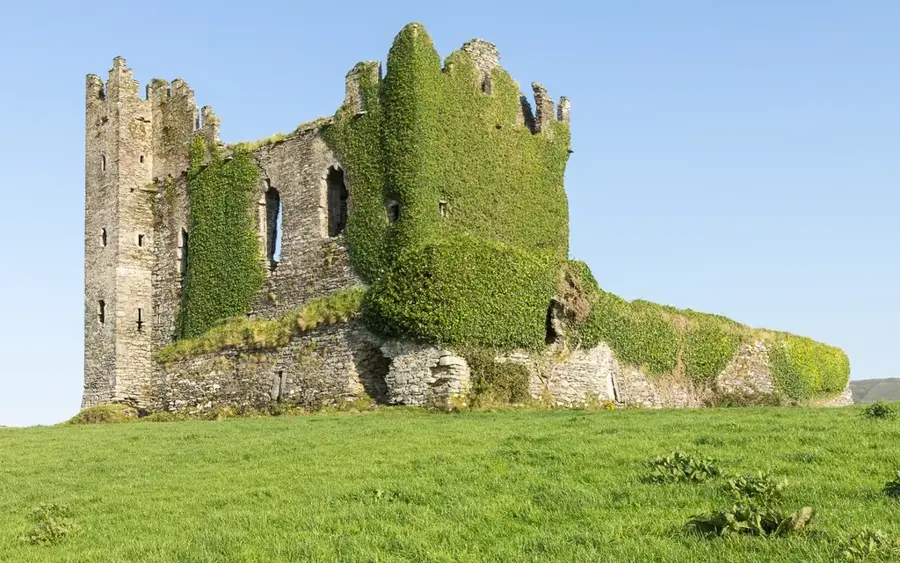
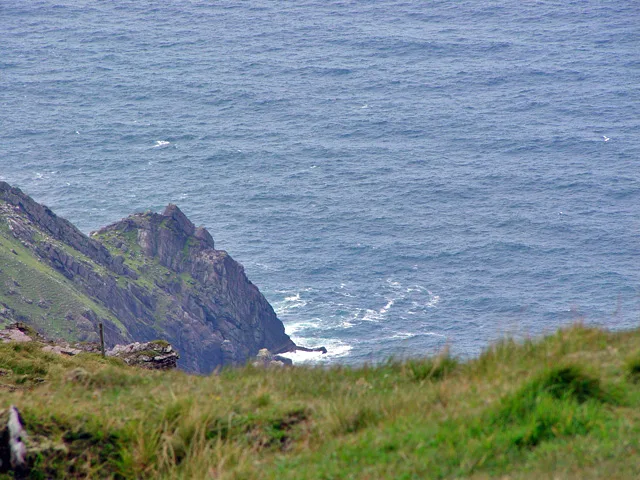
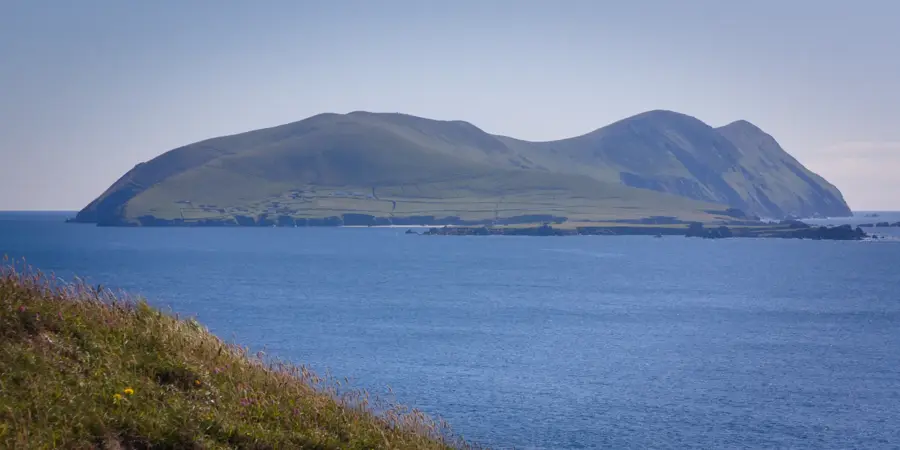
Great Blasket Island (An Blascaod Mór) is the largest of the Blasket Islands off the coast of County Kerry and a symbol of Ireland's cultural heritage. The island is renowned for its rich literary legacy, produced by a small Gaelic-speaking community that lived in isolation until its evacuation in 1953. Residents like Peig Sayers and Tomás Ó Criomhthain wrote seminal works documenting their harsh but culturally spirited lives on the edge of the Atlantic. The topography is characterized by steep cliffs, sandy beaches like An Trá Bhán, and rugged hillsides. Since the evacuation, nature has reclaimed the land, and the island is now an important sanctuary for grey seals and numerous seabird species, including puffins. Visitors can explore the ruins of the abandoned village and experience the pristine maritime environment. The island remains a significant monument to the Irish language and the traditional way of life in the remote western regions.

Best time to visit & climate

The most pleasant time to visit is Jun–Aug.

JanFebMarAprMayJunJulAugSepOctNovDec
Avg °C999101214151515131110
Rain mm159129109879692108115114141160169

📋 Practical info

🧭
Getting there
Reaching the island requires booking a passenger ferry from local harbours on the Dingle Peninsula, such as Dunquin or Ventry. The crossing depends heavily on sea conditions, and visitors disembark via a small slipway, often requiring a short transfer in a smaller boat.
📅
Best season
Access is strictly limited to the summer months, generally from April to September, when the Atlantic Ocean is calm enough for small boats. Outside of this brief window, harsh weather and treacherous swells make landing on the island virtually impossible and highly dangerous.
⛰️
Terrain & paths
The island is rugged, wild, and entirely unpaved, featuring steep grassy slopes, narrow sheep tracks, and uneven ground throughout the village. Walking requires constant attention to your footing, as the natural trails can be quite slippery after rain or heavy morning dew.
🎒
What to bring
Robust hiking boots are absolutely essential for navigating the steep slopes and exploring the ruined stone cottages safely. Pack everything you might need, including abundant water, snacks, windproof layers, and sun protection, as there are no modern facilities available.
🅿️
Parking
You must leave your vehicle on the mainland; there is usually designated public parking at the main ferry departure points like Dunquin pier. Ensure you park considerately without blocking critical access for local fishermen or the steep approach roads leading down to the actual boats.
⚠️
Safety
The sheer ocean cliffs and complete lack of modern infrastructure mean visitors must exercise extreme caution, staying far back from crumbling edges. The weather can turn rapidly, so always follow the advice of the ferry operators and be prepared for a bumpy boat crossing.
⏱️
Time needed
A standard visit typically involves spending three to four hours on the island, dictated entirely by the scheduled return times of the specific ferries. This provides ample opportunity to hike the main central ridge, view the seal colonies, and explore the abandoned village.

Geography

Coordinates
52.10000, -10.50000

Facts

  • The island was officially evacuated on November 17, 1953.
  • Great Blasket is approximately 6 km long and 1.2 km wide.
  • The highest point on the island is An Croghán, at 292 meters.
  • Peig Sayers dictated her famous autobiography Peig while living here.
  • In autumn, hundreds of grey seals gather on the island's beaches.
  • The island has no electricity supply or modern road infrastructure.

Explore nearby

Notable places around
Route planner — Car & Motorhome

Where do you start? We build the route here, with stops and country notes along the way.

Vehicle
Only stops with (optional):

© OpenStreetMap contributors · OpenRouteService

Sights in the town Great Blasket Island (7)

Castle Point🏺 historical

A scenic coastal point on Great Blasket Island with archaeological remains.

Dunmore Head Promontory Fort🏺 historical

An ancient promontory fort overlooking the Atlantic from the Dingle Peninsula.

Clochán na mBardán🏺 historical

Ancient dry-stone beehive huts characteristic of early Christian settlements.

Coumeenoole Beach🎡 recreation

A remarkable sandy beach known for its rugged cliffs and Atlantic views.

Slea Head🌿 nature

A famous viewpoint offering dramatic panoramas of the Blasket Islands.

Coumeenoole Bay📍 landmark

A photogenic bay on the western edge of Europe with turquoise waters.

Slievedonagh📍 landmark

A scenic mountain peak located on Great Blasket Island.

Sights nearby

Frequently asked questions

When was the island evacuated?
The remaining residents were evacuated in 1953 due to extreme isolation and harsh weather.
How do you get to the island?
By ferries departing from Dunquin or Ventry on the Dingle Peninsula (summer only).
Is there accommodation on the island?
There are a few restored stone cottages available for simple rentals during summer months.
What animals live on Great Blasket?
The island is famous for its colony of grey seals and numerous seabirds.
What is the Blasket Centre?
A museum on the mainland in Dunquin documenting the history and literature of the islands.
Great Blasket Island: where is it located?
Great Blasket Island is located in Ireland.
Great Blasket Island: what is there to see?
Highlights include Castle Point, Dunmore Head Promontory Fort, Clochán na mBardán.
Great Blasket Island: when is the best time to visit?
The most pleasant time to visit is Jun, Aug.
Great Blasket Island: why is it worth visiting?

Great Blasket Island (An Blascaod Mór) is the largest of the Blasket Islands off the coast of County Kerry and a symbol of Ireland's cultural heritage.
View on map → The Top 50 Attractions → Most beautiful beaches → OpenStreetMap →
Europe
Explore with Plizio Discover more places in Europe
More places in Ireland →

Nearby cities