Plizio Visual Lab
Fionntrá
ℹ️Practical info — Fionntrá
▾
🌤 Weather — 5 days
📍 Nearby
Sights nearby
💡 Tips
- Ventry is a Gaeltacht (Irish-speaking) area; locals will appreciate a friendly "Dia dhuit" (Hello).
- The wide Ventry Beach is a safe, sandy Blue Flag beach, excellent for swimming and walking.
- The Slea Head Drive passes right through; start your journey early to avoid the tour buses.
- Stop by the local shop and post office for area maps, snacks, and friendly local advice.
🍽 Food
A hearty, traditional staple found in the welcoming pubs along the peninsula.
Enjoy rich, locally sourced lamb dishes at the village pub or nearby restaurants.
Perfectly paired with a seafood meal or a toast after a long beach walk.
🛍 Shopping · 🧘 Quiet spots
The heart of the village for everyday essentials, postcards, and local snacks.
Find nearby artisan workshops along the Slea Head route for pottery and local art.
Walk the long, curving sandy beach, which is especially peaceful and reflective at low tide.
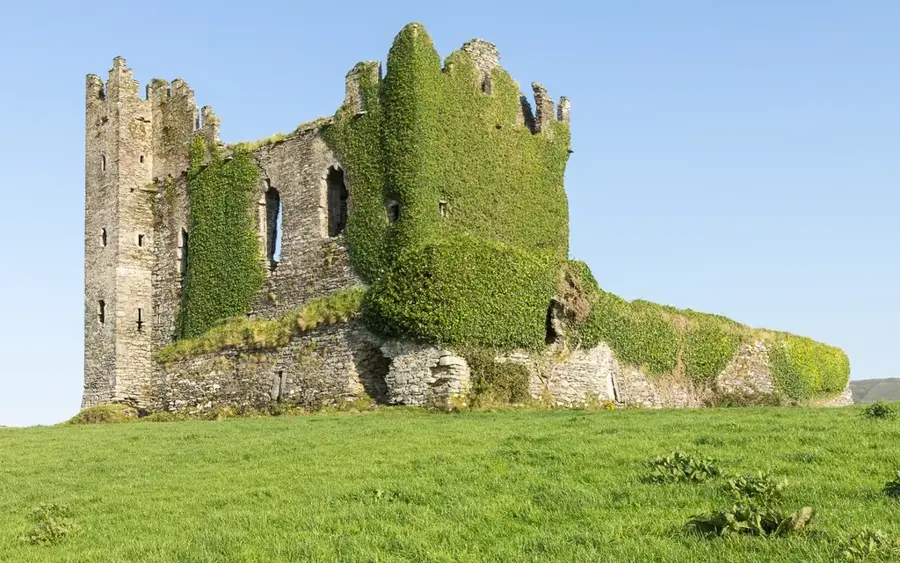
Visit the atmospheric, ruined ringfort and castle just a short distance outside the village.
Water temperature…
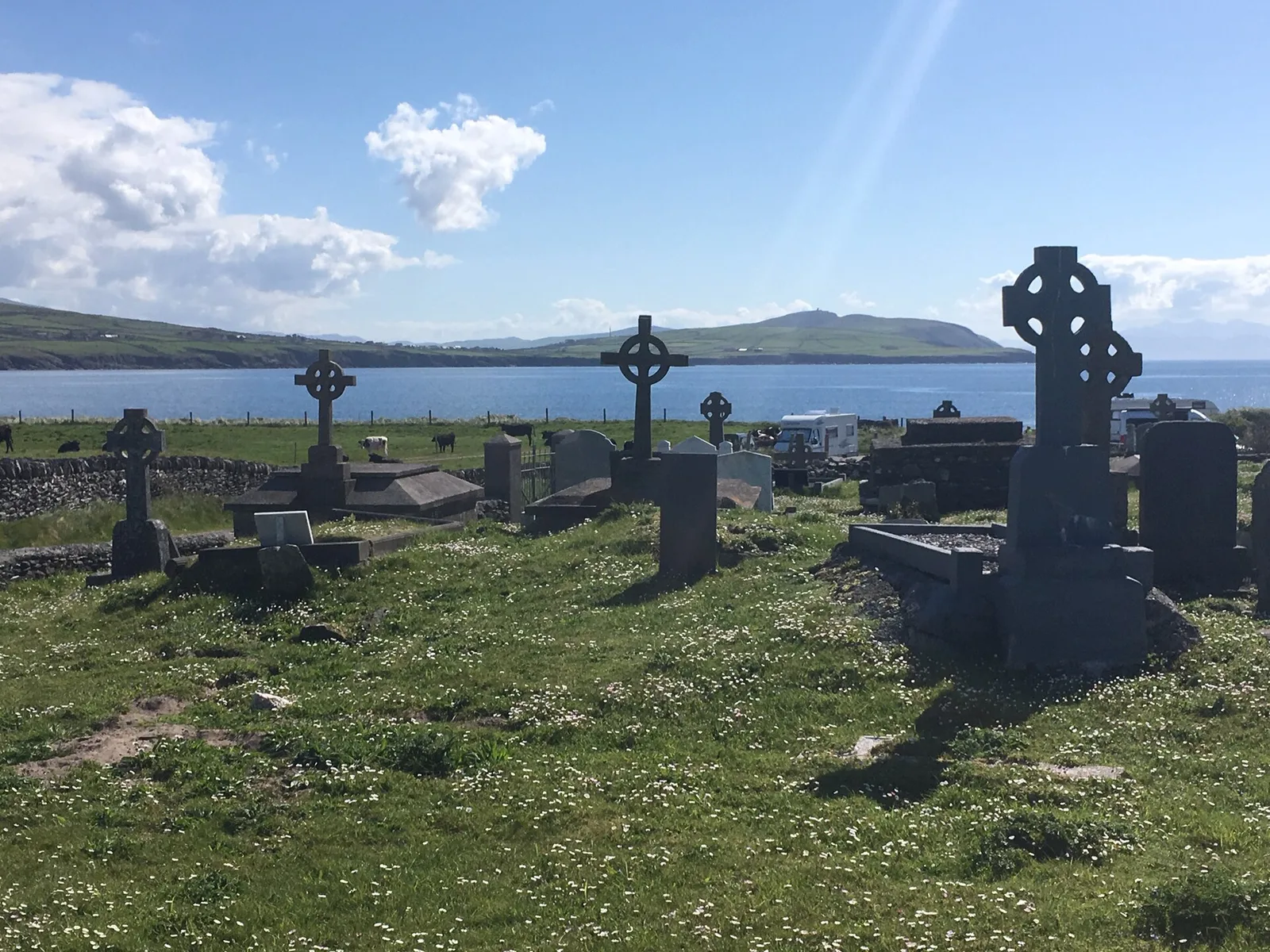
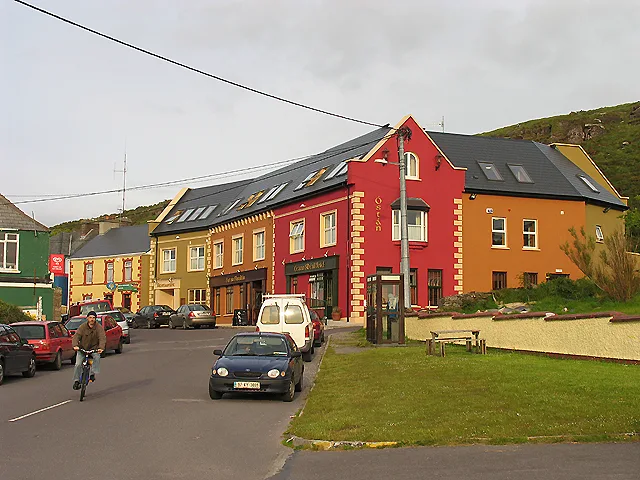
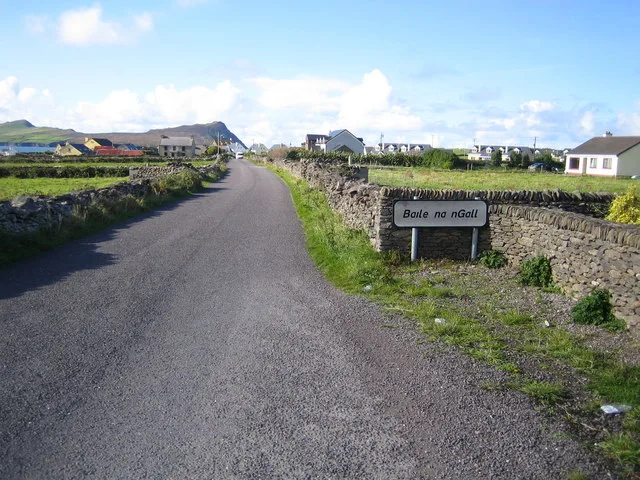
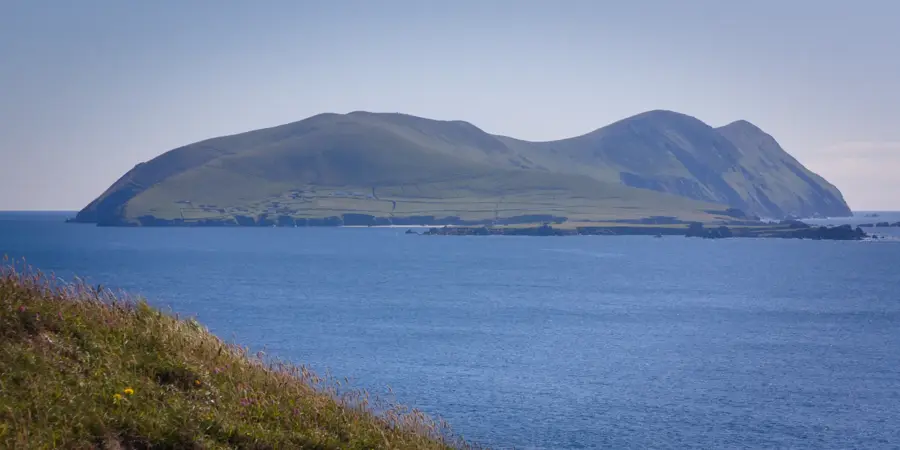
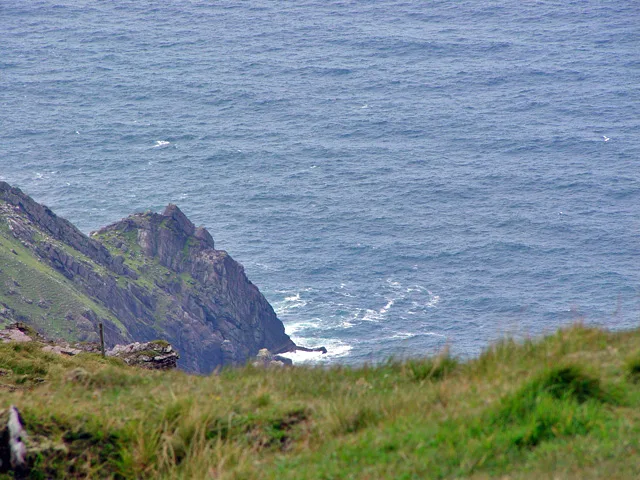
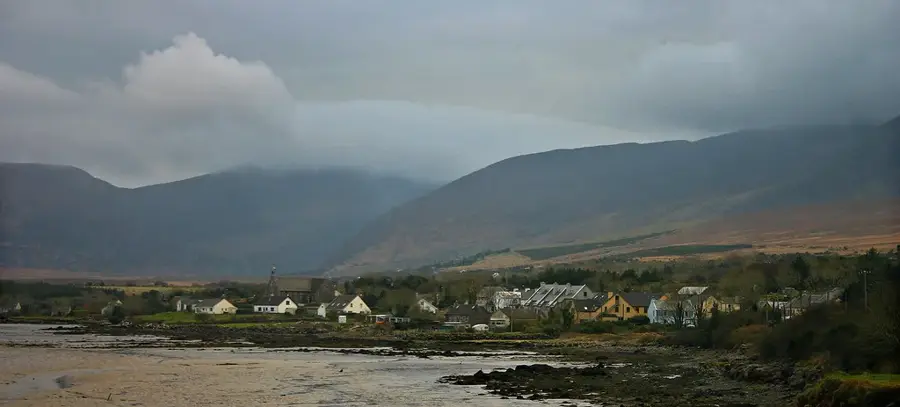
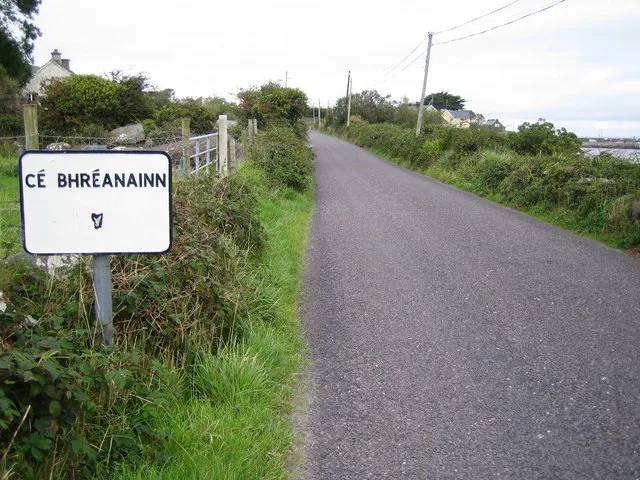
Fionntrá, also known as Ventry, is a photogenic village in the Gaeltacht region of the Dingle Peninsula in southwest Ireland. The settlement lies on a deep, crescent-shaped bay that houses the spectacular Trá Ciarán (Ventry Beach). This expansive Blue Flag sandy beach provides crystal clear waters and gentle dunes, making it one of the most popular destinations for families and nature lovers along the Wild Atlantic Way. The area around Fionntrá is rich in history and mythology. Above the village are significant archaeological sites, including the Iron Age Dunbeg Fort and numerous beehive huts (clocháns) that testify to early Christian settlement. The name Fionntrá means 'White Beach' and refers to the light-colored sand of the bay, which is said to have been the setting for the mythological 'Battle of Ventry'. The village itself is a hub of the Irish language and culture. In the cozy pubs, you can often hear traditional Irish music and enjoy the hospitality of the locals. The surrounding area features excellent opportunities for horseback riding on the beach, hiking the Dingle Way, or exploring the coast by kayak. The views from the nearby Slea Head Drive are world-famous, offering dramatic vistas of the Blasket Islands. Fionntrá maintains an authentic, unhurried charm. Whether exploring ancient forts, swimming in the cool Atlantic, or simply enjoying the sunset over the bay, this place embodies the wild, mystical beauty of Ireland. Its proximity to the lively town of Dingle makes Fionntrá a well-suited retreat for travelers seeking peace while still wishing to enjoy the region's amenities.
- Location: Ireland
- Top sights: Cloghaunaphuca · Monacarroge Fort · Rahinnane Castle
- Nearby: Gortadoo (6 km)
- Population: ~2.050
Best time to visit & climate
The most pleasant time to visit is Jun–Aug.
| Jan | Feb | Mar | Apr | May | Jun | Jul | Aug | Sep | Oct | Nov | Dec | |
|---|---|---|---|---|---|---|---|---|---|---|---|---|
| Avg °C | 9 | 9 | 9 | 10 | 12 | 14 | 15 | 15 | 15 | 13 | 11 | 10 |
| Rain mm | 159 | 129 | 109 | 87 | 96 | 92 | 108 | 115 | 114 | 141 | 160 | 169 |
Geography
Facts
- Dingle Peninsula
- Trá Ciarán (Ventry Beach)
- Gaeltacht region
- Dunbeg Fort
- Wild Atlantic Way
- Near Slea Head Drive
- Beehive huts
- Blue Flag beach
Explore nearby
Notable places around
Route planner — Car & Motorhome
Where do you start? We build the route here, with stops and country notes along the way.
© OpenStreetMap contributors · OpenRouteService
Sights in the town Fionntrá (6)
Frequently asked questions
Fionntrá: where is it located?
Fionntrá: what is there to see?
Fionntrá: when is the best time to visit?
Fionntrá: why is it worth visiting?

Nearby cities