Plizio Visual Lab
Nasiriyah
ℹ️Practical info — Nasiriyah
▾
🌤 Weather — 5 days
📍 Nearby
Sights nearby
💡 Tips
- Dress conservatively out of respect for local customs; long sleeves and trousers or long skirts are recommended.
- Arrange your transport to the nearby Ziggurat of Ur in advance through your hotel or a trusted local guide.
- Summer temperatures are intensely high; plan your outdoor explorations for the early morning hours.
- Carry enough local cash (Iraqi dinars), as credit cards are rarely accepted in the traditional markets and small shops.
🍽 Food
Slow-grilled carp seasoned with tamarind and turmeric. Best enjoyed at a restaurant along the Euphrates riverbank.
Minced meat skewers grilled over charcoal. Found in bustling local grill houses and street stalls throughout the city.
Strong black tea brewed with cardamom and heavily sweetened. Served in small glass cups by street vendors.
🛍 Shopping · 🧘 Quiet spots
Lively traditional markets where you can buy fresh dates, aromatic spices, and everyday local goods.
Look for small artisan sections within the main markets selling traditional metalwork and regional handicrafts.
Take a quiet stroll along the riverbanks at sunset when the temperature drops and the light is golden.
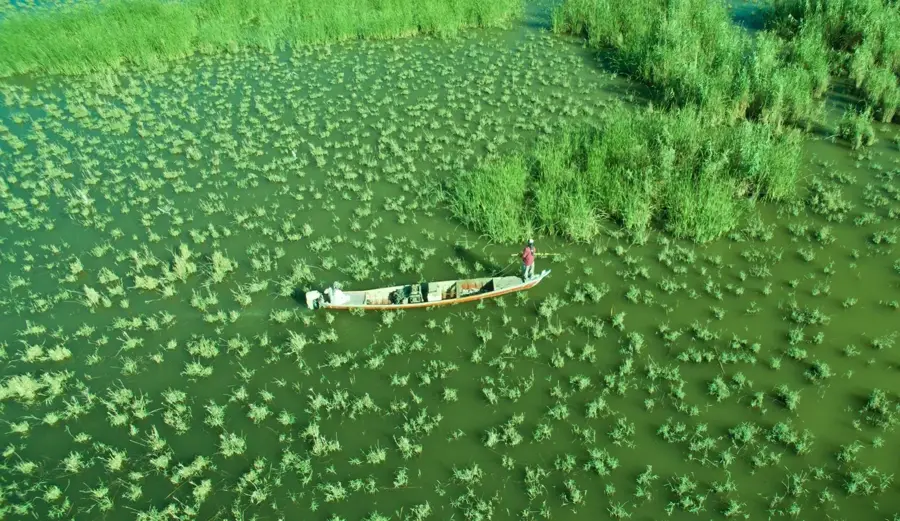
A short drive away, hire a traditional boat to glide through this ancient, serene aquatic landscape.
Water temperature…
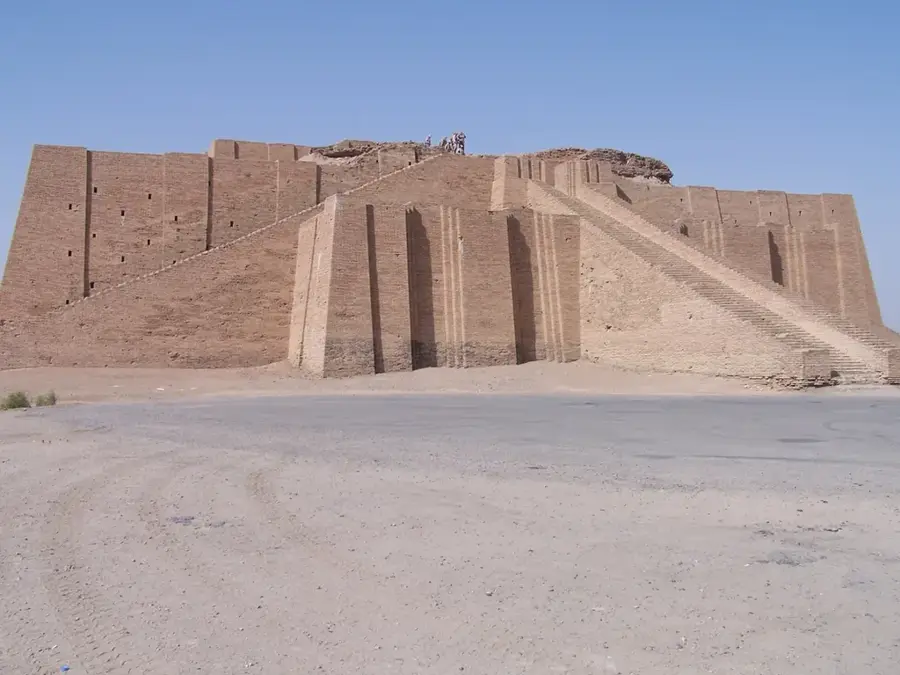
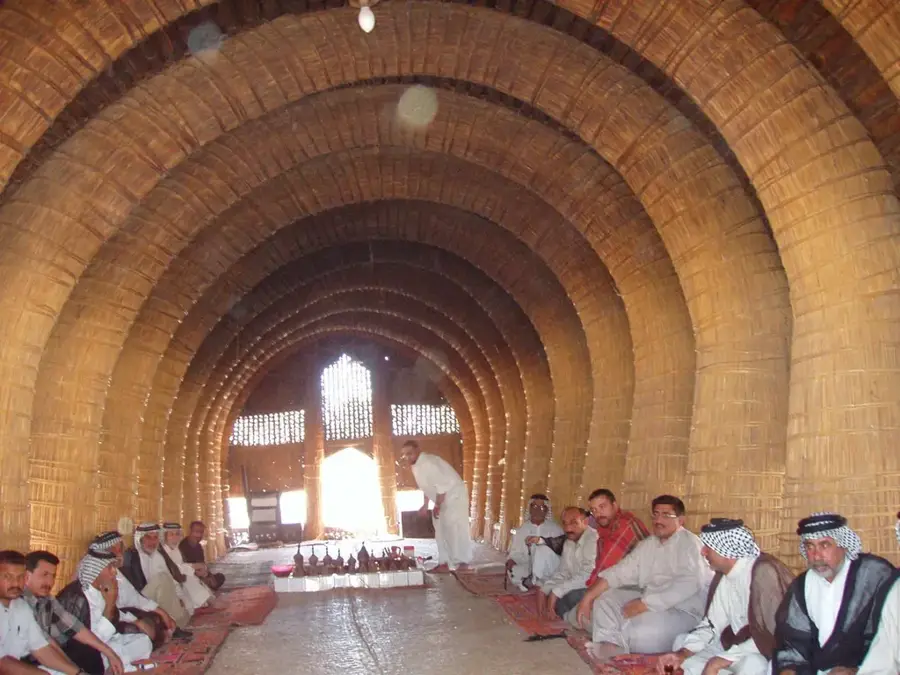
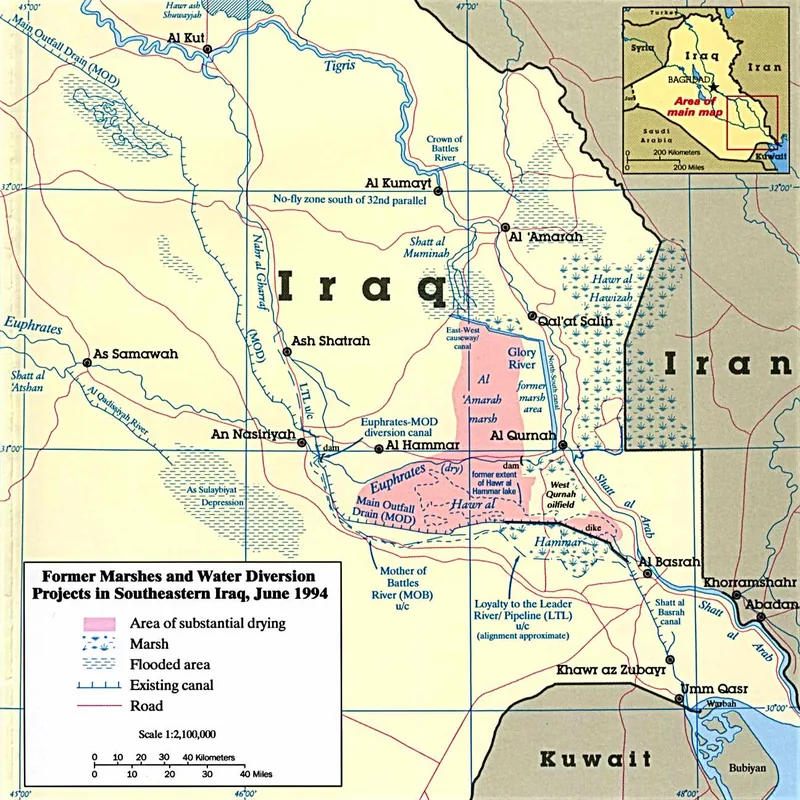
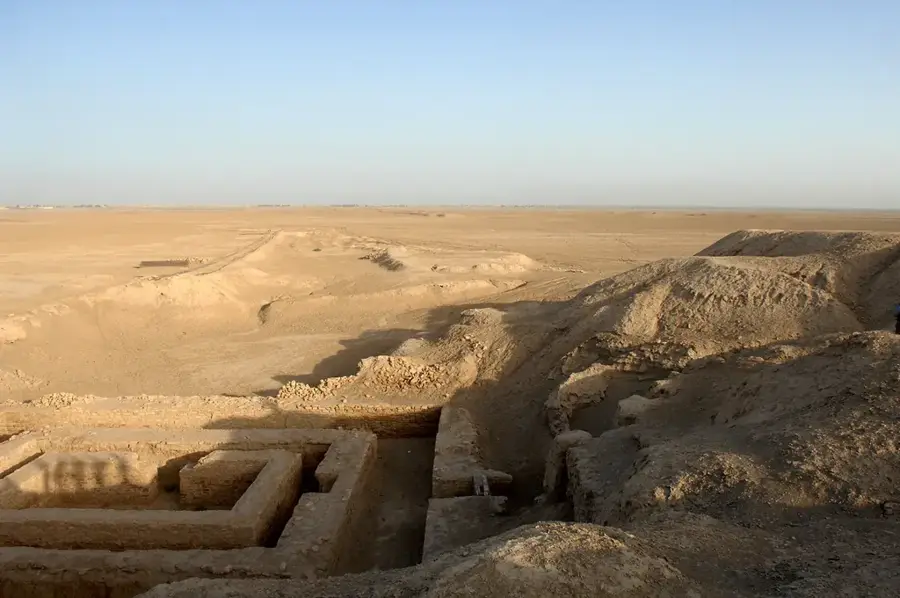
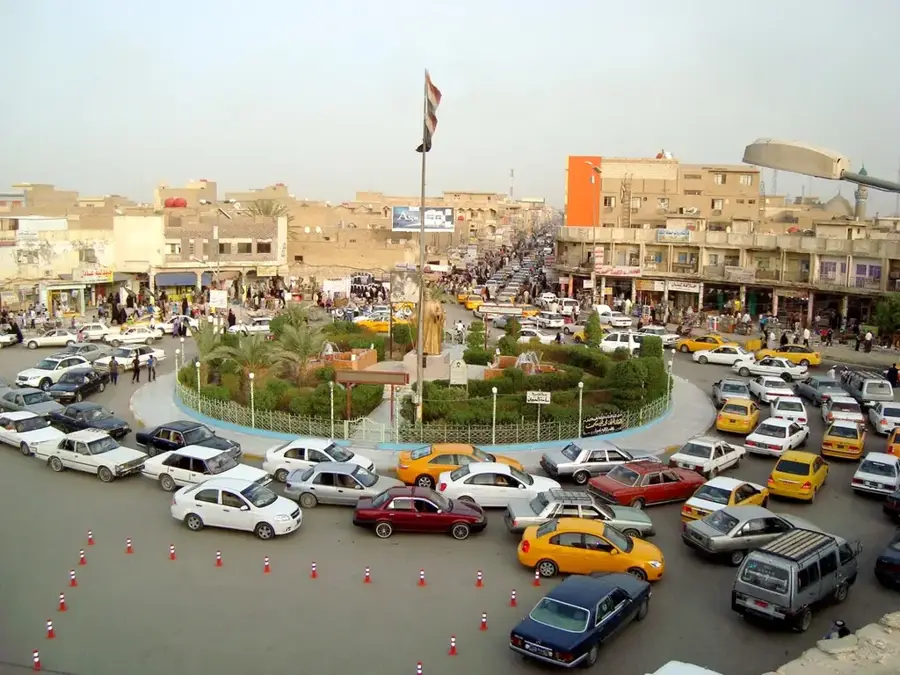
Nasiriyah, the capital of the Dhi Qar Governorate, is a pivotal urban center in southern Iraq, gracefully situated along the banks of the Euphrates River. Established in 1872 by Sheikh Nasir al-Saadun of the Muntafiq tribe, it was designed as a modern administrative and military hub during the late Ottoman era. The city is globally renowned for its proximity to the ancient Sumerian city of Ur, located just 15 kilometers to the southwest. The Great Ziggurat of Ur, a monumental structure dating back to the 21st century BCE, remains one of the world's most significant archaeological treasures. Nasiriyah also serves as the primary gateway to the Mesopotamian Marshes, a UNESCO World Heritage site known for its unique biodiversity and the traditional reed-house culture of the Marsh Arabs. Economically, the city is an industrial powerhouse, home to the massive Nasiriyah Thermal Power Station and a major oil refinery that processes crude from nearby fields. It is a vital link in the Iraqi rail network, connecting the capital Baghdad with the port city of Basra. Culturally, Nasiriyah is celebrated as a cradle of Iraqi arts and intellect, having produced numerous influential poets, musicians, and thinkers. The University of Dhi Qar is a leading academic institution in the region, focusing on archaeology and engineering. The scenic riverfront parks provide a lush escape from the intense heat of the southern plains, making Nasiriyah a blend of ancient heritage and modern industrial resilience.
- Location: Iraq
- Top sights: Nasiriyah Museum · House-Jawdat · Al-Sayyid Al-Sadr Mosque
- Nearby: Mesopotamian Marshes (83 km)
- Population: ~558.400 (2024)
Best time to visit & climate
The most pleasant time to visit is Mar, Apr, Nov.
| Jan | Feb | Mar | Apr | May | Jun | Jul | Aug | Sep | Oct | Nov | Dec | |
|---|---|---|---|---|---|---|---|---|---|---|---|---|
| Avg °C | 11 | 14 | 20 | 25 | 32 | 37 | 39 | 39 | 35 | 29 | 19 | 13 |
| Rain mm | 21 | 12 | 11 | 10 | 4 | 0 | 0 | 0 | 0 | 7 | 17 | 17 |
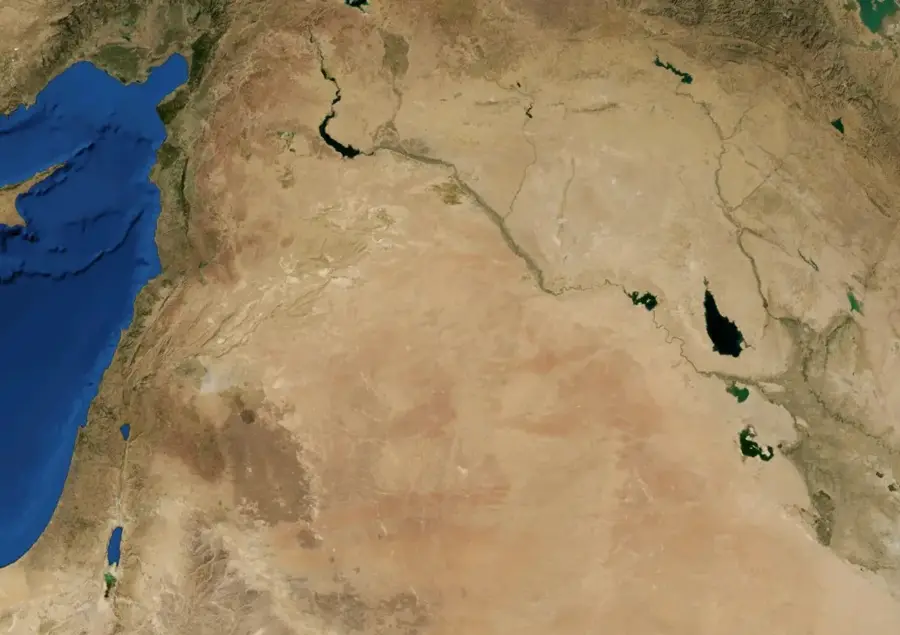
Geography
Facts
- Capital of Dhi Qar Governorate, founded on the Euphrates in 1872.
- Located only 15 km from the ancient Great Ziggurat of Ur.
- Acts as the main gateway to the Mesopotamian Marshes (Ahwar).
- Home to the Nasiriyah Thermal Power Station and an oil refinery.
- A major transit point on the Baghdad-Basra railway line.
- Often called the 'Athens of Iraq' for its rich intellectual life.
- Founded by the Muntafiq tribal confederation in the 19th century.
- Center for the University of Dhi Qar, established in 2002.
Explore nearby
Notable places around
Route planner — Car & Motorhome
Where do you start? We build the route here, with stops and country notes along the way.
© OpenStreetMap contributors · OpenRouteService
Sights in the town Nasiriyah (5)
Frequently asked questions
What is the most important historic site in Nasiriyah?
What are the Mesopotamian Marshes?
Can I visit the ancient city of Ur?
Which river flows through Nasiriyah?
Is there a museum in the city?
Nasiriyah: where is it located?
Nasiriyah: what is there to see?
Nasiriyah: when is the best time to visit?
Nasiriyah: why is it worth visiting?
More places