Plizio Visual Lab

Uruk
Plizio editorial teamData Sources
ruin
—°3
Uruk (Iraq)

Weather…

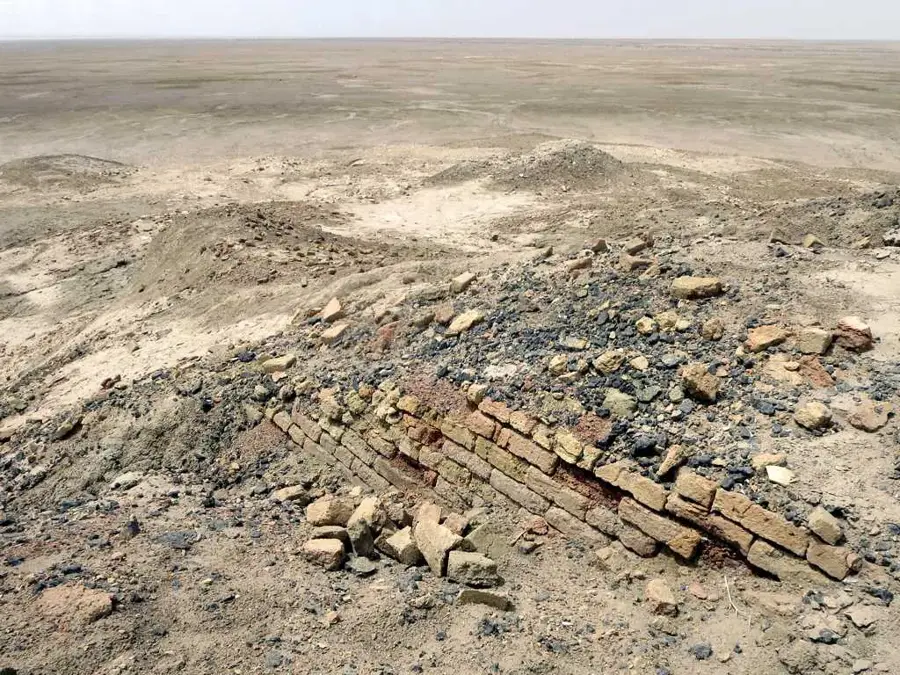
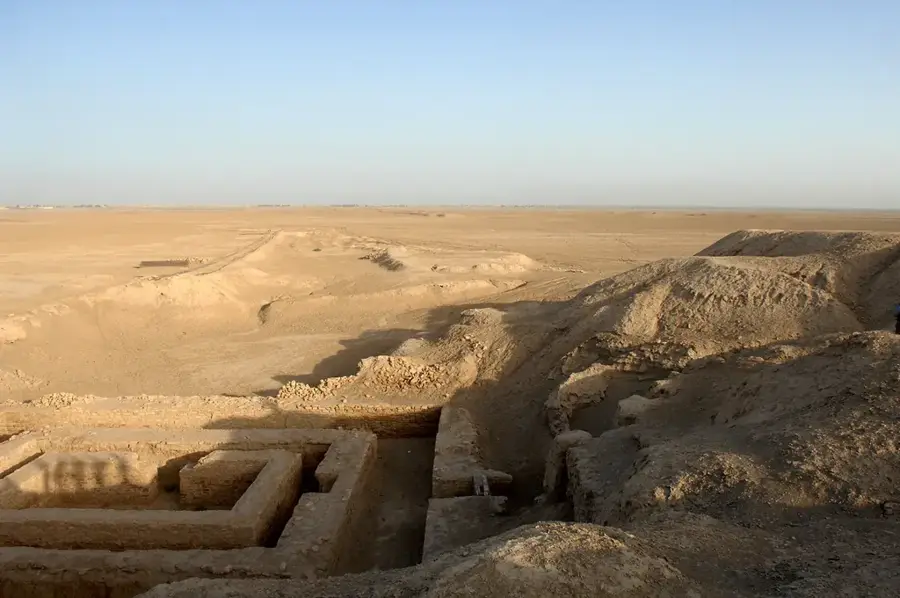
Uruk, known in the Bible as Erech, is widely regarded as one of the world's first true cities and was a primary epicenter of Sumerian civilization. The city reached its peak in the 4th millennium BC and is located in southern Iraq near the modern town of Warka. It was here that several fundamental milestones of human development occurred, most notably the invention of cuneiform writing and the establishment of complex bureaucratic systems. Uruk was divided into two major religious districts: the Eanna district, dedicated to the goddess Inanna, and the Anu district, dedicated to the sky god. The legendary King Gilgamesh, hero of the world's first epic poem, is credited with building the city's massive defensive walls, which once enclosed nearly six square kilometers. Archaeologically, the site is famous for its monumental temples adorned with elaborate cone mosaics made of colored clay. As a vital religious and political hub, Uruk remained continuously inhabited for nearly 4,000 years, well into the Parthian period.

Best time to visit & climate

The most pleasant time to visit is Mar, Apr, Nov.

JanFebMarAprMayJunJulAugSepOctNovDec
Avg °C111319253237393935281812
Rain mm251715156000092217

📋 Practical info

🚪
Visiting
Exploration involves navigating an immense, remote desert archaeological zone where visitors can examine ancient mud-brick ruins, foundations of the ziggurats, and thousands of pottery shards scattered on the ground.
🕒
Typical hours
Given the isolated nature of the site, access is usually arranged through local guides or authorities during standard daytime hours, mostly avoiding the extreme and potentially dangerous midday heat.
📷
Photography
Capturing the vast, desolate scale of this ancient metropolis is highly recommended; bringing a telephoto lens might help isolate specific architectural details among the weathered mounds of history.
⏱️
Time needed
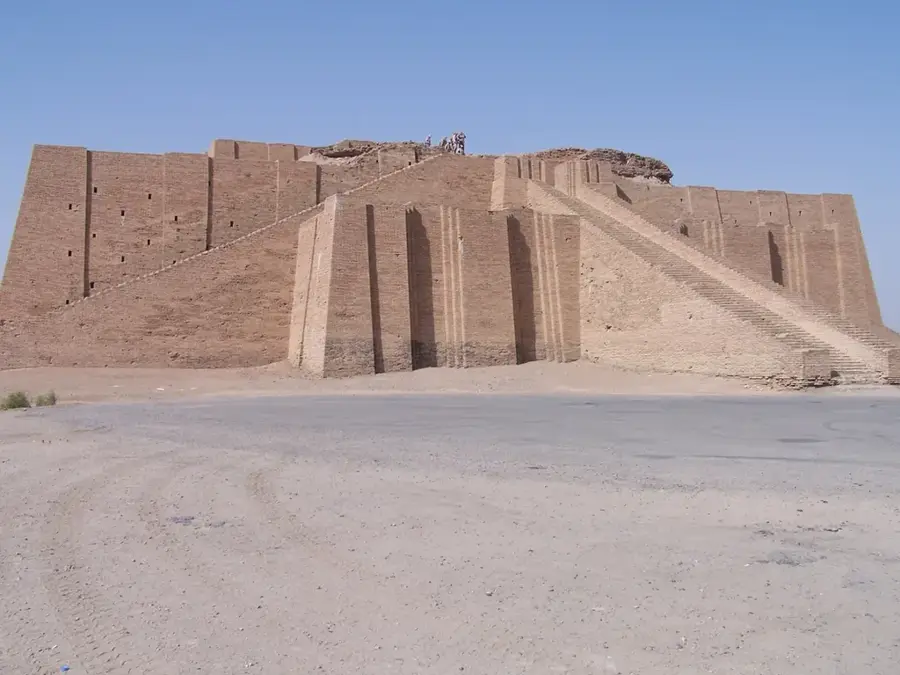
Walking the extensive grounds to see the main points of interest, such as the Anu Ziggurat district and the Eanna precinct, typically demands at least three to four hours of continuous exploration.
Combine with
A visit to Uruk is often structured as part of a broader historical tour of southern Iraq, which naturally includes other monumental Sumerian ruins like Ur or the ancient city of Eridu.
🧭
Getting there
Reaching the site invariably requires private four-wheel-drive transportation and coordination with local security checkpoints, usually originating from the nearest modern hub of Nasiriya or Samawah.
💡
Insider tip
There is absolutely no shade or tourist infrastructure at these remote ruins, so visitors must bring abundant water supplies, reliable sun protection, and ensure their vehicles are well-equipped.

Geography

Coordinates
31.32530, 45.63940

Facts

  • Uruk was the largest city in the world during the 4th millennium BC.
  • The first cuneiform writing was developed here around 3200 BC.
  • The Eanna district served as the spiritual hub for the goddess Inanna.
  • The city's defensive walls were legendary, spanning nearly 10 kilometers.
  • Gilgamesh is listed as a ruler of Uruk in the Sumerian King List.
  • The site was designated a UNESCO World Heritage site in 2016.

Explore nearby

Notable places around
Route planner — Car & Motorhome

Where do you start? We build the route here, with stops and country notes along the way.

Vehicle
Only stops with (optional):

© OpenStreetMap contributors · OpenRouteService

Sights in the town Uruk (3)

Akkadian Uruk🏺 historical

The ruins of the ancient Sumerian city of Uruk, one of the first major cities in human history.

Kullaba district🏺 historical

A historical district within ancient Uruk, known for its early monumental structures.

Ziggurat of Uruk⛪ religious

This monumental mud-brick platform in Uruk was once dedicated to the god Anu.

Sights nearby

Frequently asked questions

What is the historical significance of Uruk?
Uruk is considered one of the world's first true cities and the place where cuneiform writing originated.
Who was the legendary ruler of Uruk?
King Gilgamesh, the hero of the famous epic, is legendary ruler who is said to have reigned over Uruk.
Where is Uruk located today?
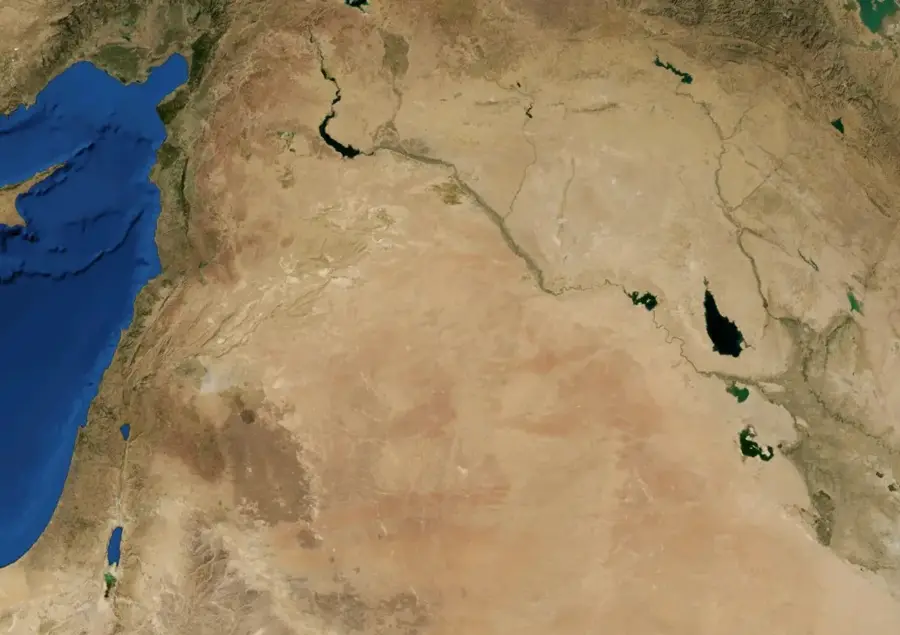
The archaeological site, now called Warka, is located in southern Iraq, about 30 km east of Samawa.
When was the peak period of Uruk?
It reached its peak significance in the 4th millennium BC, during the Uruk period named after the city.
What can be seen there today?
Visitors can see impressive mud-brick ruins of temples, city walls, and remnants of ancient ziggurats.
Uruk: where is it located?
Uruk is located in Iraq.
Uruk: what is there to see?
Highlights include Akkadian Uruk, Kullaba district, Ziggurat of Uruk.
Uruk: when is the best time to visit?
The most pleasant time to visit is Mar, Apr, Nov.
Uruk: why is it worth visiting?
Uruk, known in the Bible as Erech, is widely regarded as one of the world's first true cities and was a primary epicenter of Sumerian civilization.
View on map → The Top 50 Attractions → OpenStreetMap →
Asia
Explore with Plizio Discover more places in Asia
More places in Iraq →

Nearby cities

Nature

More places