Plizio Visual Lab
Mesopotamian Marshes National Park
Weather…
Water temperature…
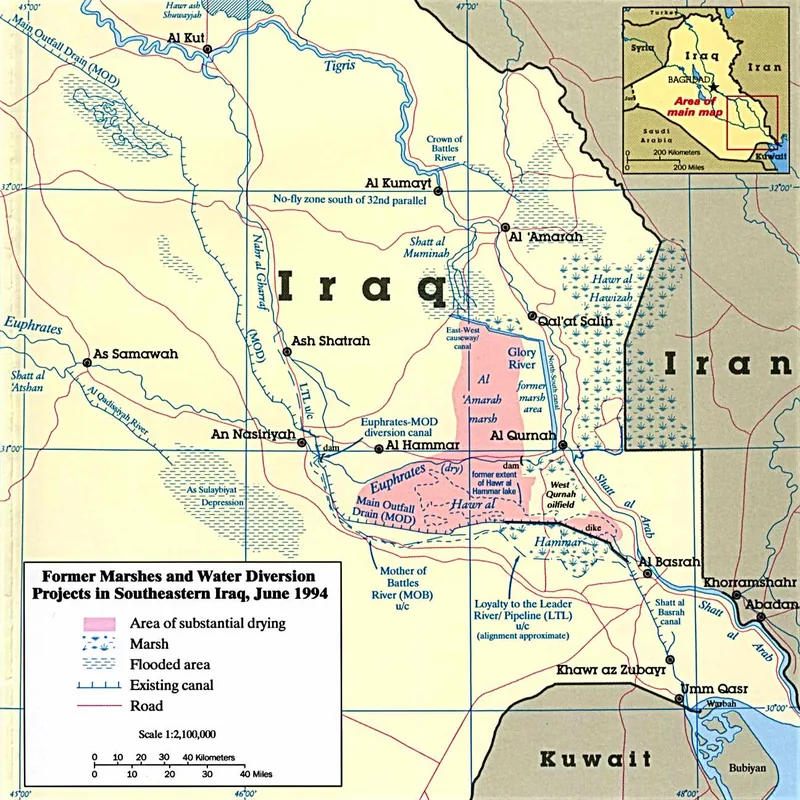
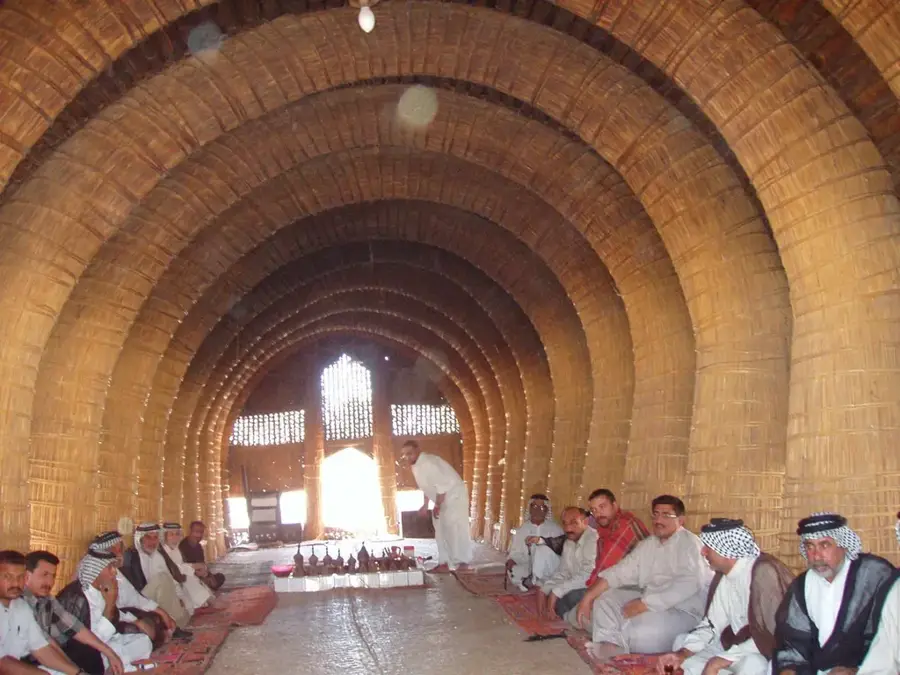
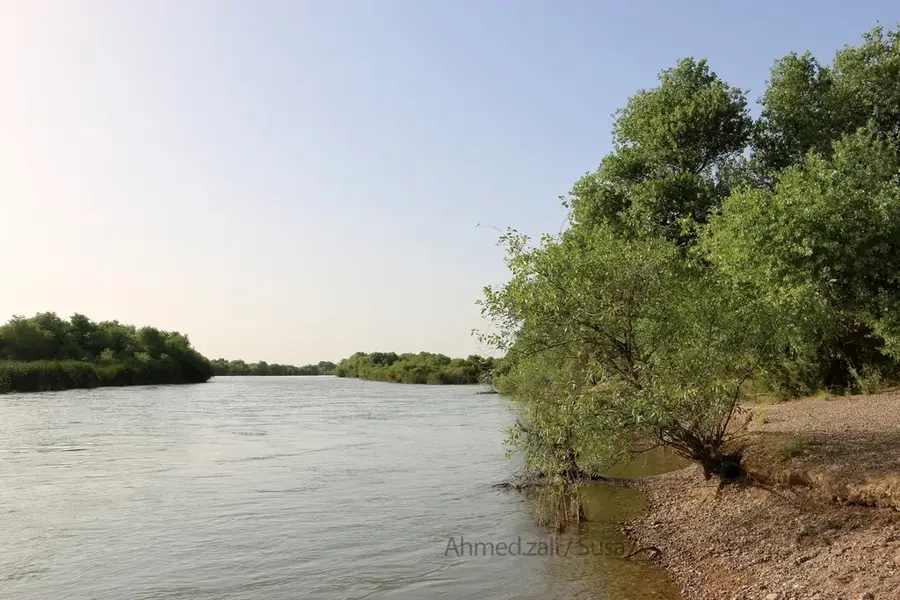
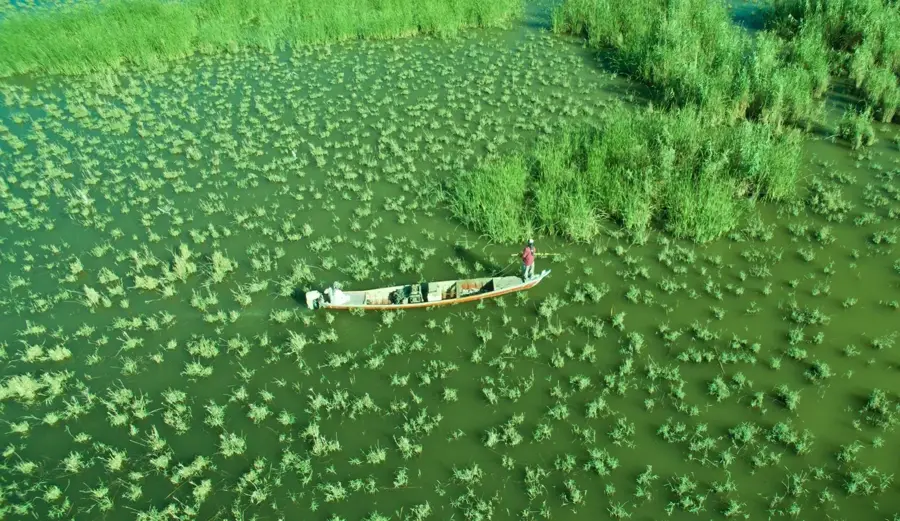
The Mesopotamian Marshes National Park, spanning the provinces of Thi Qar, Maysan, and Basra, forms the largest continuous wetland in the Middle East. Situated at the confluence of the Euphrates and Tigris rivers, the marshlands historically covered an area of up to 20,000 square kilometers. During the 1990s, more than 90 percent of the zone was systematically drained, resulting in a massive ecological disaster. Following the events of 2003, restoration efforts began by breaching dams, which enabled the reflooding of approximately 50 percent of the original wetlands. In 2013, a 1,000-square-kilometer core area was officially declared Iraq's first national park. The territory harbors 40 bird species, including the endangered Basra reed warbler, alongside various endemic fish species. In July 2016, UNESCO officially added the marshes to the World Heritage List. The park is also home to nearly 80,000 Marsh Arabs who continue to preserve their traditional way of life in reed houses.
Best time to visit & climate
The most pleasant time to visit is Mar, Apr, Nov.
| Jan | Feb | Mar | Apr | May | Jun | Jul | Aug | Sep | Oct | Nov | Dec | |
|---|---|---|---|---|---|---|---|---|---|---|---|---|
| Avg °C | 12 | 14 | 20 | 26 | 33 | 37 | 39 | 39 | 35 | 29 | 19 | 13 |
| Rain mm | 24 | 12 | 10 | 10 | 4 | 1 | 0 | 0 | 0 | 6 | 18 | 21 |
📋 Practical info
Geography
Facts
- The marshlands historically encompassed a water area of up to 20,000 square kilometers.
- During the 1990s, more than 90 percent of the wetlands were intentionally drained.
- After 2003, approximately half of the original wetlands were successfully restored.
- The national park was established in 2013 over a core area of 1,000 square kilometers.
- Official recognition as a UNESCO World Heritage site took place in 2016.
- The zone serves as a vital habitat for the endangered endemic Basra reed warbler.
Explore nearby
Notable places around

Route planner — Car & Motorhome
Where do you start? We build the route here, with stops and country notes along the way.
© OpenStreetMap contributors · OpenRouteService
Sights nearby
Frequently asked questions
Are the Mesopotamian Marshes a UNESCO World Heritage site?
What is the best way to explore the national park?
Can you stay overnight there?
What animals live in the marshes?
Is the region safe for tourists?
Mesopotamian Marshes National Park: where is it located?
Mesopotamian Marshes National Park: when is the best time to visit?
Mesopotamian Marshes National Park: why is it worth visiting?

Nearby cities
More places