Plizio Visual Lab

Hammar Marshes
Plizio editorial teamData Sources
national-park
—°
Hammar Marshes (Iraq)

Weather…

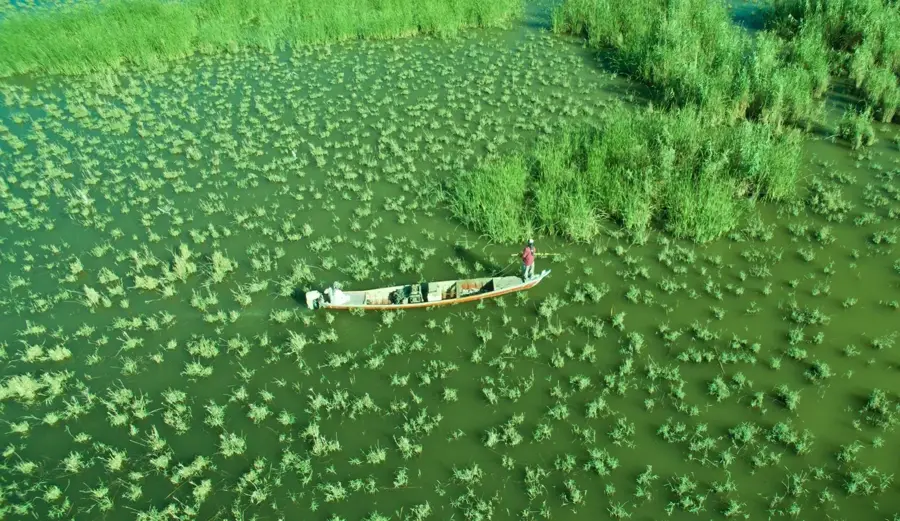
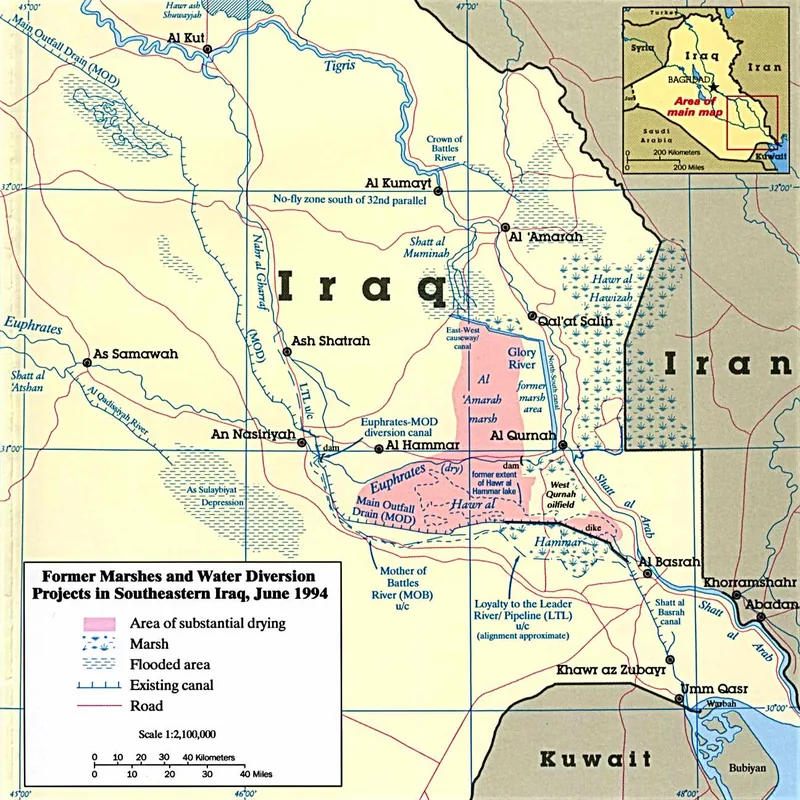
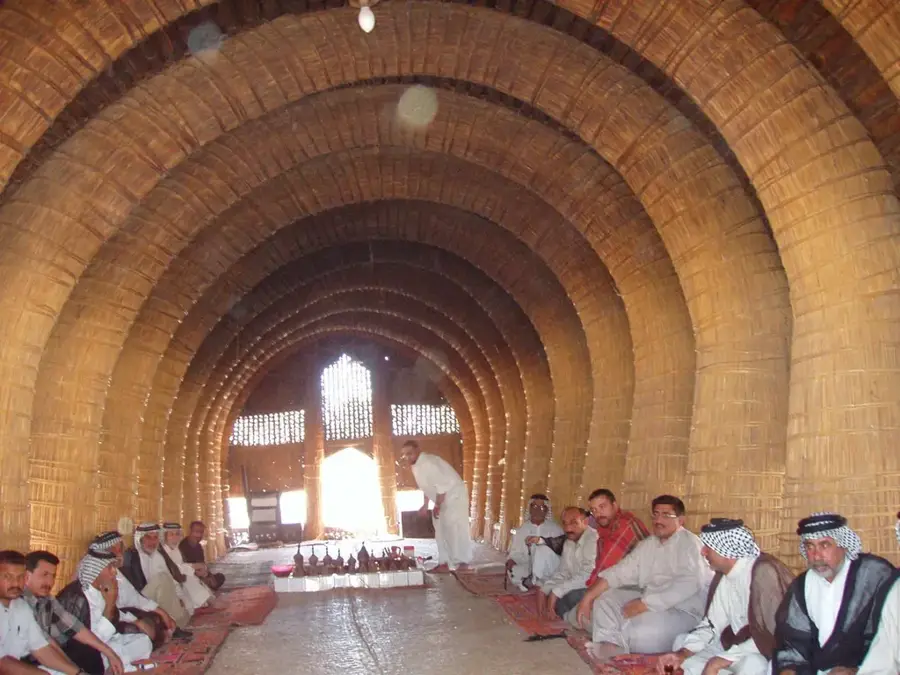
The Hammar Marshes are located south of the Euphrates River channel, in the southern section of Iraq, and spread over an area of approximately 2,800 square kilometers. They constitute a complex geographic network consisting of shallow lakes, islands covered with reed vegetation, and navigable waterways within the Dhi Qar province. The central Hammar Lake represents the core element of this ecosystem, being considered one of the most extensive continuous marsh perimeters in the Middle East. The region is traditionally inhabited by the Marsh Arab population, who build their floating dwellings, known as mudhifs, using exclusively locally harvested reeds. Following the large-scale destruction caused by the Saddam regime after 1991, the marshes were progressively reflooded starting in 2003.

Best time to visit & climate

The most pleasant time to visit is Mar, Apr, Nov.

JanFebMarAprMayJunJulAugSepOctNovDec
Avg °C121420263337393935291913
Rain mm241210104100061821

📋 Practical info

🧭
Getting there
Accessing the southern marshes generally involves traveling to nearby hubs like Chibayish or Nasiriyah before taking a traditional boat into the wetlands. Local guides with motorized or traditional canoes are essential for navigating the complex waterways.
📅
Best season
The optimal period to visit is during the winter and early spring months, from November to April, when temperatures are milder and migratory birdlife is abundant. Summers are excessively hot, and water levels may recede, altering the landscape significantly.
⛰️
Terrain & paths
The environment is a vast aquatic ecosystem dominated by dense reed beds, open shallow waters, and small floating islands. There is no solid hiking terrain here; exploration is almost entirely boat-based within the intricate channels of the Euphrates delta.
🎒
What to bring
Light, breathable clothing covering arms and legs is recommended to protect against intense sun glare off the water and persistent insects. A wide-brimmed hat, binoculars for bird watching, and a waterproof bag for electronics are highly practical items.
🅿️
Parking
Vehicles are usually left securely in the staging towns or near the boat departure docks along the riverbanks. Drivers often coordinate with local guides or guesthouse owners to ensure cars are parked in safe, monitored areas while visitors are on the water.
⚠️
Safety
Navigating with an experienced marsh dweller is vital to avoid getting disoriented in the endless, uniform reed mazes. Visitors should remain seated while the narrow boats are moving and ensure they have adequate hydration for long hours exposed to the sun.
⏱️
Time needed
A typical guided boat tour through the marshes lasts between two to four hours, offering a profound glimpse into this unique environment. Enthusiasts aiming to visit more remote settlements or specific birding spots might arrange comprehensive full-day excursions.

Geography

Coordinates
30.80000, 46.90000

Facts

  • Spreads over an estimated area of 2,800 sq km.
  • Located south of the Euphrates, in Dhi Qar province.
  • Traditionally populated by Marsh Arab communities.
  • Mudhif dwellings are built entirely from local reeds.
  • Reflooding process was initiated in the year 2003.
  • The area is listed as a UNESCO World Heritage site.

Explore nearby

Notable places around

Route planner — Car & Motorhome

Where do you start? We build the route here, with stops and country notes along the way.

Vehicle
Only stops with (optional):

© OpenStreetMap contributors · OpenRouteService

Sights nearby

Frequently asked questions

Which province hosts the Hammar Marshes?
They are mainly located in the Dhi Qar province.
What is Lake Hammar?
A large, shallow lake within the marshland area.
Are there settlements there?
Yes, small villages on artificial islands made of reeds and earth.
What is the status of environmental protection?
After drying out in the 90s, they are being painstakingly reflooded.
Can you go birdwatching there?
Yes, it is one of the best areas for ornithologists in Iraq.
Hammar Marshes: where is it located?
Hammar Marshes is located in Iraq.
Hammar Marshes: when is the best time to visit?
The most pleasant time to visit is Mar, Apr, Nov.
Hammar Marshes: why is it worth visiting?

The Hammar Marshes are located south of the Euphrates River channel, in the southern section of Iraq, and spread over an area of approximately 2,800 square kilometers.
View on map → The Top 50 Attractions → OpenStreetMap →
Asia
Explore with Plizio Discover more places in Asia
More places in Iraq →

Nearby cities

More places