Plizio Visual Lab

Syrian Desert
Plizio editorial teamData Sources
desert
—°
Syrian Desert (Iraq)

Weather…

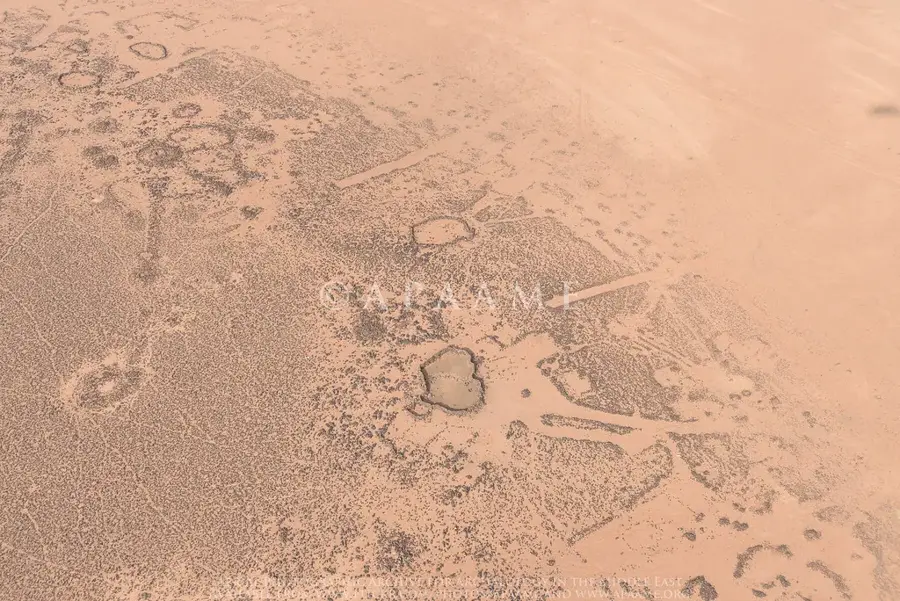
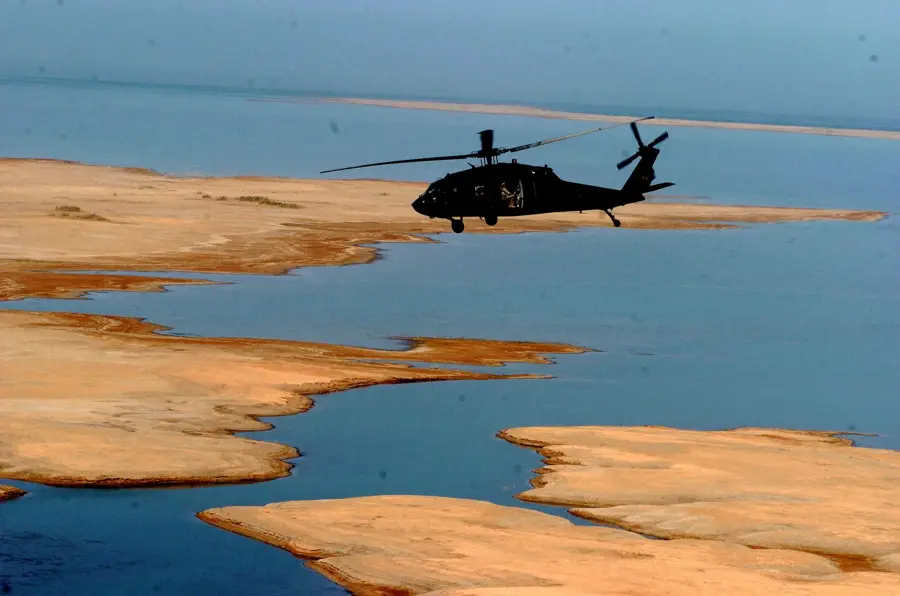
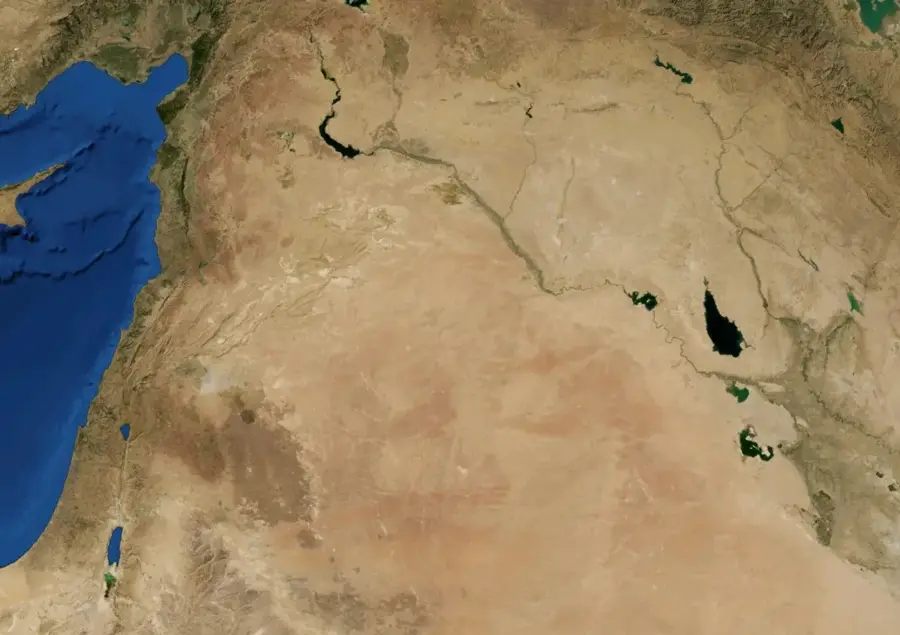
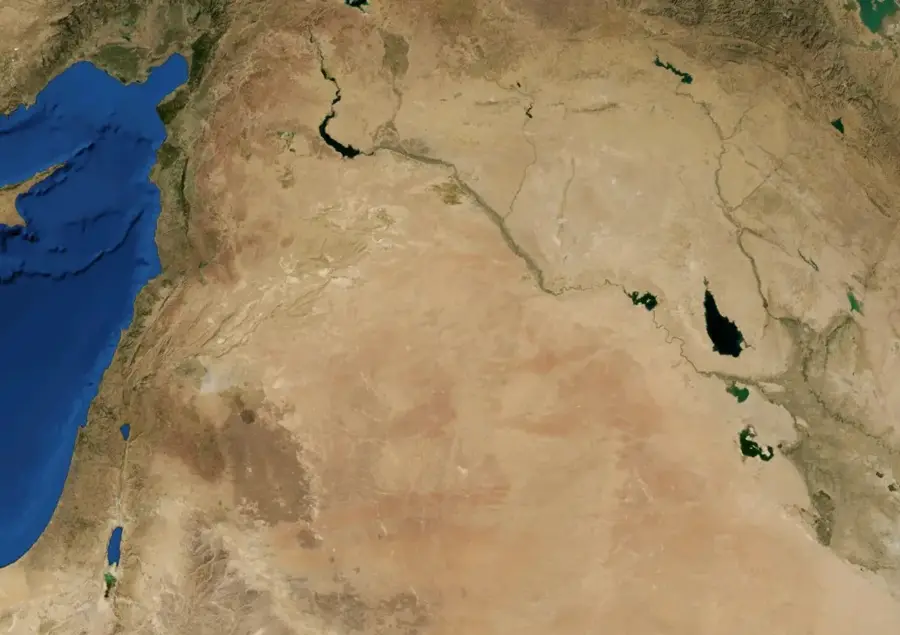
The Syrian Desert, also known as Badiyat al-Sham, covers more than half of Syria's total land area, extending across the eastern and southern parts of the country. Rather than being a vast expanse of shifting sand, it is predominantly a rocky and gravelly plateau interspersed with isolated mountain ranges and dry riverbeds known as wadis. The region is characterized by an extremely arid climate with minimal rainfall and significant diurnal temperature fluctuations. Despite its harsh conditions, the desert has historically served as a crucial transit route for caravans traveling between Mesopotamia and the Levant, with the oasis city of Palmyra as its most prominent hub. Today, the desert is inhabited by Bedouin tribes who practice livestock herding, utilizing the sparse vegetation. Geologically, the area is rich in mineral resources, particularly phosphates and natural gas, the extraction of which is a pillar of the Syrian economy. The vast, open landscape provides a habitat for specialized wildlife such as the Syrian wild ass and various desert reptiles.

Best time to visit & climate

The most pleasant time to visit is Apr, May, Oct.

JanFebMarAprMayJunJulAugSepOctNovDec
Avg °C681318232730302621138
Rain mm111269300004710

📋 Practical info

🧭
Getting there
Traveling to the Syrian Desert in western Iraq typically requires careful planning, starting from larger cities in the region. Access is via desert roads and tracks, often necessitating the use of specialized vehicles or knowledgeable local guides.
📅
Best season
The extreme summer months should be entirely avoided, as temperatures in the arid plains and rocky plateaus become unbearably hot. The milder transitional seasons, such as late autumn and early spring, provide much more tolerable conditions.
⛰️
Terrain & paths
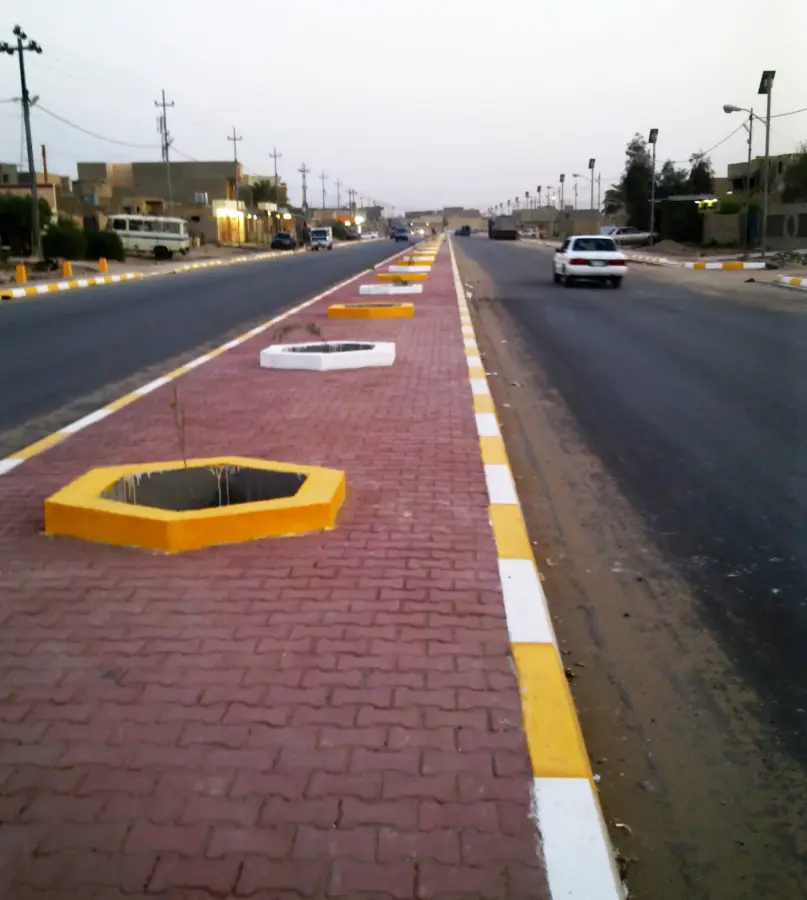
The landscape is characterized by vast, arid plains, rocky plateaus, and sparse vegetation. Navigating in this endless desert environment is difficult, as there are very few prominent landmarks and hardly any paved roads to follow.
🎒
What to bring
An extremely large supply of drinking water is absolutely vital for survival, along with comprehensive sun protection, light but covering clothing, and headgear. Reliable navigation equipment and emergency communication devices are strictly mandatory.
🅿️
Parking
There are no established parking lots in remote desert areas; vehicles are usually left in settlements on the desert edge or in safe areas designated by local guides. Off-road vehicles often serve as a mobile base during the entire excursion.
⚠️
Safety
The security situation in some areas of Iraq can be unpredictable, so current travel advisories must be strictly observed. Extreme heat, dehydration, sandstorms, and the risk of getting lost in the vastness require extreme caution and professional guides.
⏱️
Time needed
Expeditions deeper into the Syrian Desert typically take several days and require completely self-sufficient logistical preparation. Shorter excursions to the edge of the rocky plateaus can also be completed as an extended full-day trip.

Geography

Coordinates
33.00000, 39.00000

Facts

  • The Syrian Desert encompasses a total area of about 500,000 square kilometers.
  • The highest points within the Syrian desert regions reach elevations of 1,000 meters.
  • The desert contains Syria's largest phosphate mines near the city of Palmyra.
  • Branches of the Silk Road historically traversed this vast territory.
  • Average annual precipitation in the region is often less than 150 mm.
  • The desert extends beyond Syria into Jordan, Iraq, and Saudi Arabia.

Explore nearby

Notable places around

Route planner — Car & Motorhome

Where do you start? We build the route here, with stops and country notes along the way.

Vehicle
Only stops with (optional):

© OpenStreetMap contributors · OpenRouteService

Sights nearby

Frequently asked questions

What does the Syrian Desert landscape look like?
It is a mixture of flat gravel plains, rocky plateaus, and occasional sand dunes.
Are there oases there?
Yes, there are important oasis towns like Rutba, which are historical rest stops on trade routes.
What animals live in the desert?
You can find desert foxes, gazelles, and various reptile species there.
Can you safely cross the desert?
Only on main highways; navigating off-road without experience is life-threatening.
Are there archaeological sites there?
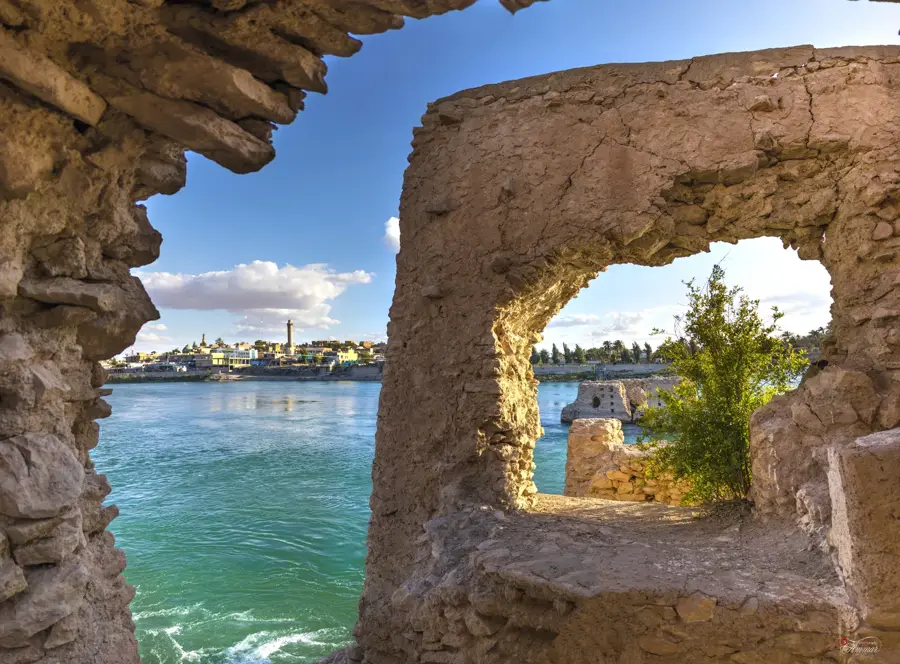
Yes, remains of Roman outposts and medieval caravanserais are scattered across the area.
Syrian Desert: where is it located?
Syrian Desert is located in Iraq.
Syrian Desert: when is the best time to visit?
The most pleasant time to visit is Apr, May, Oct.
Syrian Desert: why is it worth visiting?
The Syrian Desert, also known as Badiyat al-Sham, covers more than half of Syria's total land area, extending across the eastern and southern parts of the country.
View on map → The Top 50 Attractions → OpenStreetMap →
Asia
Explore with Plizio Discover more places in Asia
More places in Iraq →

Nearby cities

Nature

More places