Plizio Visual Lab
Ramadi
ℹ️Practical info — Ramadi
▾
🌤 Weather — 5 days
📍 Nearby
Sights nearby
💡 Tips
- Always drink bottled water to avoid stomach issues.
- Dress conservatively in respect of local Islamic traditions.
- Keep in mind that Fridays are quiet with many shops closed for prayer.
- Accept invitations for tea (chai); it's a core part of Iraqi hospitality.
- Always carry cash, as card payments are very uncommon.
🍽 Food
Traditional grilled carp, often served near the Euphrates.
At local grill stands scattered around the city.
Date-filled pastries found at local bakeries.
🛍 Shopping · 🧘 Quiet spots
A major local staple in the main markets.
At the local souks for a classic souvenir.
Found in traditional produce markets.
Peaceful slightly away from the bustling center.
A short drive away for quiet nature escapes.
Very relaxing during early morning hours.
Water temperature…
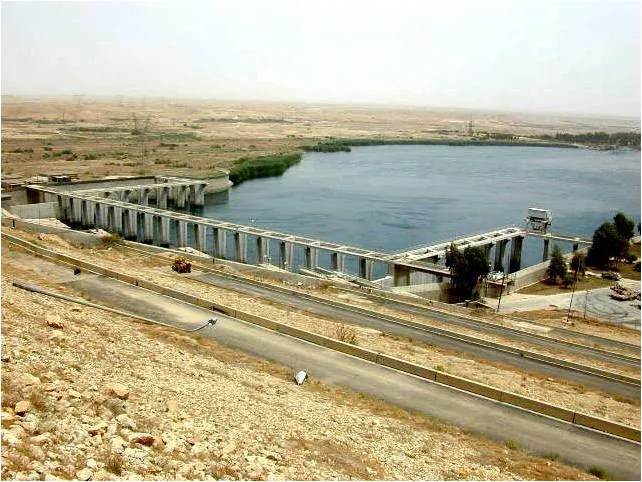
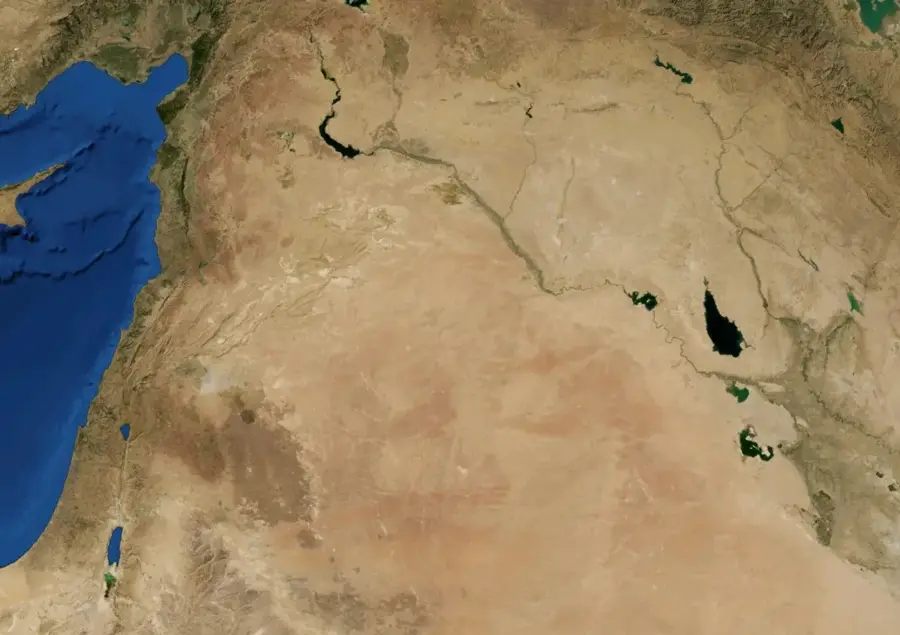
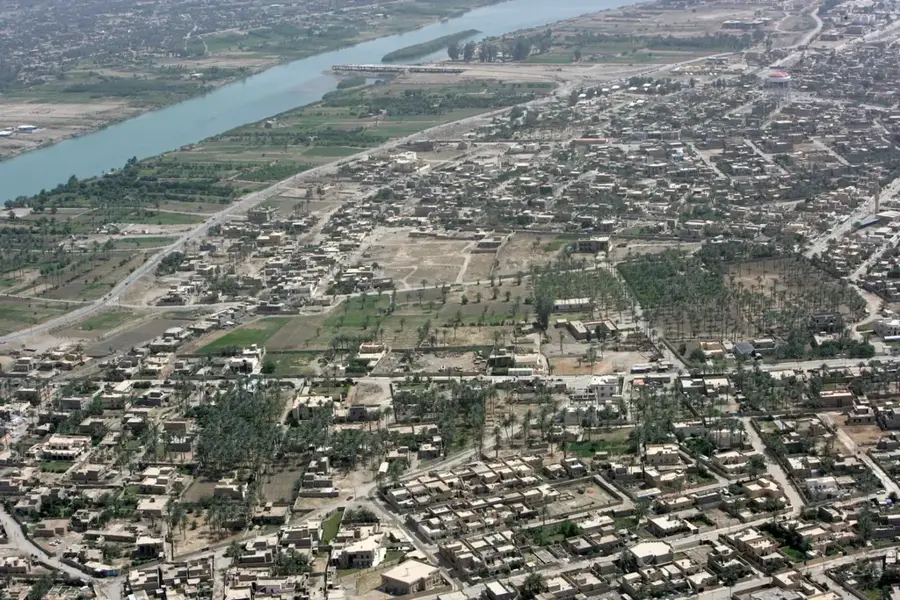
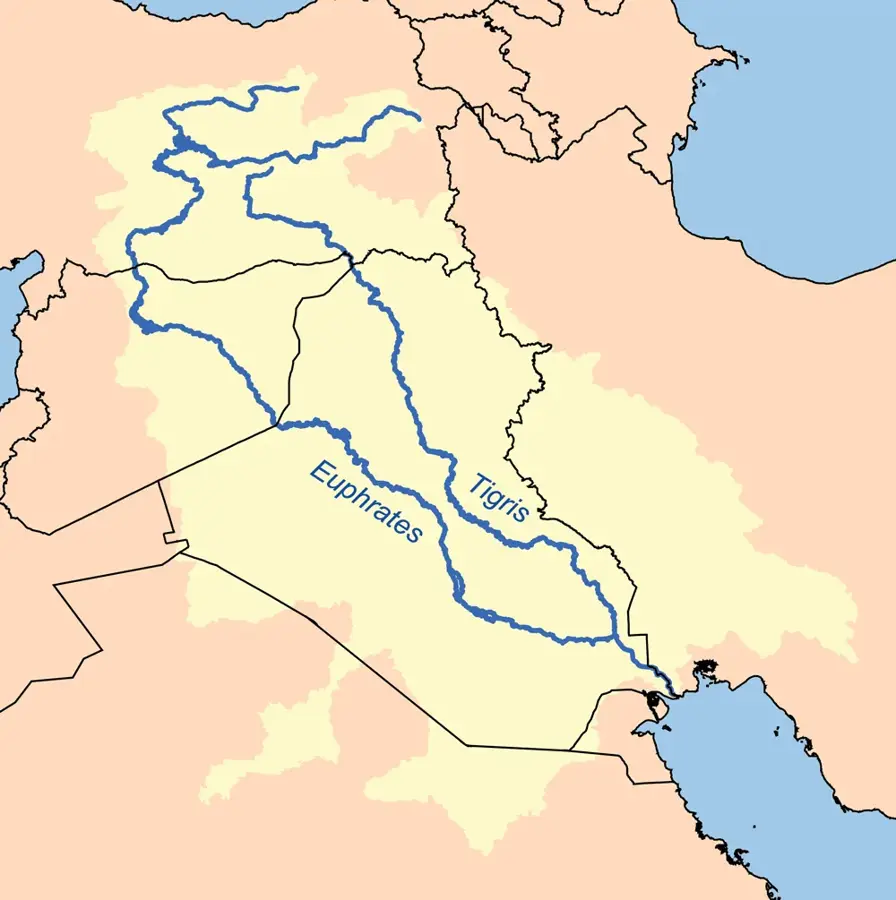
Ramadi serves as the capital of the Al-Anbar Governorate in Iraq, situated along the Euphrates River approximately 110 kilometers west of Baghdad. Established in 1869 during the Ottoman era by Midhat Pasha, the city was intended to be a strategic administrative hub to integrate the nomadic Bedouin tribes into the state structure. Geographically, Ramadi occupies a critical position at the edge of the Syrian Desert, making it a pivotal logistics center for trade routes connecting Iraq with Jordan and Syria. The city's layout is defined by the winding Euphrates, with several key bridges linking its various districts and facilitating regional movement. Historically, Ramadi has been a focal point of resistance and conflict, particularly during the British mandate and more recently during the Iraq War and the struggle against ISIS. Despite the significant damage to its infrastructure, the city has undergone a remarkable period of reconstruction, with the University of Anbar leading the academic and social revival of the area. The local economy is driven by government services, retail trade, and agriculture, with the fertile riverbanks supporting crops such as wheat, barley, and citrus fruits. Ramadi's climate is characterized by extreme desert conditions, featuring scorching summers and relatively mild winters. The social fabric of the city is deeply rooted in traditional Arab tribal values, where lineage and tribal affiliation remain central to communal life and political organization. As the administrative heart of Iraq's largest province, Ramadi remains a vital link in the country's national integrity, balancing its traditional heritage with the demands of modern urban development and regional stability.
- Location: Iraq
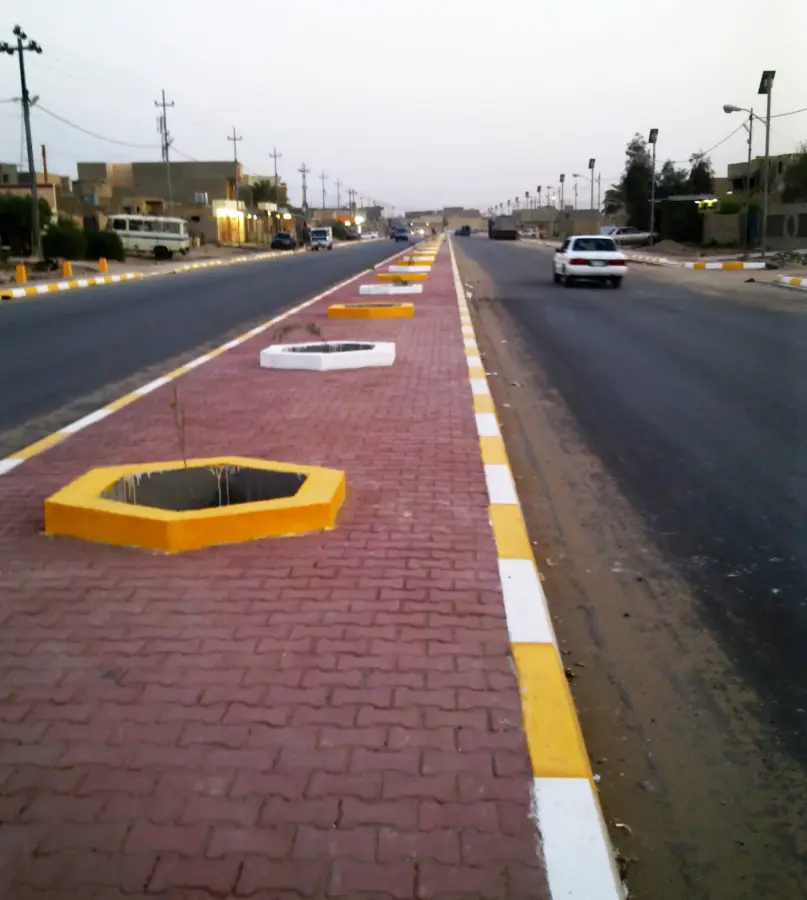
- Top sights: Omar Bin Al-Khatab Street · Tahun Abu Hamid · Sindibad Amusement Park
- Nearby: Fallujah (53 km)
- Population: ~223.500 (2026)
Best time to visit & climate
The most pleasant time to visit is Mar, Apr, Oct.
| Jan | Feb | Mar | Apr | May | Jun | Jul | Aug | Sep | Oct | Nov | Dec | |
|---|---|---|---|---|---|---|---|---|---|---|---|---|
| Avg °C | 9 | 11 | 17 | 23 | 29 | 34 | 37 | 36 | 32 | 26 | 16 | 11 |
| Rain mm | 25 | 22 | 21 | 17 | 6 | 0 | 0 | 0 | 1 | 9 | 21 | 19 |
Geography
Facts
- Ramadi was established in 1869 by the Ottoman governor Midhat Pasha.
- It is located approximately 70 miles (110 km) west of Baghdad.
- The city serves as the administrative capital of the Al-Anbar Governorate.
- The University of Anbar, located here, is a major regional educational hub.
- Strategically positioned on the trade route between Iraq and Jordan.
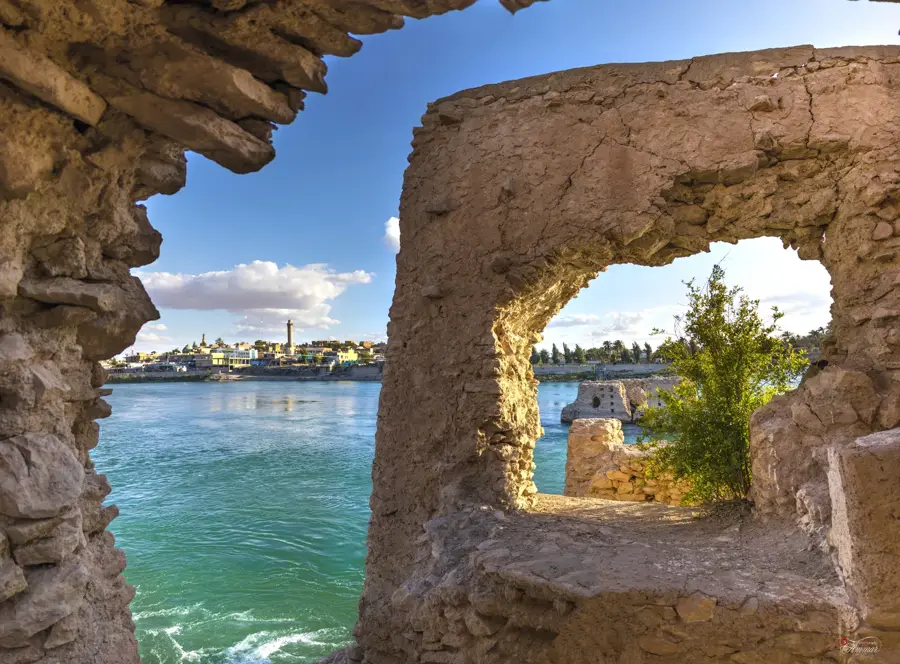
- The Euphrates River provides the primary water source for the city.
- The city's elevation is approximately 164 feet (50 meters) above sea level.
- Ramadi is a key center for the Iraqi construction and glass industries.
Explore nearby
Notable places around
Route planner — Car & Motorhome
Where do you start? We build the route here, with stops and country notes along the way.
© OpenStreetMap contributors · OpenRouteService
Sights in the town Ramadi (6)
Frequently asked questions
Where is Ramadi located?
What role does the river play in the city?
Are there modern facilities?
What are the people like in Ramadi?
When should I visit the city?
Ramadi: where is it located?
Ramadi: what is there to see?
Ramadi: when is the best time to visit?
Ramadi: why is it worth visiting?
Nearby cities
Nature
More places